The Eighth Day
It's a strange thing, isn't it, how certain films lodge themselves in your memory not through explosive action or quotable quips, but through a quiet, persistent emotional echo? Jaco Van Dormael's The Eighth Day (Le Huitième Jour), which found its way onto discerning video store shelves back in 1996, is precisely that kind of film. It doesn’t grab you by the lapels; instead, it gently takes your hand and leads you somewhere unexpected, leaving you pondering the very definition of a 'normal' life long after the VCR whirred to a stop. For many of us browsing the foreign film section, perhaps after tiring of the usual blockbuster fare, discovering this Belgian gem felt like uncovering a hidden piece of cinematic soul.
An Unlikely Collision
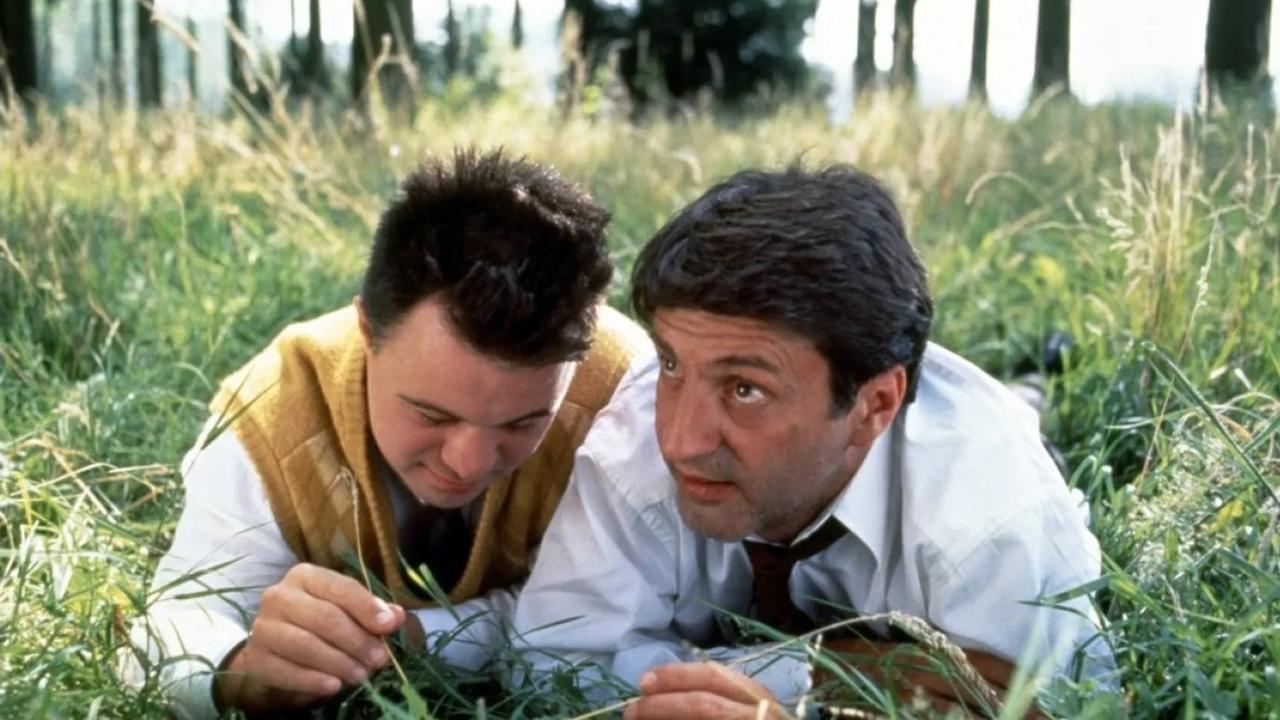
The setup feels almost like a fable spun for the modern, corporate age. We meet Harry (Daniel Auteuil), a successful sales trainer utterly consumed by his job. His life is a series of PowerPoint presentations, motivational jargon, and crushing loneliness masked by frantic efficiency. His marriage has crumbled, his connection to his children is frayed, and his perfectly ordered world feels suffocatingly empty. He’s the picture of conventional success, yet profoundly unhappy. Then, one dark and stormy night, his life literally collides with Georges (Pascal Duquenne), a man with Down syndrome who has just walked away from the institution where he lives, desperately seeking his mother who he believes hasn't forgotten him.
This chance encounter sets the stage for one of the most moving and unconventional cinematic friendships of the 90s. Harry, initially burdened and irritated by Georges's presence, finds his meticulously controlled existence thrown into beautiful chaos. Georges, with his unfiltered emotions, infectious love for the song "Mexico" by Luis Mariano, and profoundly different way of experiencing the world, begins to dismantle the walls Harry has built around himself.
Performances That Transcend
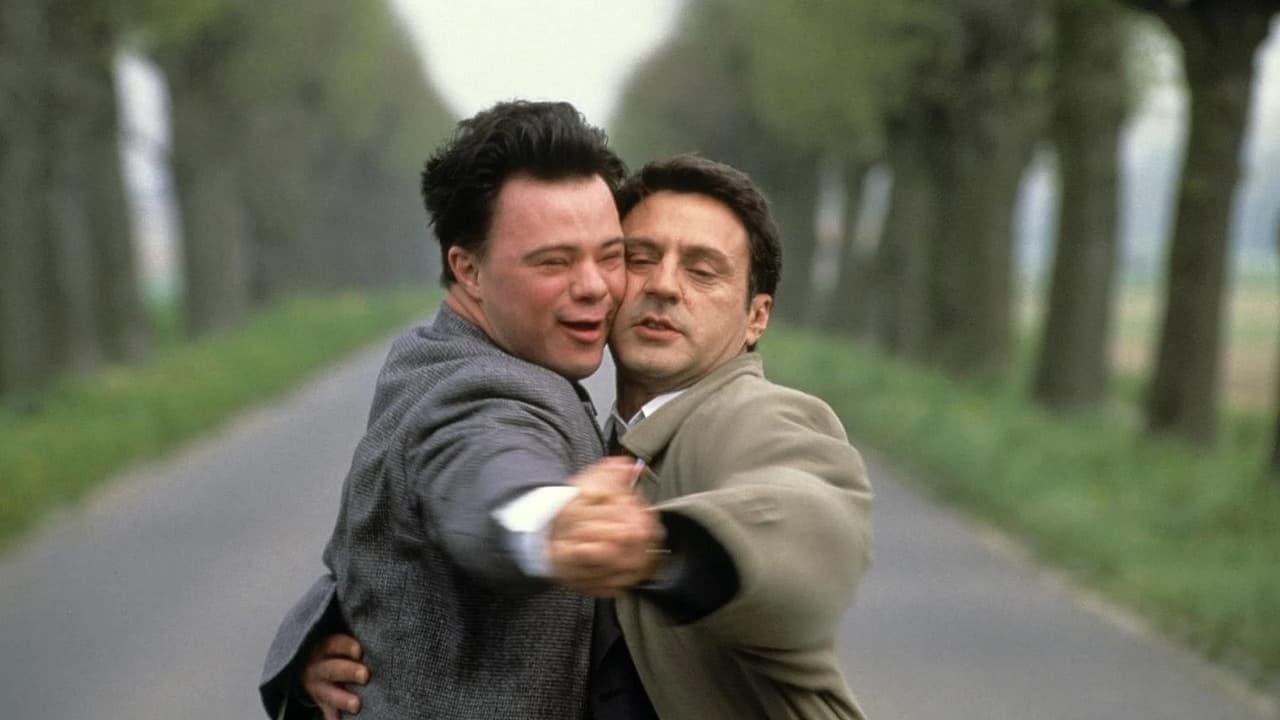
What elevates The Eighth Day beyond potential sentimentality is the astonishing authenticity of its central performances. Daniel Auteuil, already a giant of French cinema known for classics like Jean de Florette (1986), delivers a masterful portrayal of gradual transformation. We see the tightly wound frustration melt away, replaced by confusion, then reluctant affection, and finally, genuine connection. His subtle shifts in expression speak volumes about Harry's internal battle between societal conditioning and a yearning for something more meaningful.
But the revelation, the undeniable heart of the film, is Pascal Duquenne. His portrayal of Georges is simply extraordinary – vibrant, spontaneous, and deeply felt. There's an honesty in his performance that feels less like acting and more like being. It’s a performance devoid of artifice, radiating joy, pain, and unconditional love with startling clarity. It's no wonder, and a truly remarkable moment in film history, that both Auteuil and Duquenne shared the Best Actor award at the 1996 Cannes Film Festival. This shared prize wasn't just a gimmick; it was a powerful acknowledgment of the unique synergy they created on screen and the profound impact of Duquenne's contribution. Director Jaco Van Dormael, who had previously given us the acclaimed Toto the Hero (1991), reportedly spent years developing the film, specifically wanting to collaborate with Duquenne, showcasing a commitment to authentic representation that feels particularly resonant.

Van Dormael's Vision: Reality with a Touch of Magic
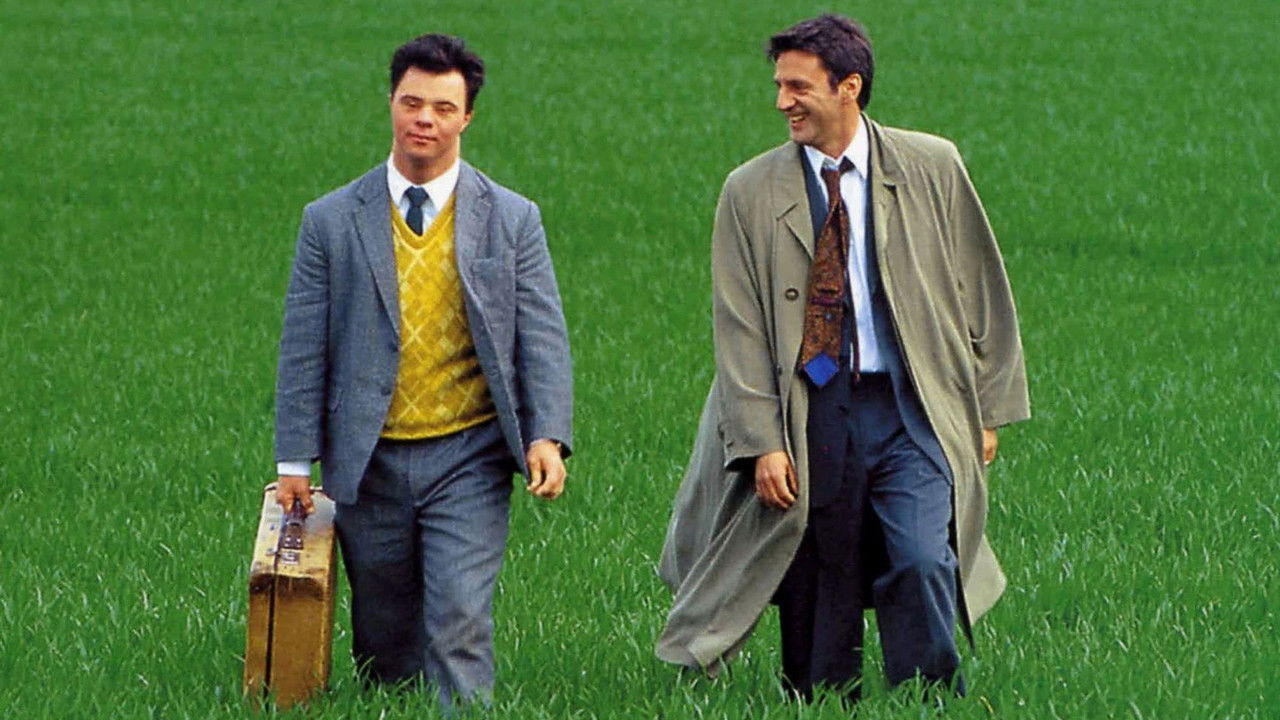
Van Dormael navigates tricky emotional territory with grace. He doesn't shy away from the challenges and prejudices Georges faces, nor the painful realities of Harry's alienation. Yet, he infuses the narrative with moments of surreal beauty and dreamlike whimsy, often reflecting Georges's unique perspective. Think of the sequences where Georges imagines himself a crooner, or the moments of pure, unadulterated joy that interrupt the mundane. This blend of grounded reality and gentle magical realism prevents the film from becoming preachy or overly saccharine. The visual language, aided by Pierre Van Dormael's evocative score, creates a distinct atmosphere – sometimes melancholic, sometimes joyful, always deeply human.
The film wasn't a massive blockbuster in the typical sense, especially compared to Hollywood output dominating VHS rental walls in the mid-90s. However, it was a significant critical and audience success in Europe, even earning Belgium's nomination for the Best Foreign Language Film Oscar. Its success felt like a quiet triumph for a different kind of storytelling – one prioritizing emotional depth over spectacle. Watching it again now, it feels like a gentle rebuke to the often cynical filmmaking landscape, a reminder of cinema's power to foster empathy.
Beyond the Surface
What lingers most powerfully about The Eighth Day? It’s the questions it quietly poses. What constitutes a 'full' life? Is measured success truly fulfilling? How much do we lose when we shut ourselves off from those who experience the world differently? The film challenges conventional notions of normalcy and happiness, suggesting that true richness might lie not in control and conformity, but in connection, acceptance, and the courage to embrace the unpredictable 'eighth day' creations that defy easy categorization. It forces a reflection on how society treats those perceived as 'other', a theme that sadly remains acutely relevant.
Does the film occasionally stray towards the sentimental? Perhaps, by today's more cynical standards. But its sincerity is undeniable, earned through the raw truth of its performances and the genuine affection Van Dormael clearly has for his characters. It's a film made with heart, and it speaks directly to the heart.
VHS Heaven Rating: 9/10
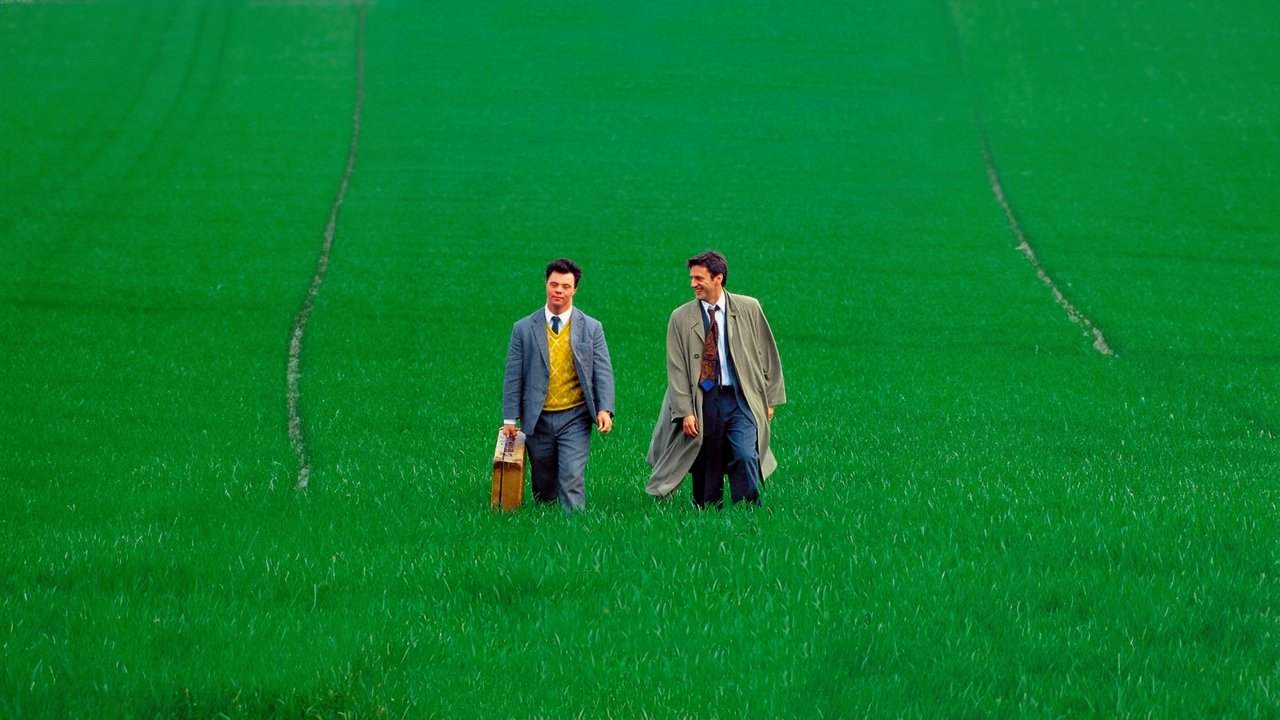
This rating reflects the film's profound emotional impact, the unforgettable, award-winning performances by Auteuil and Duquenne, and Van Dormael's unique directorial vision. It masterfully balances poignant drama with moments of surreal charm, creating a truly special cinematic experience. While perhaps less known than some 90s staples, its emotional resonance and courageous performances make it a standout.
The Eighth Day is a film that reminds you of the simple, profound beauty that can emerge when disparate worlds collide with openness and vulnerability. It’s a journey into empathy, a celebration of difference, and ultimately, a deeply moving ode to the unexpected places we find connection and joy – a true treasure from the era of tangible media discoveries.