Up Close & Personal
There's a certain kind of polish that defined the big studio dramas hitting video store shelves in the mid-90s. It wasn't gritty realism, nor was it saccharine fluff; it was a comfortable, star-driven middle ground, promising romance, a touch of professional intrigue, and the magnetic pull of A-list actors doing what they did best. Watching Jon Avnet’s Up Close & Personal (1996) again, decades after first sliding that worn VHS tape into the VCR, that specific feeling floods back – the anticipation of seeing two cinematic giants like Robert Redford and Michelle Pfeiffer share the screen. It felt like an event, even on a fuzzy CRT.
Ambition in the Anchor Chair
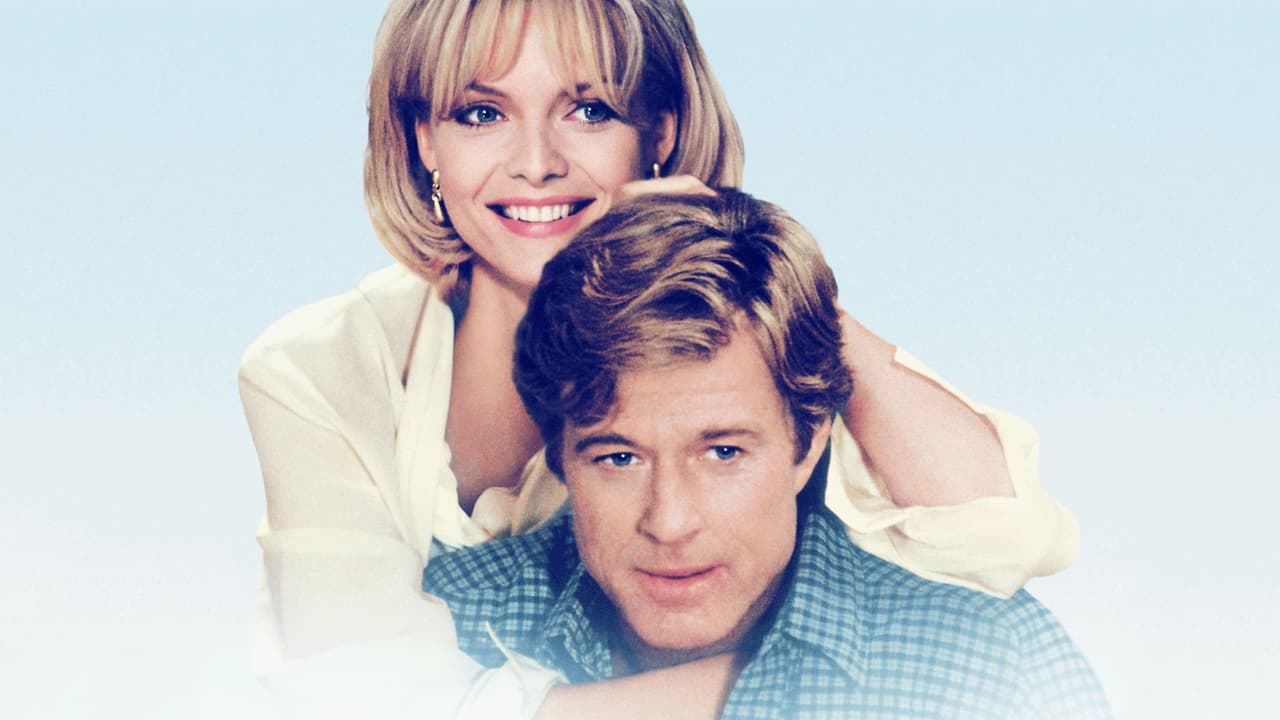
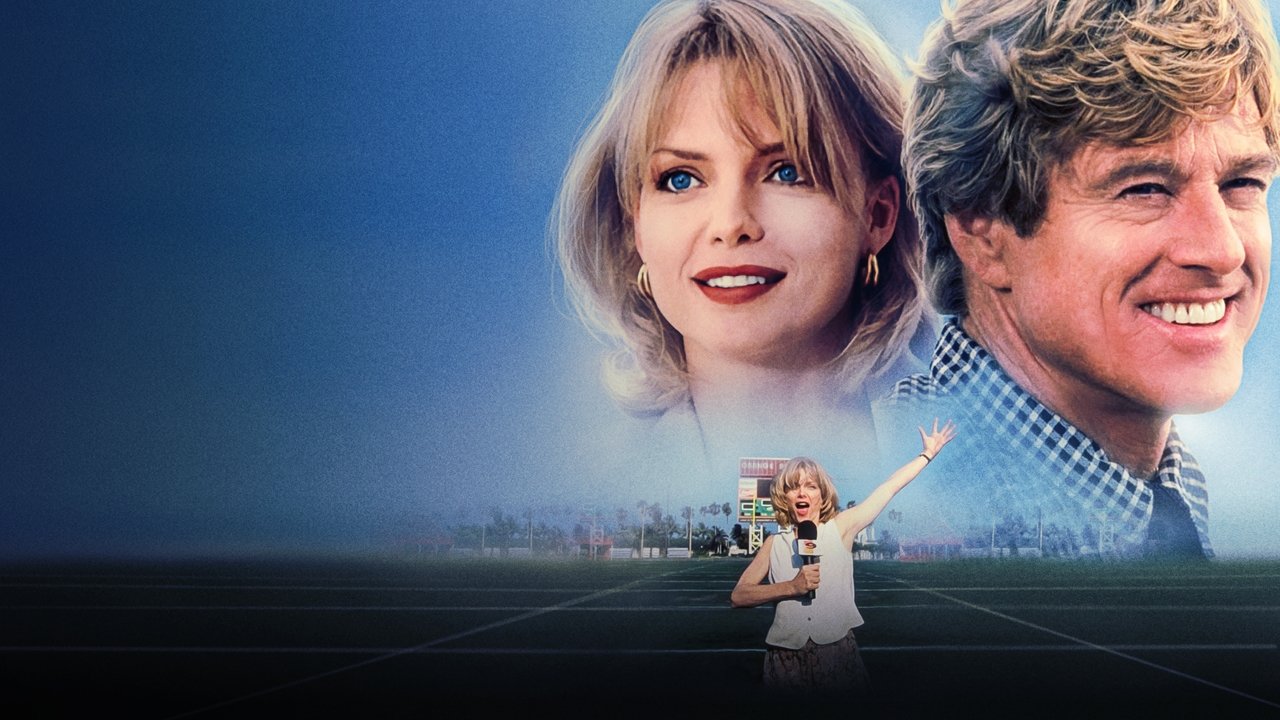
The film introduces us to Sallyanne 'Sally' Atwater (Michelle Pfeiffer), later nicknamed Tally, a woman burning with ambition to break into television news, despite a resume that’s more fiction than fact. She lands a job at a Miami station under the wing of Warren Justice (Robert Redford), a seasoned, slightly world-weary news director who sees the raw potential beneath her fabricated past. What follows is a classic Pygmalion story set against the backdrop of broadcast journalism: the experienced mentor shaping the eager protégée, sparks flying both professionally and personally as Tally ascends the ladder from weather girl to network anchor. The newsroom setting provides a dynamic stage, capturing the pressure, the deadlines, and the ethical compromises inherent in chasing the story – or, perhaps more accurately, chasing the ratings.
Stars Aligning, Mostly
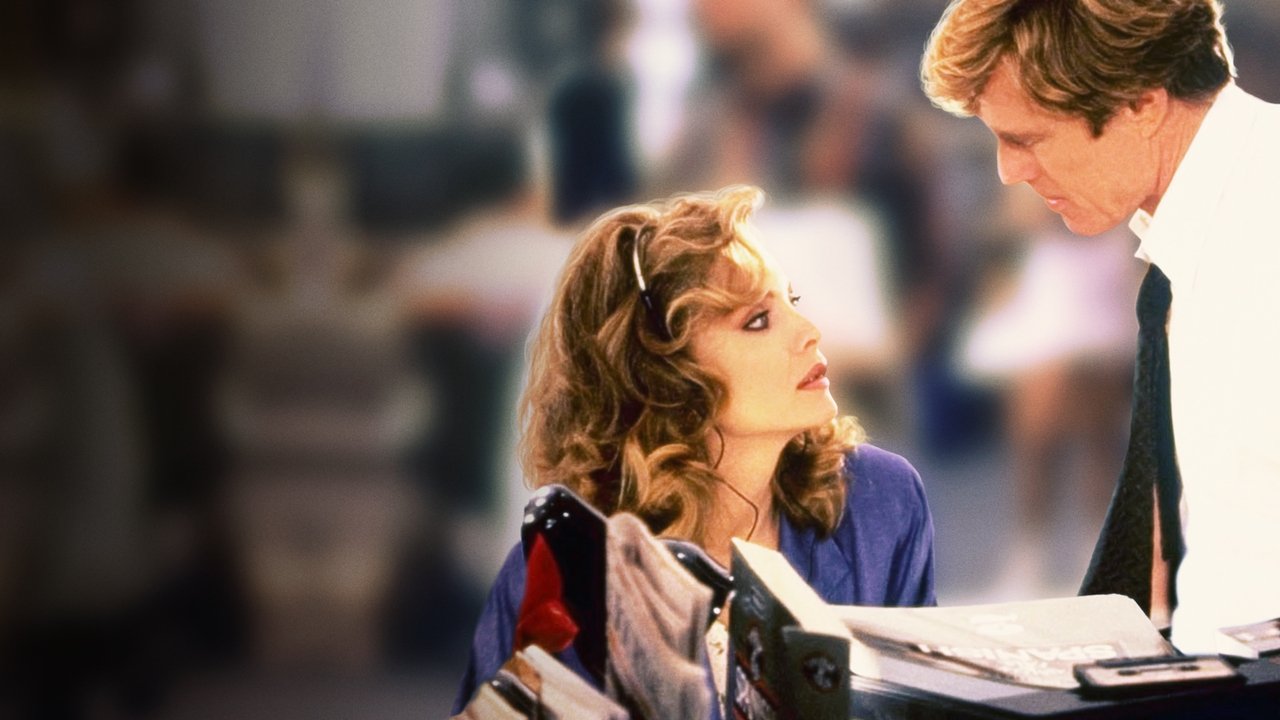
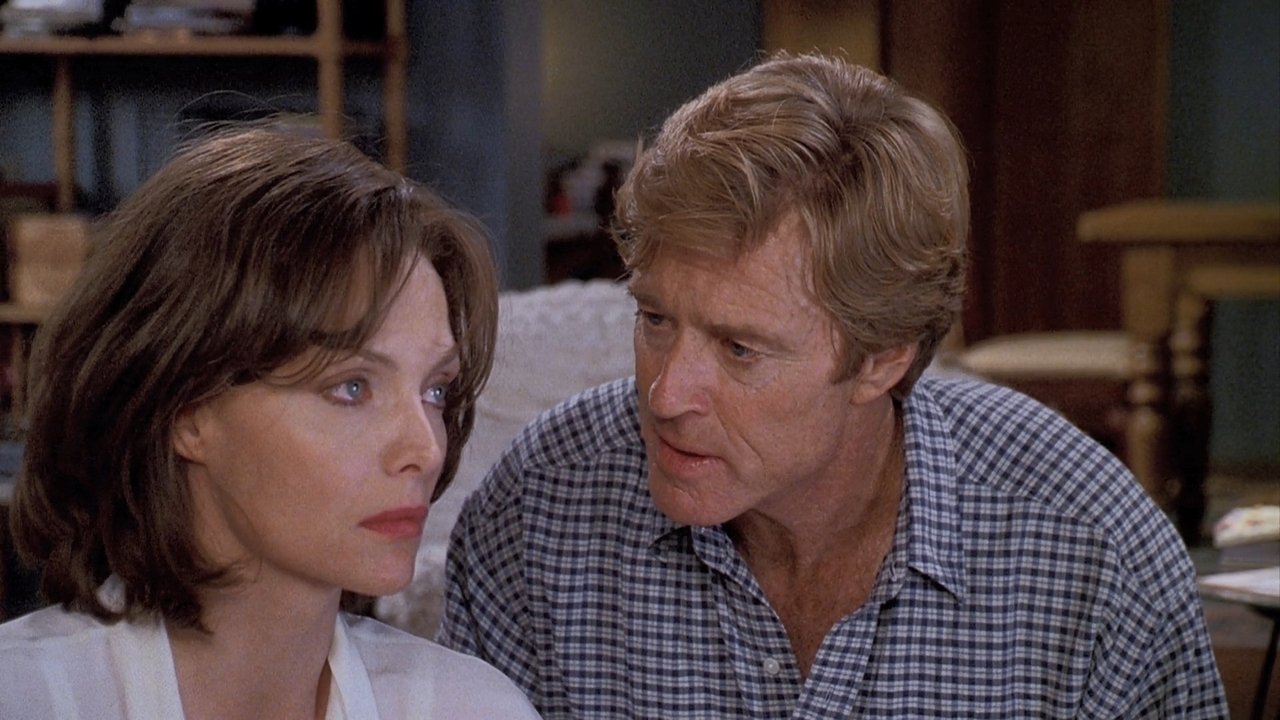
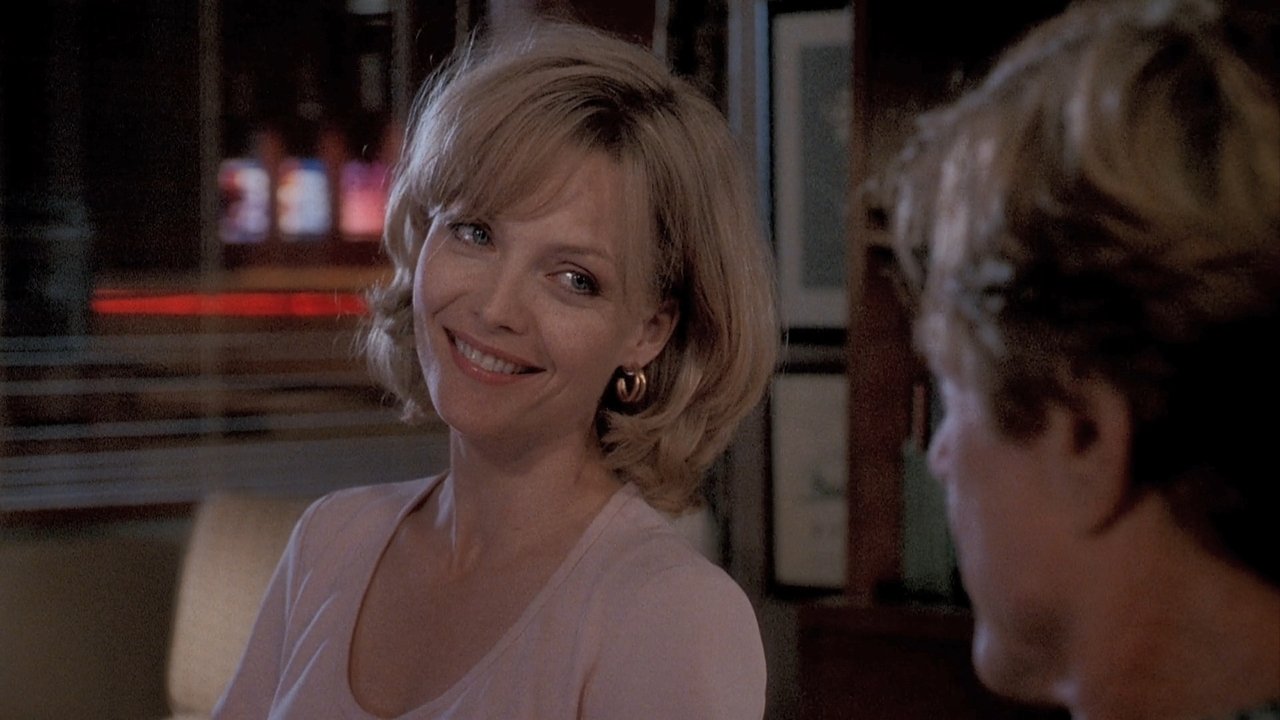
Let's be honest, the primary draw here was always the pairing of Redford and Pfeiffer. Redford, then firmly established as Hollywood royalty and a respected director himself (Ordinary People (1980), Quiz Show (1994)), slides effortlessly into the role of Warren Justice. He embodies that blend of integrity, quiet authority, and weary charm that defined so many of his iconic roles. There's an ease to his performance, a sense that he is this veteran newsman who’s seen it all. Pfeiffer, already a major star known for her versatility in films like Dangerous Liaisons (1988) and Batman Returns (1992), captures Tally’s fierce drive and vulnerability. You believe her hunger for success, and her transformation from gauche hopeful to polished professional feels earned. Their chemistry is undeniable, simmering with the kind of mature, understated romance that was a hallmark of 90s adult dramas. Supporting players like Stockard Channing as veteran anchor Marcia McGrath add welcome texture, providing a cynical counterpoint to Tally's idealism.
The Ghost in the Machine: From Savitch to Screen
But beneath the glossy surface lies a fascinating, and somewhat troubled, production history that sheds light on the film's ultimate feel. Up Close & Personal began life years earlier, intended as a biopic based on Alanna Nash's biography "Golden Girl: The Story of Jessica Savitch," detailing the tumultuous career and tragic death of the pioneering NBC news anchor. Acclaimed writers Joan Didion and John Gregory Dunne were brought on board, spending years wrestling with the material. However, over countless drafts and studio interventions, the story gradually shed its darker, more complex biographical elements. What emerged was a heavily fictionalized romance, retaining only faint echoes of Savitch's journey.
Knowing this backstory makes watching the film a different experience. You can almost sense the ghosts of those earlier drafts, the potential for a grittier, more incisive look at the pressures faced by women in media and the self-destructive path Savitch ultimately took. Instead, the film opts for warmth and inspiration, focusing squarely on the central relationship. This protracted development, reportedly spanning nearly eight years and multiple regimes at Disney's Touchstone Pictures, inevitably inflated the budget (around $60 million – quite substantial for a drama in '96) and likely sanded off the story's rough edges. It’s a prime example of how the Hollywood machine can transform challenging source material into something more palatable, more star-friendly. Does this diminish the final product? Not necessarily, but it certainly re-frames it. It becomes less a film about journalism and more a romance set in the world of journalism.
That Mid-90s Sheen
Directed by Jon Avnet, who had previously found success with the similarly character-focused Fried Green Tomatoes (1991), Up Close & Personal boasts a confident, professional style. The cinematography captures the high-stakes energy of the newsroom and the glamour of network television, while Thomas Newman's score provides an appropriately evocative emotional backdrop. It looks and feels exactly like a major studio picture from its era – handsome, well-crafted, and designed to showcase its stars. There's a certain comfort in that, a reliability that made these kinds of films popular rentals back in the day. You knew what you were getting: compelling performances, engaging drama, and a satisfying, if somewhat predictable, emotional arc.
The film also captures a specific moment in time for broadcast news, before the full fragmentation of media by the internet, when network anchors still held immense cultural sway. There are moments, like the prison riot sequence, that inject genuine tension and hint at the dangers reporters face, grounding the romance in a semblance of reality.
Worth the Rewind?
So, how does Up Close & Personal hold up today? It remains a thoroughly engaging romantic drama, powered by the undeniable charisma of its leads. The central relationship is compelling, and the journey of Tally Atwater provides a satisfying narrative arc. Yet, the knowledge of its origins lingers. One can't help but wonder about the film that might have been – the darker, more complex story buried beneath the polish. Is it fair to judge a film by what it isn't? Perhaps not entirely. Taken on its own terms, as a 90s star vehicle, it succeeds thanks to the sheer magnetism of Redford and Pfeiffer. Their interactions feel genuine, and the film delivers the emotional beats it aims for. It doesn't revolutionize the genre, nor does it offer a particularly biting critique of the media landscape, but it tells its chosen story with competence and heart.
Rating: 7/10
This score reflects the film's strengths – primarily the powerhouse performances from Redford and Pfeiffer and its effective delivery as a glossy romantic drama. It’s docked points for shying away from the potentially more interesting, darker aspects of its origins and for occasionally leaning into predictability. Still, it’s a well-crafted piece of 90s studio filmmaking that absolutely delivers on the promise of its star pairing.
It remains a fascinating example of how Hollywood adapts, alters, and sometimes sanitizes real life for the screen, leaving us with a compelling romance shadowed by the ghost of a grittier tale untold. What stays with you isn't necessarily the journalism, but the enduring power of star chemistry lighting up the screen.
You Might Also Enjoy
Frankie and Johnny
1991
Body of Evidence
1993
How to Make an American Quilt
1995
To Gillian on Her 37th Birthday
1996
The Story of Us
1999
The Truth About Jane
2000
Indecent Proposal
1993
The Horse Whisperer
1998
A Scene at the Sea
1991
Dogfight
1991
Dying Young
1991
Edward II
1991
Enchanted April
1991
Flirting
1991