When the Cat's Away
Here we are, bathed in the familiar glow of the screen, the faint hum of the VCR a comforting soundtrack. Tonight, let's rewind to 1996 and wander the streets of Paris, not for explosions or high-stakes thrills, but for something far more elusive: a lost cat named Gris-Gris, and perhaps, a sense of belonging. Cédric Klapisch's When the Cat's Away (Chacun cherche son chat) wasn't the kind of tape that screamed for attention on the rental shelf next to the latest action heroes, but discovering it felt like uncovering a quiet, human gem. It’s a film that reminds you how cinema can capture the poetry of the everyday, the subtle currents connecting strangers in a sprawling city.
A Simple Quest, A Neighbourhood Revealed
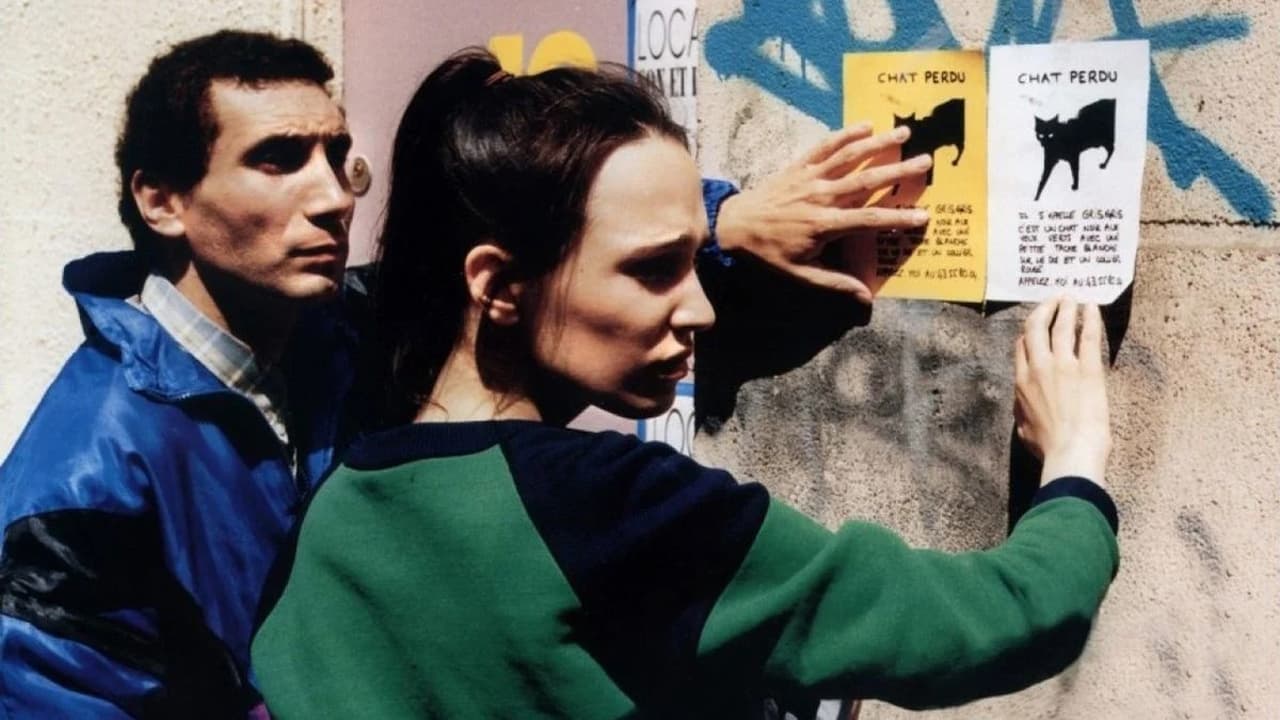
The premise is deceptively simple: Chloé (Garance Clavel), a young, somewhat timid makeup artist living in the Bastille district of Paris, needs someone to look after her beloved cat, Gris-Gris, while she takes a much-needed vacation. She entrusts him to Madame Renée (Renée Le Calm), an elderly neighbour whose apartment overflows with feline companions. Upon Chloé's return, disaster: Gris-Gris has vanished. What follows isn't a frantic chase, but a gentle, meandering search that draws Chloé out of her shell and deep into the intricate social fabric of her neighbourhood. The lost cat becomes the catalyst, the excuse for conversations, for connections forged over shared worry and photocopied "Lost Cat" posters plastered on lampposts and shop windows. Klapisch, who would later give us the vibrant ensemble pieces L'Auberge Espagnole (2002) and its sequels, uses this simple quest to paint a rich portrait of a community on the cusp of change, a snapshot of the old Paris jostling against the new.
The Authentic Heartbeat: Performances and People
What elevates When the Cat's Away beyond a mere charming anecdote is the astonishing authenticity of its characters, particularly the non-professional actors Klapisch integrated into the cast. Garance Clavel is wonderful as Chloé, capturing her initial isolation and quiet anxieties, allowing us to see the city through her sometimes overwhelmed eyes. We witness her gradual blossoming as the search forces interactions she might otherwise avoid. But the undeniable soul of the film is Renée Le Calm as Madame Renée. Discovered by Klapisch in the very neighbourhood where the film is set, Madame Renée isn't just playing a character; she is the character – a force of nature, opinionated, gossipy, deeply embedded in the local network, embodying the spirit of the long-time residents. Her interactions, her pronouncements, her very presence feel utterly real, grounding the film in a way that scripted performances rarely achieve. It’s a reminder that sometimes the most compelling stories are found not in dramatic invention, but in simply observing life itself. Supporting players, like Klapisch regular Zinedine Soualem as the friendly Djamel, add layers of warmth and gentle humour, contributing to the feeling of a lived-in world.
Capturing a Moment in Time
Beyond the characters, Klapisch's direction creates a palpable sense of place. This isn't the romanticised Paris of postcards; it's the Paris of narrow streets, bustling markets, local cafes, and slightly crumbling apartment buildings. He films the Bastille area with an observant, almost documentary-like eye, capturing the energy and the specific textures of the neighbourhood just before major waves of gentrification began to reshape it. There's a subtle melancholy woven through the film, a sense that this way of life, this tight-knit, sometimes meddlesome, but ultimately supportive community, might be as endangered as Chloé's lost cat. The film itself reportedly came together organically, with Klapisch and his team spending considerable time immersing themselves in the neighbourhood, allowing the story to grow out of the location and its real inhabitants. This dedication pays off, giving the film a rare sense of lived-in truth. It’s the kind of detail – the specific rhythm of neighbourhood gossip, the casual kindnesses, the minor frictions – that often gets lost in more plot-driven narratives.
More Than Just a Lost Pet Story
Did Chloé find Gris-Gris? (Spoiler Alert: Yes, eventually.) But by the time she does, the cat itself feels almost secondary. The real discovery is the community she’s unearthed, the connections she’s made, and the quiet confidence she’s gained. The film asks us, gently, to consider what we might be missing in our own busy lives. In an era increasingly defined by digital detachment, revisiting When the Cat's Away feels particularly resonant. It champions the small, face-to-face interactions, the shared moments of vulnerability and support that build something vital, something human. It doesn’t offer grand pronouncements, but rather finds profound meaning in the quiet hum of everyday life, in the simple act of neighbours looking out for one another – and for a lost feline friend. It's a far cry from the explosions and high concepts that often dominated 90s cinema, offering instead a refreshing dose of grounded humanity. I remember renting this on a whim, drawn perhaps by the Parisian setting, and being utterly captivated by its gentle pace and heartfelt sincerity – a perfect antidote to blockbuster fatigue.
Rating: 8.5/10
This score reflects the film's exceptional authenticity, the remarkable performance coaxed from Renée Le Calm, Cédric Klapisch's sensitive direction, and its enduring charm as a warm, humanistic slice-of-life. It beautifully captures a specific time and place, and its themes of community and connection feel more relevant than ever. It might lack the pyrotechnics of its contemporaries, but its quiet power lingers.
When the Cat's Away is a lovely reminder that sometimes the biggest adventures aren't globe-trotting quests, but the simple journey of getting to know the people right outside your door. What connections might we forge, if only we took the time to look?
You Might Also Enjoy
Doc Hollywood
1991
He Said, She Said
1991
Singles
1992
The Cutting Edge
1992
Sleepless in Seattle
1993
Dilwale Dulhania Le Jayenge
1995
Good Old Daze
1995
Something to Talk About
1995
A Summer's Tale
1996
Family Resemblances
1996
The Watermelon Woman
1997
Next Stop Wonderland
1998
Biwi No.1
1999
Notting Hill
1999