Clockwatchers
The hum of fluorescent lights, the rhythmic tap of keyboards, the stifling quiet broken only by the occasional forced pleasantry – some environments possess a unique kind of soul-draining power. 1997's Clockwatchers bottles this specific strain of late-20th-century corporate ennui with unnerving precision. It doesn't shout its frustrations; it whispers them, mirroring the hushed desperation of its central characters trapped in the beige labyrinth of Global Credit. Watching it again feels less like revisiting a movie and more like stepping back into a shared, slightly uncomfortable memory of office purgatory.
The Temp Pool Blues
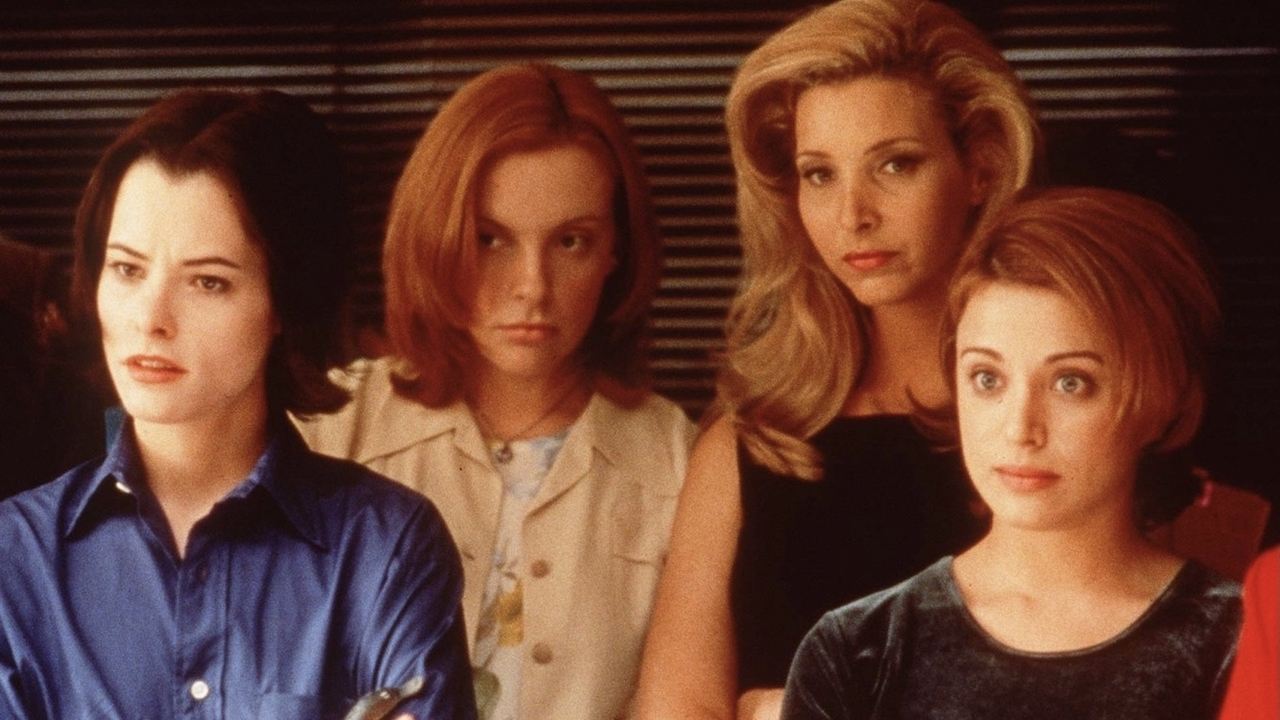
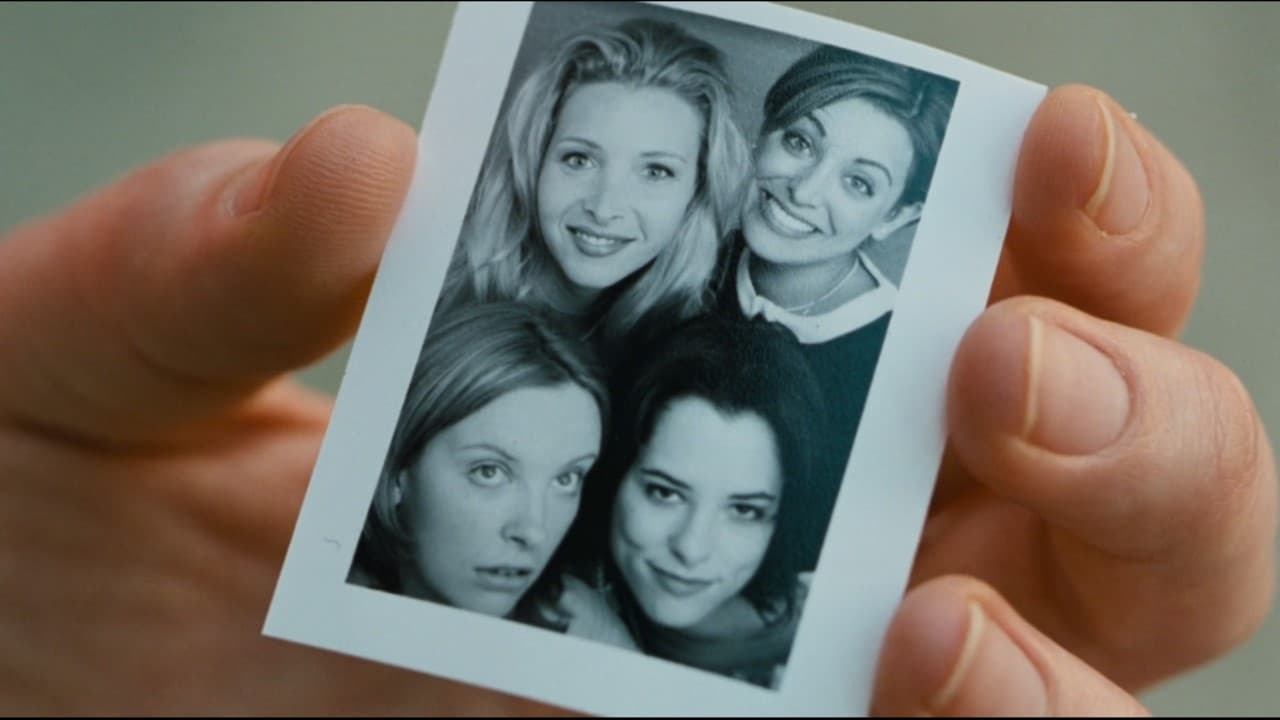
Directed by Jill Sprecher, who co-wrote the sharply observed script with her sister Karen Sprecher, Clockwatchers centers on four temporary workers navigating the impersonal landscape of a faceless corporation. There's Iris (a wonderfully understated Toni Collette, already showcasing the depth that would define her career post-Muriel's Wedding), the shy newcomer hoping for permanence. Margaret (Parker Posey, radiating the restless energy that made her the undisputed queen of 90s indie cinema) is the cynical instigator, Paula (Lisa Kudrow, playing against her Friends persona with a brittle intensity) is the aspiring actress clinging to delusion, and Jane (Alanna Ubach) is the aggressively eager one engaged to a man no one believes exists. They form a fragile alliance against the crushing anonymity, finding solace and friction in breakroom chats and after-work drinks.
An Atmosphere You Can Feel
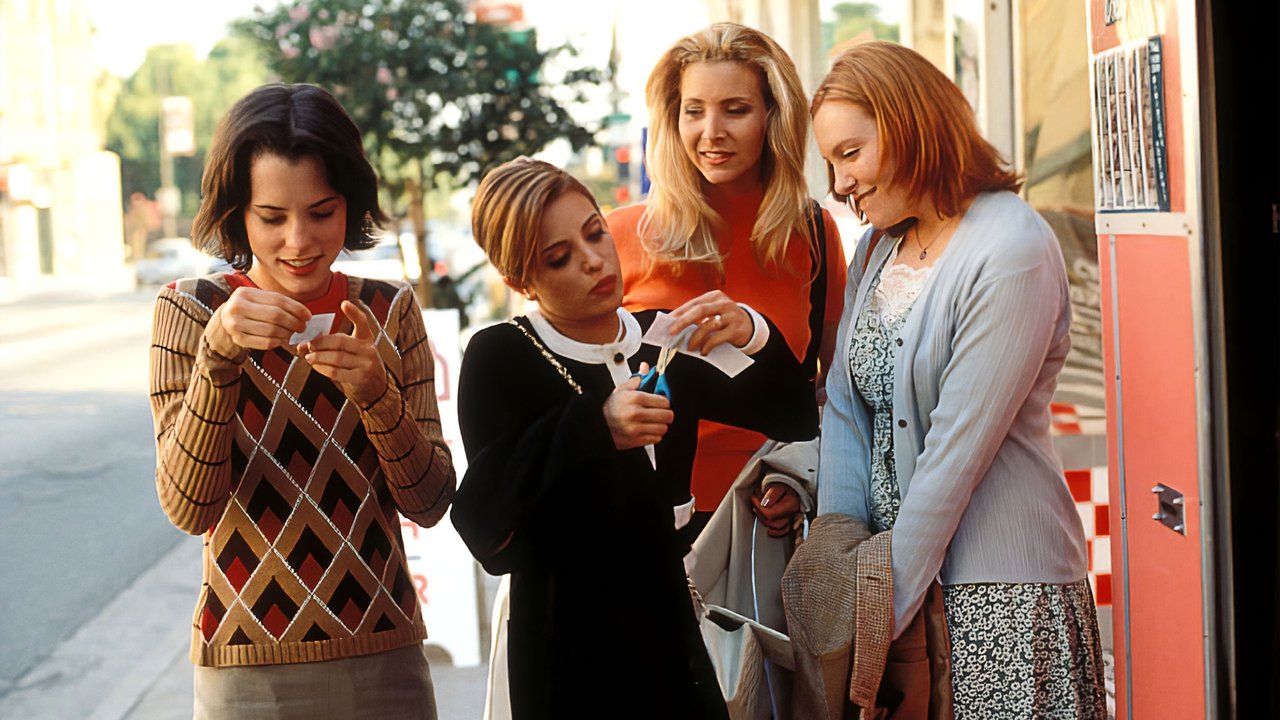
What Sprecher captures so brilliantly is the feeling of that specific workplace dread. The film eschews grand dramatic gestures for the accumulation of small, soul-crushing details: the passive-aggressive notes, the meaningless tasks, the arbitrary rules enforced by unseen managers, the constant awareness of being disposable. The cinematography favors muted colors and static compositions, emphasizing the sterility and confinement of the office park setting. It’s a landscape where individuality is subtly sanded down, day by monotonous day. Doesn't that quiet pressure feel unnervingly familiar, even decades later?
The central mystery – a series of petty thefts disrupting the office routine – serves less as a traditional plot driver and more as a catalyst. It exposes the underlying paranoia and mistrust, fracturing the temps' already tenuous bonds and highlighting how easily suspicion can curdle camaraderie in an environment built on impersonality. The ambiguity surrounding the culprit feels deliberate; the focus isn't on who did it, but on the ripple effects of the accusation and the fragility of connection in such a place.
Four Portraits of Quiet Resistance
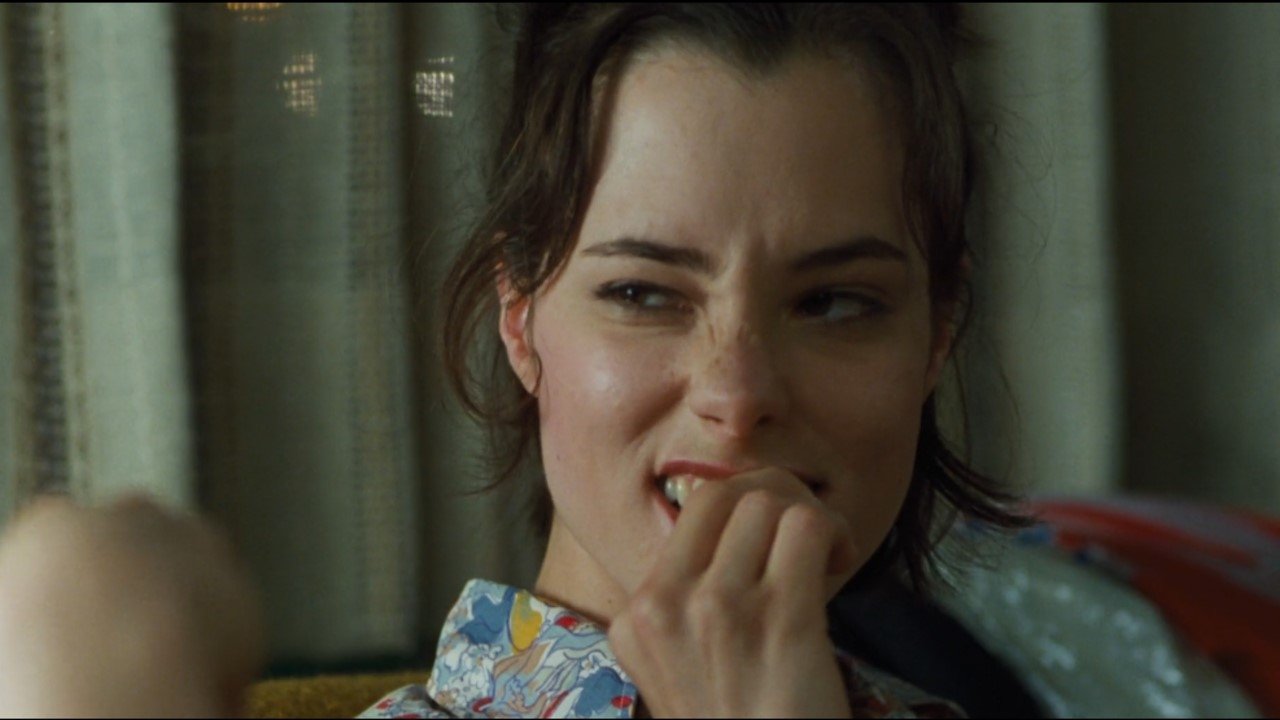
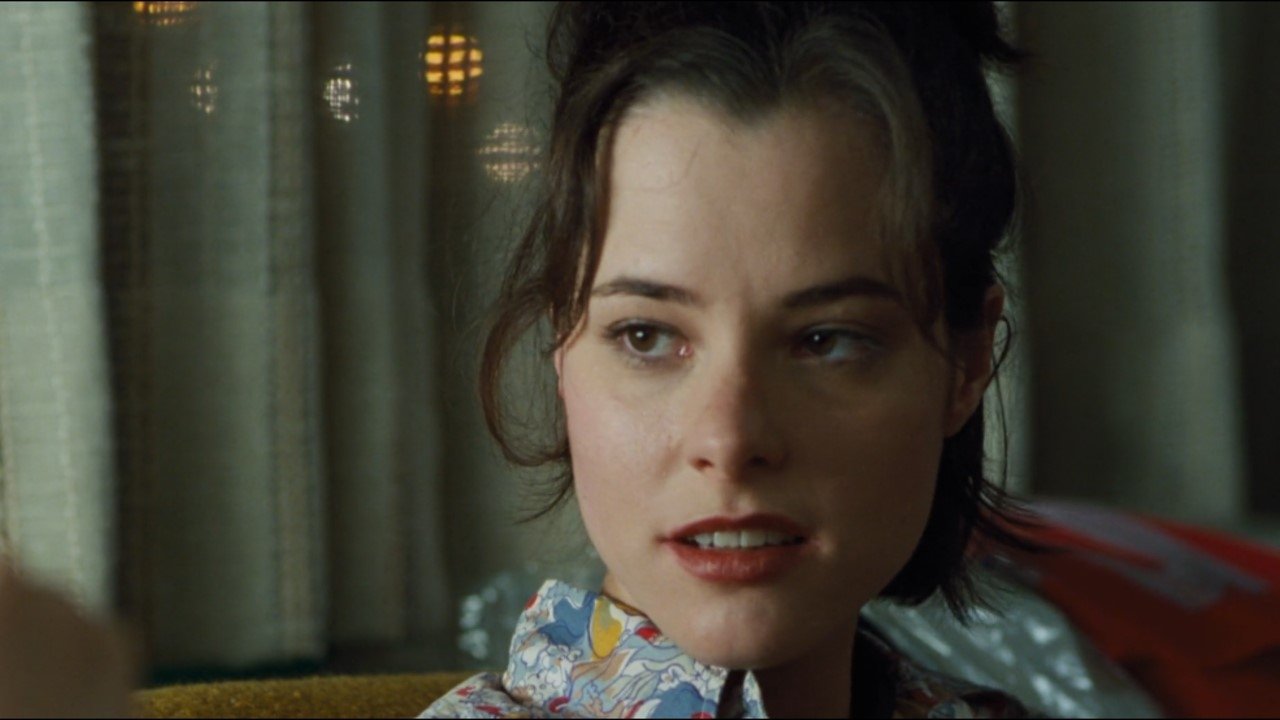
The performances are the film's beating heart. Collette's Iris is our anchor, her quiet observations and yearning for belonging making the corporate indifference feel personal. Posey crackles with defiant wit, masking a deeper vulnerability beneath her sarcastic armor. It's a role that feels tailor-made for her particular brand of charismatic disaffection, seen in films like Party Girl (1995). Kudrow, stepping away from Phoebe Buffay, delivers a nuanced portrayal of someone whose desperate need for validation makes her both pitiable and slightly unnerving. And Ubach captures the tragicomedy of Jane’s forced optimism. Their chemistry feels authentic – the shared glances, the inside jokes, the sudden betrayals – reflecting the complex dynamics that form under duress.
Retro Fun Facts: Indie Spirit and Office Reality
Clockwatchers emerged from the vibrant American indie scene of the mid-90s, premiering at Sundance in 1997. Its genesis lies in the Sprecher sisters' own experiences working temp jobs, lending the film an undeniable ring of truth. That lived experience shines through in the pitch-perfect dialogue and situational details.
- Casting Coup: Securing the cast was key. Parker Posey was already an indie icon, while Toni Collette had international acclaim from Muriel's Wedding (1994). Getting Lisa Kudrow amidst her Friends mega-stardom added significant profile, showcasing her willingness to tackle different material.
- Budgetary Constraints, Authentic Look: Made for a reported $1 million (a tiny sum even then, maybe around $1.9 million today), the film expertly uses real office park locations, turning budget limitations into an asset that enhances the sense of sterile realism. No Hollywood gloss here.
- Critical Acclaim vs. Box Office: While lauded by critics for its intelligence and performances (holding strong positive scores retrospectively), Clockwatchers sadly didn't find a wide audience initially, grossing just over $500,000. It’s a classic case of a film finding its devoted following later, particularly on VHS and DVD – a true "VHS Heaven" discovery for many.
- Unresolved Mystery: The decision to leave the thief's identity ambiguous was deliberate, reinforcing the theme that in such an impersonal system, individual actions and motivations can become lost or misinterpreted. The focus remains on the impact on the group dynamic.
Beyond the Punch Clock
The film explores potent themes that linger long after the credits roll. It’s a poignant look at the search for identity and connection within dehumanizing systems. What happens to our sense of self when our worth is measured solely by our productivity or compliance? How do we maintain authenticity when the environment demands conformity? These questions, rooted in the specific anxieties of 90s corporate culture, feel remarkably relevant today, perhaps even more so in the age of gig economies and remote surveillance. Clockwatchers isn't just about temps; it's about the universal struggle to be seen and valued in impersonal spaces.
Rating: 8/10
This rating reflects the film's exceptional ensemble cast, its pitch-perfect atmospheric capture of workplace ennui, and its intelligent, subtle script. Jill Sprecher's direction is assured and insightful, creating a mood piece that resonates deeply despite its low-key approach. It might lack explosive drama, but its quiet power and observational acuity are precisely its strengths, earning its place as a standout indie gem from the 90s.
Clockwatchers remains a poignant, funny, and ultimately melancholic time capsule – a reminder of the quiet battles fought daily in the beige cubicles of the world, and the enduring human need for connection, even when the clock is ticking.