Okay, settle in, maybe pour yourself something warm. We're not diving into the neon-drenched action or synth-heavy thrillers today. Instead, let's dim the lights and revisit a film that arrived on VHS shelves in the late 90s carrying not the scent of popcorn, but the weight of unspoken truths and the heat of controversy. I'm talking about Deepa Mehta's Fire (1997), a film that smolders with quiet intensity long before it bursts into flame.
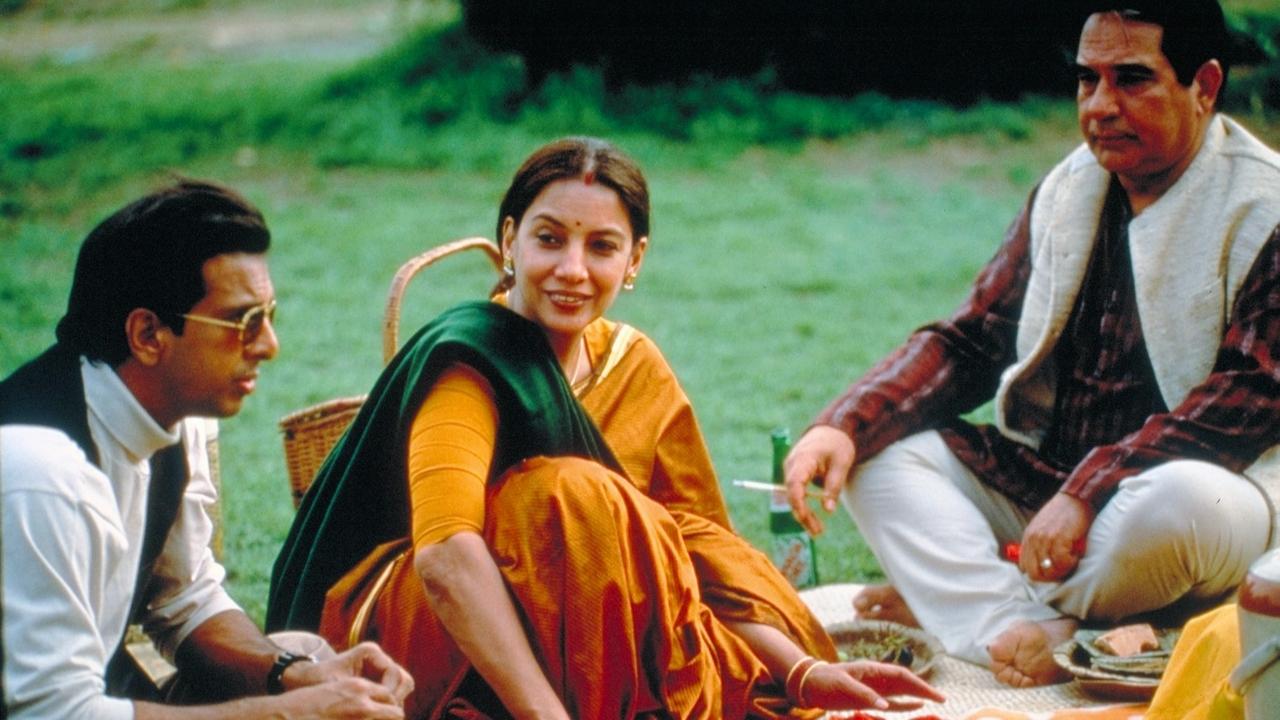
Remember wandering those video store aisles, past the familiar blockbuster covers? Sometimes, you'd stumble upon something different, something with cover art that promised a story rather than spectacle. Fire, with its evocative title and غالباً featuring the striking faces of its leads, was one such tape. It felt important, even if you didn't quite know why at first. And picking it up… well, that was an act of cinematic curiosity rewarded with a deeply affecting experience.
A Household Held Breath
The film draws us into the heart of a middle-class Hindu family household in Delhi. It’s a world steeped in tradition, duty, and the quiet hum of daily routine. We meet Radha (Shabana Azmi, an absolute titan of Indian cinema), trapped in a lonely, celibate marriage for 15 years to Ashok (Kulbhushan Kharbanda), a man who has chosen spiritual purity over earthly connection, much to Radha's silent despair. Into this meticulously maintained, yet emotionally arid environment, comes Sita (Nandita Das, in a star-making performance), the vibrant young newlywed bride of Ashok’s brother, Jatin (Jaaved Jaffrey). Jatin, however, remains devoted only to his Chinese girlfriend, leaving Sita feeling adrift and undesired almost immediately.
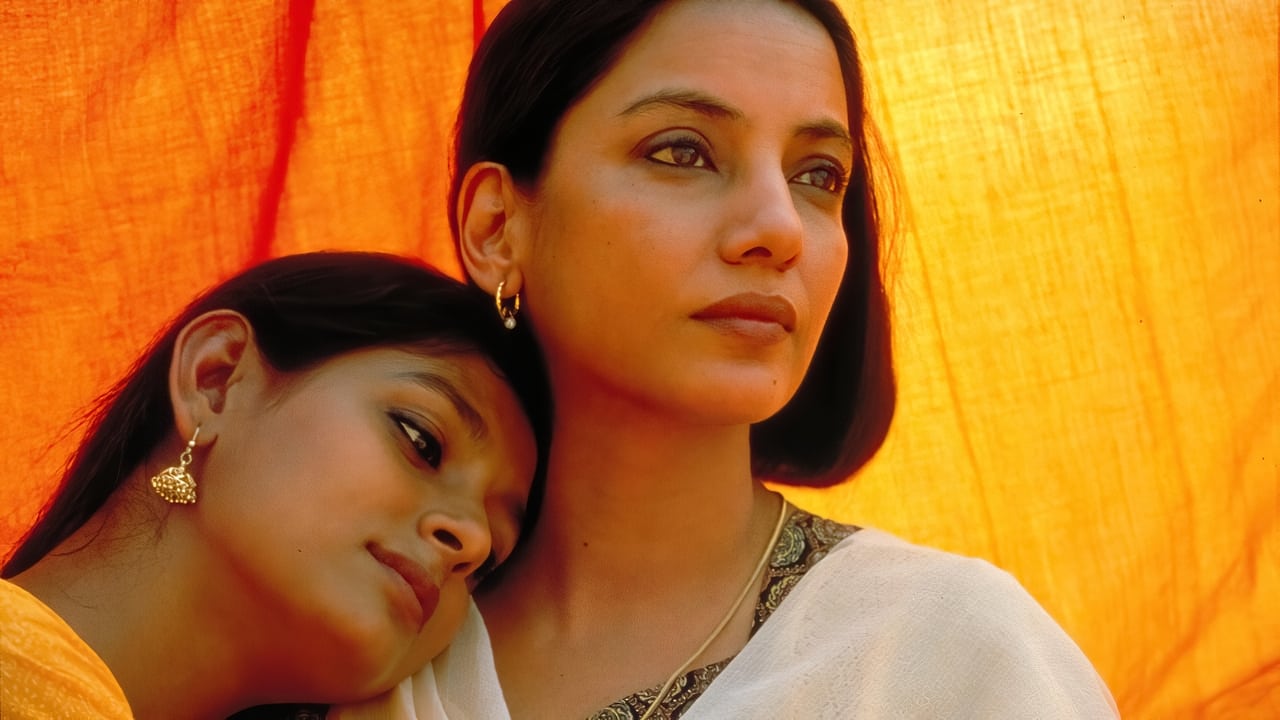
What unfolds isn't a story driven by explosive events, at least not initially. Instead, Mehta, who also wrote the screenplay, crafts a meticulous study in shared loneliness. The camera often lingers within the confines of the family home and shop, making us feel the claustrophobia, the weight of expectation, and the subtle, suffocating routines that define Radha and Sita’s lives. It's in the shared glances, the tentative gestures of support, and the gradual collapsing of formal barriers between the two sisters-in-law that the film finds its profound power.
The Unspoken Language of Connection
The performances here are nothing short of extraordinary. Shabana Azmi portrays Radha with a heartbreaking blend of resignation and flickering hope. Her face is a landscape of suppressed longing, duty etched into her features, yet capable of expressing volcanic emotion with the slightest shift in expression. You see years of quiet endurance in her posture, making her eventual awakening all the more powerful. Nandita Das, then a relative newcomer, is luminous as Sita. She brings a youthful energy tinged with disillusionment, her initial attempts to conform gradually giving way to a desperate need for genuine affection.
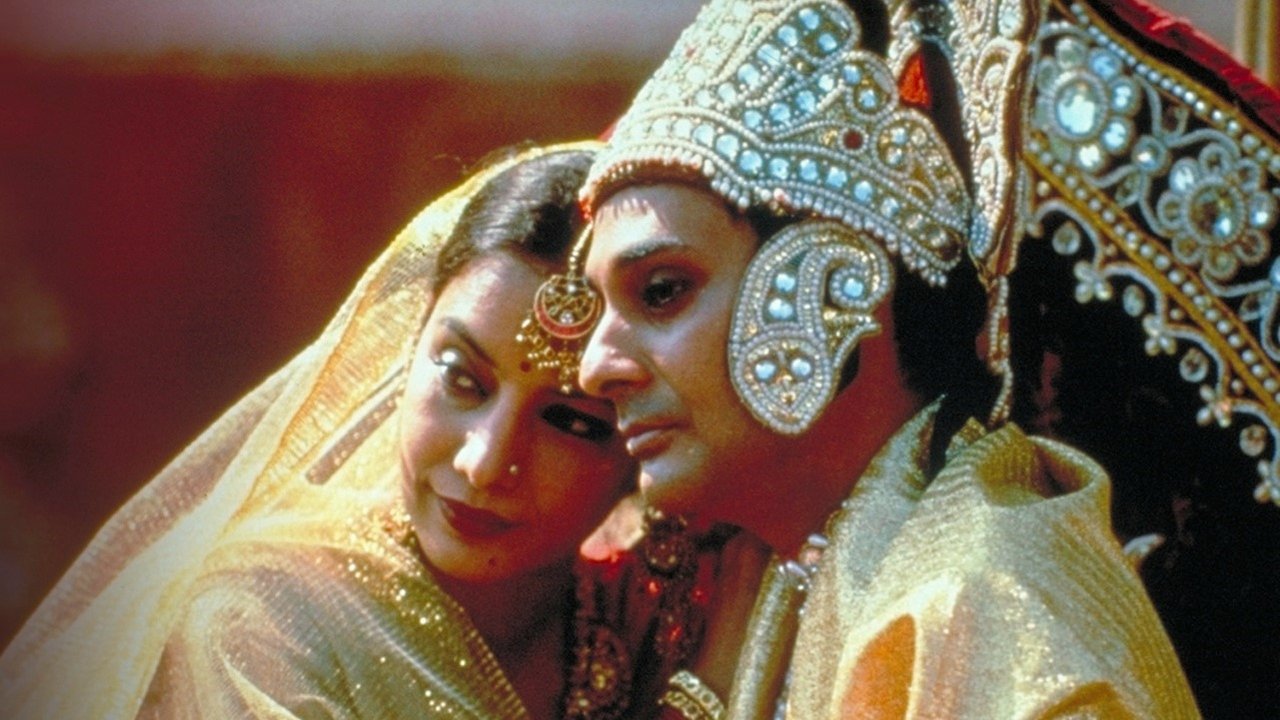
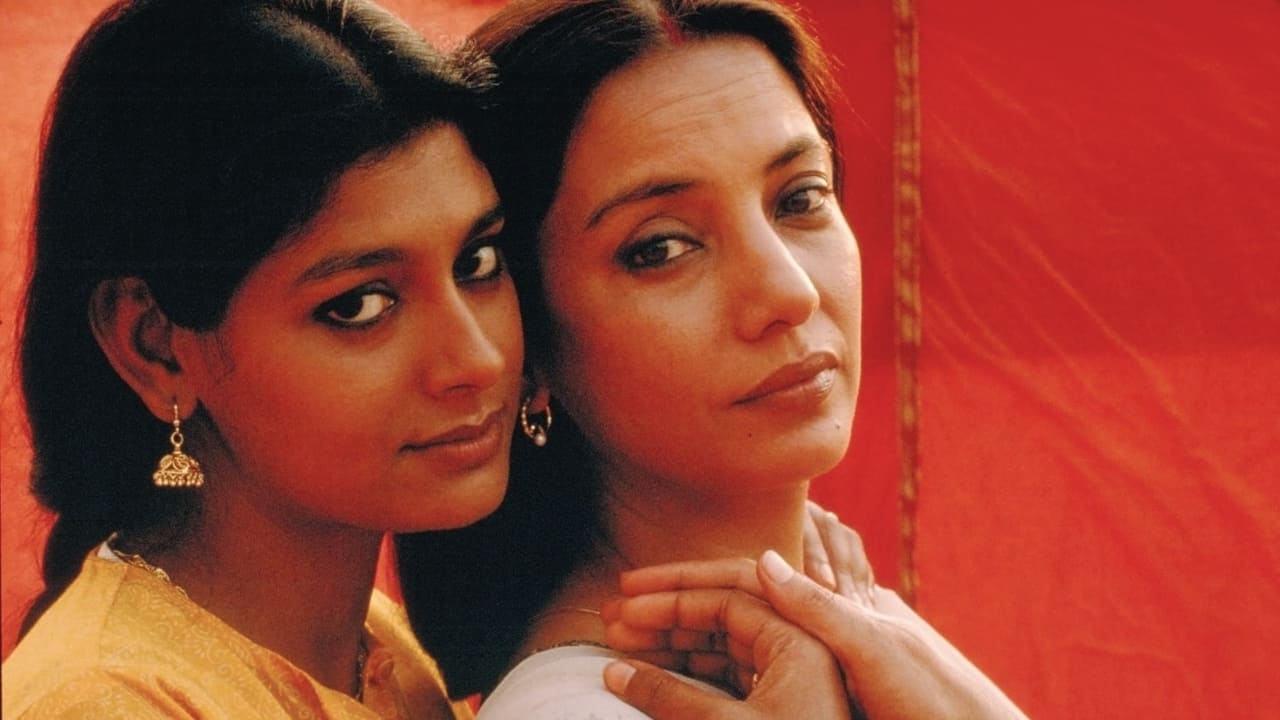
Their chemistry is the film's pulsing core. It develops organically, built on empathy and mutual understanding long before it deepens into physical intimacy. Mehta films their growing bond with sensitivity and grace, focusing on the emotional connection that precedes the physical. There are moments of shared laughter, quiet confessions whispered in confidence, and the simple comfort of presence that speak volumes more than any grand declaration. Even Kulbhushan Kharbanda delivers a nuanced turn as Ashok, not merely a villain, but a man lost in his own form of detachment, his choices inflicting pain he seems barely capable of recognizing.
Courage Under Fire: Controversy and Context
It’s impossible to discuss Fire without acknowledging the firestorm it ignited upon its release in India. Depicting a lesbian relationship, even with the sensitivity and humanism Mehta employed, was deeply provocative in the socio-cultural landscape of 1997 India. The film faced fierce protests from conservative groups, accusations of corrupting Indian culture, censorship battles, and even vandalism of cinemas showing it. Right-wing activists argued furiously that lesbianism was alien to Indian tradition – a claim starkly contradicted by the very existence of the desires the film explored.
This context is crucial. Making Fire was an act of immense courage, both for Deepa Mehta and for her cast, particularly Azmi and Das, who faced significant backlash for portraying these characters. It wasn't merely a drama; it became a cultural flashpoint, forcing conversations about sexuality, tradition, and women's agency into the mainstream public sphere in India in a way few films had before. It's the first installment in Mehta's acclaimed 'Elements Trilogy', followed by Earth (1998) and the long-delayed, equally controversial Water (2005), each exploring different facets of social constraint and human resilience in the subcontinent. Finding a film like this on VHS, especially knowing the real-world struggle surrounding its existence, felt like discovering a piece of vital, urgent art.
Why It Still Burns Bright
Beyond the controversy, Fire endures because its themes are universal and timeless. It’s a profound meditation on loneliness, the human need for connection, and the courage it takes to defy societal expectations in pursuit of personal truth. Does the weight of tradition still stifle individual desire? Do societal structures still isolate and marginalize? Watching Radha and Sita find solace in each other amidst the indifference of their husbands raises questions about love, duty, and the definition of family that resonate far beyond its specific setting. Mehta's direction is patient, allowing the emotional weight to build naturally, making the eventual release feel earned and deeply moving.
Rating: 9/10
Fire is an exceptional piece of filmmaking. Its power lies in its quiet intensity, its superb performances, and its courageous exploration of taboo subjects. The direction is assured, the writing is sensitive, and the emotional core is profoundly resonant. While perhaps not a typical 'fun' VHS night pick, its inclusion on the shelf represented the potential of the format to bring challenging, important world cinema into our living rooms. The 1-point deduction acknowledges that its deliberate pacing might test some viewers expecting a faster narrative, but this pacing is integral to its impact.
It’s a film that stays with you, prompting reflection on the quiet prisons we build for ourselves and others, and the sparks of rebellion that can ignite in the most unexpected places. What lingers most is the enduring image of two women finding not just passion, but personhood, in each other's company – a testament to the enduring power of human connection against formidable odds.