Incognito
Okay, fellow travelers down the magnetic tape memory lane, let's dust off a title that might not leap immediately to mind but certainly holds a certain late-90s intrigue: 1997's Incognito. This wasn't the kind of film splashed across every magazine cover, more like a discovery tucked away in the "Thriller" section, promising European sophistication mixed with high-stakes crime. It poses a fascinating question right from the start: what drives someone to replicate genius, and what happens when the replica becomes dangerously real?

The Allure of the Flawless Fake
Incognito centers on Harry Donovan, played with a coiled intensity by Jason Patric. Donovan isn't just any artist; he's a master forger, capable of mimicking the titans of art history with uncanny precision. He operates under a strict code – he only replicates the masters, never creating original work under their names, a fine line he believes keeps him ethically... well, less compromised. But when powerful, unscrupulous dealers offer him a life-changing sum ($500,000 – a hefty chunk of change back then, roughly equivalent to over $950,000 today) to forge a lost Rembrandt, the temptation proves too great. It’s a setup that instantly pulls you in, tapping into that age-old fascination with the perfect crime and the shadowy, high-stakes world of fine art.
Director John Badham, a filmmaker whose name likely conjures up memories of vastly different fare like Saturday Night Fever (1977), WarGames (1983), or Short Circuit (1986), brings a steady, professional hand to the proceedings. He crafts a film that feels polished, leveraging picturesque European locations – Paris, Amsterdam, London – to create a backdrop that’s both beautiful and vaguely menacing. There's a slickness here, characteristic of many 90s thrillers, that feels comfortable, like slipping on a familiar leather jacket.
Painting Under Pressure
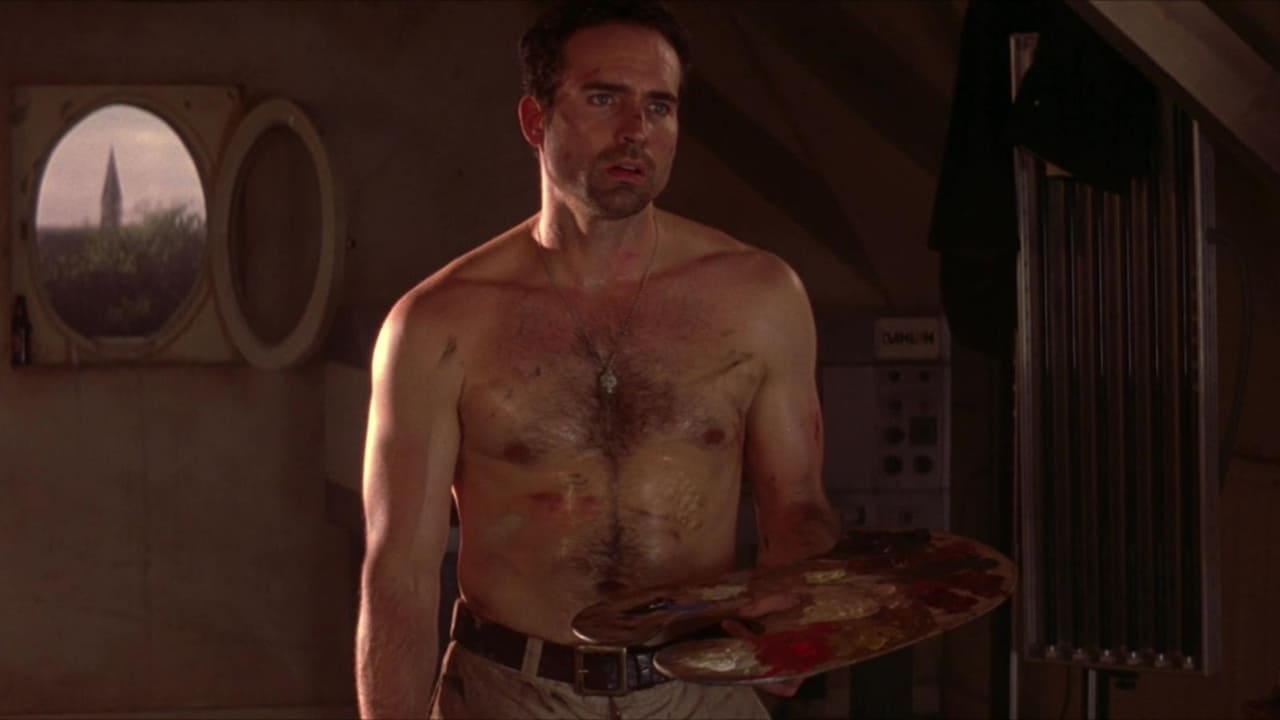
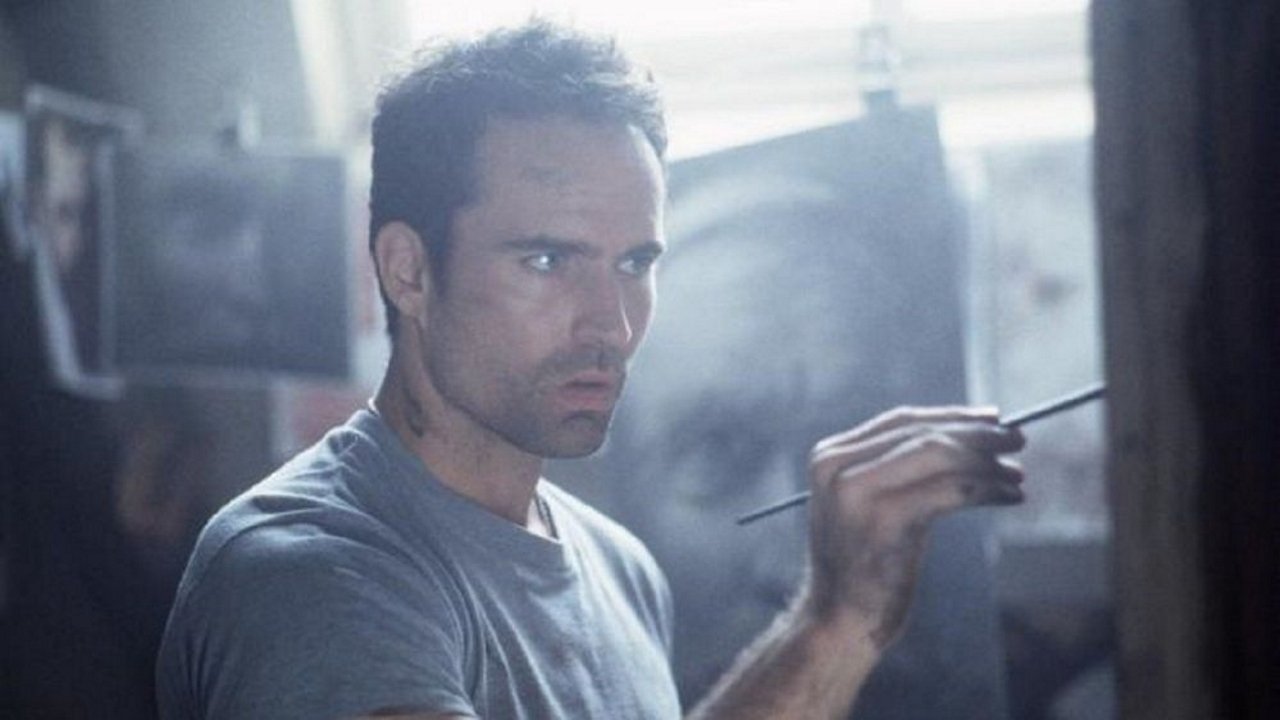
What elevates Incognito above a standard paint-by-numbers thriller (pun intended) is its dedication to the process. The film spends considerable time showing Donovan meticulously researching Rembrandt's techniques, sourcing period-accurate materials (down to grinding his own pigments), and painstakingly recreating the master's touch. Apparently, Patric himself took painting lessons to lend authenticity to these scenes, and it shows. You get a genuine sense of the obsessive skill involved, the almost mystical connection the forger feels to the original artist. It’s these sequences, watching Donovan labour under immense pressure, that are often the most compelling. Was the depiction entirely accurate? Maybe not to a museum curator, but for cinematic purposes, it felt convincing enough to sell the premise, making the forgery feel less like a plot device and more like a character in itself.
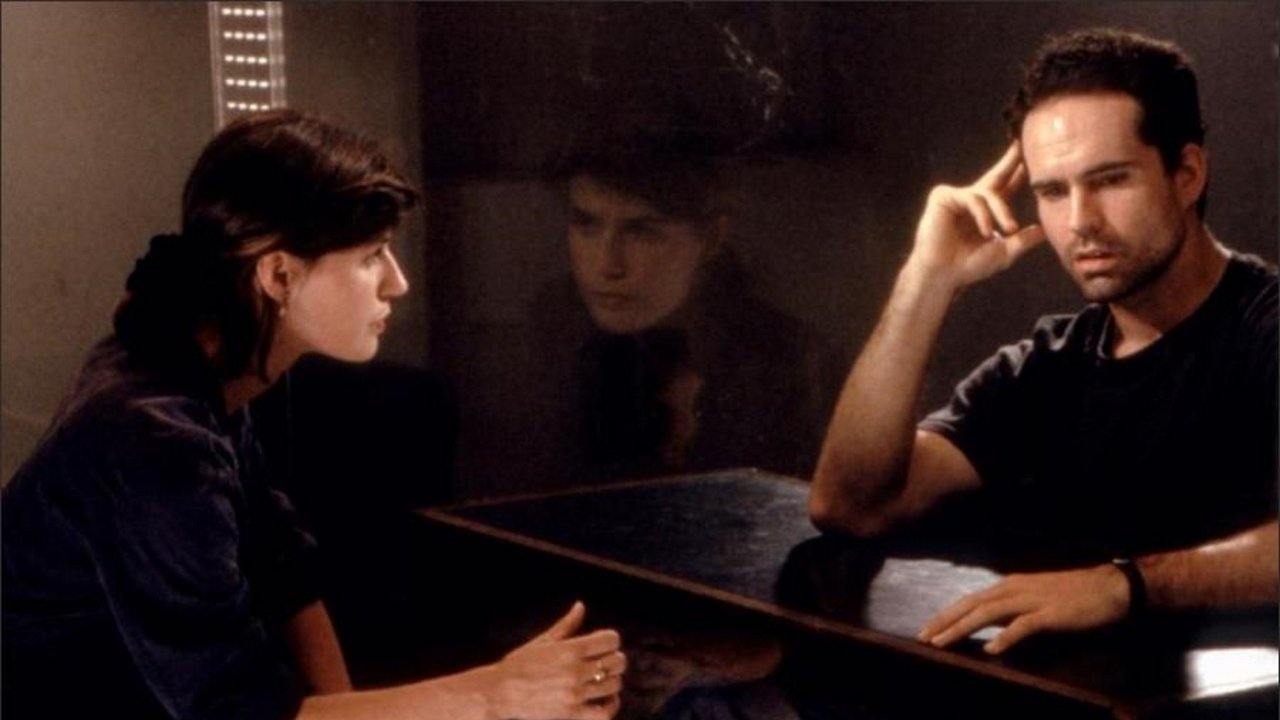
Jason Patric carries the film with a performance that’s brooding and often internal. His Donovan is arrogant, confident in his talent, yet visibly fraying under the weight of his deception and the danger closing in. He’s not always likable, but he’s consistently engaging. Opposite him is Irène Jacob as Marieke, an art expert enlisted to authenticate the "lost" Rembrandt. Jacob, who captivated audiences in Krzysztof Kieślowski's stunning Three Colors: Red (1994), brings an intelligence and quiet allure to the role. Her initial skepticism towards Donovan and the painting slowly evolves, adding a layer of romantic tension that complicates the central con. Their chemistry feels grounded, less Hollywood fireworks and more a tentative connection forged in suspicion and shared artistic appreciation.
Retro Fun Facts & Production Polish
- Expert Eye: The filmmakers reportedly consulted with actual art restorers and forgery experts, including the renowned Jacques Franck, to ensure the technical details of the painting process looked as authentic as possible on screen.
- Location, Location, Location: Shooting across multiple European capitals wasn't just for show; it grounds the narrative in the real art world hubs, adding a layer of verisimilitude that studio backlots couldn't replicate. Badham uses these settings effectively to enhance the film's sophisticated, slightly chilly atmosphere.
- Heavyweight Cameos: Keep an eye out for brief but memorable appearances by screen legends Rod Steiger and Ian Richardson as the ruthless art dealers pulling the strings. Their presence adds considerable gravitas.
- Budget vs. Box Office: Made for around $30 million, Incognito unfortunately didn't make much of a splash commercially. It became one of those solid rentals people discovered rather than a multiplex hit, perhaps contributing to its slightly overlooked status today.
- Script Origins: This remains the sole major screenplay credit for writer Jordan Katz, making it something of a cinematic one-hit wonder in the writing department.
Authenticity in a World of Copies
Beyond the mechanics of the plot – the forgery, the setup, the inevitable double-crosses and chase sequences – Incognito gently probes themes of identity and authenticity. Is Donovan’s skill any less valid because it mimics rather than originates? What constitutes true value in art – the history, the artist, or the object itself? The film doesn't offer easy answers, letting these questions linger beneath the surface of the thriller plot. It’s this subtle thematic undercurrent, combined with the detailed depiction of the craft, that stays with you more than the specific plot twists, which, admittedly, can feel a touch predictable if you’ve seen your share of 90s crime flicks.
The film's climax involves a clever courtroom demonstration, a satisfying payoff that relies on Donovan's unique skills rather than just brute force or luck. It speaks to the film's core interest: the power inherent in meticulous craft, whether used for creation or deception.
Conclusion
Incognito isn't a groundbreaking masterpiece, but it's a thoroughly well-crafted and engaging thriller that feels distinctly of its time – polished, intelligent, and featuring a strong central performance. It treats its subject matter with respect, offering a fascinating glimpse into the world of art forgery, wrapped in a tense cat-and-mouse narrative. For fans of smart 90s thrillers, European settings, and Jason Patric's particular brand of understated intensity, it’s a rewarding watch that likely flew under the radar for many. It doesn’t shout, but it holds your attention with quiet confidence.
Rating: 7/10
Justification: The film scores points for its compelling premise, Patric's committed performance, the fascinating detail in the forgery sequences, and Badham's slick direction utilising atmospheric European locations. It loses a few points for a plot that adheres somewhat closely to thriller conventions and doesn't always surprise. However, its strengths make it a solid and enjoyable entry in the 90s thriller canon, definitely worth digging out of the virtual bargain bin.
Final Thought: In an era saturated with digital trickery, there's something captivating about watching a film focused on the painstaking, analogue craft of deception – a reminder that sometimes the most convincing illusions are built by hand.