Leave It to Beaver
Stepping into the Cleaver household in 1997 felt a bit like finding a perfectly preserved black-and-white photo tucked inside a neon Trapper Keeper. Universal Pictures took a gamble bringing one of television's most iconic, Eisenhower-era families into the decidedly more complex landscape of the late 90s with Leave It to Beaver. Directed by sitcom veteran Andy Cadiff (known for helming episodes of Home Improvement and Spin City), and penned by Brian Levant (who had experience adapting classics with 1994's The Flintstones) and Lon Diamond, the film aimed to capture the wholesome charm of the original while navigating a world of skateboards, computers, and slightly more modern anxieties. Did it succeed? Well, gee, Wally, that's kind of complicated.
Mayfield in Full Color
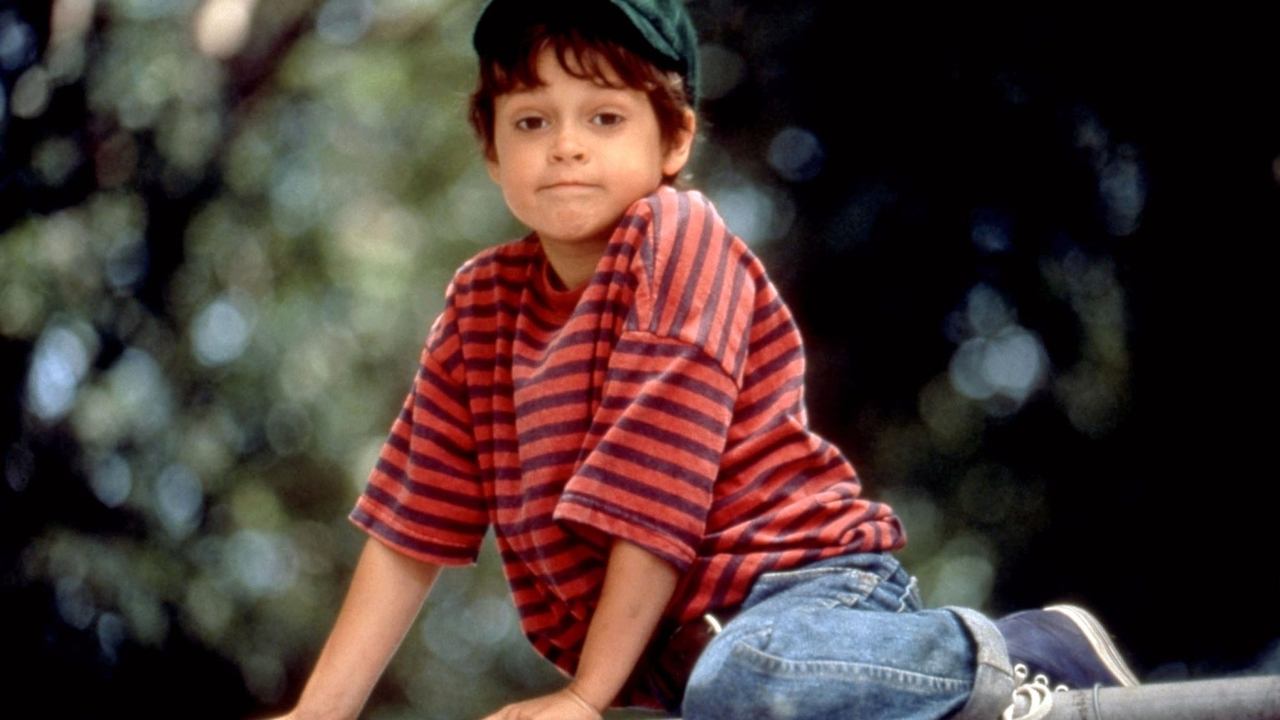
The film essentially retells familiar Cleaver scenarios, updated for a new generation. Young Theodore "Beaver" Cleaver (Cameron Finley, who had previously appeared in What's Eating Gilbert Grape) desperately wants a new bike. Through a series of misunderstandings, typically instigated by the conniving Eddie Haskell Jr. (Adam Zolotin), Beaver finds himself in various comedic predicaments – joining the football team despite his lack of coordination, accidentally ending up in a giant teacup ride, and generally learning life lessons under the patient guidance of his parents, Ward (Christopher McDonald) and June (Janine Turner). Big brother Wally (Erik von Detten) navigates his own adolescent world, often caught between loyalty to his family and the pull of peer pressure.
It's familiar territory, presented with the bright, saturated look common to mid-90s family films. The core appeal remains the gentle humor derived from Beaver's earnest mistakes and the idealized suburban perfection of Mayfield. You can almost smell the freshly cut grass and June's cookies through the screen, even on a fuzzy VHS copy played on a chunky CRT.
Meet the New Cleavers (and Some Familiar Faces)
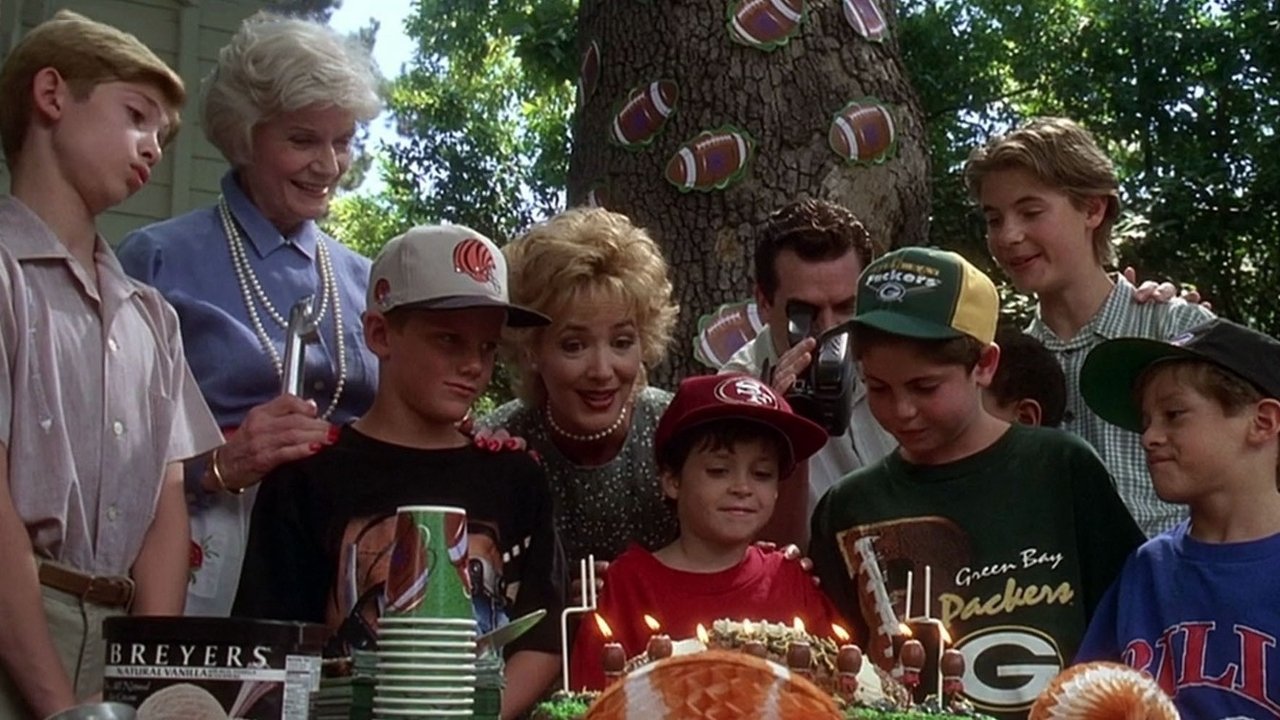
The casting was perhaps the most talked-about aspect. Christopher McDonald, often known for playing villains or arrogant blowhards like Shooter McGavin in Happy Gilmore (1996), was an interesting, slightly against-type choice for the patient, pipe-smoking Ward Cleaver. He brings a certain warmth, though perhaps lacks the inherent gravitas of Hugh Beaumont. Janine Turner, then a major TV star from Northern Exposure, steps into Barbara Billingsley's pearls as June. She embodies the supportive, impeccably dressed matriarch well, though the script doesn't give her much beyond classic June Cleaver reactions. Cameron Finley is suitably wide-eyed and earnest as the Beav, capturing the character's innocent naivete.
One of the genuine delights for fans of the original series was the inclusion of cameos. Seeing Barbara Billingsley (the original June) appear as Aunt Martha, Ken Osmond (the original Eddie Haskell) playing Eddie Sr., and Frank Bank (the original Lumpy Rutherford) as Frank Sr. provides lovely little moments of connection across the decades. It was a smart touch, acknowledging the show's legacy for the parents and grandparents likely bringing kids to see this version.
Updating a Classic: Hits and Misses
Bringing the Cleavers into the 90s presented inherent challenges. While the film retains the original's gentle spirit, some attempts to modernize feel a bit forced. The core themes – honesty, responsibility, family support – remain timeless, but the specific situations sometimes feel like square pegs in round holes. The plot points often mirror classic episodes ("The Haircut," "Captain Jack," elements of "The Pipe"), but translating them to a 1997 setting doesn't always feel organic.
Despite its good intentions, the film didn't exactly set the world on fire. On a likely modest budget (figures are hard to pin down, but typical for the genre then), it pulled in around $32.4 million worldwide. Critically, it faced a lukewarm reception, currently holding a rather unfortunate 19% on Rotten Tomatoes and a 5.1/10 on IMDb. Many felt it was perhaps too sweet, too slight, and couldn't quite recapture the specific magic of the original TV show, which was very much a product of its time. Director Andy Cadiff brought his TV comedy timing, but the transition to a feature film felt a little like an extended sitcom episode.
Retro Fun Facts
- The movie was filmed primarily around Los Angeles, using locations in Studio City and Universal Studios itself to recreate the idyllic Mayfield.
- Finding the right "Beaver" was crucial. Cameron Finley reportedly beat out hundreds of other young actors for the part.
- The film's tagline, "Times change. Family doesn't," neatly summarized its central premise and marketing push.
Still Worth a Rental Rewind?
Watching Leave It to Beaver today is a curious experience. It’s undeniably a product of the mid-90s family film boom – earnest, brightly lit, and relatively uncomplicated. It lacks the sharp wit or cultural resonance of the original series, and compared to some other 90s kid classics, it feels decidedly gentle, almost quaint. Yet, there's a certain nostalgic charm to its straightforwardness. It’s like comfort food cinema – not particularly challenging or memorable, but warm and familiar. You won't find biting satire or complex character arcs here, just a simple story about a kid trying his best and a family that loves him.
For those who grew up with the original, it's a mildly interesting curiosity. For those who were kids in the 90s, it might evoke a specific feeling of simpler moviegoing days, renting a tape for a quiet afternoon. It doesn't quite hit the highs of its television predecessor, nor does it stand out as a landmark 90s film.
VHS Heaven Rating: 5/10
Why this score? The film earns points for its earnest heart, game cast (especially the fun cameos), and its attempt to bring wholesome family entertainment back, even if awkwardly. However, it loses points for feeling somewhat bland, failing to fully justify its existence beyond nostalgia, and lacking the genuine magic or sharp writing of the original show or better family films of the era. It's perfectly watchable, but ultimately forgettable.
Final Thought: Gee, watching this movie again is like finding an old family photo album from the 90s – sweet, a little dated, but guaranteed to bring a faint, slightly puzzled smile.
You Might Also Enjoy
Beethoven
1992
It's Christmastime Again, Charlie Brown
1992
The Mighty Ducks
1992
The Muppet Christmas Carol
1992
To Grandmother's House We Go
1992
Beethoven's 2nd
1993
Dennis the Menace
1993
Homeward Bound: The Incredible Journey
1993
Life with Mikey
1993
Look Who's Talking Now!
1993
Mr. Nanny
1993
Mrs. Doubtfire
1993
Rookie of the Year
1993
Sune's Summer
1993