Les Démons de Jésus
There’s a certain kind of raw, unfiltered energy that pulsed through some corners of 90s independent cinema, a feeling that rules were being rewritten, or perhaps just gleefully ignored. It’s an energy you feel crackling from the very first frames of Bernie Bonvoisin’s audacious 1997 directorial debut, Les Démons de Jésus (The Demons of Jesus). Forget gentle carols and snow-dusted cottages; the festive season in Bonvoisin's world arrives soaked in cheap wine, simmering resentments, and the kind of dark humour that catches in your throat. This wasn't the sort of film you'd typically find nestled between Hollywood blockbusters at the video store; stumbling upon it felt like uncovering something potent, maybe even a little dangerous.
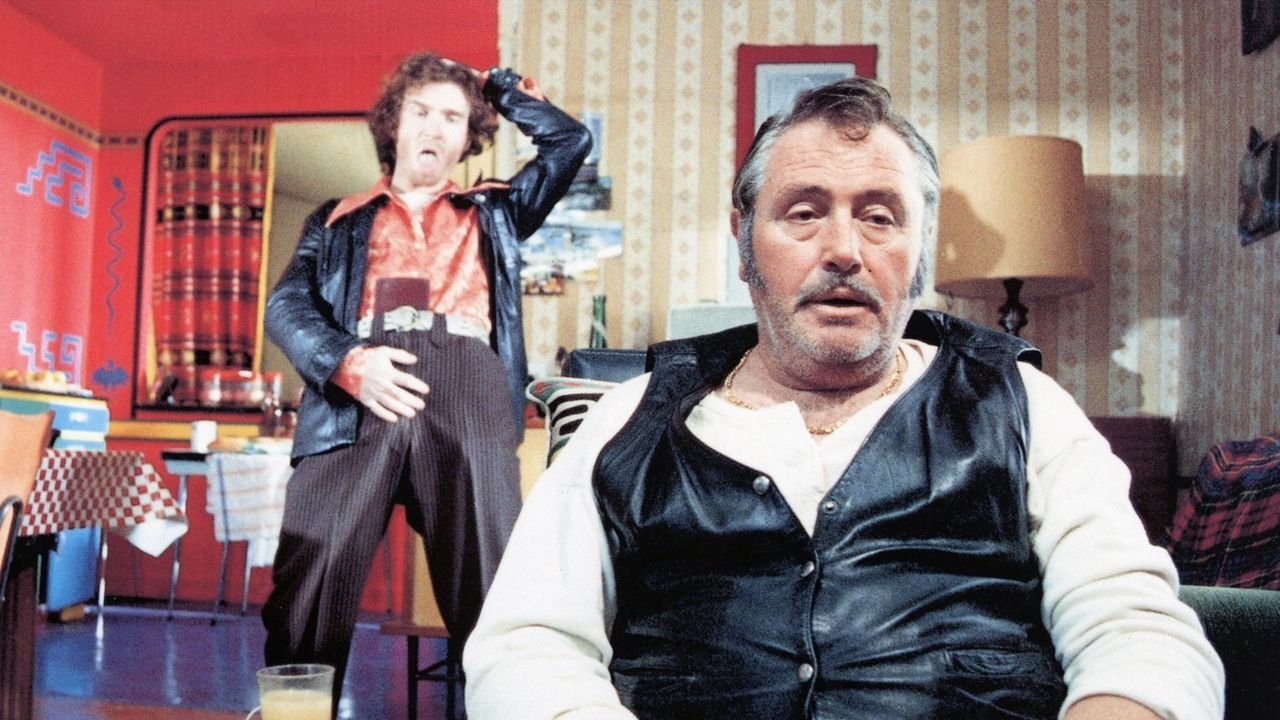
A Christmas Unlike Any Other
The film plunges us headfirst into the chaotic lives of the Briard family, a Romani (Gitan) clan living on the fringes of French society. It’s Christmastime, but the air isn’t filled with cheer. Instead, the family patriarch, Jésus, lies dead. His passing triggers not so much quiet mourning as an explosion of long-buried tensions, rivalries, and barely concealed desperation amongst his five grown sons and their extended family. What follows is a volatile mix of social realism, pitch-black comedy, and almost surreal family drama, all unfolding against a backdrop that feels both intimately specific and uncomfortably timeless.
From Rock Stage to Director's Chair
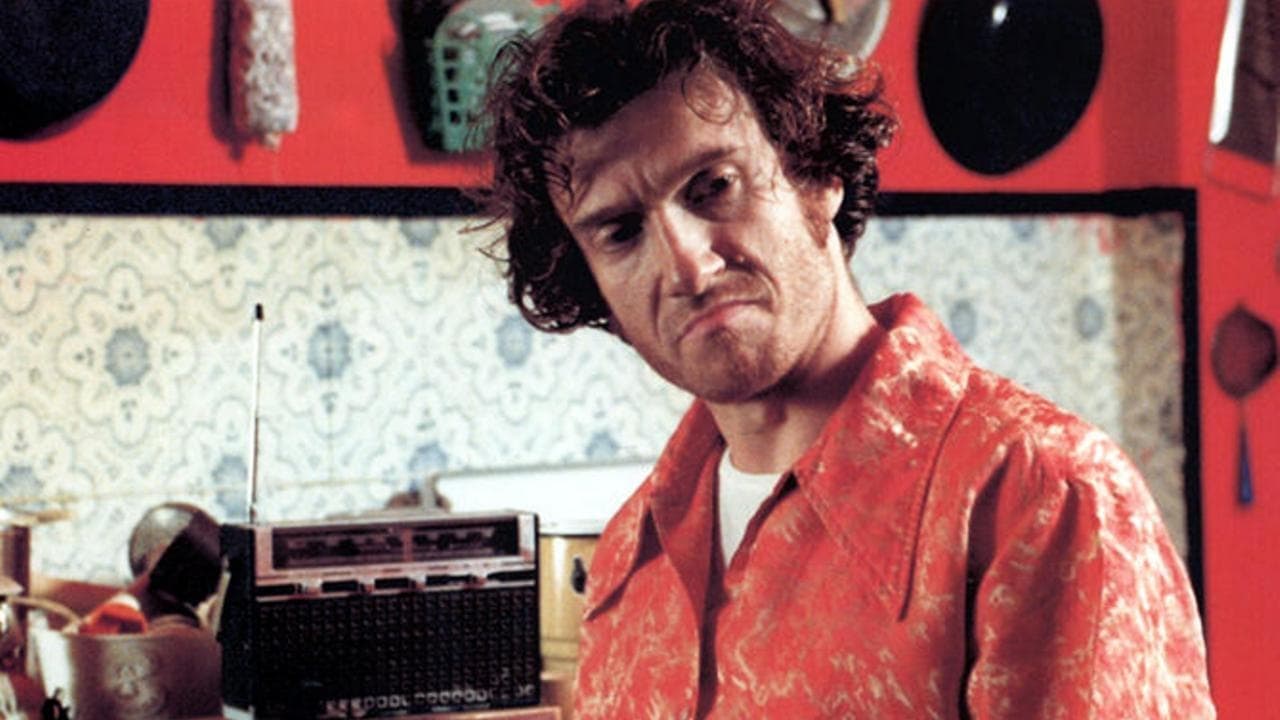
You can almost hear the driving riffs of Trust, the legendary French hard rock band Bernie Bonvoisin fronted, echoing in the film’s restless spirit. His transition from rock icon to filmmaker wasn't just a curiosity; it informs the entire piece. There's a confrontational quality here, a refusal to sand down the rough edges or offer easy answers. Bonvoisin, who also penned the screenplay, crafts a world that feels lived-in, if deeply dysfunctional. It’s a bold first feature, earning him a César Award nomination for Best First Feature Film – a significant nod, especially considering the film’s often abrasive nature and its polarizing reception among critics and audiences in France upon release. It pulled in around 380,000 admissions domestically, a respectable figure for such a challenging indie flick. One senses Bonvoisin wasn't aiming for universal appeal, but rather for a specific, visceral truth.
Faces Etched with Hardship and Humor
The ensemble cast is absolutely crucial to making this powder keg scenario believable, and they deliver performances brimming with raw authenticity. Thierry Frémont as Jeannot, the eldest son trying to impose some semblance of order (or perhaps just his own authority), carries a weary intensity. Patrick Bouchitey as Néné, the alcoholic philosopher of the family, provides moments of startling, often bleakly funny, insight amidst the chaos. Nadia Farès, playing Marie, brings a fiery resilience that feels essential to the film's core, a counterpoint to the often self-destructive masculinity surrounding her. Veterans like Victor Lanoux and the tragically departed Marie Trintignant add further weight in smaller but significant roles, each contributing to the tapestry of a family bound by blood but frayed by circumstance. There's no vanity in these performances; they are grounded, messy, and utterly compelling.
More Than Just Dysfunction
Beneath the shouting matches and the darkly comic escapades, Les Démons de Jésus digs into potent themes. It’s a film about identity – the complexities of being Romani in a society that often marginalizes or romanticizes without understanding. It tackles poverty, the corrosive effects of secrets, and the inescapable, often suffocating bonds of family. Does the film sometimes lean into stereotypes? Perhaps, and that was a point of debate upon its release. But it does so with an insider's eye, Bonvoisin himself having Romani heritage, presenting the community's struggles and resilience without apology or forced sentimentality. The title itself, "The Demons of Jesus," feels deliberately provocative, hinting at the internal conflicts and the clash between tradition, faith (however loosely held), and the harsh realities of their lives.
A Relic of Raw 90s Cinema
Watching Les Démons de Jésus today, perhaps on a worn-out VHS tape if you're lucky enough to have one, feels like accessing a different era of filmmaking. There's a certain fearlessness to its approach, a willingness to be unlikable and confrontational that feels increasingly rare. It's not always an easy watch; the humour is biting, the drama intense, and the atmosphere often bleak. I remember discovering films like this back in the day, often tucked away in the "World Cinema" section of the rental store – grainy, challenging alternatives to the mainstream fare. They didn't always offer comfort, but they invariably offered perspective, a window into lives and realities far removed from my own suburban existence. This film certainly does that. Bonvoisin reportedly ran an intense, passionate set, aiming to capture that volatile energy on screen, and it shows.
Rating: 7/10
This rating reflects the film's undeniable power and its courageous, if sometimes uneven, execution. The performances are uniformly strong, capturing the raw nerve of the characters, and Bonvoisin's direction announces a unique, albeit abrasive, voice. Its blend of brutal realism and black comedy is distinctive and memorable. However, its confrontational style and bleakness won't resonate with everyone, and the pacing occasionally stumbles amidst the chaos. It earns its points for sheer audacity, thematic weight, and unforgettable characters.
Les Démons de Jésus isn't a comfortable holiday film, nor is it a straightforward social drama. It’s a Molotov cocktail thrown into a family gathering, messy, explosive, and strangely illuminating. What lingers most isn't just the grit or the laughter caught in your throat, but the unsettling recognition of the demons – familial, social, personal – that haunt us all, regardless of the season.
You Might Also Enjoy
A League of Their Own
1992
Al lupo, al lupo
1992
All Ladies Do It
1992
Belle Époque
1992
Ciao, Professore!
1992
Dearest Relatives, Poisonous Relations
1992
Diggstown
1992
Hero
1992
House of Angels
1992
Husbands and Wives
1992
In the Soup
1992
Infelici e contenti
1992
Jamon Jamon
1992
La Vie de Bohème
1992