Mother and Son
Wandering the aisles of the local video rental palace, past the explosive action covers and grinning comedy stars, sometimes you stumbled into the quieter corners. The "Foreign" or "World Cinema" section, often sparsely populated but holding unexpected depths. It's there, perhaps tucked between more recognisable imports, you might have found a tape like Aleksandr Sokurov's Mother and Son (Мать и сын, 1997). A film that doesn't shout, but whispers profound truths about love, loss, and the passage of time, demanding a patience rewarded with staggering visual poetry. This wasn't your typical Friday night rental; this was something else entirely.
A Canvas of Grief and Devotion
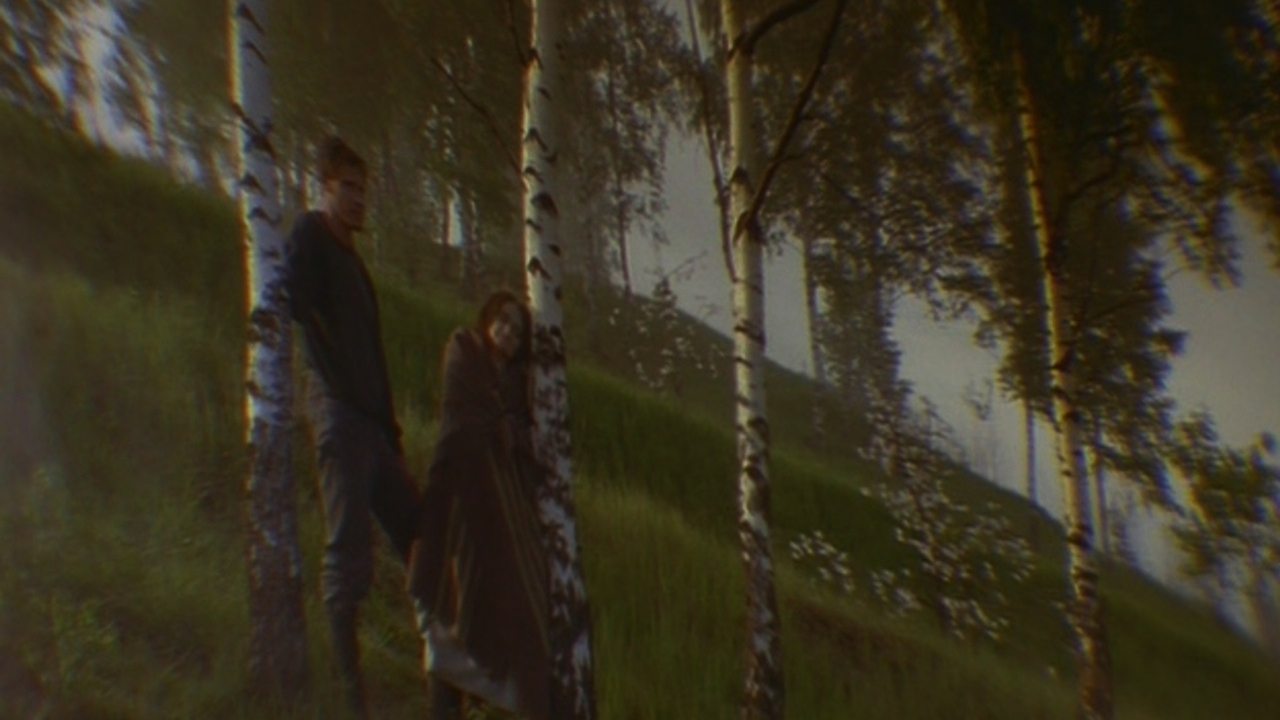
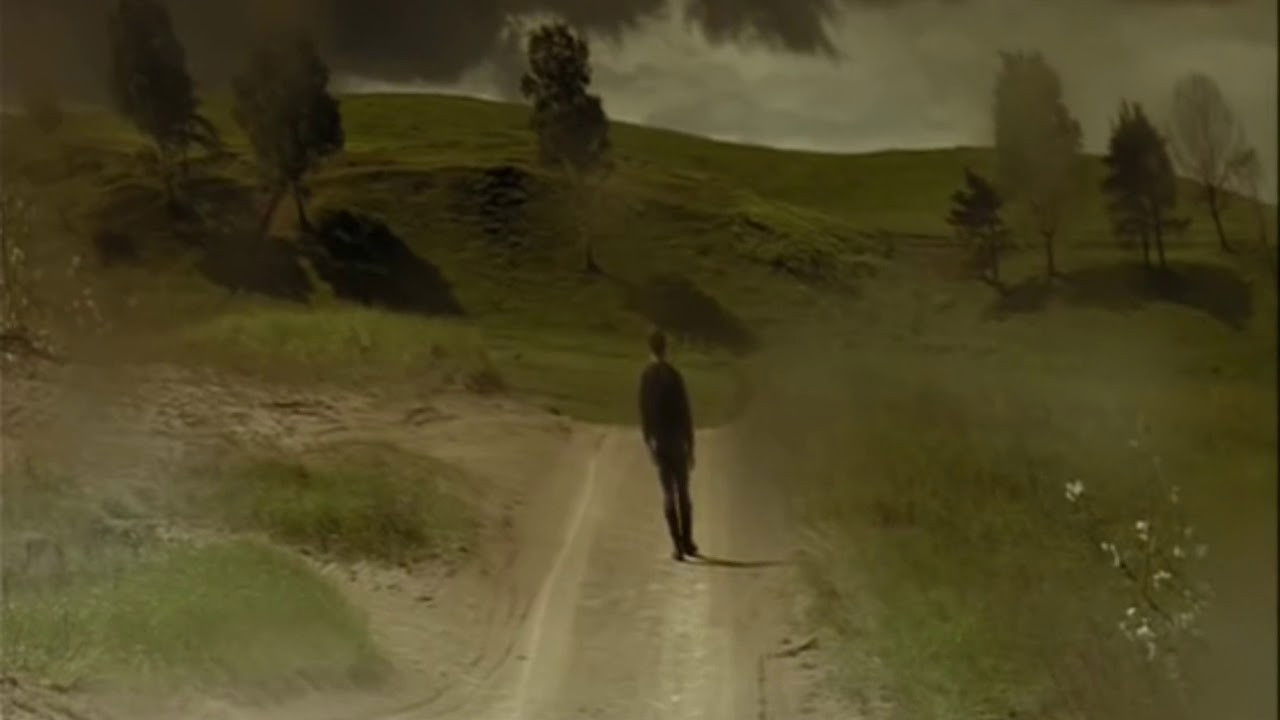
From its opening moments, Mother and Son declares itself as cinema operating on a different plane. The film possesses an almost impossibly simple premise: an adult Son (Aleksei Ananishnov) cares for his frail, dying Mother (Gudrun Geyer) in an isolated rural house. There's little in the way of conventional plot. Instead, we witness their interactions – gentle touches, shared silences, the Son carrying his Mother through dreamlike landscapes. It’s a film built on atmosphere, emotion, and Sokurov's astonishing visual language. Forget sharp focus and realistic perspectives; Sokurov, working with cinematographer Aleksei Fyodorov, employed custom-made lenses, perhaps even mirrors or specially treated glass plates placed before the camera, to deliberately distort the image. The effect is painterly, evoking the melancholic landscapes and elongated figures of German Romantic painters like Caspar David Friedrich. Fields stretch unnaturally, figures blend into the brooding skies, and the very fabric of reality seems warped by the weight of impending loss.
Beyond Dialogue: The Eloquence of Silence
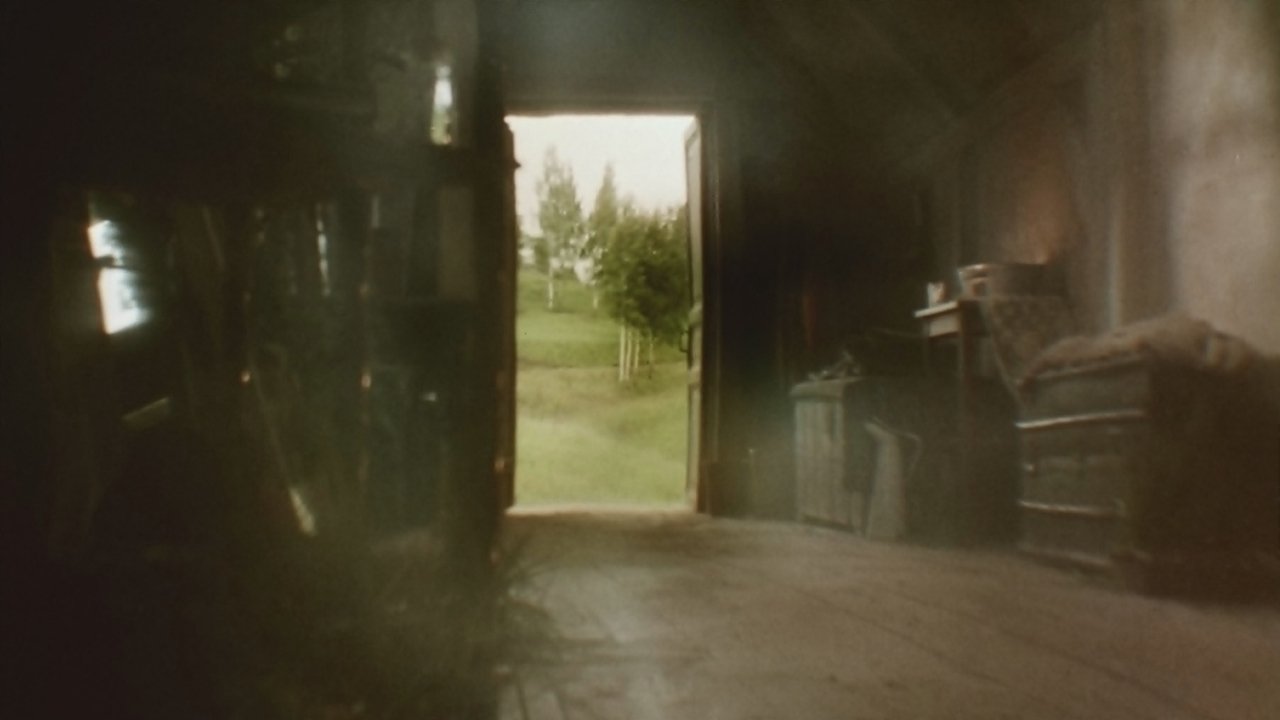
What strikes you immediately is the sparseness of dialogue. Communication happens through gesture, gaze, and the simple act of being present. Gudrun Geyer as the Mother conveys worlds of fatigue, love, and acceptance with minimal movement, her face a landscape etched with a life lived. Aleksei Ananishnov, often filmed carrying her with immense tenderness, embodies filial devotion pushed to its most elemental form. Their performances are less about traditional acting technique and more about inhabiting a state of being. Sokurov reportedly sought actors, sometimes non-professionals, valued for their physical presence and ability to convey emotion through stillness, a choice that perfectly serves the film's meditative quality. It forces the viewer to slow down, to observe the minute details of their connection, finding profound meaning in the quietest moments. Isn't there a unique power in stories that trust silence to speak?
Sokurov's Vision: Sound and Landscape as Characters
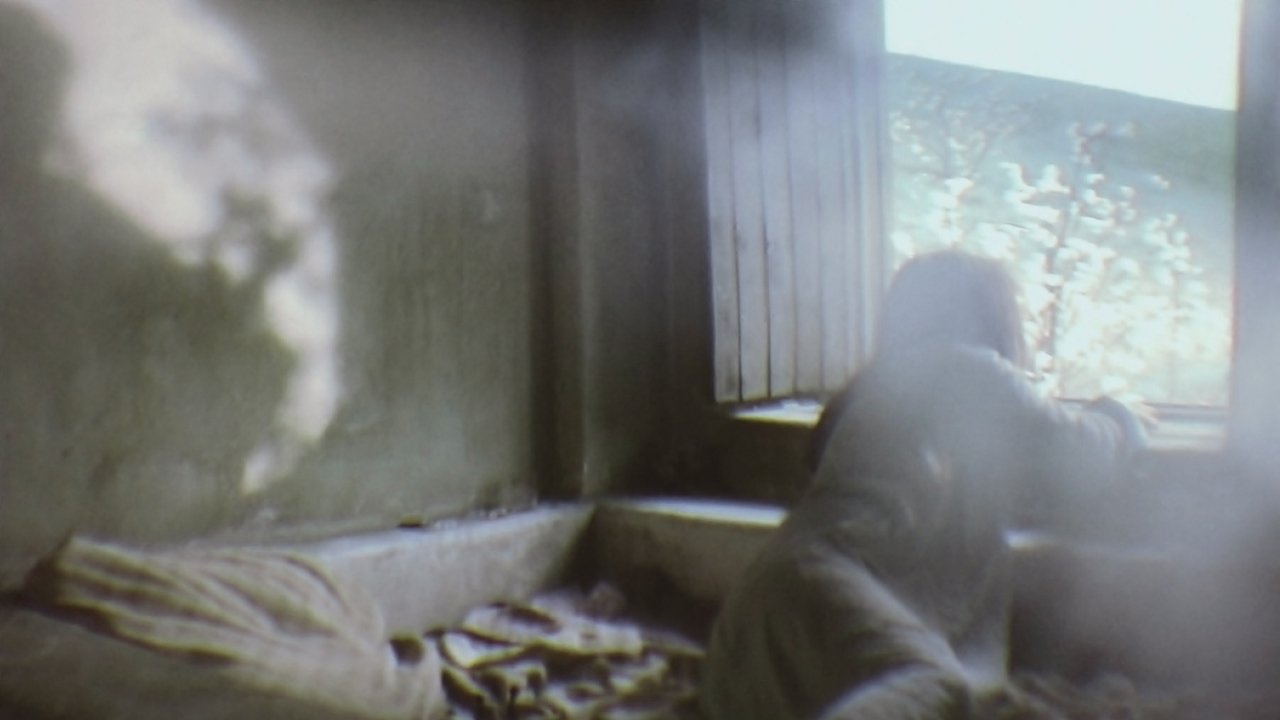
The visual artistry is paramount, but Sokurov’s control extends deeply into the sound design as well. It’s not naturalistic; environmental sounds – wind, sighs, whispers, indistinct murmurs – are amplified or manipulated, blending into a score that feels less like music and more like the Earth breathing alongside the characters. This sonic landscape works in tandem with the distorted visuals, creating an immersive, almost hypnotic sensory experience. The isolated house and the surrounding countryside become more than just a setting; they feel like extensions of the characters' inner states, reflecting the liminal space between life and death. Filmed near St. Petersburg, the locations possess a timeless, melancholic beauty that Sokurov transforms into something deeply spiritual and unsettling. This deliberate artificiality, both visual and aural, paradoxically creates a heightened sense of emotional reality.
A Demanding Journey Worth Taking
Let's be clear: Mother and Son is not an easy watch. Its pace is glacial, its narrative minimal, its mood deeply somber. It demands patience and a willingness to engage with cinema as a visual and emotional art form rather than simple storytelling. Finding this on VHS, perhaps expecting something entirely different, could have been jarring. Yet, for those attuned to its frequency, the experience is unforgettable. It’s a film that washes over you, less concerned with telling you what to feel and more interested in creating a space to feel – grief, tenderness, the overwhelming power of love in the face of mortality. It was the first film in a loosely connected thematic trilogy Sokurov envisioned, later followed by Father and Son (2003) and Alexandra (2007), each exploring familial bonds with similar intensity.
Did films like this sometimes feel like homework smuggled into the video store? Perhaps. But they also represented the potential of the medium, the sheer artistic ambition that could be found even on a humble cassette tape. It’s a reminder that cinema can be more than entertainment; it can be a profound encounter.
Rating: 9/10
This near-masterpiece achieves exactly what it sets out to do: create a unique, painterly cinematic experience that explores the depths of human connection at life's edge. The score reflects its artistic triumph and emotional power, acknowledging that its deliberate pacing and style make it a challenging, though deeply rewarding, watch unsuitable for casual viewing.
Mother and Son lingers long after the screen goes dark, less as a story remembered and more as a feeling absorbed – the chill of the wind, the weight of a body carried, the silent language of love facing its final farewell. It’s a testament to the power of visual storytelling, a rare find then, and a potent piece of cinema art now.
You Might Also Enjoy
Moloch
1999
1492: Conquest of Paradise
1992
A Few Good Men
1992
A Heart in Winter
1992
A League of Their Own
1992
A Midnight Clear
1992
A Place in the World
1992
A River Runs Through It
1992
A Tale of Winter
1992
Al lupo, al lupo
1992
All Ladies Do It
1992
American Heart
1992
American Me
1992
Article 99
1992