The Brave
Okay, settle in, grab your preferred beverage – maybe something a little stronger for this one – because we're dusting off a tape that carries some serious weight. It’s a film that didn't just flicker on the screen; it lingered, heavy and unsettling, long after the VCR clicked off. We’re talking about Johnny Depp’s 1997 directorial debut, The Brave, a film that asks a question so stark, so fundamentally disturbing, it feels almost dangerous to contemplate: what price would you pay for your family’s survival?
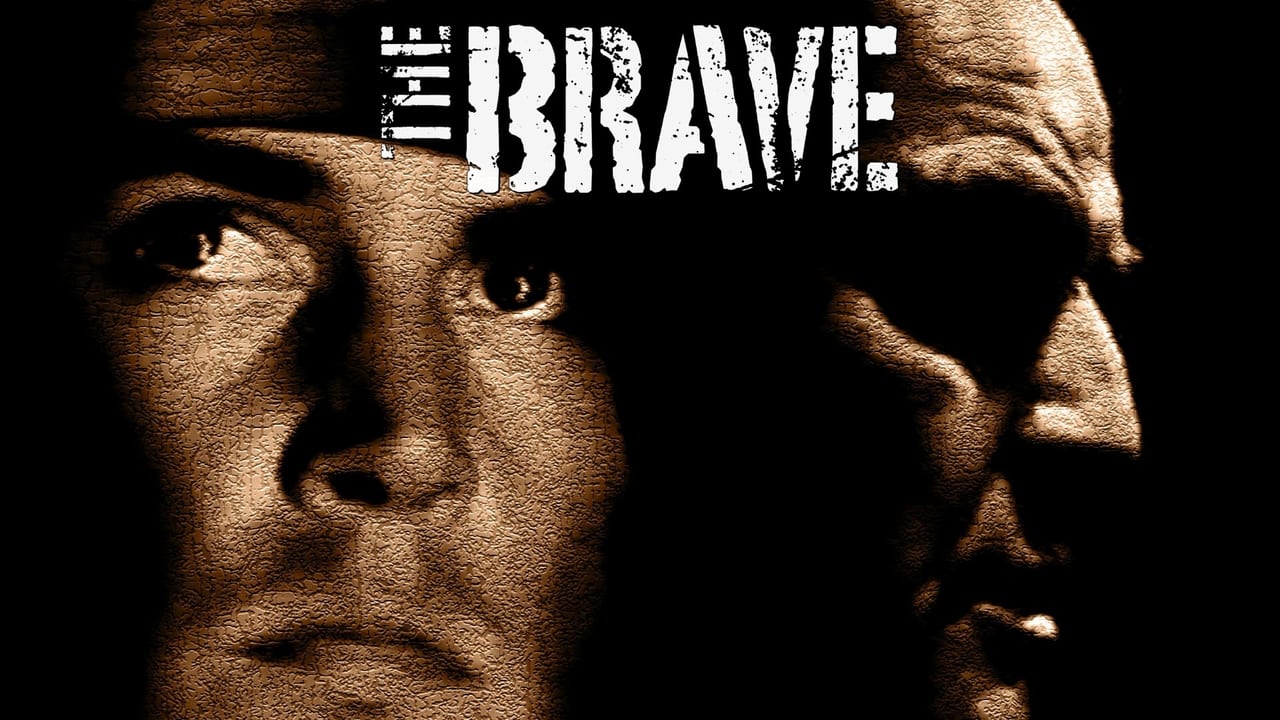
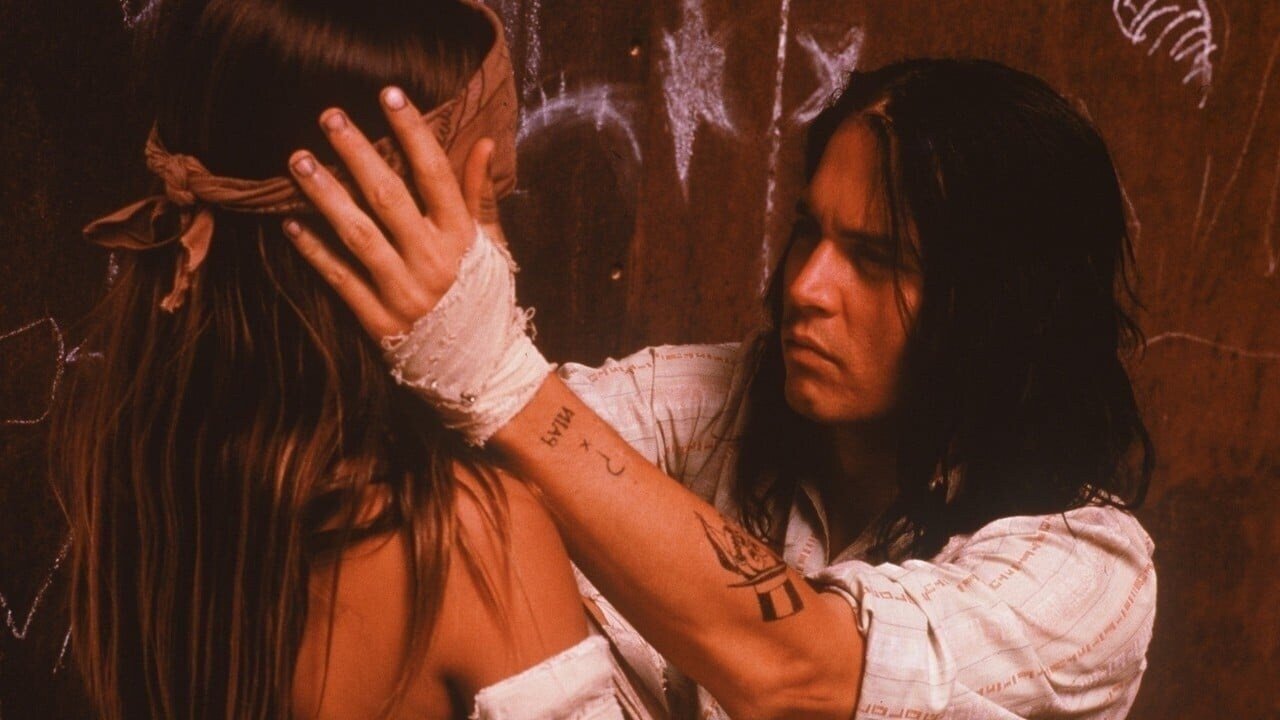
This wasn't your typical Friday night rental, was it? Based on the novel by Gregory Mcdonald (yes, the same mind behind the comparatively breezy Fletch series – quite the pivot, wouldn't you say?), The Brave plunges us headfirst into the dust and despair of Morgantown, a makeshift community clinging precariously to the edge of a landfill. It’s here we meet Raphael (Johnny Depp), an Indigenous American man adrift, jobless, and watching his wife Rita (Elpidia Carrillo) and two young children face a future devoid of hope. The air hangs thick with desperation, a palpable sense of people living not just day-to-day, but moment-to-moment, overshadowed by the refuse of a society that has discarded them.
A Descent into Moral Shadow
The film doesn't waste time easing you in. Raphael, driven by a suffocating sense of powerlessness, seeks out a different kind of opportunity. He finds his way to McCarthy (Marlon Brando), a wheelchair-bound figure operating out of an eerily sterile warehouse. McCarthy offers Raphael a deal: $50,000 – enough to lift his family out of poverty forever – in exchange for Raphael starring in a snuff film, enduring torture and death on camera for McCarthy's unseen clientele. Raphael is given one week to live, one week to spend the initial down payment, make peace, and prepare for the end.
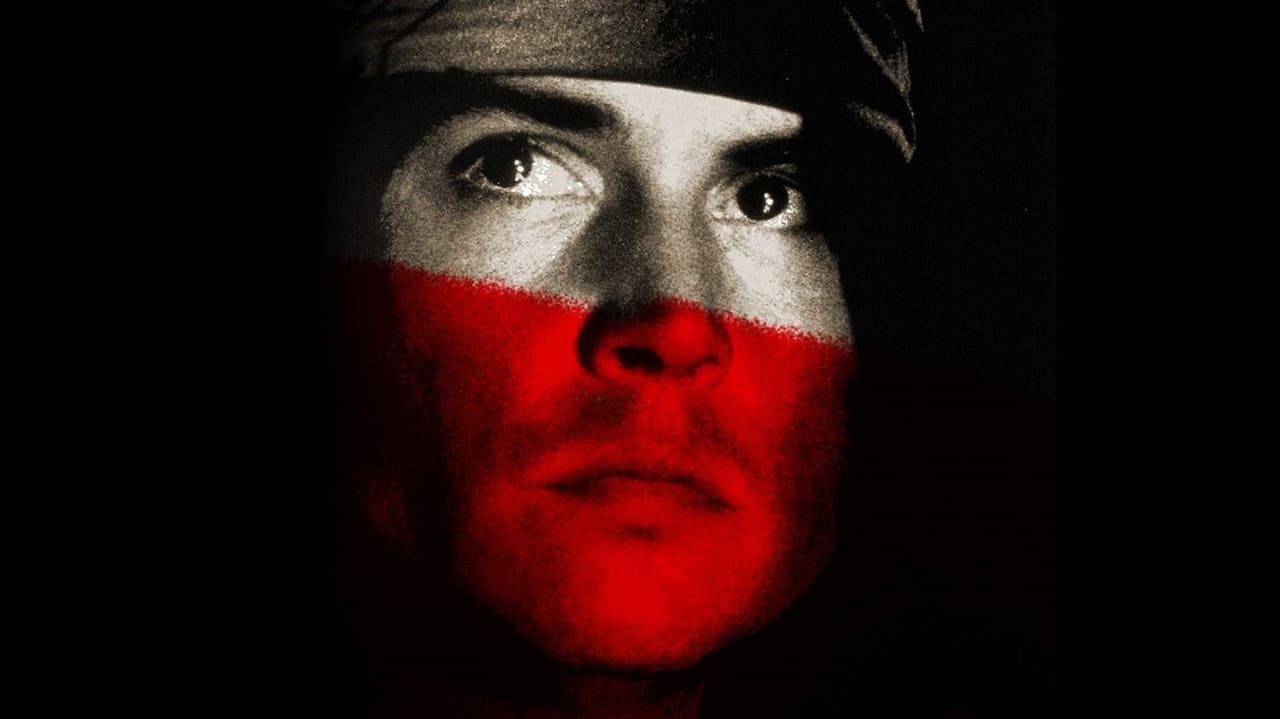
It's a premise that hits like a physical blow. Depp, as director, doesn't shy away from the grimness. He crafts a film steeped in atmosphere, favouring long takes, stark compositions, and a deliberate, almost meditative pace that mirrors Raphael's internal countdown. The cinematography often isolates Raphael against the bleak landscapes or the oppressive geometry of McCarthy's world, emphasizing his profound solitude even when surrounded by his family. There's a rawness here, an avoidance of flashy technique, that feels entirely appropriate for the subject matter.
Echoes in Performance
Johnny Depp delivers a performance of haunting restraint as Raphael. Much of the character's agony is conveyed through his eyes, a deep well of sorrow, love, and resignation. He's not portrayed as a simple martyr, but as a man cornered by circumstance, making an unthinkable choice out of fierce, protective love. It's a physically committed performance, too; you feel the weight he carries in his posture, the exhaustion etched onto his face. It's a far cry from the charismatic eccentrics he'd become famous for, showcasing a depth many might not have expected.
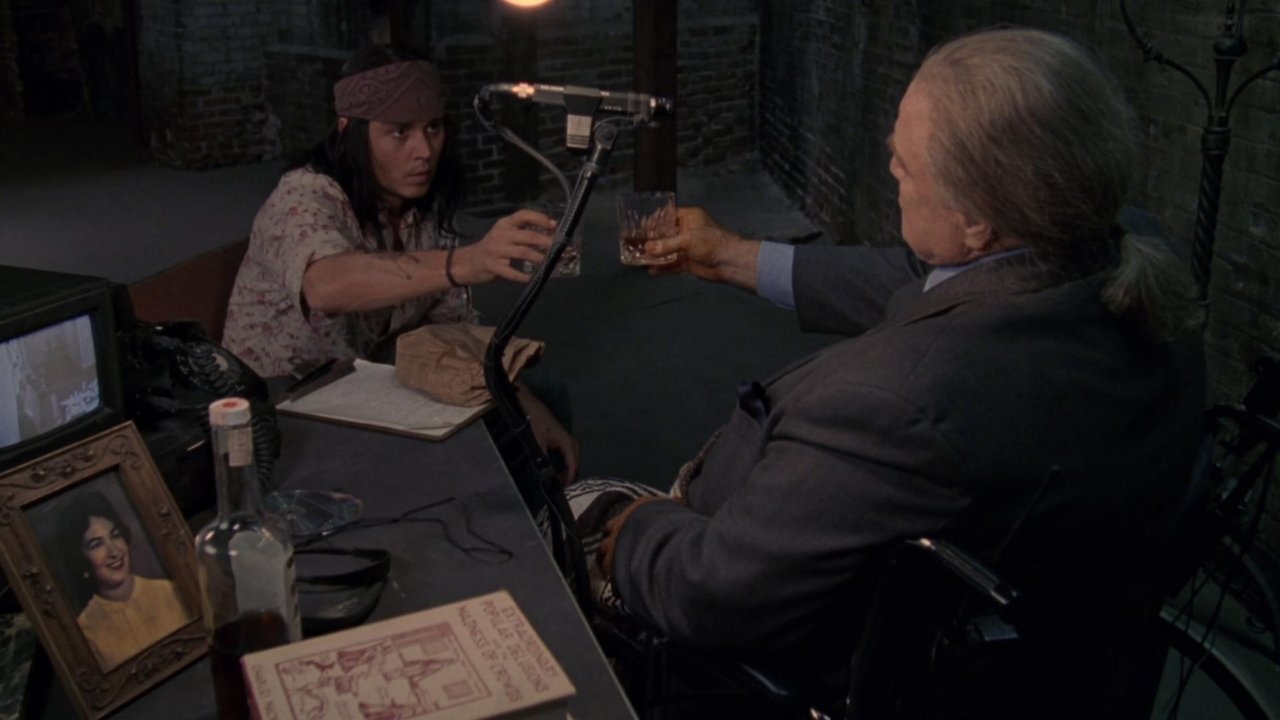
And then there's Marlon Brando. His appearance as McCarthy is brief but unforgettable. It’s late-era Brando, undeniably strange, magnetic, and utterly chilling. There’s a weirdly avuncular quality mixed with pure menace, a soft-spoken delivery that makes the horror of his proposition even more grotesque. You can't look away. Knowing Depp and Brando shared a close bond adds another layer; Brando reportedly worked for scale, a favour to his friend embarking on this ambitious, difficult project. His presence lends the film an almost surreal gravity. We also see Marshall Bell (perhaps remembered from Total Recall (1990) or Starship Troopers (1997)) as Larry, McCarthy’s unsettlingly pragmatic assistant, adding another shade to the film's gallery of morally compromised figures.
A Film Unseen? The Story Behind the Tape
Part of the mystique surrounding The Brave for us VHS collectors and retro film fans stems from its troubled release history. After premiering at the 1997 Cannes Film Festival to decidedly mixed, sometimes harsh reviews, Depp was reportedly so bruised by the critical reception, particularly from American critics, that he chose not to give the film a theatrical or home video release in the United States. For years, obtaining a copy meant seeking out pricey import tapes or, later, region-free DVDs. It became something of a lost film, whispered about among fans, its unavailability only amplifying its difficult themes. Finding a copy felt like unearthing something hidden, something distributors perhaps felt audiences weren't ready for – or wouldn't pay to see. The film was made on a relatively modest budget (around $5 million), and its lack of commercial exposure cemented its cult status. The haunting, atmospheric score, by the way, features contributions from Iggy Pop, another perfect touch enhancing the film's specific, gritty mood.
Does the Sacrifice Resonate?
The Brave is undeniably challenging. Its pacing is slow, its tone relentlessly bleak, and the central premise is profoundly disturbing. It’s not a film designed for easy consumption or escapism. Some found its handling of sensitive themes heavy-handed, bordering on exploitative itself. Yet, there's an undeniable power in its ambition, in its willingness to confront uncomfortable truths about poverty, desperation, and the commodification of human suffering.
What stays with you? For me, it's the quiet moments Raphael spends with his children in that final week, the unspoken weight of his decision hanging in the air. It's the haunting question the film forces upon the viewer: faced with absolute destitution, what lines wouldn't you cross for the ones you love? Does the film offer answers? Not really. It presents the scenario, immerses you in the character's plight, and leaves you to grapple with the implications.
Rating: 6/10
Justifying this score requires acknowledging the film's significant flaws alongside its strengths. The deliberate pacing sometimes tips into tedium, and the unrelenting bleakness can feel overwhelming rather than purely impactful. While Depp's direction shows promise and a clear artistic vision, it occasionally lacks the nuance to fully navigate the treacherous thematic territory without feeling overly earnest or grim. However, the powerful central performances, particularly Depp's own raw portrayal and Brando's chilling cameo, are undeniable highlights. The film's stark atmosphere is effectively rendered, and its sheer audacity in tackling such a harrowing subject as a directorial debut commands a certain respect. Its troubled release history adds to its cult fascination, but objectively, it's a flawed, difficult, yet brave attempt at profound filmmaking. It earns a 6 for its ambition, its performances, and its unsettling power, tempered by its pacing issues and heavy-handedness.
The Brave isn't a film you 'enjoy' in the conventional sense, but it's one that demands reflection. It's a stark reminder of the desperation that can exist in the margins, and a testament to a filmmaker willing to risk commercial failure to tell a story that truly disturbed him. It remains a fascinating, if flawed, entry in the Depp canon, and a potent piece of 90s cinema that dared to stare into an abyss many would prefer to ignore. What value does a single life hold when measured against the survival of others? The question echoes long after the static fills the screen.