The Crazy Stranger
Okay, settle in, maybe crack open a beverage reminiscent of simpler times. Let’s talk about a film that likely wasn't a common sight next to the blockbuster new releases at Blockbuster, but might have caught your eye in the 'World Cinema' or 'Drama' section, radiating a raw, untamed energy even from its worn VHS box. I’m talking about Tony Gatlif’s 1997 film, The Crazy Stranger (originally, and perhaps more poignantly, titled Gadjo Dilo).
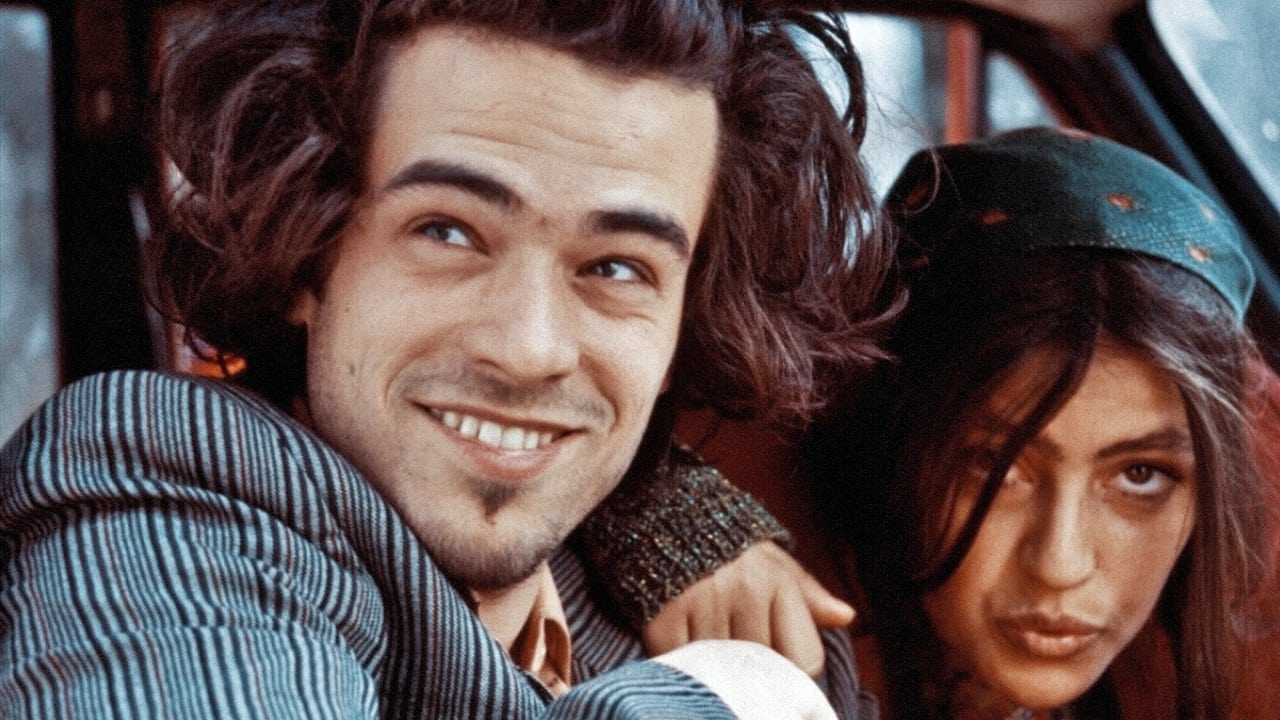
This isn't your typical late-90s fare. Forget slick action or polished romance; The Crazy Stranger plunges you headfirst into a world that feels utterly real, vibrant, and often brutally uncompromising. What haunts you first, perhaps, isn't a single image, but the sheer sonic immersion – the explosion of music, laughter, shouting, and life that spills out of the Romani village where our protagonist finds himself stranded.
An Outsider's Plunge
The premise is simple yet potent: Stéphane (Romain Duris, in a star-making early role long before his later French cinema ubiquity), a young Parisian, travels to Romania. He's on a deeply personal quest, clutching a worn cassette tape, searching for a mysterious Romani singer named Nora Luca whose music captivated his late father. He speaks no Romanian, let alone Romani, and his arrival is met with suspicion and confusion. He soon crosses paths with Izidor (Izidor Serban), an older Romani man drowning his sorrows in alcohol following his son's imprisonment. Seeing Stéphane's tape recorder and learning of his musical quest, Izidor takes the bewildered Frenchman ("Gadjo Dilo" translates roughly to "crazy non-Romani") under his wing, bringing him into the heart of his community.
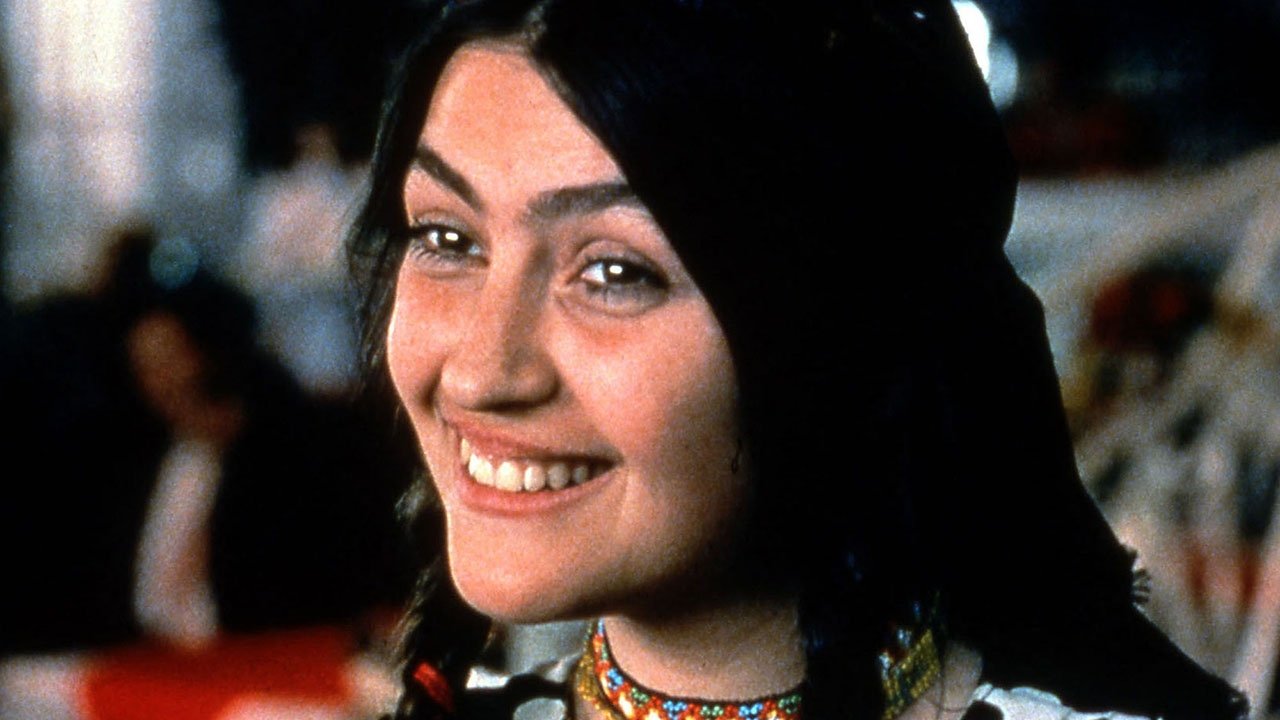
What unfolds isn't a neat narrative arc, but an immersive, almost ethnographic experience. Gatlif, himself of Algerian Romani descent, directs with an intimacy and understanding that feels documentary-like at times. The camera often feels handheld, jostling amidst the celebrations and confrontations, placing us right alongside Stéphane as he navigates this unfamiliar territory. We feel his initial alienation, his clumsy attempts to communicate, and gradually, his tentative steps towards understanding and belonging.
Music, Fury, and Unforgettable Faces
At the core of the film are three towering presences. Romain Duris is magnetic as Stéphane, his initial wide-eyed naivete slowly giving way to a deeper connection, a shedding of his Parisian skin. He learns through observation, through shared drinks, and most profoundly, through the music that binds the community. Izidor Serban, a non-professional actor who brings an astonishing authenticity, embodies both the deep grief and the fierce life force of his character. His face tells a thousand stories, etched with hardship but capable of exploding into joyous song or volcanic rage.
And then there's Sabina, played by the incandescent Rona Hartner. She's a whirlwind – volatile, seductive, fiercely independent, and utterly captivating. Hartner doesn't just play Sabina; she ignites the screen. Her dance sequences are pure, unadulterated energy, and her interactions with Stéphane crackle with a raw chemistry that transcends language barriers. The burgeoning relationship between Stéphane and Sabina feels less like a conventional movie romance and more like two disparate souls colliding amidst the chaos, finding fleeting moments of intense connection. Was there ever a more potent screen presence in the late 90s independent scene? It’s hard to recall one who burned quite so brightly.
Gatlif's Authentic Lens & Retro Realities
Tony Gatlif, who also directed the remarkable Romani music documentaries Latcho Drom (1993) and later Vengo (2000), doesn't romanticize poverty or shy away from the harsh realities and prejudices faced by the Romani people (both internal and external). The film pulses with life – weddings, funerals, drunken revelry, impromptu concerts – but it also simmers with tension and the ever-present threat of violence erupting from long-standing ethnic hatreds. One fascinating tidbit is Gatlif's insistence on filming on location in Romania, using a mix of professional actors like Duris and Hartner alongside local Romani non-actors like Serban. This blend is key to the film's potent authenticity; it never feels staged. The music, too, isn't just score; it's the film's lifeblood, performed live, often erupting spontaneously from the characters themselves. It's the primary language when words fail.
Watching this now, years after fishing the tape from a dusty shelf, there's a poignant connection to the medium itself. The slightly grainy, unpolished look of VHS somehow complements the film's raw aesthetic. It feels less like a pristine digital file and more like a found object, a captured slice of life. This wasn't a film designed for multiplex consumption; its power lies in its specificity, its refusal to compromise its vision for broader appeal. It demands patience and openness from the viewer, asking us to simply be with these characters, to listen to their music, and to witness their joys and sorrows without judgment.
A Story That Stays With You
(Minor Spoilers Ahead regarding the film's tone shift)
The film doesn't offer easy answers or a simple happy ending. The intrusion of the outside world's prejudice leads to a devastating turn, a stark reminder of the fragility of this community's existence. Stéphane's final act, born of grief and rage, is shocking yet tragically understandable within the film's emotional logic. What does it mean to truly stand with someone, to share their pain when you can never fully share their identity? The film leaves you grappling with this question long after the credits roll.
***
VHS Heaven Rating: 9/10
This rating reflects the film's sheer power, authenticity, and unforgettable performances, particularly from Hartner and Serban. Tony Gatlif crafts an immersive, emotionally resonant experience that transcends cultural barriers through the universal language of music and raw human feeling. It loses a single point only because its uncompromising nature and moments of intense realism might not resonate with viewers seeking lighter fare, but its artistic integrity is undeniable. It’s a film that truly earns its emotional impact.
The Crazy Stranger is a potent reminder of cinema's ability to transport us, to foster empathy, and to make us feel deeply. It’s a rare gem from the late VHS era, one that bypasses easy sentimentality for something far more textured, challenging, and ultimately, unforgettable. It leaves behind not just melodies, but the echo of a world rendered with fierce honesty and profound heart.
You Might Also Enjoy
Shall We Dance?
1996
Impromptu
1991
Singles
1992
High Fidelity
2000
Belle Époque
1992
La Vie de Bohème
1992
Leap of Faith
1992
The Dark Side of the Heart
1992
The Living End
1992
Smoking / No Smoking
1993
The Thing Called Love
1993
Chungking Express
1994
Eat Drink Man Woman
1994
Even Cowgirls Get the Blues
1994