The Life of Jesus
There's a certain weight that settles in when you slide a tape like Bruno Dumont's La Vie de Jésus (1997) into the VCR. It’s not the familiar click-whir of anticipation for high-octane action or synth-heavy sci-fi that usually fills the air here at VHS Heaven. No, this one feels different. Heavier. The stark, plain cover art, often tucked away in the 'World Cinema' aisle of the old rental store, hinted at something less escapist, something more confronting. And confronting it certainly is.
Northern Discomfort
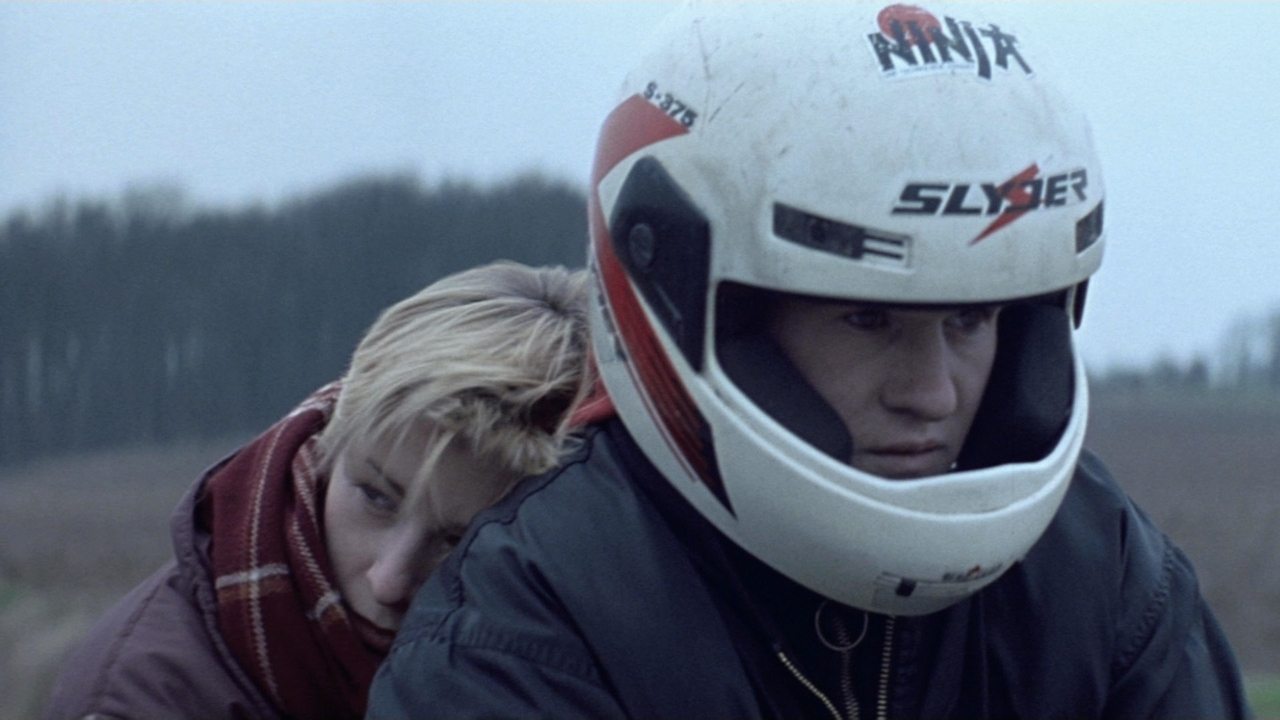
Forget the neon glow of Miami or the bustling streets of New York; Dumont plunges us headfirst into the windswept, economically depressed landscape of Bailleul in French Flanders. This isn't a backdrop; it's practically a character. The film follows Freddy (David Douche), an unemployed young man prone to epileptic seizures, and his group of equally aimless friends. Their days drift by in a haze of motorbike rides through desolate fields, listless hanging out, and casual sex, primarily between Freddy and his loyal girlfriend Marie (Marjorie Cottreel). There's an oppressive sense of inertia, a feeling that life here offers little promise beyond the immediate, often base, urges. Dumont, who famously transitioned from philosophy teacher to filmmaker with this debut, captures this atmosphere with an unflinching, almost documentary-like gaze.
Raw Realism and Unvarnished Lives
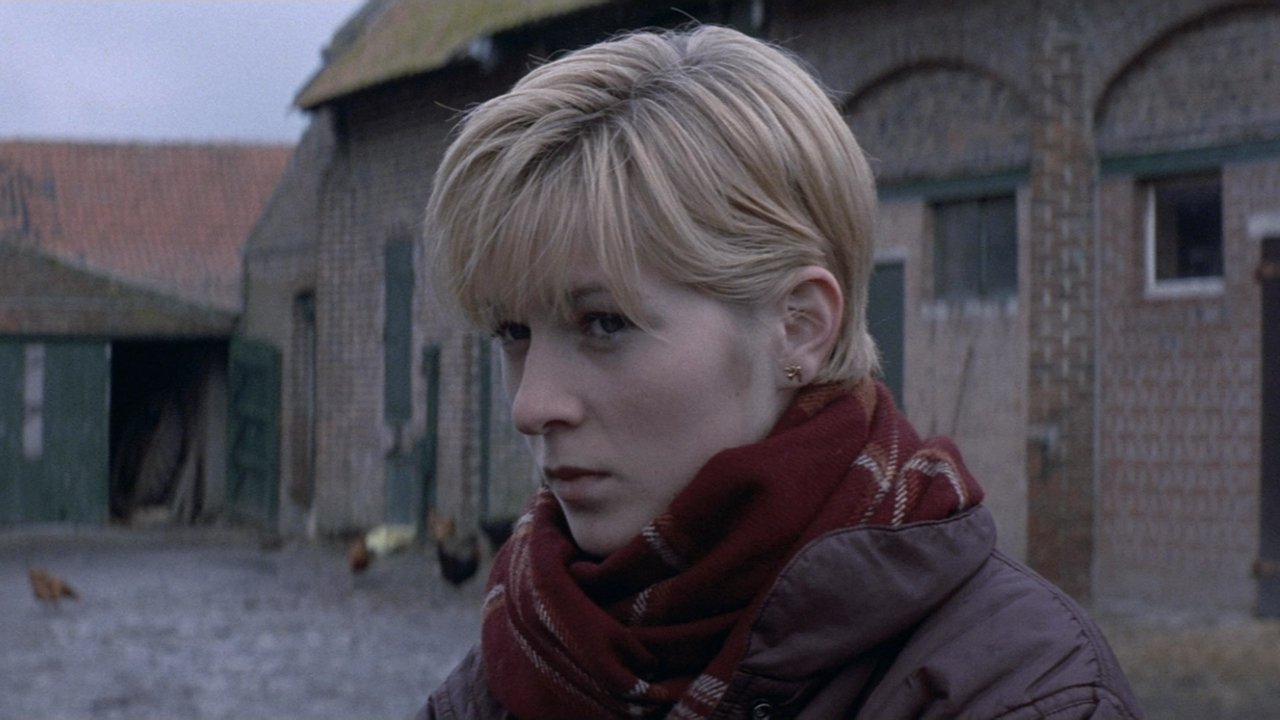
What strikes you immediately, especially looking back from our current era of polished performances, is the film's radical use of non-professional actors. David Douche, Marjorie Cottreel, Kader Chaatouf (as Kader, the target of the group's simmering racism), and the others aren't 'acting' in the conventional sense. They simply are. Douche, in particular, embodies Freddy with a disquieting naturalism – his lethargy, his flashes of tenderness towards Marie, his sudden bursts of frustration, and the terrifying authenticity of his seizures feel utterly real. There’s a tragic footnote here: Douche's own life mirrored some of his character's struggles, ending far too young a decade after the film's release. This knowledge adds another layer of poignancy to his raw presence on screen. Dumont reportedly sought individuals whose real lives echoed the script, lending the film an almost unbearable authenticity. The conversations feel unscripted, the interactions possess an awkward truthfulness rarely seen in mainstream cinema.
Beneath the Bleakness
The title, The Life of Jesus, hangs heavy over the proceedings, doesn't it? There are no overt religious parallels in the narrative sense, no Christ figures or direct allegories. Instead, the title seems to function more ironically, perhaps highlighting the gap between spiritual ideals and the harsh, often cruel realities of these mundane lives. Or maybe Dumont intends something deeper, suggesting that even within this bleakness, within these flawed and struggling individuals, there exists something fundamentally human, something worthy of examination, perhaps even a form of grace found in unexpected places – the loyalty of Marie, a shared moment of vulnerability. The film forces us to confront uncomfortable truths about boredom, ignorance, the casual cruelty that can fester in communities left behind, and the racism directed towards Kader and his family, which tragically escalates. It doesn’t offer easy answers or clear moral judgments; it simply presents a slice of life, stark and unadorned.

A Director's Signature Emerges
This was Bruno Dumont's striking arrival on the scene, earning him a Camera d'Or - Mention Spéciale at the Cannes Film Festival. His signature style is already fully formed: long, static takes that force you to observe, a deliberate pacing that mirrors the characters' own languor, minimal dialogue, and an almost complete absence of non-diegetic music. The landscape – the grey skies, the flat fields, the brick houses – is captured with a painterly eye, beautiful in its austerity but also reflecting the constrained lives within it. It's a demanding watch, requiring patience and a willingness to sit with discomfort. There are no flashy cuts or manipulative scores telling you how to feel. Dumont trusts the power of the image and the raw presence of his cast. It’s interesting to note this film reportedly cost very little, forcing a reliance on this kind of essential, stripped-back filmmaking – a constraint that became a powerful aesthetic choice.
Not Your Usual Friday Night Rental, But…
Let's be honest, La Vie de Jésus isn't the kind of tape you'd grab for a lighthearted movie night with friends. It's challenging, bleak, and contains moments of shocking brutality alongside its stretches of quiet observation. Finding it on the shelves back then felt like unearthing something potent, something distinctly other. Yet, revisiting it now, its power hasn't diminished. It remains a vital piece of 90s European cinema, a raw nerve exposed. It’s a film that prompts reflection long after the tape clicks off. What does it say about community, about human nature when options narrow? How does boredom curdle into something dangerous?
***
Rating: 8/10
Justification: While undeniably difficult and certainly not 'entertaining' in the conventional sense, La Vie de Jésus is a masterful piece of realist cinema. Its unflinching gaze, the astonishing authenticity of its non-professional cast (especially David Douche), and Bruno Dumont's assured, stark direction create an unforgettable, deeply unsettling portrait of marginalized lives. It achieves precisely what it sets out to do with remarkable power, even if that aim is to confront rather than comfort. The high rating reflects its artistic merit and uncompromising vision, acknowledging it’s a film viewers need to be prepared for.
Final Thought: This is the kind of film that reminds you of the sheer power cinema can wield when it dares to look directly at the unvarnished, uncomfortable truths of existence, leaving you contemplating the quiet desperation and fleeting connections that define lives lived on the periphery.
You Might Also Enjoy
Humanité
1999
A River Runs Through It
1992
Candy Candy: The Movie
1992
Gas Food Lodging
1992
Jo Jeeta Wohi Sikandar
1992
Scent of a Woman
1992
School Ties
1992
That Night
1992
The Long Day Closes
1992
The Power of One
1992
A Bronx Tale
1993
Calendar Girl
1993
Jack the Bear
1993
King of the Hill
1993