Birdcage Inn
The salt spray seems to almost cling to the screen when you watch Birdcage Inn. There's a dampness, a certain chill that settles in, emanating not just from the faded seaside town setting but from the very walls of the titular guesthouse. Released in 1998, this early work from the challenging South Korean auteur Kim Ki-duk (3-Iron, Spring, Summer, Fall, Winter... and Spring) arrived towards the tail end of the VHS era, perhaps finding its way onto the more adventurous shelves of discerning video stores – a quiet, unassuming tape promising something far removed from the usual blockbuster noise. And deliver, it certainly does.
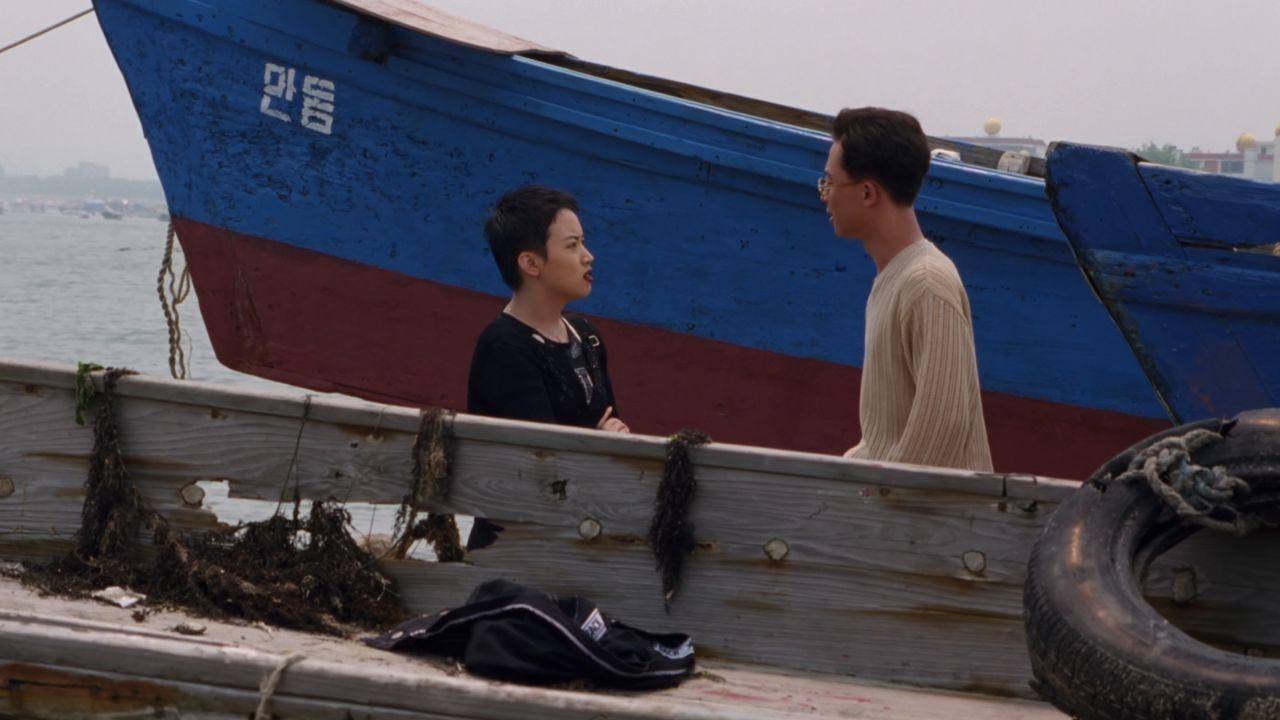
Lives in Close Quarters
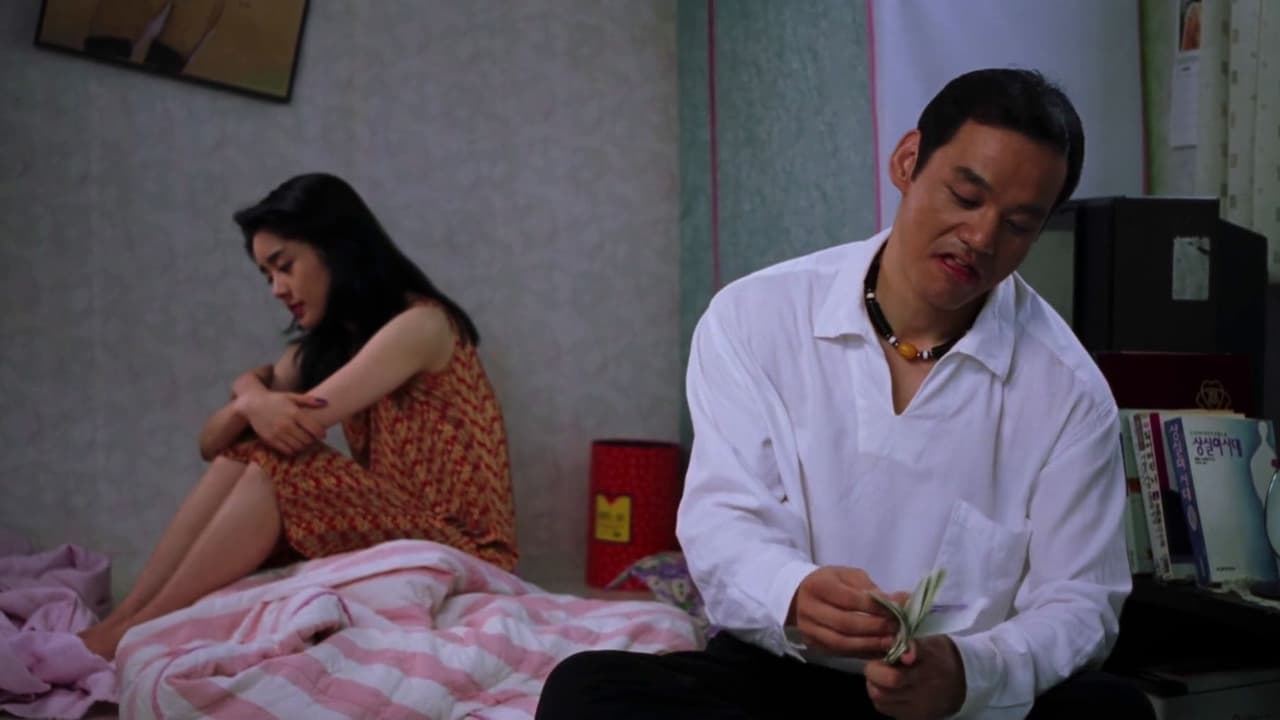
The premise is deceptively simple: a family struggling to make ends meet runs a small guesthouse, the 'Birdcage Inn'. The father is largely absent, the mother worn down, the teenage daughter Hye-mi (Lee Hye-eun) dreams of escaping, and her artist boyfriend Hyun-woo (Ahn Jae-mo) offers a potential, if complicated, path out. Into this already tense dynamic arrives Jin-a (Lee Ji-eun), a young woman fleeing a troubled past, who takes a room and begins working as a prostitute with the reluctant complicity of the family, becoming their primary source of income. What unfolds isn't a lurid exposé, but a deeply uncomfortable, often poignant observation of lives lived in quiet desperation, marked by compromised choices and the corrosive effects of societal judgment. Kim Ki-duk, even early in his career, showed a fascination with the lives pushed to the margins, and here, the inn itself becomes a microcosm of confinement – physical, economic, and emotional.
A Study in Silence and Gazes
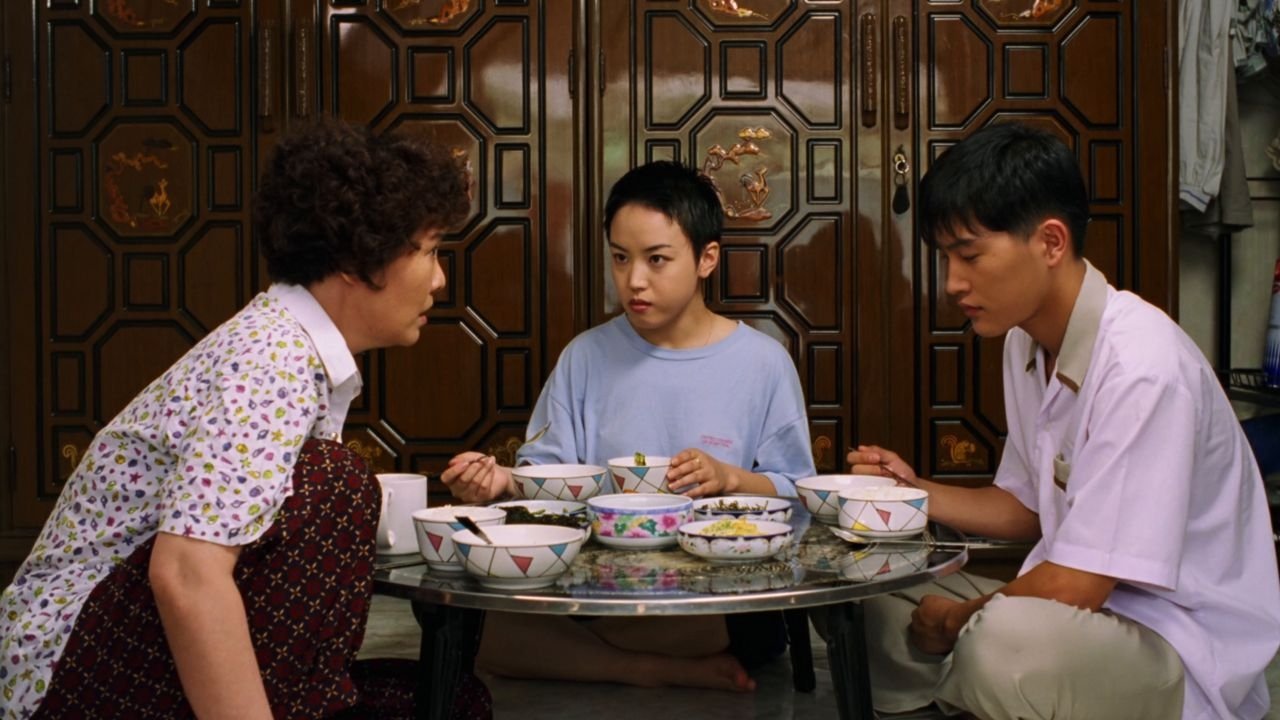
What truly elevates Birdcage Inn beyond its potentially bleak subject matter are the central performances, particularly from the two young women. Lee Ji-eun as Jin-a is remarkable. She conveys oceans of pain, resilience, and a yearning for simple human connection often without uttering a word. Her portrayal of sex work is stripped of sensationalism; it's presented as a grim reality, a means of survival that takes a visible toll. There's a profound sadness in her eyes, but also flickers of defiance and unexpected warmth. Opposite her, Lee Hye-eun captures the volatile mix of resentment, curiosity, and nascent empathy Hye-mi feels towards Jin-a. Their relationship, shifting from hostility to a fragile, unspoken understanding, forms the film's emotional core. It’s a dynamic built on shared glances, tentative gestures, and the claustrophobic intimacy forced upon them. Ahn Jae-mo, as the boyfriend caught between his artistic aspirations and his connection to Hye-mi (and eventually Jin-a), adds another layer of complication, representing both escape and potential betrayal.
Kim Ki-duk's direction here is characteristically spare. Dialogue is often minimal, forcing us to read the faces, the body language, the spaces between words. He uses the camera not just to observe, but to scrutinize, sometimes uncomfortably so. The film's Korean title, Paran daemun ("Blue Gate"), reportedly refers to the colour often associated with brothel entrances in Korea, immediately signposting the themes of exploitation and commodification. Yet, Kim avoids easy moralizing. He presents the situation, the characters, and their difficult choices, leaving the audience to grapple with the complex questions raised. Doesn't this situation, stripped of its specific context, echo the impossible choices people facing hardship often confront?
Finding Gems in the Dustier Aisles
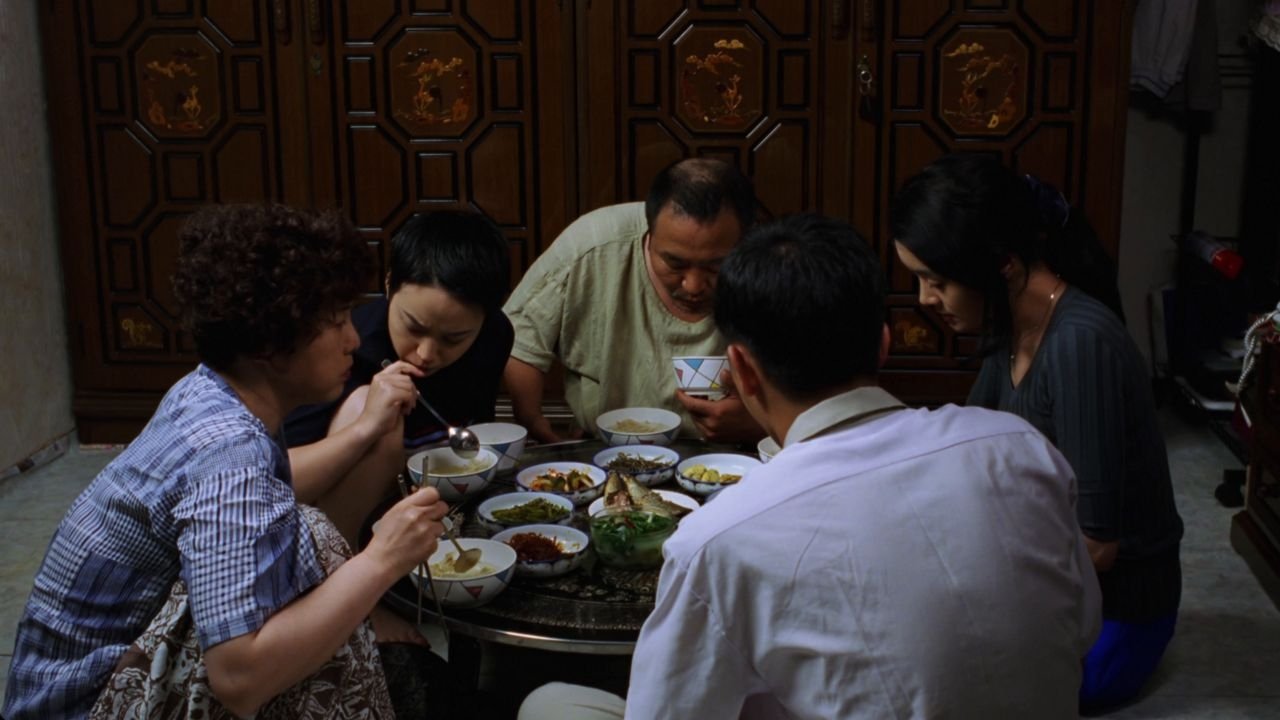
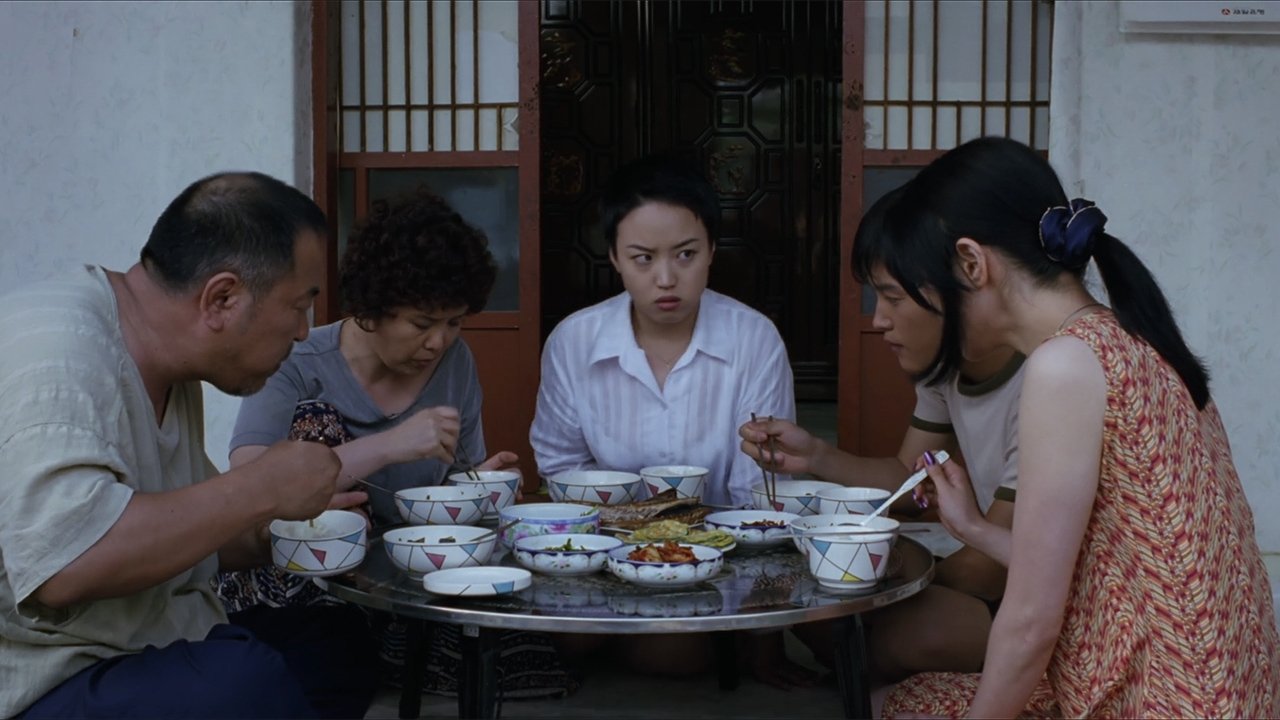
I distinctly remember seeking out films like this back in the day, scanning the 'World Cinema' section, looking for something that felt different, something that promised a window into another reality. Birdcage Inn is exactly that kind of discovery – the sort of film that might have been overlooked amidst louder, flashier fare, but which offered a depth and intensity that lingered long after the tape ejected. Finding a Kim Ki-duk film on VHS felt like uncovering a secret, a challenging but rewarding experience far from the mainstream. It's worth noting that Kim often worked under strenuous conditions, with notoriously low budgets and demanding schedules, sometimes fueled by his own experiences on the fringes of society before turning to filmmaking. Perhaps this very lack of polish contributes to the film's raw, unvarnished feel, lending an air of authenticity to its portrayal of lives under pressure.
The film isn't without its difficult moments; the subject matter is inherently challenging, and the pacing is deliberate, demanding patience. It’s a film that sits with you, heavy and melancholic, prompting reflection rather than providing easy answers. It forces us to consider our own capacity for judgment and empathy when faced with lives lived outside conventional norms.
Rating: 7.5/10
This score reflects the film's undeniable power, particularly in its central performances and evocative atmosphere. Lee Ji-eun's portrayal of Jin-a is hauntingly effective, and Kim Ki-duk's early directorial vision is clear, even if less refined than his later work. It's a challenging, often somber film that requires viewer engagement, and its deliberate pacing might not suit everyone. However, as a starkly human drama that probes uncomfortable truths about survival and connection, it succeeds admirably. It represents the kind of potent, non-mainstream cinema that the best video store shelves used to offer.
What lingers most, perhaps, is the quiet resilience flickering within the cage – the small, almost imperceptible moments of connection that bloom even in the most compromised soil.