Christmas in August
There's a certain kind of quiet that settles over you after watching Hur Jin-ho's Christmas in August (1998). It’s not the silence of emptiness, but the resonant hush that follows a deeply felt experience, like the stillness in the air after a gentle summer rain. This isn't a film that shouts its emotions; it whispers them, letting them seep into you through sun-drenched afternoons and the gentle rhythm of everyday life, even as that life edges towards an unspoken end. For those of us who navigated the aisles of video stores in the late 90s, perhaps seeking something beyond the usual blockbuster fare, discovering a film like this felt like uncovering a hidden treasure – a poignant counterpoint to the era's louder cinematic offerings.
Portraits of Passing Time
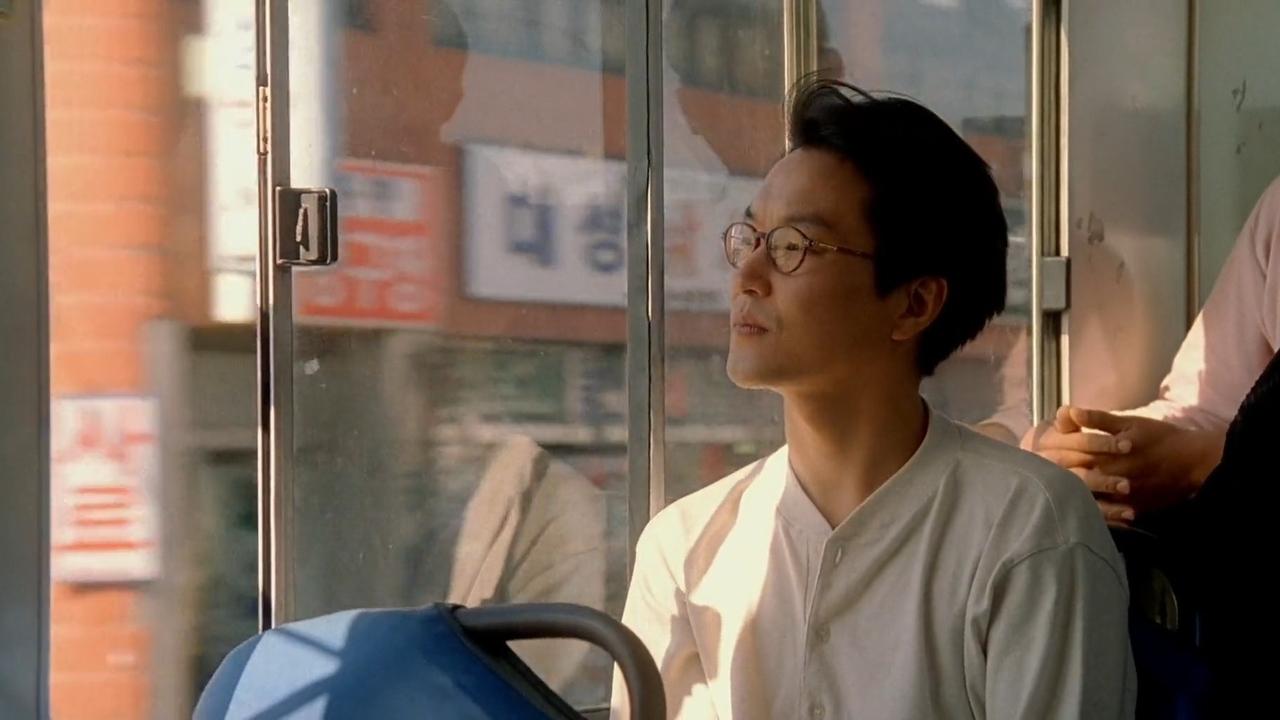
At the heart of the film is Jung-won (Han Suk-kyu, already a major star in Korea thanks to films like Shiri that same year), a photographer in a small town. His studio isn't just a business; it's a repository of moments, capturing birthdays, anniversaries, and sometimes, final portraits for funerals. There's a gentle irony here: Jung-won preserves memories for others while quietly facing the fact that his own time is limited. The film handles his terminal illness with extraordinary grace – no dramatic pronouncements, just small signs, quiet preparations, a gradual withdrawal. We learn about it almost incidentally, mirroring how life often delivers its heaviest blows not with a crash, but with a quiet certainty.
The studio itself, bathed in the warm light of what feels like a perpetual late summer, becomes a character. Director Hur Jin-ho, in his remarkably assured debut feature, uses this space masterfully. It’s where life’s mundane transactions – picking up photos, getting IDs made – intersect with profound human experiences. It's a place of waiting, observing, and capturing light before it fades, both literally and metaphorically. The choice to set the film largely during the sweltering heat of August, contrasting with the evocative title, underscores the central theme: love, like a precious gift, can arrive unexpectedly, beautifully out of season, even when winter is approaching.
A Love Story in Glances and Gestures
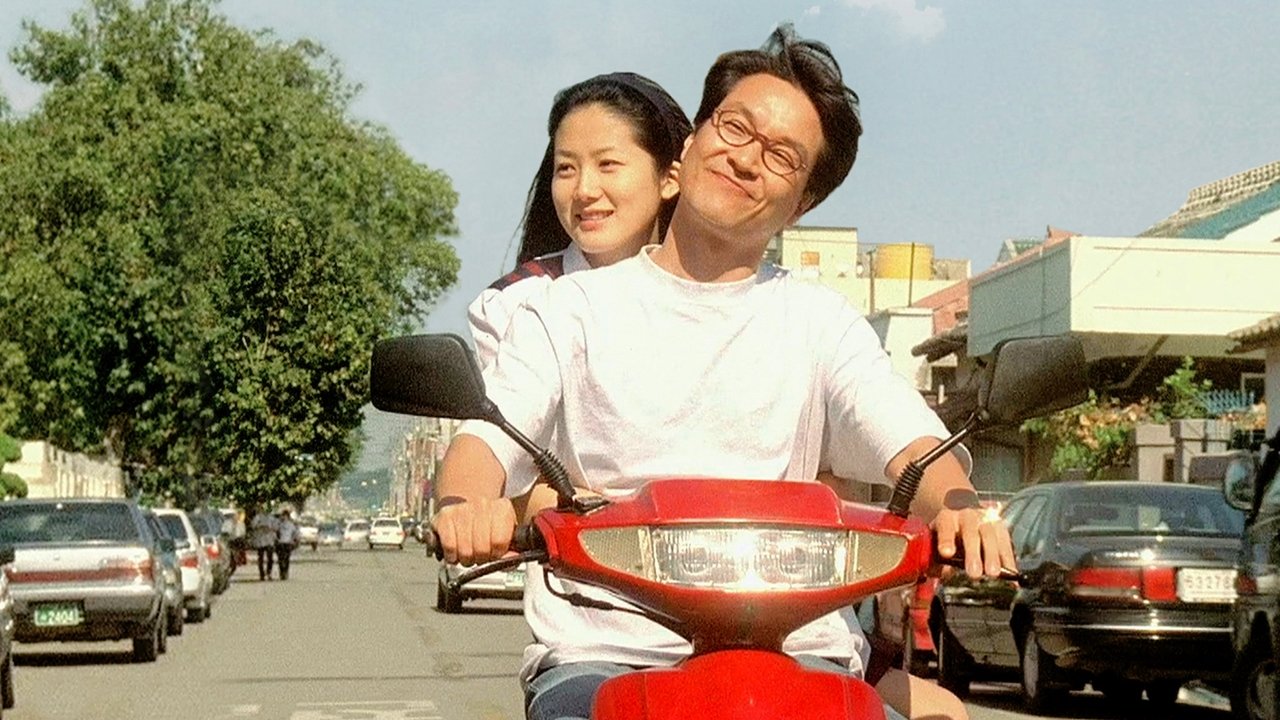
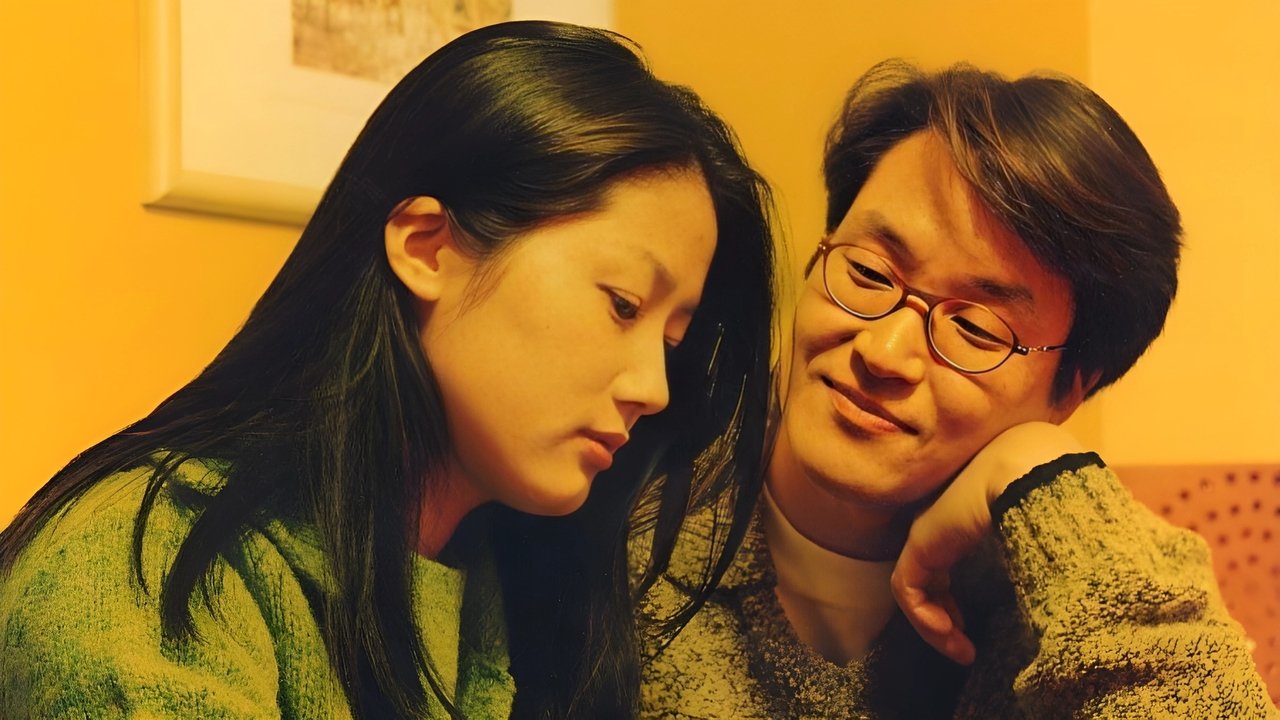
Into this quiet world steps Da-rim (Shim Eun-ha, an actress whose luminous presence captivated audiences before her early retirement). She’s a parking attendant, full of youthful energy and a charming persistence, initially frustrated by Jung-won's delays in developing her photos. Their connection unfolds not through grand declarations, but through shared moments, shy smiles, ice creams on hot days, and unspoken understanding. Their burgeoning relationship is depicted with a naturalism that feels incredibly rare. There are no manufactured conflicts or tearful confessions, just the tentative, hopeful steps of two people finding solace in each other's company.
What makes this dynamic so compelling is the authenticity of the performances. Han Suk-kyu delivers a masterclass in subtlety. His Jung-won carries his burden with a quiet dignity, his smiles tinged with melancholy, his eyes conveying oceans of unspoken feeling. Shim Eun-ha is equally brilliant, her brightness providing a beautiful counterpoint. She isn’t just a plot device; Da-rim feels like a real person, navigating her own small daily frustrations and joys, unaware of the full weight Jung-won carries. Their chemistry is palpable, built on nuance rather than overt passion. Even the supporting characters, like Jung-won's aging father (Shin Goo), add layers of quiet poignancy, particularly in scenes where Jung-won patiently teaches him how to use the VCR – a small act of preparing for absence.
Subtlety as Strength
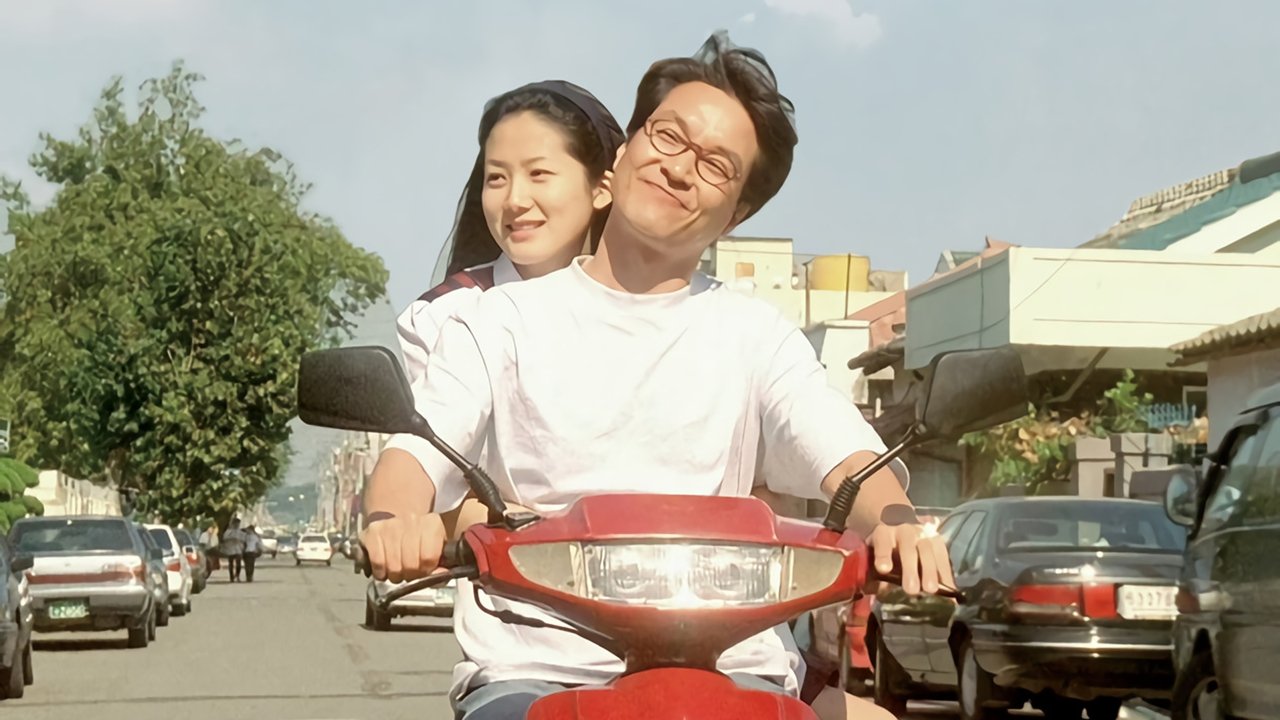
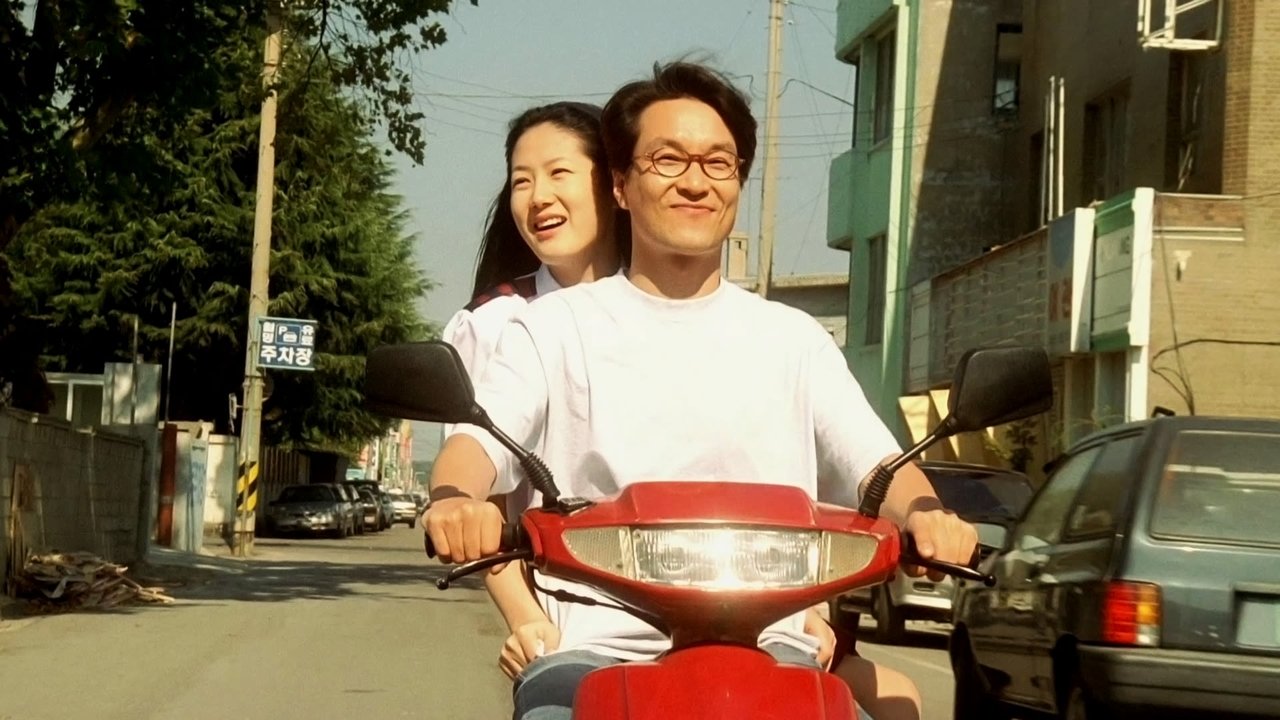
Christmas in August stands out, especially within the context of 90s Korean cinema which was also known for its more intense dramas and burgeoning blockbuster scene. This film chose a different path. Hur Jin-ho, who co-wrote the script, famously eschewed typical melodramatic tropes. The film avoids manipulative sentimentality, opting instead for emotional resonance earned through careful observation and restraint. The score is used sparingly, allowing the natural sounds of the town and the quiet intimacy of conversations to take center stage. The cinematography often lingers, letting moments breathe, capturing the languid beauty of the setting – the port city of Gunsan providing a distinct, atmospheric backdrop.
It’s fascinating that this film, so delicate and introspective, was South Korea's submission for the Best Foreign Language Film at the Academy Awards that year. While it didn't secure a nomination, its selection speaks volumes about its impact and the recognition of its artistic merit. It felt like a new wave of Korean filmmaking, one focused on realism and subtle emotional depth, influencing many directors who followed. The central metaphor of photography – capturing moments, preserving memories, confronting impermanence – is woven seamlessly throughout, never feeling heavy-handed.
The Lingering Image
What stays with you long after the credits roll? It’s the feeling of warmth tinged with sadness, the beauty found in ordinary moments, the quiet strength of the human spirit facing mortality. It’s the image of Jung-won looking at a photograph of Da-rim, a smile on his face, a silent acknowledgment of a connection that brought light into his final days. It's a film that doesn't offer easy answers or cathartic releases, but instead leaves you contemplating the bittersweet nature of life, love, and memory. Does a love experienced, however briefly, lose its meaning when faced with an ending? The film seems to suggest, gently, that it doesn’t.
Christmas in August is a reminder that profound stories don't always need grand gestures. Sometimes, the most powerful narratives are found in the quiet spaces, the unspoken words, the shared glance across a sunlit room. It’s a film that rewards patience and sensitivity, a true gem from the late 90s that feels timeless.
Rating: 9/10
This rating reflects the film's masterful subtlety, its deeply affecting performances, and its confident, restrained direction. It achieves profound emotional depth without resorting to melodrama, creating a naturalistic and moving portrait of love and loss. It’s a near-perfect execution of its quiet ambitions.
It leaves you with a gentle ache, a profound appreciation for the fleeting beauty of connection, much like finding an old photograph that unlocks a flood of unexpected feeling.