Devil in the Flesh
The name itself whispers a certain kind of transgression, doesn't it? Devil in the Flesh. It promises something lurid, something forbidden tucked away in the seemingly placid rows of the video store, likely nestled between bigger-budget thrillers and forgotten dramas. This 1998 offering, often found gracing late-night cable schedules or occupying that specific corner of the rental shelf reserved for provocative covers, delivers exactly that sort of straightforward, slightly sleazy, but undeniably watchable 90s tension. It's a film that feels born of its time – a post-Scream landscape where teen angst could curdle into something genuinely dangerous, often wrapped in a veneer of deadly allure.
Welcome to Suburbia's Dark Side
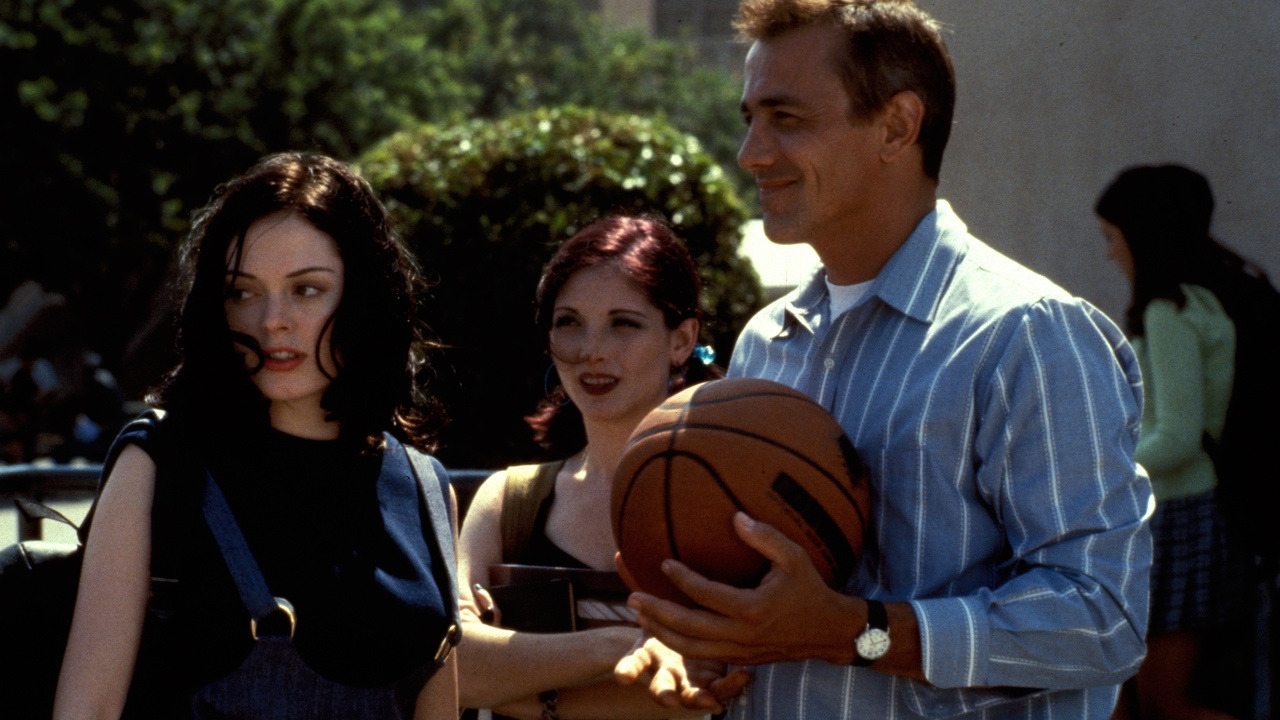
The setup is classic genre fodder: Debbie Strand (Rose McGowan), a troubled teenager with a dark past involving her mother's fiery demise, arrives in a new town to live with her seemingly sweet, religious grandmother (Peg Shirley). Enrolled in the local high school, Debbie immediately sets her sights on Peter Rinaldi (Alex McArthur), her handsome English teacher who seems to be one of the few decent souls around. But Debbie isn't just looking for a good grade; she's weaving a web of obsession, manipulation, and ultimately, violence. It’s the quintessential "bad seed" narrative transposed onto late-90s anxieties, where innocence is merely a mask for calculated malice.
The McGowan Factor

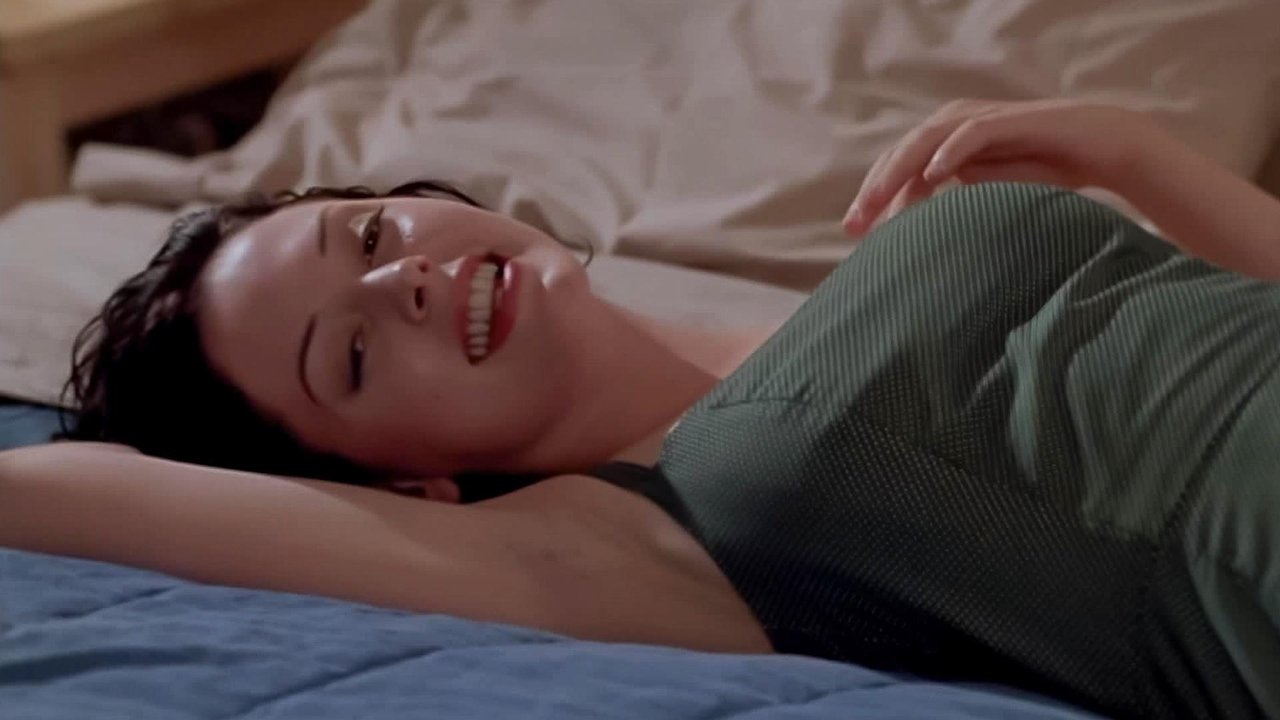
Let's be honest, the primary draw here, then and now, is Rose McGowan. Fresh off her iconic turn as Tatum Riley in Scream (1996) and navigating the period that would soon bring us Jawbreaker (1999), McGowan had cornered a market on characters simmering with a potent blend of vulnerability and venom. In Devil in the Flesh, she leans hard into the latter. Her Debbie Strand is less nuanced psychological study and more force of nature – a black widow in training, using her sexuality and feigned innocence as weapons. McGowan commits fully, delivering lines with a chilling flatness or a sudden, unnerving intensity. Does it sometimes veer into camp? Absolutely. But it's precisely that committed, almost feral energy that elevates the film beyond mere DTV predictability. You believe she's capable of anything, and that keeps you watching, even when the plot mechanics creak. It’s a performance that perfectly embodies the film’s title – an unsettling presence disrupting the mundane.
Straight-to-Video Charm (and Limitations)
Directed by Steve Cohen, whose credits lean heavily towards television and similar genre fare, Devil in the Flesh doesn't exactly reinvent the thriller wheel. The direction is competent but largely unremarkable, hitting the expected beats of suspense and seduction without much visual flair. The lighting often has that slightly overlit, flat look common to lower-budget 90s productions, and the score does its job underlining tension without becoming particularly memorable. It relies heavily on the inherent creepiness of its premise and McGowan's central performance. The supporting cast, including Alex McArthur as the increasingly cornered teacher, fulfill their roles adequately, serving mostly as foils or victims for Debbie's machinations.
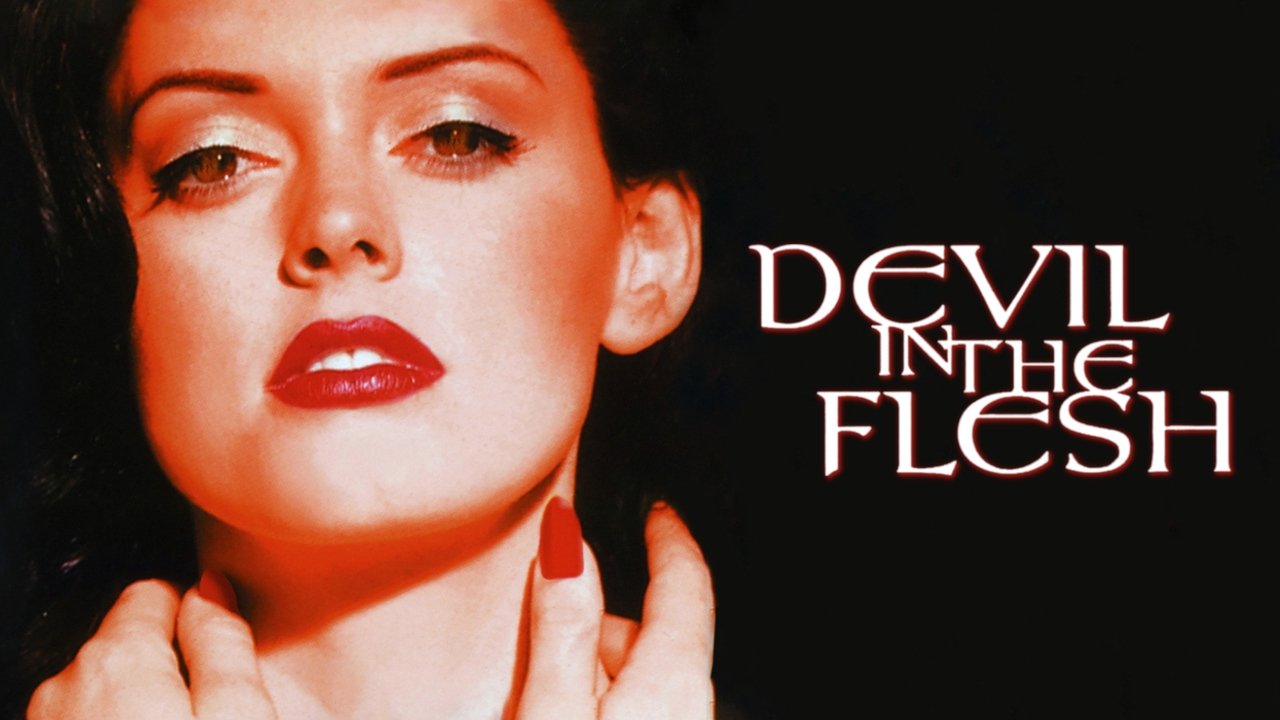
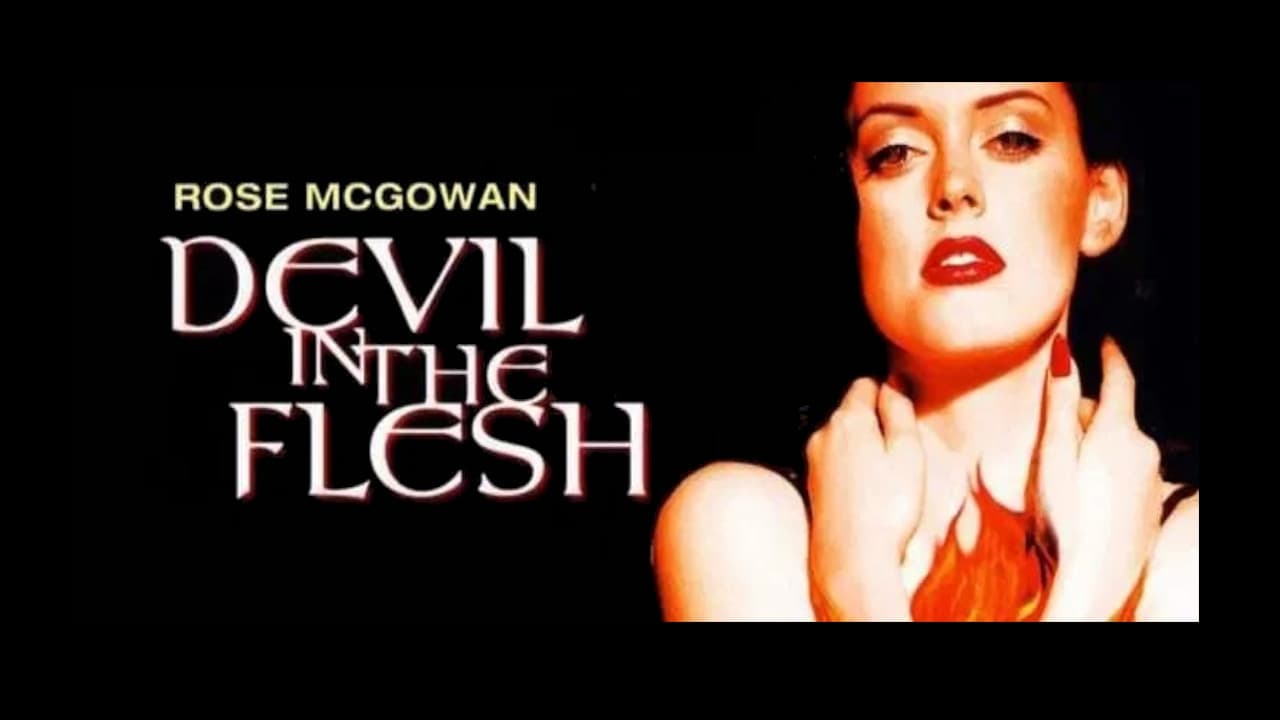
Yet, there’s a certain comfort in its familiarity. This is the kind of thriller that populated countless hours of late-night viewing. It knows its audience and delivers the expected jolts and provocative scenarios. It doesn’t aspire to be high art; it aspires to be a gripping, slightly trashy ride, and in that, it largely succeeds. Remember the specific thrill of finding a movie like this on the shelf, the cover art hinting at just enough danger and allure to make it irresistible? Devil in the Flesh perfectly captures that specific VHS-era appeal.
Retro Fun Facts
While not shrouded in dark legends like some bigger horror hits, Devil in the Flesh has its own place in the retro landscape:
- This film arrived during a peak wave of teen-centric thrillers and horror flicks reinvigorated by Scream's success. It capitalized on the market's appetite for darker high school stories.
- The film clearly draws inspiration from earlier "femme fatale" thrillers like Poison Ivy (1992) and The Crush (1993), transplanting the archetype into a slightly more direct-to-video framework.
- Despite its seemingly contained story, it actually spawned a sequel, Devil in the Flesh 2 (also known as Teacher's Pet), released in 2000, though Rose McGowan did not return. Jodi Lyn O'Keefe took over as the new manipulative student.
- Its direct-to-video status meant it likely avoided major theatrical marketing campaigns, relying instead on provocative VHS box art and cable television deals to find its audience – a common path for many genre films of the era.
Final Judgment
Devil in the Flesh is quintessential late-90s direct-to-video fodder, elevated significantly by Rose McGowan's magnetic and menacing performance. It's predictable, occasionally clunky, and certainly not groundbreaking. Yet, it possesses a certain lurid charm and effectively delivers on its promise of suburban dread and manipulative tension. It taps directly into that specific vein of slightly sleazy, very watchable thrillers that were a staple of the video store era. If you remember renting these kinds of movies purely based on the cover and a craving for uncomplicated thrills, this one hits the spot.
Rating: 6/10
Why this score? It gets points for McGowan's captivating performance, fulfilling its genre promises effectively, and delivering a solid dose of 90s DTV nostalgia. It loses points for predictability, standard direction, and a script that doesn't delve much deeper than its surface-level shocks.
It might not be high art, but Devil in the Flesh is a perfect time capsule of a specific kind of late-90s thriller – the kind you’d discover late one night and find yourself strangely compelled by, long after the credits rolled and the VCR clicked off.
You Might Also Enjoy
Mary Reilly
1996
The Devil's Advocate
1997
Dead Man's Curve
1998
Criminal Lovers
1999
Vice Squad
1982
Violence in a Women's Prison
1982
White Dog
1982
Flowers in the Attic
1987
The Good Son
1993
The Passion of Darkly Noon
1995
Funny Games
1997
In a Glass Cage
1986
Dead Ringers
1988
Single White Female
1992