Eternity and a Day
Okay, pull up a comfy chair, maybe pour yourself something thoughtful. We're digging into a different kind of tape today, one you might have bypassed on the New Releases wall back in '98, nestled perhaps between a flashy blockbuster and a straight-to-video thriller. It wasn't screaming for attention with explosions or witty taglines. No, Theo Angelopoulos' Eternity and a Day (Mia aioniotita kai mia mera) beckoned quietly, promising something...else. And finding it, often tucked away in the expanding 'World Cinema' section of those larger video rental palaces, felt like uncovering a secret.
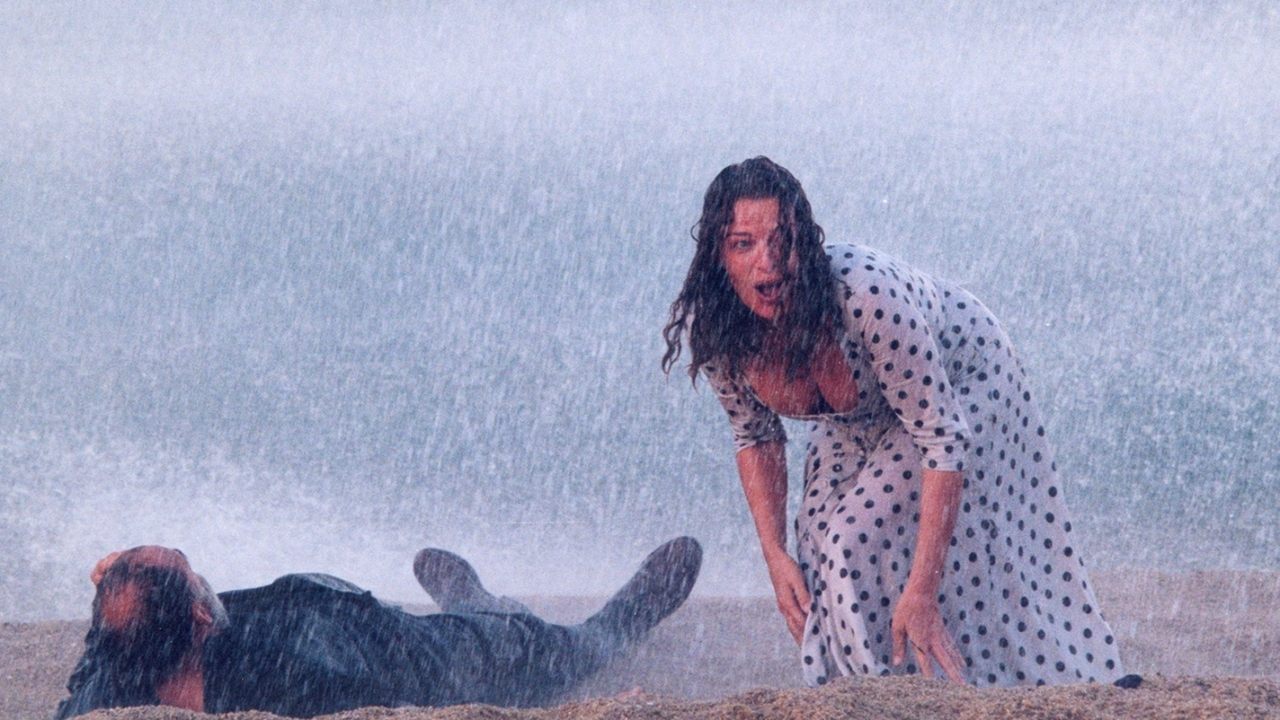
This wasn't your typical Friday night rental, maybe not even your typical Sunday afternoon contemplative watch. It demands patience, a willingness to drift. But oh, the rewards if you give it the time it asks for.
A Journey Through Mist and Memory
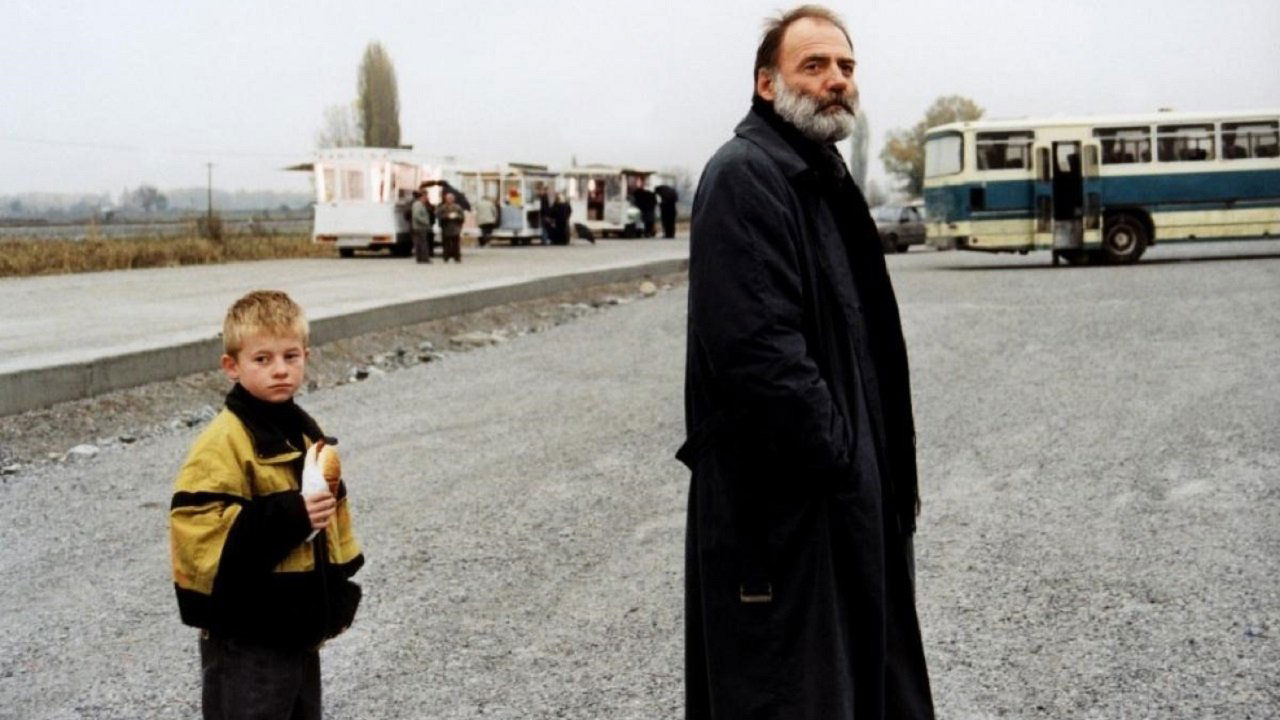
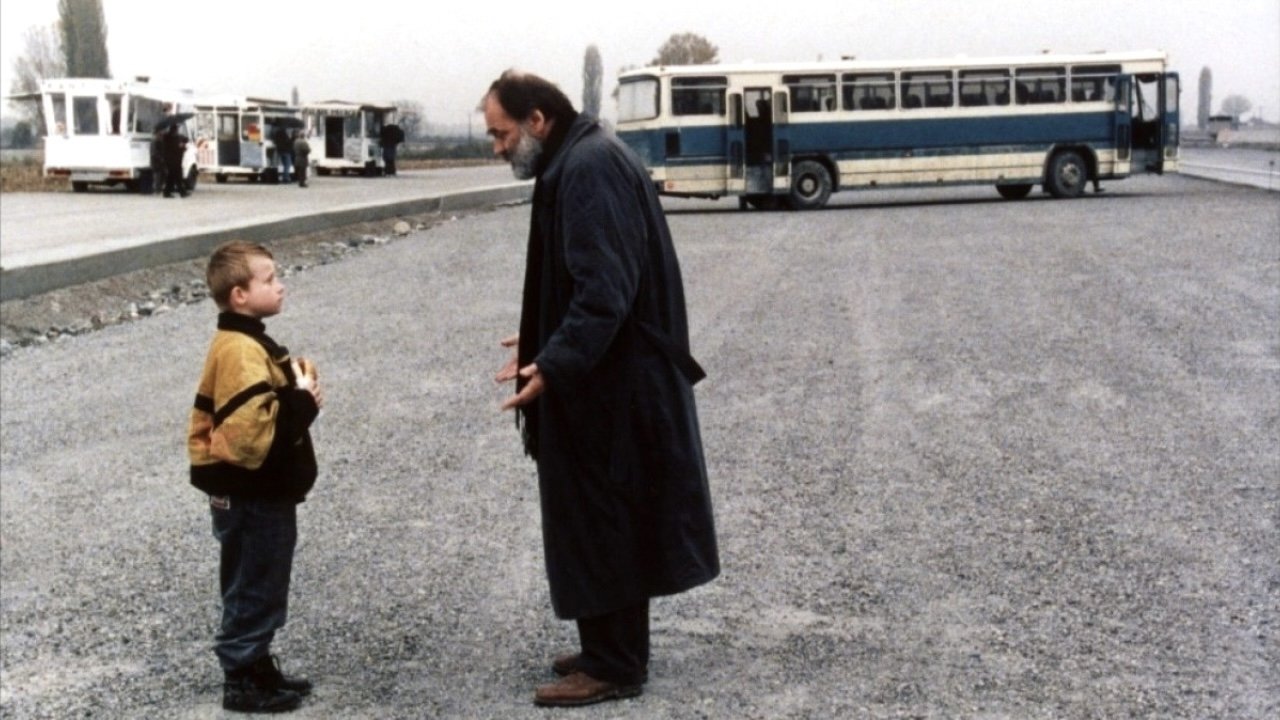
The film centers on Alexandre (Bruno Ganz), an acclaimed but aging writer living in Thessaloniki. Facing his imminent death from an unnamed illness, he prepares to leave his seaside apartment for the last time, bound for the hospital. But his departure becomes a detour, a final 24-hour odyssey prompted by the discovery of unsent letters written by his long-deceased wife, Anna (Isabelle Renauld). These letters, filled with poignant memories of a shared summer day thirty years prior, unlock a flood of reflection. Simultaneously, Alexandre encounters a young Albanian refugee (Achileas Skevis), a nameless boy trying to cross the border, and impulsively decides to help him find his way home – or perhaps, find some sense of closure for himself.
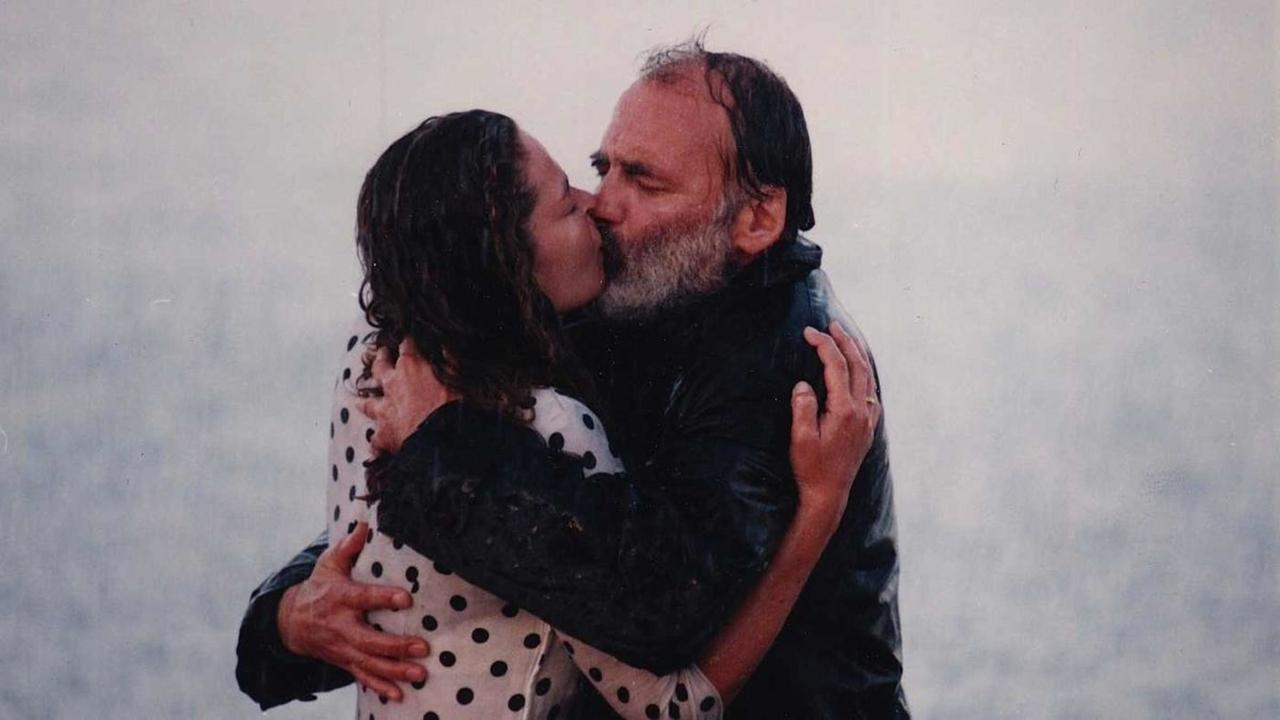
What unfolds isn't a plot in the conventional sense, but a visual poem woven from memory, regret, and the sudden, sharp awareness of time slipping away. Angelopoulos, a master craftsman known for his signature long takes (think Tarkovsky wandering the Greek coast), lets scenes breathe, often holding a shot long after the central action seems complete, allowing the landscape, the light, the very air, to become characters themselves. Remember those directors who weren't afraid of silence, who trusted the image? Angelopoulos was one of the greats. His regular cinematographer, Giorgos Arvanitis, paints with a palette of muted blues, greys, and the ethereal light of the Aegean, creating an atmosphere that feels both dreamlike and profoundly real.
The Weight of a Life in Ganz's Eyes
At the heart of it all is Bruno Ganz. We might remember him later for his towering, terrifying portrayal in Downfall (2004), but here, his performance is a masterclass in quietude and internalized emotion. As Alexandre, Ganz carries the weariness of a lifetime in his posture, the flicker of unresolved questions in his eyes. There's no grandstanding, no theatrical despair. Instead, he conveys a universe of feeling – love, loss, the ache of unspoken words – through subtle shifts in expression, a hesitant gesture, the way he listens to the haunting score by Eleni Karaindrou, which becomes almost another voice in the film. Watching him navigate these final hours, interacting with the spectral memories of his wife and the tangible reality of the lost boy, is utterly compelling. You feel this weight with him, don't you? The burden of what was and what might have been.
Poetry in Motion, Patience Required
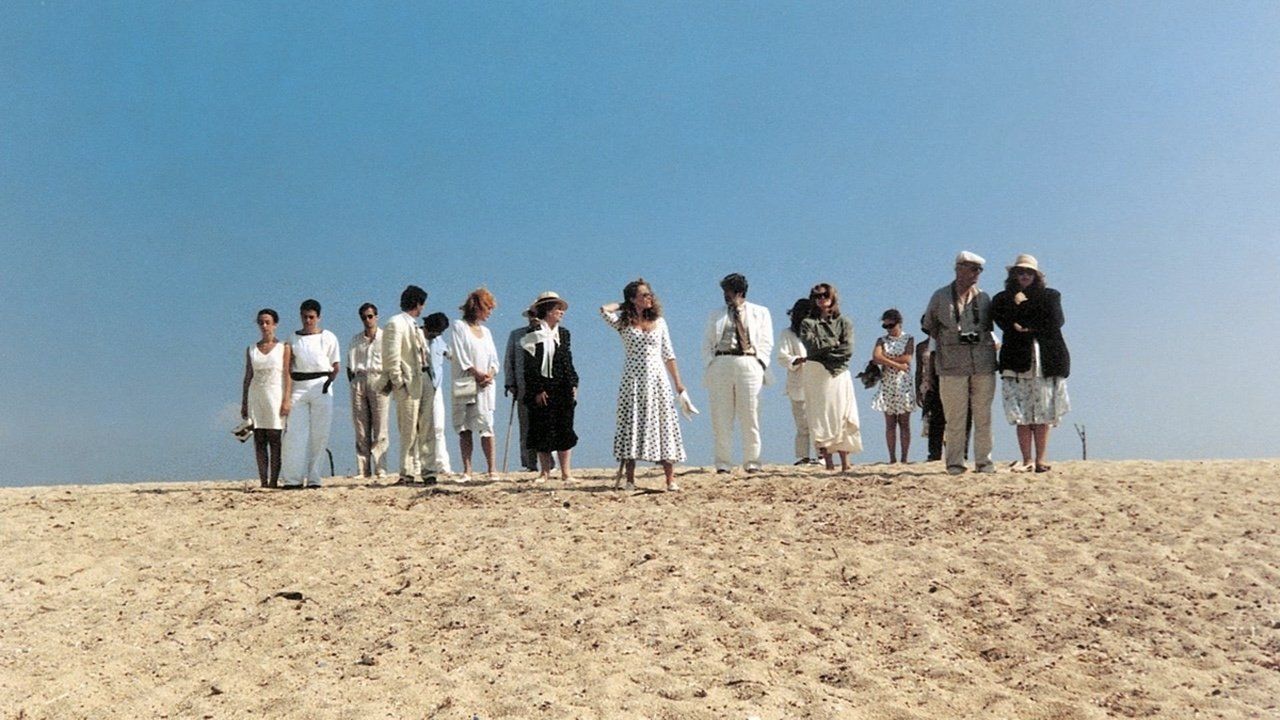
This isn't a film driven by dialogue; it's driven by movement, by journeys both physical and internal. The recurring image of a slow-moving bus carrying figures dressed in yellow raincoats becomes a potent symbol – perhaps of passage, of collective journeys, or maybe just one of those indelible images Angelopoulos conjured seemingly from the mist itself. He was known for his meticulousness, sometimes waiting days on set for the perfect cloud formation or quality of light, a dedication that shines through in every frame. It’s said that his collaboration with the legendary Italian screenwriter Tonino Guerra (who often worked with Fellini and Antonioni) was crucial in shaping the film's poetic structure.
Eternity and a Day doesn’t offer easy answers. It asks profound questions: How much life can fit into a single day? What moments truly define us? What do we owe to the past, and to the strangers who cross our path? The relationship between Alexandre and the Albanian boy isn't sentimentalized; it's tentative, marked by language barriers and unspoken understanding, yet it provides Alexandre with a final, unexpected connection, a chance to act meaningfully in the present moment. It's a testament to the power of empathy, even when facing one's own end.
This film swept the prestigious Palme d'Or at the 1998 Cannes Film Festival, a recognition of its artistry and emotional depth. But back on the video store shelf, it might have seemed daunting. It requires a different viewing mode than the films we usually champion here at VHS Heaven – less adrenaline, more immersion. It asks you to slow down, to observe, to feel the texture of time itself.
Final Reflection
Eternity and a Day is a rare cinematic experience. It’s melancholic, yes, but also deeply beautiful and humane. It’s a film that lingers, like the echo of a half-remembered song or the scent of rain on a summer afternoon. It reminds us that even as time runs out, there are moments of grace, connection, and profound meaning to be found, sometimes in the most unexpected encounters. It’s a journey worth taking, even if it demands you leave your usual viewing habits at the door.
Rating: 9/10
This score reflects the film's masterful direction, Bruno Ganz's unforgettable performance, its stunning cinematography, and its profound thematic depth. It’s a near-perfect execution of a specific, challenging artistic vision. The slight deduction acknowledges that its deliberate pacing and contemplative nature won't resonate with every viewer, requiring a significant investment of patience and attention. However, for those willing to meet it on its terms, it's an incredibly rewarding piece of late 90s cinema.
It leaves you wondering, doesn't it? What moments make up your eternity?
You Might Also Enjoy
Beyond the Clouds
1995
Ulysses' Gaze
1995
Wings of Desire
1987
Identification of a Woman
1982
The Night of the Shooting Stars
1982
And the Ship Sails On
1983
Nostalghia
1983
Kaos
1984
Ginger and Fred
1986
The Beekeeper
1986
Chronicle of a Death Foretold
1987
Landscape in the Mist
1988
Everybody's Fine
1990
The Suspended Step of the Stork
1991