High Art
The air in Lucy Berliner's apartment feels thick, doesn't it? Watching High Art again after all these years, that sense of intoxicating, smoke-filled confinement immediately returns. It’s a world away from the sterile ambition of the Manhattan magazine offices where Syd first hatches her plan. Released in 1998, this wasn't the kind of film you stumbled upon easily at Blockbuster; it felt more like a discovery, tucked away on the indie shelf, whispering promises of something raw and complex. And raw it certainly was.
A Collision of Worlds
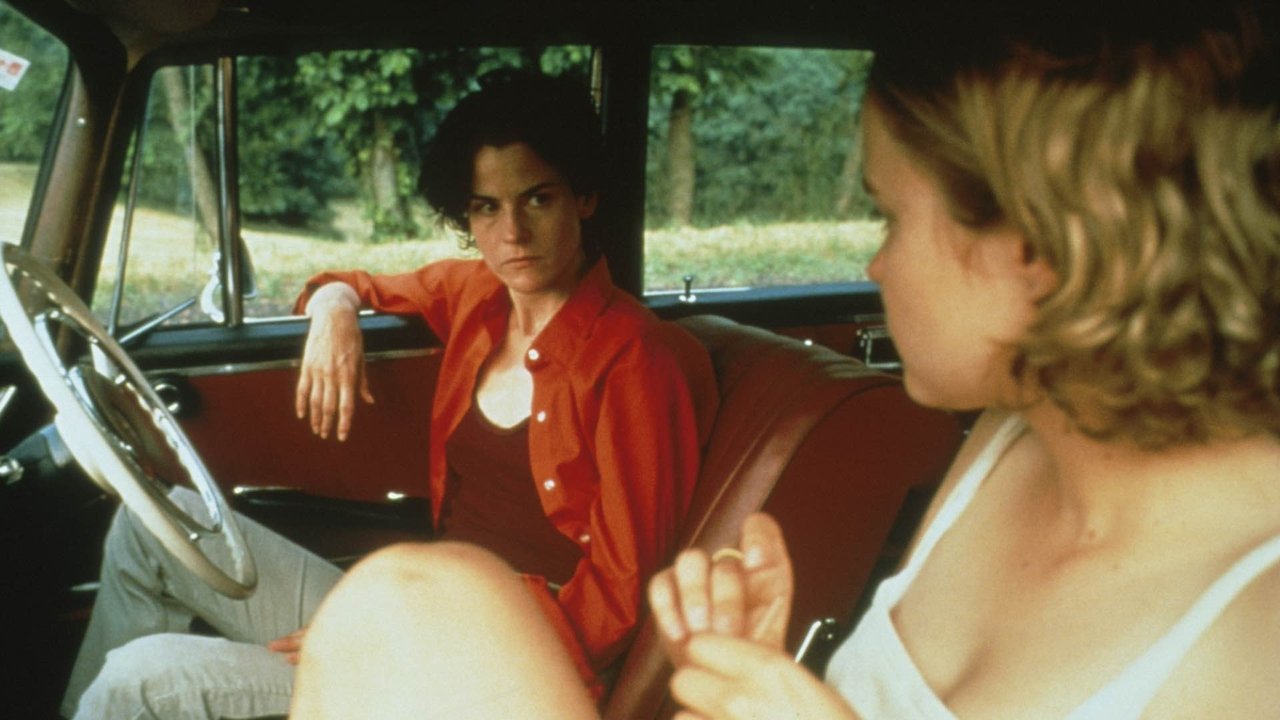
At its heart, High Art charts the dangerous orbit that develops between two women. Syd (Radha Mitchell), a young, eager assistant editor at the prestigious photography magazine Frame, lives a fairly conventional life with her boyfriend in a New York apartment. Ambition burns brightly in her, a desire to make her mark. A leaky ceiling leads her upstairs, directly into the languid, heroin-hazed salon of her neighbor, Lucy Berliner (Ally Sheedy). Lucy, it turns out, is a once-celebrated photographer who walked away from the commercial art world years ago, choosing obscurity and a complicated life with her German girlfriend, Greta (Patricia Clarkson), a former Fassbinder actress clinging to faded glamour and a shared addiction. Syd sees a scoop, a path to promotion; Lucy, perhaps, sees a spark, a chance to create again, or maybe just a new distraction. What unfolds is a mesmerizing, and ultimately troubling, dance of ambition, desire, and exploitation.
The Seductive Haze
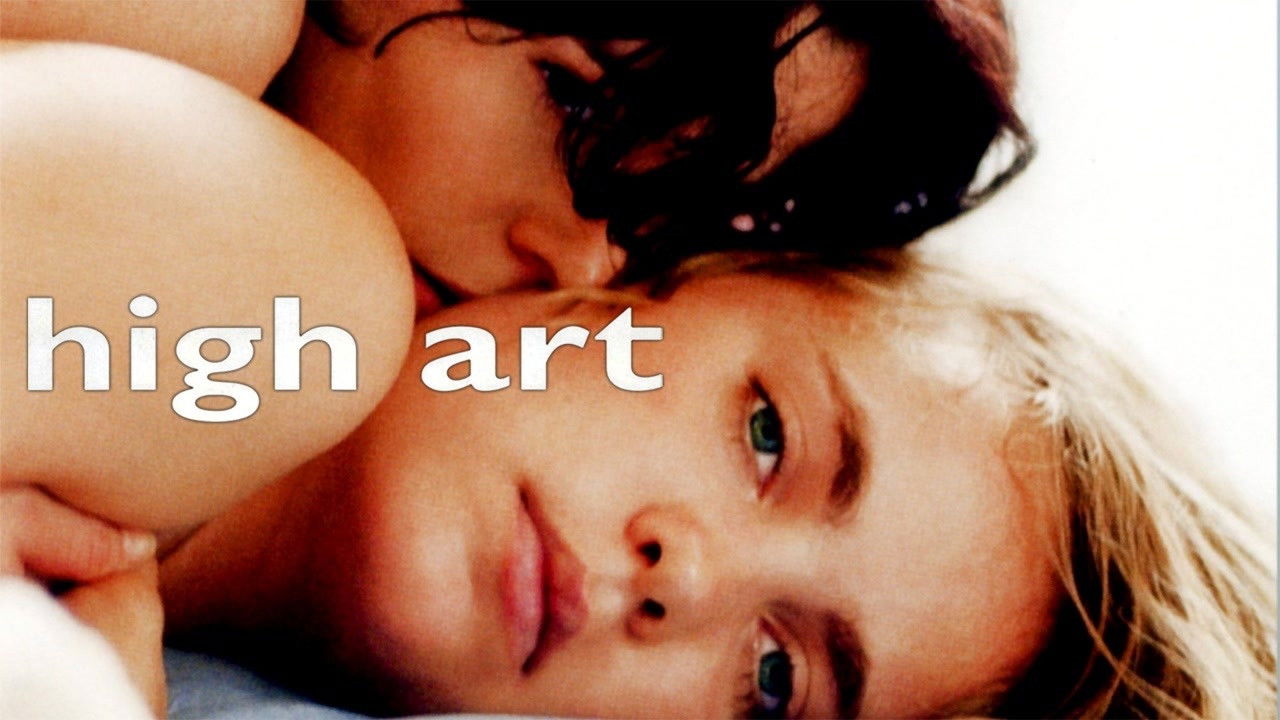
Director Lisa Cholodenko, making an incredibly assured feature debut here, crafts an atmosphere that’s both seductive and suffocating. Lucy’s apartment isn’t just a setting; it’s a character in itself – dimly lit, cluttered with art and the detritus of lives lived outside conventional boundaries, perpetually filled with the murmur of conversations and the ethereal sounds of Shudder to Think's score. We understand why Syd is drawn in. It represents an authenticity, a depth, she craves, far removed from the glossy surfaces of Frame. Cholodenko, who also penned the screenplay (winning the Waldo Salt Screenwriting Award at Sundance for her efforts), drew inspiration from the real downtown art scene and figures like photographer Nan Goldin, lending the environment a palpable sense of lived-in reality. The film doesn't shy away from the grim realities of addiction, depicting heroin use with a frankness that felt bracingly honest back in '98, never glamorizing but never condemning either, simply presenting it as part of the fabric of this particular world.
Performances That Resonate
What truly elevates High Art is the trio of central performances, each feeling startlingly authentic. For many of us who grew up seeing Ally Sheedy in John Hughes films like The Breakfast Club (1985), her transformation into Lucy Berliner was astonishing. Gone was the quirky outsider; in her place stood a woman of immense talent worn down by disillusionment and addiction, radiating a weary intelligence and a fragile, magnetic charisma. It's a performance devoid of vanity, deeply internalized. Sheedy reportedly took a significant pay cut for the role, recognizing its power, and it completely revitalized her career, reminding everyone of her considerable dramatic range. This wasn't just acting; it felt like witnessing a profound unveiling.
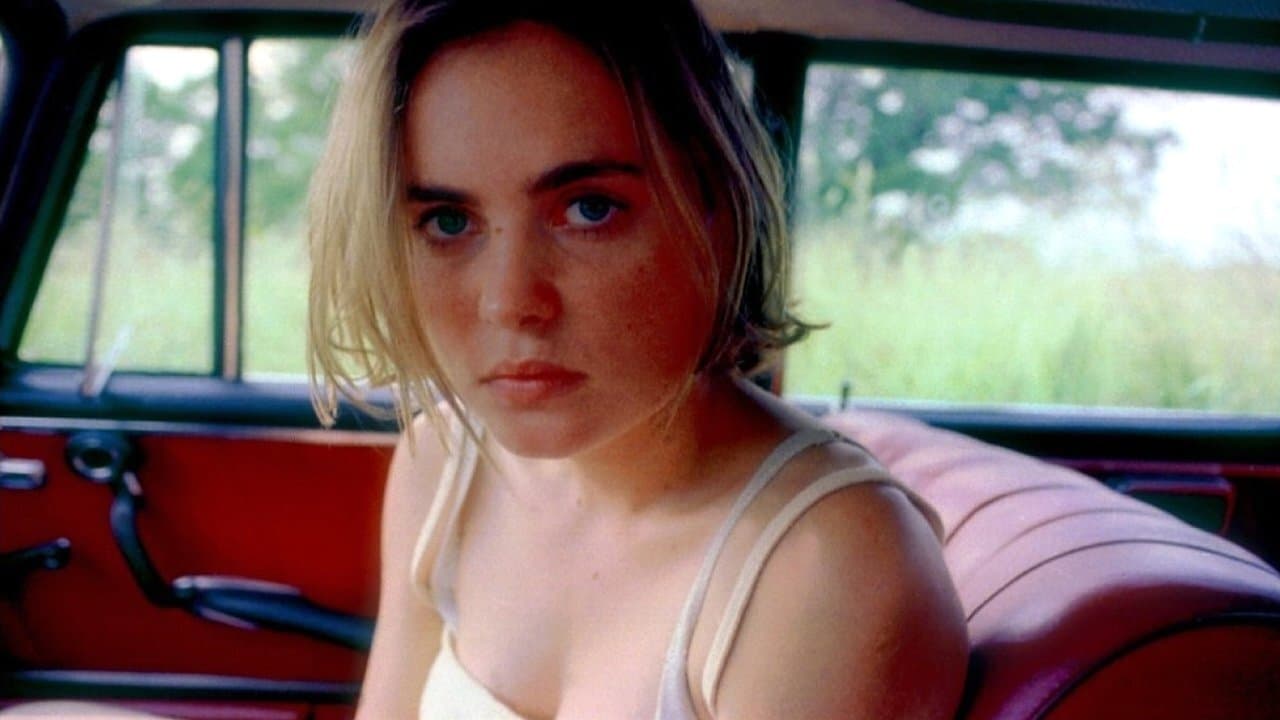
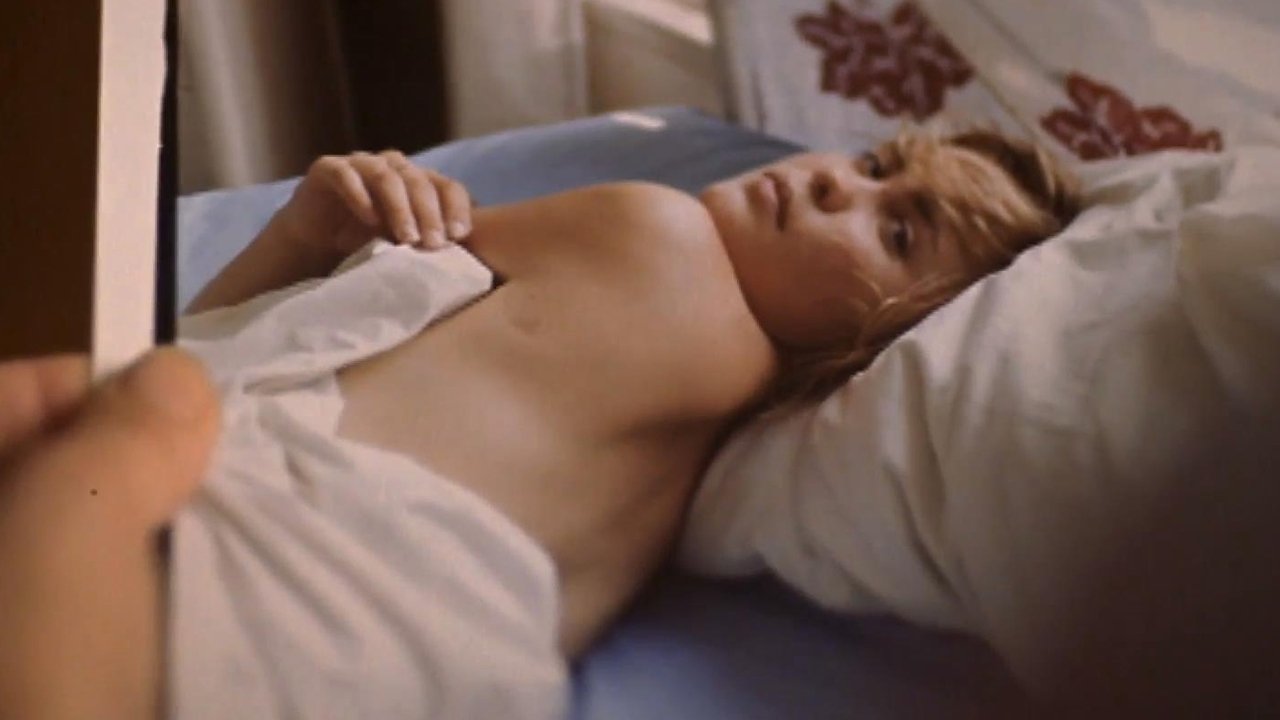
As Syd, Radha Mitchell, then relatively unknown to American audiences, is equally compelling. She perfectly captures Syd’s initial wide-eyed ambition, the gradual slide into fascination, and the complex mix of genuine connection and calculated self-interest that drives her interactions with Lucy. We see the moral compromises happening in real-time, etched onto her expressive face. Her vulnerability makes Syd relatable, even as her choices become increasingly questionable. Doesn't her journey raise uncomfortable questions about how easily ambition can curdle into exploitation, even when wrapped in the language of admiration?
And then there’s Patricia Clarkson as Greta. In a role that could easily have become caricature, Clarkson finds exquisite nuances. Her Greta is possessive, perceptive, tragically dependent, yet possessed of a sharp, sometimes cruel, wit. Her physicality – the way she drifts through the apartment, observes interactions, delivers lines with a drug-inflected drawl – is captivating. It’s one of those early powerhouse performances that signaled the incredible career to come. Watching Sheedy, Mitchell, and Clarkson navigate their complex triangle is the film’s undeniable core strength.
Indie Grit and Lasting Questions
High Art was reportedly shot on a tight budget (around $1 million) and an even tighter schedule (just 19 days). This constraint likely contributed to its raw, intimate feel. There's an immediacy to Tami Reiker's cinematography, a sense of being right there in those cramped, smoky rooms. Cholodenko’s direction is sensitive and observant, focusing on the subtle shifts in power and intimacy between the characters. It avoids easy answers or judgments, forcing us instead to contemplate the tangled relationship between art, commerce, love, and addiction.
Is great art worth any cost? Can genuine connection blossom amidst manipulation? What happens when inspiration becomes entangled with destruction? These aren't new questions, perhaps, but High Art explores them with a quiet intensity and a specifically late-90s indie sensibility that feels both nostalgic and timeless. It captured a certain mood, a specific corner of the creative world, with unflinching honesty. Finding this gem on VHS felt like uncovering a secret, a more adult, complicated story than the usual fare.
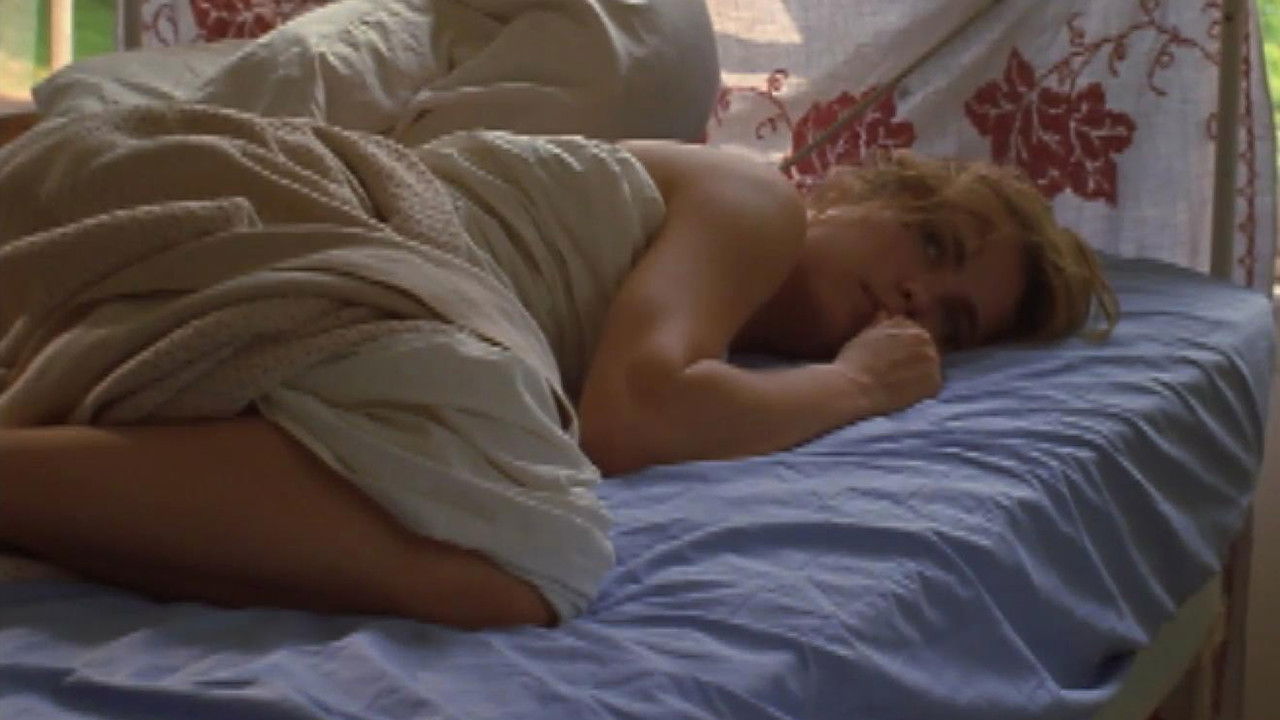
Rating: 9/10
This score reflects the film's exceptional performances, particularly Sheedy's career-defining turn, Cholodenko's remarkably confident direction and writing in her debut, and its unflinching, atmospheric exploration of complex themes. It avoids sensationalism, opting for a devastatingly quiet emotional impact. While the pacing is deliberate and the subject matter heavy, its artistry and psychological depth are undeniable. It’s a near-perfect execution of a challenging character study.
High Art remains a potent piece of late-90s independent cinema, a film that lingers long after the credits roll, leaving you pondering the shadows that often lie just beneath the surface of creativity and desire. It's a stark reminder that sometimes, the most compelling art emerges from the most troubled spaces.