Love Is the Devil: Study for a Portrait of Francis Bacon
It begins not with a brushstroke, but with a warped reflection. A face swims into view, distorted by bevelled glass, the features momentarily grotesque, fragmented, yet undeniably human. This is how director John Maybury plunges us into the world of Francis Bacon in Love Is the Devil: Study for a Portrait of Francis Bacon (1998), a film less concerned with biographical bullet points than with capturing the chaotic, often cruel, emotional landscape from which the artist’s visceral canvases emerged. It’s a bold choice, especially considering the film famously, perhaps necessarily, avoids showing Bacon’s actual paintings – a constraint born from the Bacon estate’s refusal, which paradoxically forces Maybury into a more inventive, purely cinematic interpretation.
A Brutal Kind of Intimacy
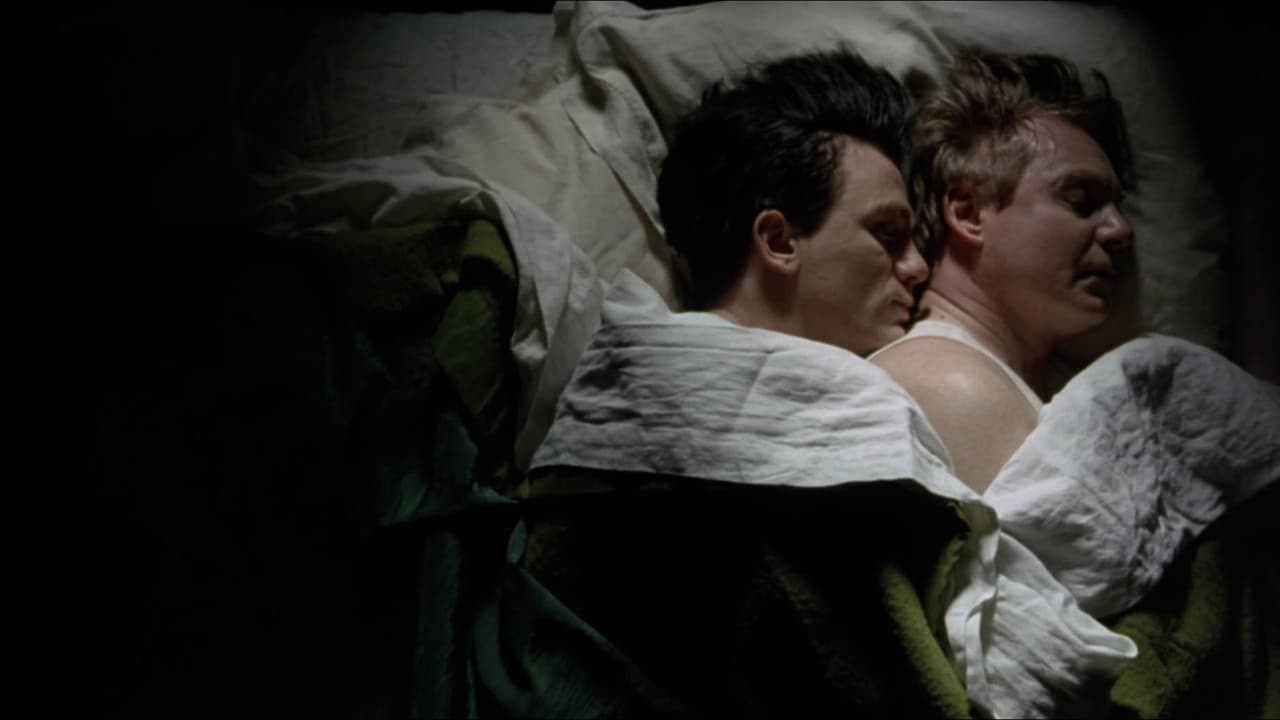
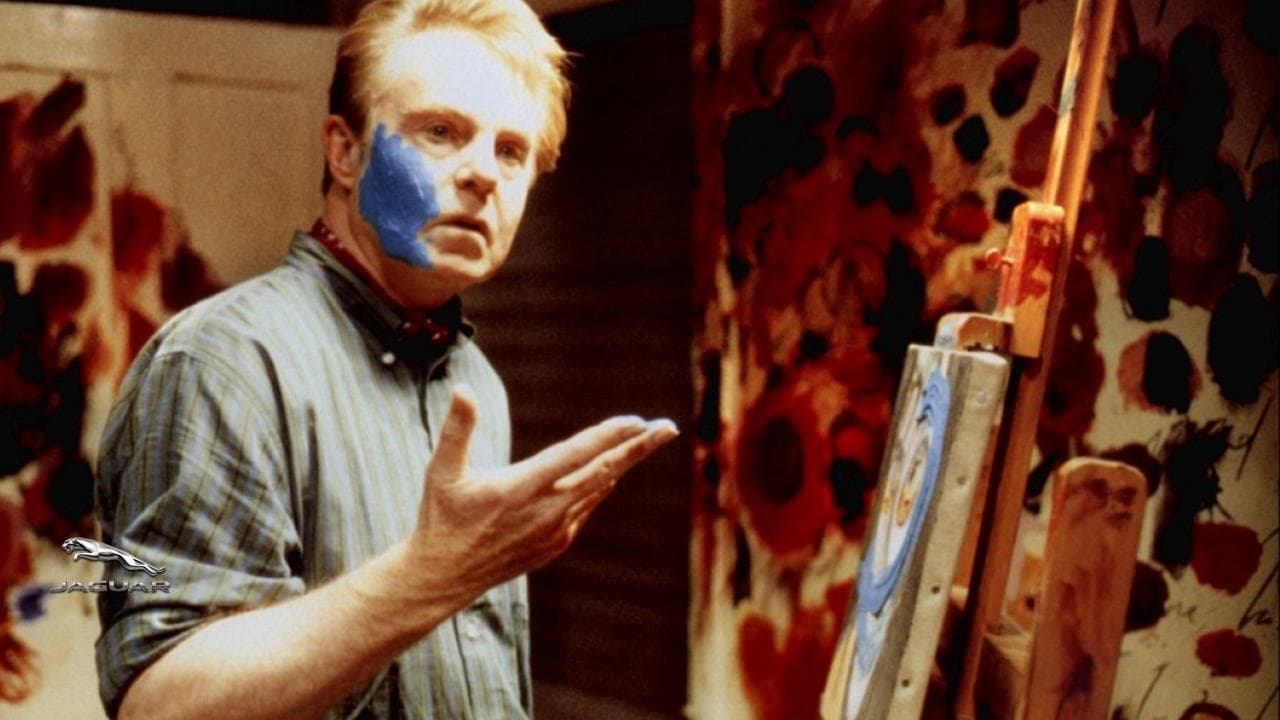
At the pulsing, nicotine-stained heart of the film lies the tempestuous relationship between Bacon, played with astonishing, reptilian precision by Derek Jacobi, and George Dyer, embodied with a raw, heartbreaking vulnerability by a then relatively unknown Daniel Craig. Their meeting is stark, almost transactional: Dyer, a petty thief, literally falls through Bacon’s skylight during a botched burglary. Bacon, rather than calling the police, invites him into his bed, initiating a destructive symbiosis fuelled by alcohol, intellectual sparring, and a deep-seated mutual neediness masked by cruelty. Jacobi, who had actually met Bacon briefly decades earlier, doesn't just impersonate; he inhabits the artist’s chilling charisma, his clipped pronouncements carrying the weight of both profound insight and casual sadism. What does it mean when fascination tips into exploitation, when love manifests as a slow, meticulous act of dismantling? The film forces us to sit with that discomfort.
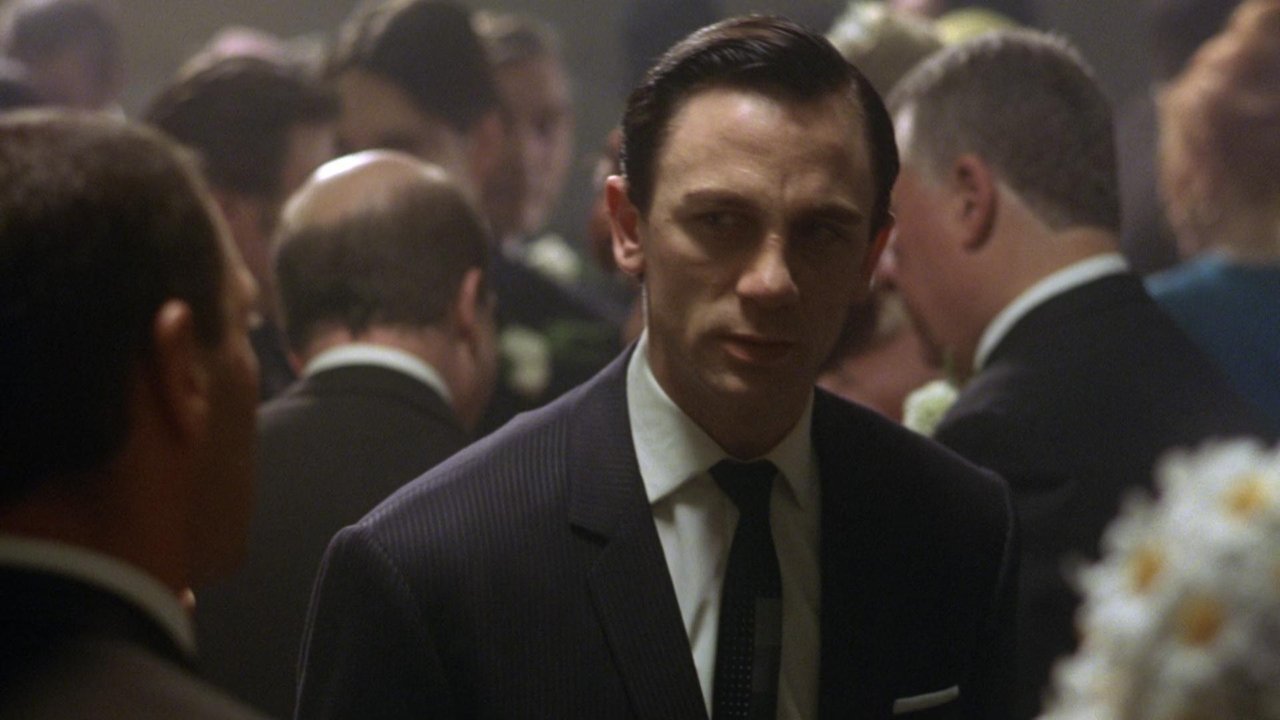
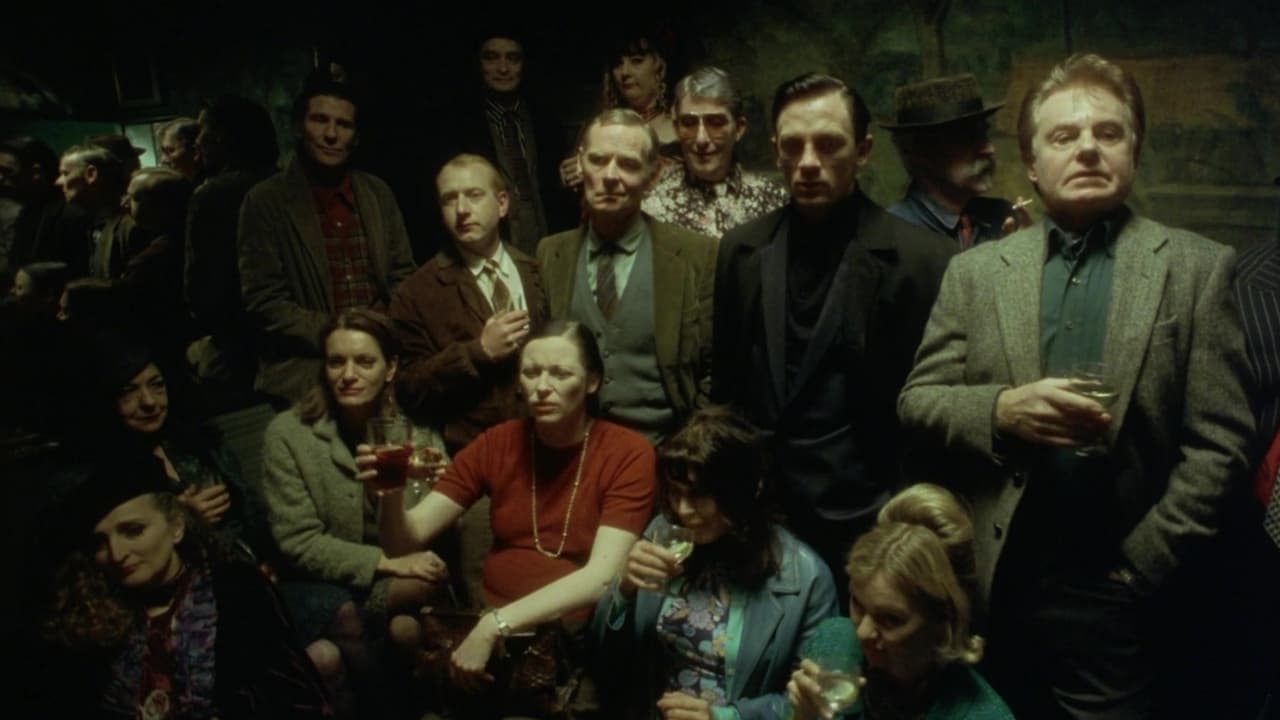
Opposite him, Craig is a revelation. Long before he donned Bond’s tuxedo, he delivered this performance of profound physicality and simmering desperation. His Dyer is handsome, damaged, out of his depth in Bacon’s bohemian milieu of the Colony Room Club – presided over with glorious, gin-soaked hauteur by Tilda Swinton as Muriel Belcher. Dyer becomes Bacon’s muse, his lover, his victim, his “perfect piece of shit,” and Craig charts this tragic trajectory with devastating authenticity. We see the initial swagger curdle into confusion, then dependence, then utter despair. It’s a performance that lingers, a study in how charisma can corrode a soul.
Through a Glass, Darkly
John Maybury, drawing on his background in experimental film and music videos (a lineage evident in the striking visual language), crafts a film that feels like a Bacon painting. He uses warped perspectives, shoots through pint glasses and distorted mirrors, employs jarring close-ups, and bathes scenes in sickly, unnatural light. The claustrophobic sets, particularly Bacon’s famously chaotic Reece Mews studio, become extensions of his psyche. Denied the use of the actual artworks, Maybury and cinematographer John Mathieson brilliantly translate Bacon’s aesthetic principles – the isolation, the fleshy vulnerability, the sense of figures trapped within oppressive spaces – into the very fabric of the film. It’s a masterclass in finding creative solutions within limitations, achieved on a relatively modest budget (around £1.5 million). The soundtrack, too, often dissonant and unsettling, contributes significantly to the pervasive sense of unease.
The Artist and His Shadow
Beyond the central relationship, Love Is the Devil touches upon the nature of artistic creation – the vampiric element, the way life (and other people) becomes raw material. Bacon watches Dyer, studies him, dissects him emotionally and psychologically, seemingly transmuting that pain onto canvas (even if we don't see the result). The film’s title, referencing Bacon's famous 1969 triptych of Dyer, underscores this theme: love, or perhaps obsession, as the devil driving the creative impulse. Trivia buffs might appreciate knowing that the initial script treatments apparently did plan to feature the paintings, but the estate's denial forced Maybury down this arguably more interesting path, focusing on the source of the art rather than the product. It makes the film less of a standard biopic and more of an intense psychological study, closer in spirit to its subject.
Watching it again now, years after first finding it tucked away in the 'World Cinema' section of my local video store, its power hasn't diminished. It's not an easy watch; the emotional violence is relentless, the atmosphere often suffocating. There’s little redemption offered, only the bleak reality of two intertwined lives spiralling towards oblivion. Yet, there’s a strange, compelling beauty in its ugliness, a truthfulness in its refusal to romanticize either the artist or the destructive passion he inspired. It's the kind of challenging, artistically ambitious filmmaking that felt like a rare discovery on VHS, a stark contrast to the slicker mainstream fare.
Rating: 9/10
This score reflects the film's audacious artistic vision, the powerhouse performances from Jacobi and Craig, and its success in creating a unique cinematic language to explore its difficult subject. It masterfully overcomes the significant hurdle of not showing Bacon's art by instead immersing us in the very atmosphere that birthed it. It loses a point only because its unrelenting intensity and bleakness make it a demanding, and perhaps not universally palatable, experience.
Love Is the Devil doesn't offer easy answers about Francis Bacon, George Dyer, or the tormented relationship between life and art. Instead, it leaves you haunted by images, by performances, by the chilling suggestion that sometimes, the most profound connections are forged in the crucible of mutual destruction. What lingers is the echo of Bacon's cold pronouncements and the ghost of Dyer's shattered gaze, reflected back, distorted but undeniable.