Permanent Midnight
It’s a peculiar kind of unease that settles in when comedy takes a sharp, unexpected turn into darkness. We saw Ben Stiller explode into superstardom in 1998 with the outrageous laughs of There's Something About Mary, a film practically synonymous with late-90s gross-out humor. Yet, the very same year, tucked away on the shelves of the video store, often overshadowed by its blockbuster sibling, was another Stiller vehicle: Permanent Midnight. Renting this tape, perhaps expecting more of his familiar manic energy channeled differently, was often the prelude to a viewing experience far more raw and unsettling than anticipated. This wasn't a laugh riot; it was a harrowing freefall into the abyss of addiction, disguised under the bright, plastic sheen of Hollywood success.

From Mr. Chompers to Rock Bottom
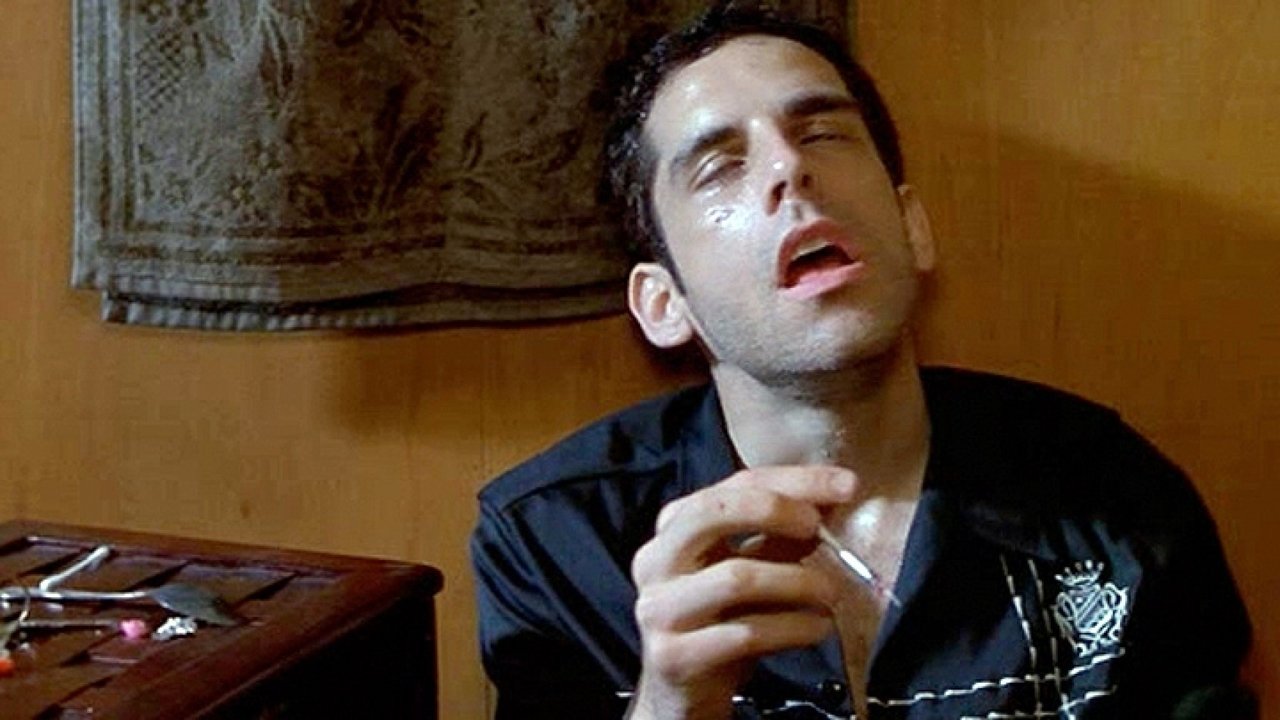
Based on the unflinchingly honest autobiography of television writer Jerry Stahl, Permanent Midnight offers a portrait of addiction stripped bare of romanticism. Stahl, played with a career-defining intensity by Stiller, navigates the bizarre duality of scripting wholesome family entertainment (most famously, the film fictionalizes his time writing for ALF with the puppet character "Mr. Chompers") while simultaneously nursing a debilitating $6,000-a-week heroin habit. It's this central irony – the man crafting comforting narratives for children while living a life teetering on self-destruction – that gives the film its jagged edge.
Stiller’s performance here is nothing short of a revelation. Known then primarily for sketch comedy and lighter film roles, he dives headfirst into Stahl's persona – the jittery energy, the desperate charm used to manipulate, the vacant stare of the high, and the gut-wrenching physicality of withdrawal. He doesn't just mimic addiction; he embodies the psychological torment, the constant, gnawing hunger that eclipses everything else. It’s said Stiller spent significant time with Stahl himself, absorbing the cadence and the weary cynicism, and it shows. This isn't caricature; it’s a deeply felt portrayal of a man desperately trying, and often failing, to keep his head above water. I remember being genuinely taken aback seeing him shed his comedic skin so completely – it was a sign of the dramatic range he possessed, something audiences would see more of later in films like The Royal Tenenbaums (2001).

A Glimpse Behind the Velvet Rope
Director and co-writer David Veloz, adapting Stahl's own words (Stahl shares screenplay credit), crafts a film that feels authentically steeped in the less glamorous corners of late-90s Los Angeles. It avoids sensationalism, opting instead for a gritty, almost documentary-like feel in its depiction of Stahl's descent. The contrast between the bright, artificial world of television studios and the dimly lit motel rooms and back alleys where Stahl scores is stark and effective. This wasn't a Hollywood fairytale; it was a Hollywood nightmare, playing out just behind the sun-drenched façade.
The supporting cast lends crucial authenticity. Maria Bello, as Stahl's rehab confidante Kitty, brings a grounded warmth and weary understanding that provides a necessary counterpoint to Stahl’s chaos. And Elizabeth Hurley as Sandra, Stahl's supportive but ultimately enabling British wife/agent, perfectly captures the seductive allure and inherent dangers of the Hollywood ecosystem that Stahl is trapped within. Her performance hints at the complex blend of affection, ambition, and perhaps willful blindness required to stay tethered to someone in Stahl's condition.

The Price of Honesty
Permanent Midnight wasn't an easy sell in 1998. Made for a modest $6 million (around $11.3 million today), it struggled to find a wide audience, grossing just over $1.3 million domestically. Its unflinching subject matter and Stiller's against-type casting likely proved challenging for mainstream marketing. Contemporary reviews were mixed (it currently sits at 60% on Rotten Tomatoes), perhaps reflecting a discomfort with the film's bleakness and refusal to offer easy answers or a tidy redemption arc. Yet, like so many films from the era that found their true audience on VHS and cable, its honesty resonated. There's a power in its refusal to look away, to depict the sheer grind and degradation of severe addiction without flinching.
Does the film fully capture the savage wit found in Stahl's prose? Perhaps not entirely – translating that specific literary voice is always a challenge. But Veloz and Stiller succeed in conveying the desperation and the dark, survivalist humor that often accompanies rock bottom. Think about the scenes involving the fake urine sample – it’s horrifyingly bleak, yet tinged with the absurdity that often permeates real-life tragedy. The film forces us to confront uncomfortable truths about the nature of addiction and the often-invisible struggles happening behind seemingly successful lives. What does it say about our culture when the creation of comforting fiction requires such personal devastation?
Rating: 7.5/10
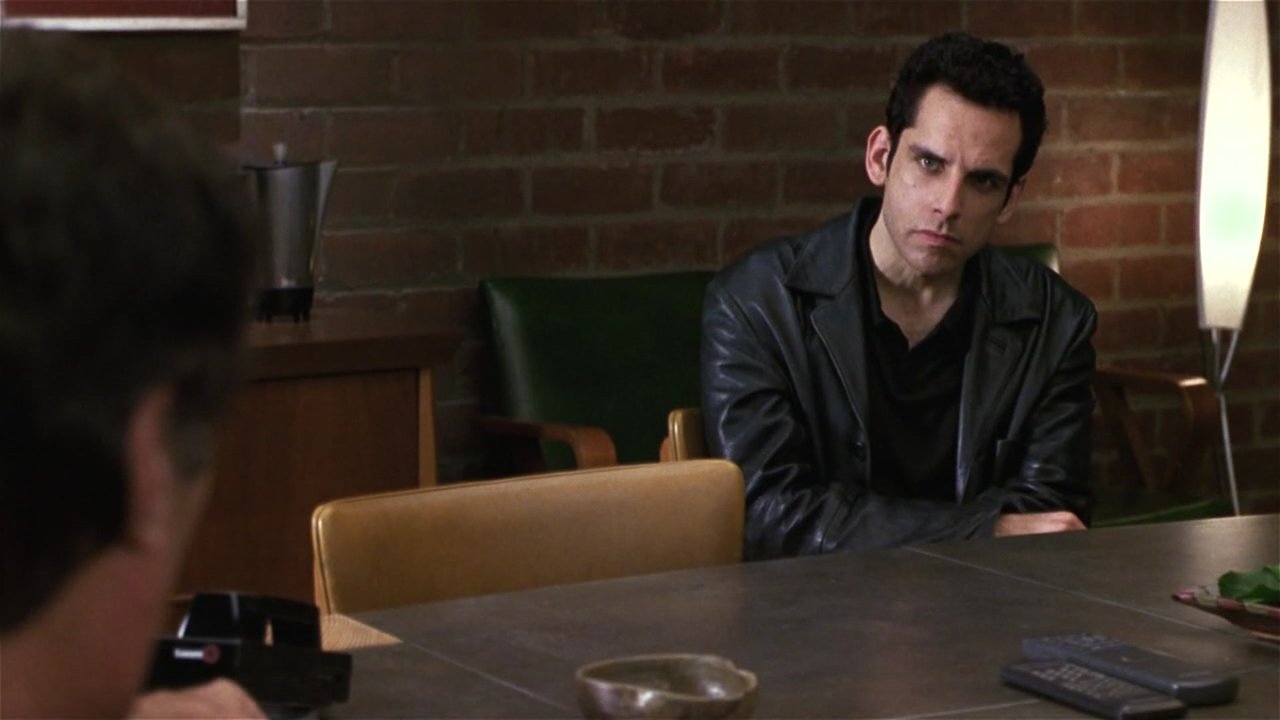
This score reflects the film's strengths: Ben Stiller's phenomenal, transformative performance, its unflinching honesty, and its effective capture of a specific, gritty reality beneath the Hollywood gloss. It’s a vital piece of late-90s independent filmmaking that dared to tackle difficult subject matter head-on. The deduction comes perhaps from a slightly uneven pace at times and the sheer, unremitting bleakness which, while true to the source, can make it a challenging watch. It doesn't quite reach the literary heights of the book, but as a cinematic adaptation, it’s potent and deeply affecting.
Permanent Midnight remains a stark reminder, preserved on those worn-out rental tapes, that sometimes the most unsettling stories are the truest ones, and that darkness can lurk just beneath the brightest studio lights. It lingers not as entertainment, but as a sobering glimpse into a very real, very human hell.