Rear Window
The Weight of a Window: Reflecting on 1998's Rear Window
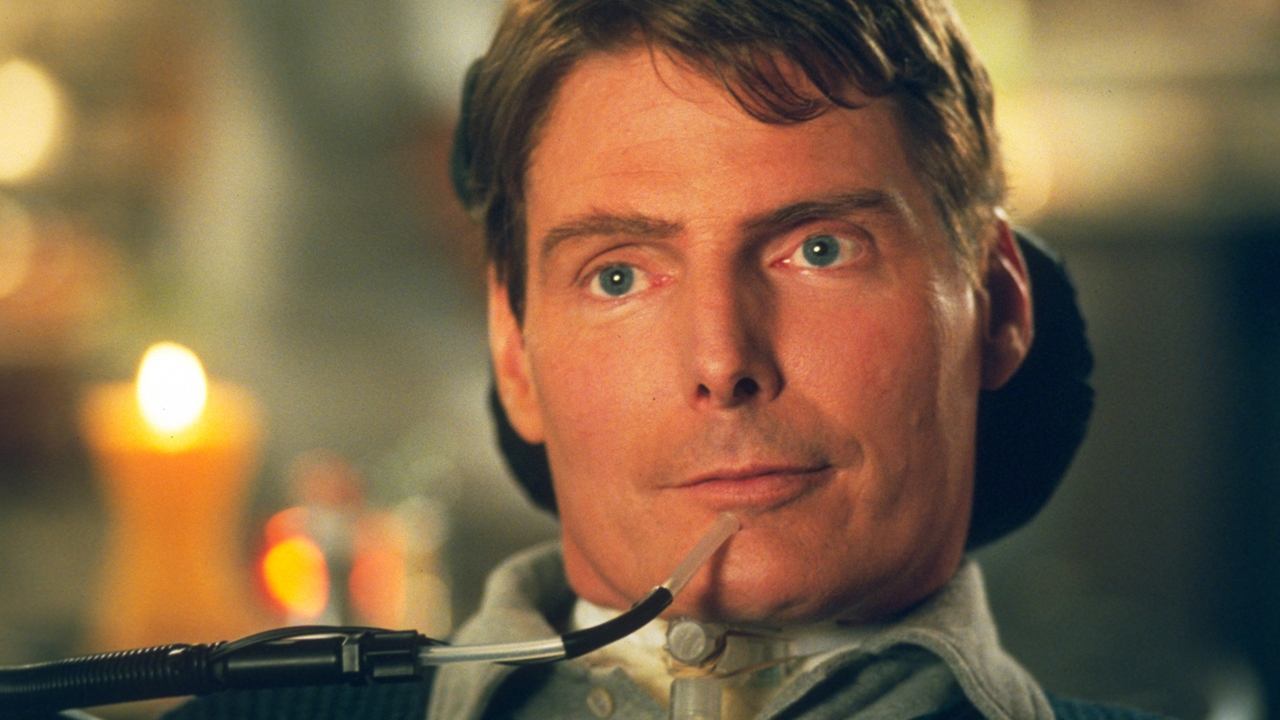
There are films, and then there are events. Sometimes, the story surrounding a movie becomes as significant, as potent, as the narrative unfolding on screen. Few remakes carry the inherent weight, both cinematic and deeply human, as the 1998 television adaptation of Rear Window. Stepping into the shadow of Alfred Hitchcock's 1954 masterpiece is a monumental task for any production. Doing so with Christopher Reeve – in his first acting role following the devastating 1995 accident that left him paralyzed – transforms the viewing experience into something far more profound than simple entertainment. I remember encountering this on TV, maybe catching it later on a well-worn rental tape, and feeling that palpable sense of anticipation mixed with a certain delicate reverence.
More Than Just a Remake
Let's be clear: Hitchcock's Rear Window is cinematic scripture. Based on Cornell Woolrich's short story "It Had to Be Murder," its genius lies in its contained suspense, its voyeuristic tension, and the magnetic chemistry between James Stewart and Grace Kelly. This 1998 version, directed by TV movie veteran Jeff Bleckner (Serving in Silence: The Margarethe Cammermeyer Story) and adapted by Larry Gross (48 Hrs.) and Eric Overmyer (The Wire), understands it cannot simply replicate the original. Instead, it leans into its unique circumstance.
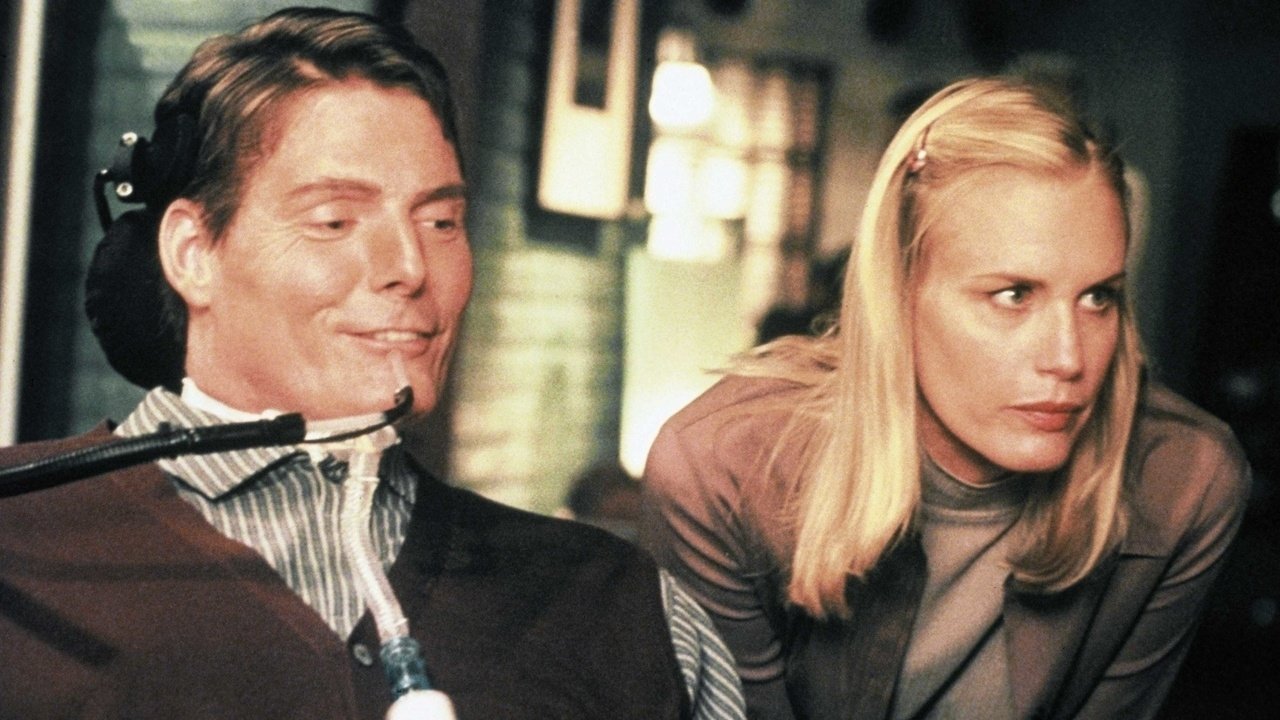
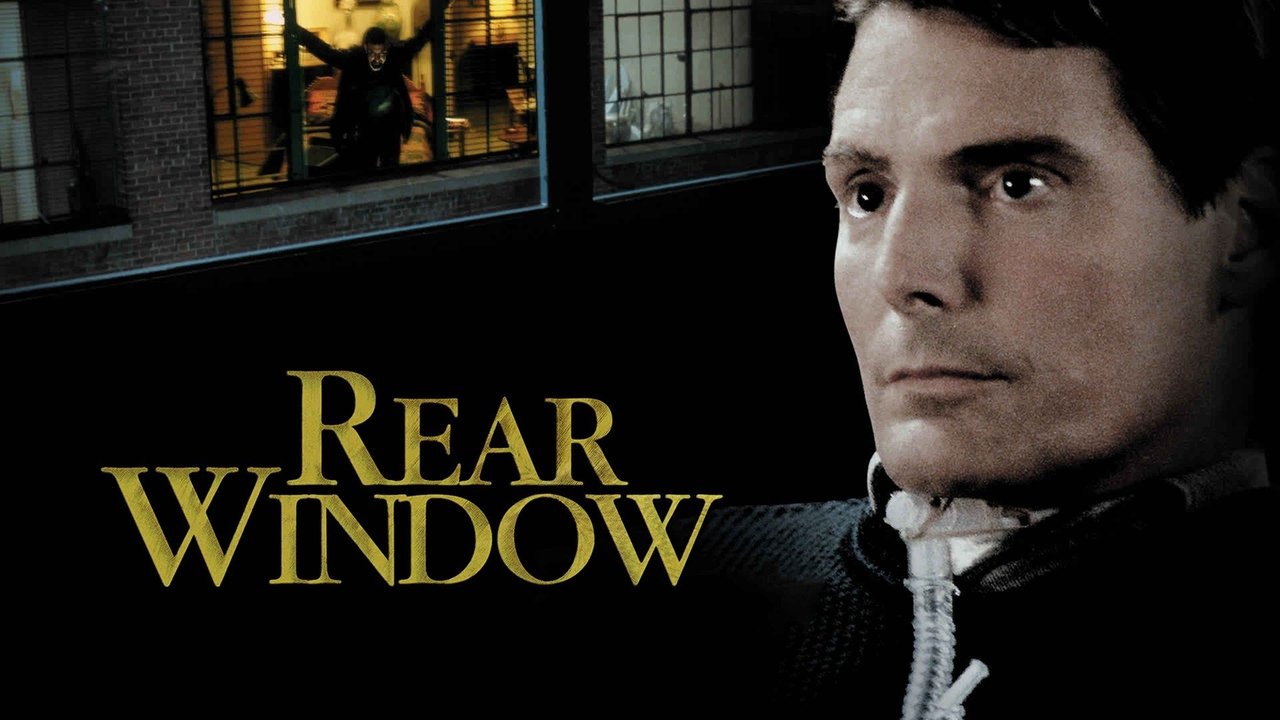
The most significant change, of course, centers on its leading man. Where Stewart's L.B. Jefferies was temporarily immobilized by a broken leg, Christopher Reeve's Jason Kemp is a quadriplegic, confined to a sophisticated wheelchair and reliant on technology after a terrible accident. This wasn't just casting; it was a deliberate, courageous choice by Reeve to return to his craft under entirely new, immensely challenging conditions. The script was specifically tailored for him, transforming the protagonist's physical limitation from a temporary inconvenience into a permanent reality. This shift fundamentally alters the film's texture. The sense of vulnerability is exponentially heightened, the feeling of being trapped made starkly, undeniably real.
A Performance Beyond the Physical
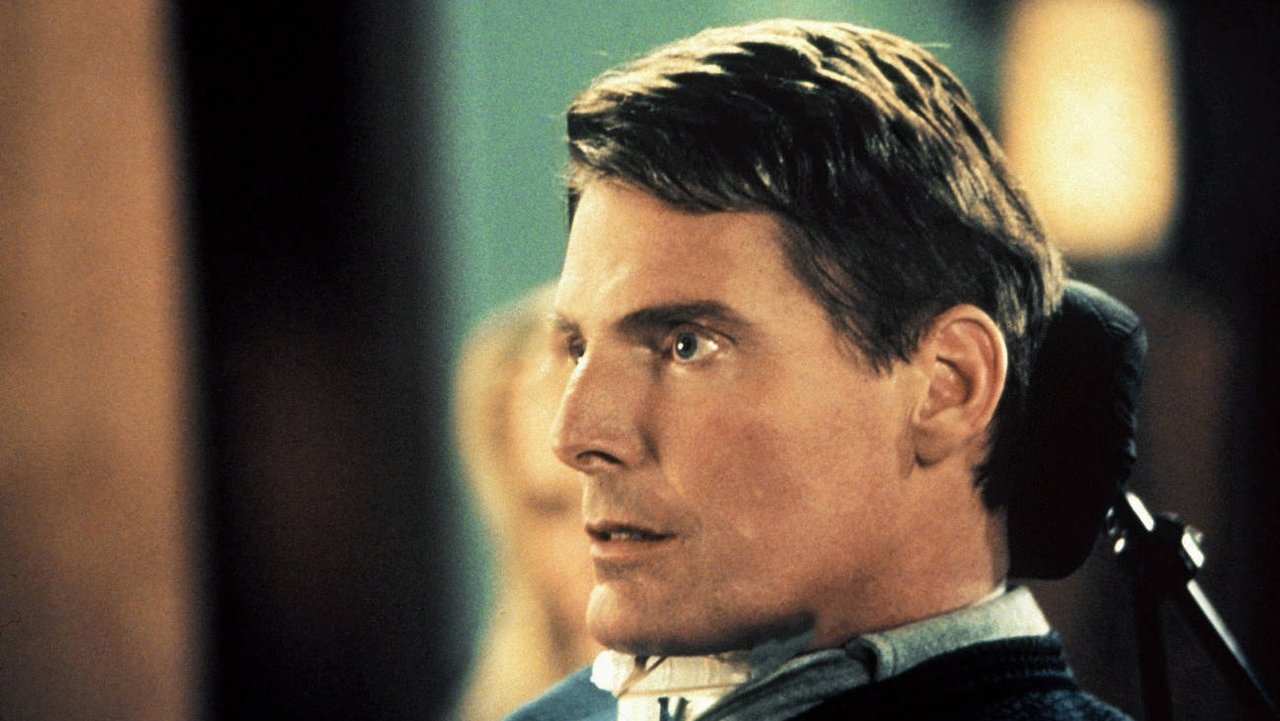
Watching Christopher Reeve here is undeniably moving. The man who soared across screens as Superman now commands attention through the sheer power of his presence, his expressive eyes, and the nuanced modulation of his voice. Gone is the ability to physically intervene, to pace anxiously, to even shift his weight. Kemp's observations, his growing suspicion of his neighbour (played with simmering menace by Ritchie Coster), must be conveyed through stillness. It’s a performance of immense internal fortitude. Does it match the specific charm and escalating panic of Stewart? No, it's something different – quieter, perhaps more existentially freighted. There's an undeniable meta-narrative at play; we're watching an actor known for his physicality navigate a role defined by its absence, mirroring his own life. It’s impossible, and probably unfair, to separate the performance from the performer's reality. Reeve reportedly took the role partly to show the world, and perhaps himself, what was still possible. He earned Golden Globe and Screen Actors Guild nominations for his efforts, a testament to the impact he made.
Updating the View
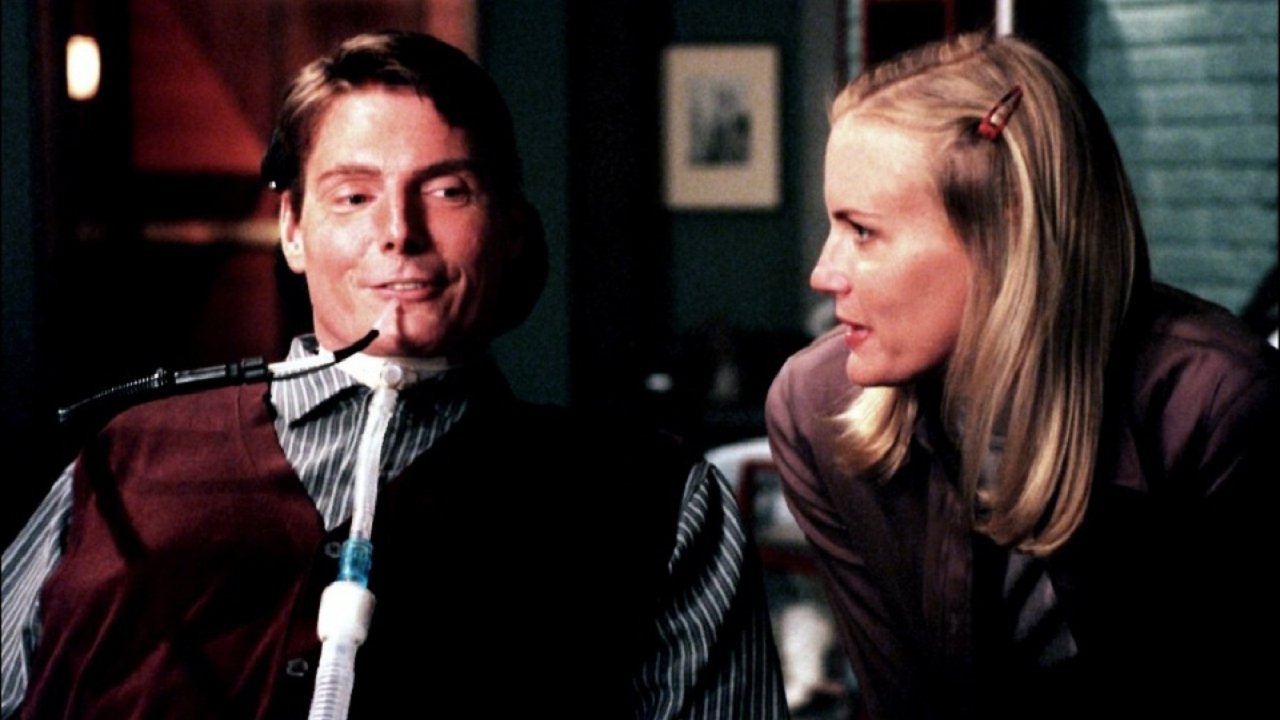
The setting is updated to the late 90s, complete with the bulky computers, early internet rumblings, and assistive technologies that define the era for Kemp. Daryl Hannah steps into the Grace Kelly-esque role as Claudia, Jason's colleague and former student, bringing a different energy – less icy glamour, more earnest concern and burgeoning affection. Her dynamic with Reeve feels grounded and supportive, though it lacks the sparkling, complex tension of the original pairing. Robert Forster, always a welcome presence (and fresh off his Oscar-nominated comeback in Jackie Brown the previous year), provides solid support as Detective Charlie Moore, embodying the skeptical but ultimately helpful authority figure.
Director Jeff Bleckner manages the inherent challenges of a TV movie budget. The production design feels functional rather than inspired, lacking the meticulous, lived-in detail of Hitchcock's iconic set. Yet, Bleckner effectively uses close-ups on Reeve, emphasizing his perspective and internal struggle. The core suspense mechanism of Woolrich's story remains potent: the powerless observer convinced of a crime, struggling to make others believe. While it doesn't achieve the suffocating, masterful tension of the original, it generates its own quieter, more character-focused unease. It’s less about the thrill of the chase, more about the frustration and vulnerability of the witness.
Retro Reflections & Legacy
Did this version replace Hitchcock in the annals of film history? Of course not. But viewing it today, through the lens of VHS nostalgia, reveals something valuable. It stands as a compelling showcase for Christopher Reeve's indomitable spirit and a unique artifact of late 90s television filmmaking. It tackled the daunting task of a remake not through imitation, but through adaptation to extraordinary circumstances. It reminds us of a time when a major network TV movie could still feel like an event, particularly one marking such a significant personal milestone for its star. It’s a film remembered perhaps more for the courage behind it than for its cinematic artistry, but that courage lends it a lasting, poignant resonance. Does the slightly dated tech or the TV movie aesthetic detract? Perhaps for some, but for those of us browsing the aisles of memory, it adds a layer of comforting familiarity.
Rating: 6/10
This rating reflects the film's status as a solid, well-intentioned television adaptation anchored by a truly remarkable and courageous central performance. It suffers inevitably in comparison to its legendary predecessor and bears the hallmarks of its TV movie origins (less visual flair, sometimes predictable pacing). However, Christopher Reeve's performance elevates it beyond mere imitation, making it a poignant and historically significant piece in its own right. The core suspense plot remains engaging, and the supporting cast is capable.
It may not be Hitchcock, but the 1998 Rear Window remains a fascinating watch, less for its thrills and more for its heart – a testament to the human spirit staring out from a window, observing the world, and refusing to look away.