Short Sharp Shock
Before Fatih Akın cemented his place as a powerhouse of contemporary German cinema with films like the explosive Head-On (2004) or the heart-wrenching The Edge of Heaven (2007), there was a jolt of raw, unpolished energy that announced his arrival. That jolt was his 1998 debut feature, Kurz und schmerzlos, known internationally as Short Sharp Shock. Finding this on a video store shelf back in the day, perhaps nestled between slicker Hollywood thrillers, might have felt like uncovering something different – something urgent, grounded, and pulsing with the anxieties of its characters and its specific time and place.
Streets of Altona
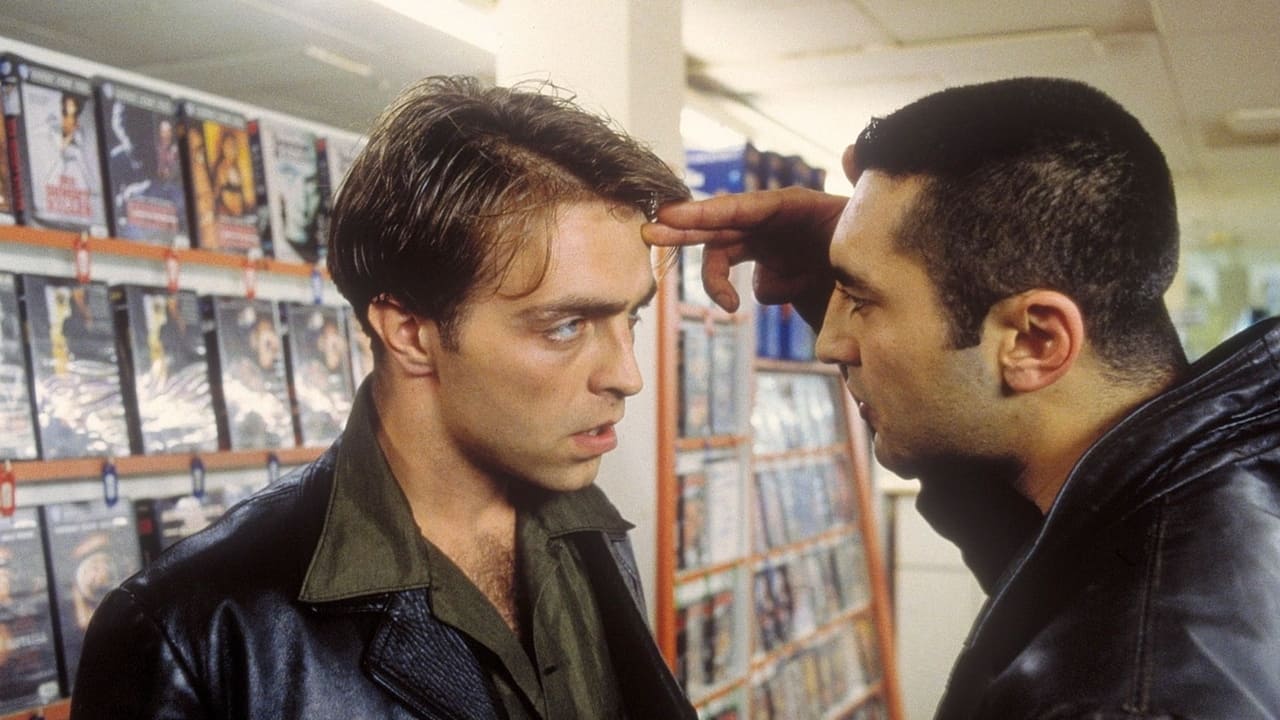
The film drops us into the sweaty, multicultural milieu of Hamburg's Altona district. We meet three friends whose bond seems as solid, and as potentially volatile, as the concrete around them: Gabriel (played with quiet intensity by Mehmet Kurtuluş), a Turkish ex-con just released from prison and determined to go straight; Bobby (Aleksandar Jovanovic), a hot-headed Serbian dreaming of escaping the small-time grind by joining the Albanian mafia; and Costa (Adam Bousdoukos, a long-time friend and collaborator of Akın’s), the easy-going Greek proprietor of a local diner, often acting as the trio’s reluctant anchor. Their intertwined lives, loves (including Gabriel’s girlfriend Alice, played by Regula Grauwiller, and Bobby’s girlfriend Ceyda, played by İdil Üner), and aspirations form the film's core, set against a backdrop where opportunity feels scarce and trouble waits around every corner. It’s a classic setup – the returning friend, the divergent paths – but Akın injects it with a lived-in authenticity that sidesteps easy cliché.
A Brotherhood Forged and Fractured
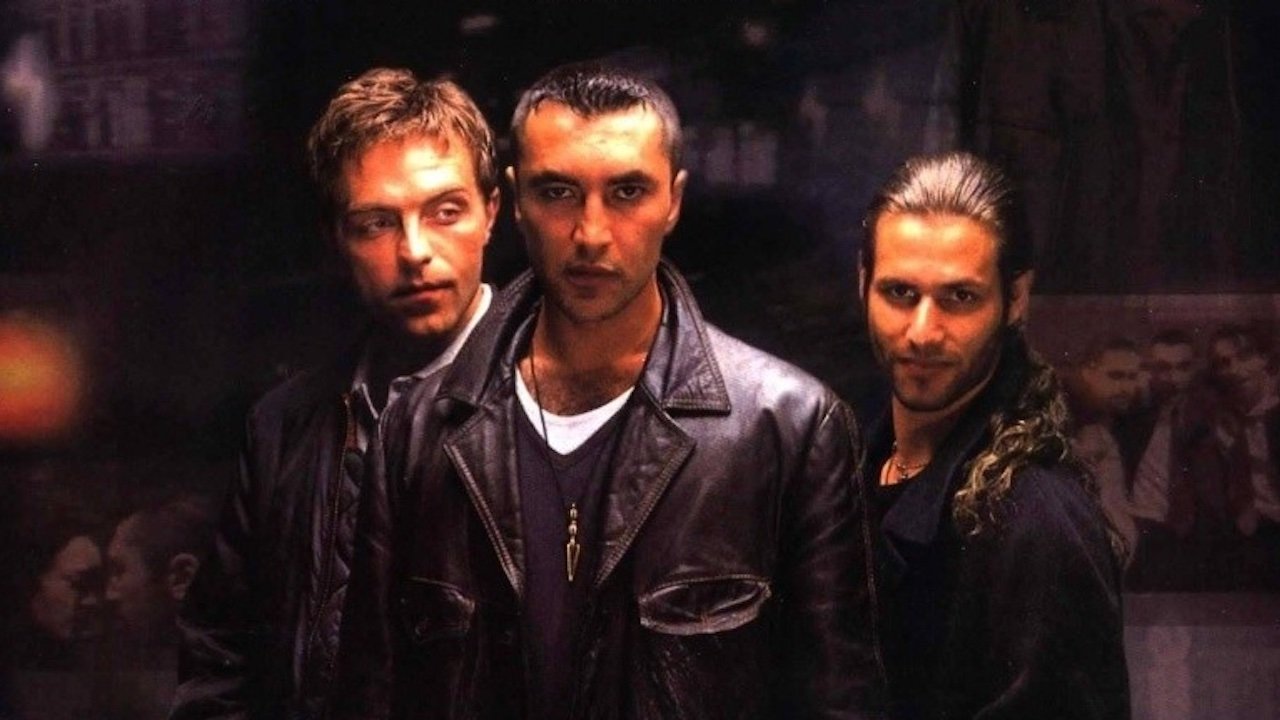
What truly elevates Short Sharp Shock beyond a standard crime drama is the palpable chemistry between its three leads. Their camaraderie feels utterly genuine; you believe these young men have history, shared jokes, deep-seated loyalties, and festering resentments. Kurtuluş brings a weary gravity to Gabriel, his desire for a clean break constantly warring with the pull of his past and the needs of his friends. Jovanovic embodies Bobby’s reckless ambition with a frightening charisma – he’s the live wire, desperate for respect and willing to take dangerous shortcuts to get it. And Bousdoukos, who would become a fixture in Akın’s work, provides the crucial grounding element as Costa, his expressive eyes conveying both warmth and weary resignation. Their distinct ethnic backgrounds aren't just window dressing; they inform the characters' perspectives and the social fabric of their world, portrayed without exoticism but as a simple fact of life in this corner of Hamburg. This commitment to portraying the immigrant experience with nuance was a hallmark Akın would continue to explore throughout his career.
The Birth of a Voice
Watching Short Sharp Shock now, you can clearly see the seeds of Akın’s directorial style. There's a kinetic energy to the filmmaking, even on what was clearly a modest budget (reportedly around 1.4 million Deutsche Marks). Akın, who also wrote the script drawing from his own experiences growing up in Altona, employs handheld camerawork and quick cuts not just for effect, but to immerse the viewer in the characters' often chaotic reality. The violence, when it erupts, isn't stylized; it's abrupt, clumsy, and consequential, fitting the film's title (the German Kurz und schmerzlos translates literally to "Short and Painless," adding a layer of grim irony).
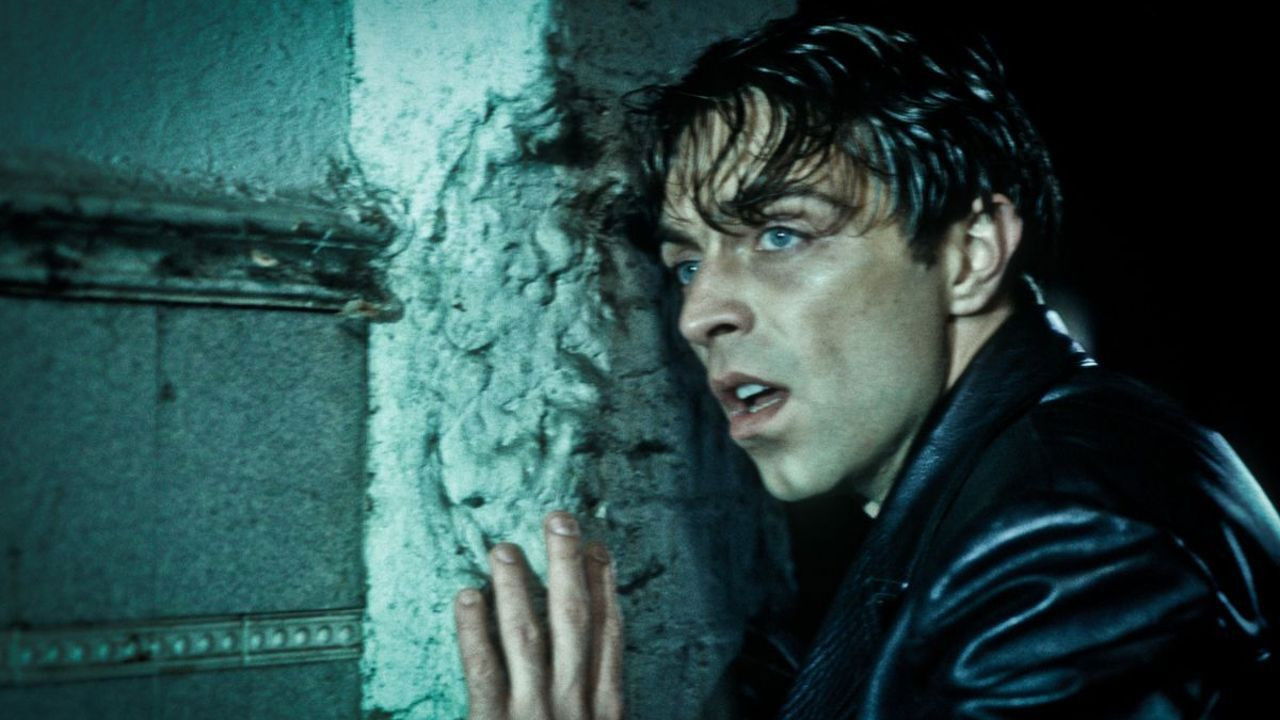
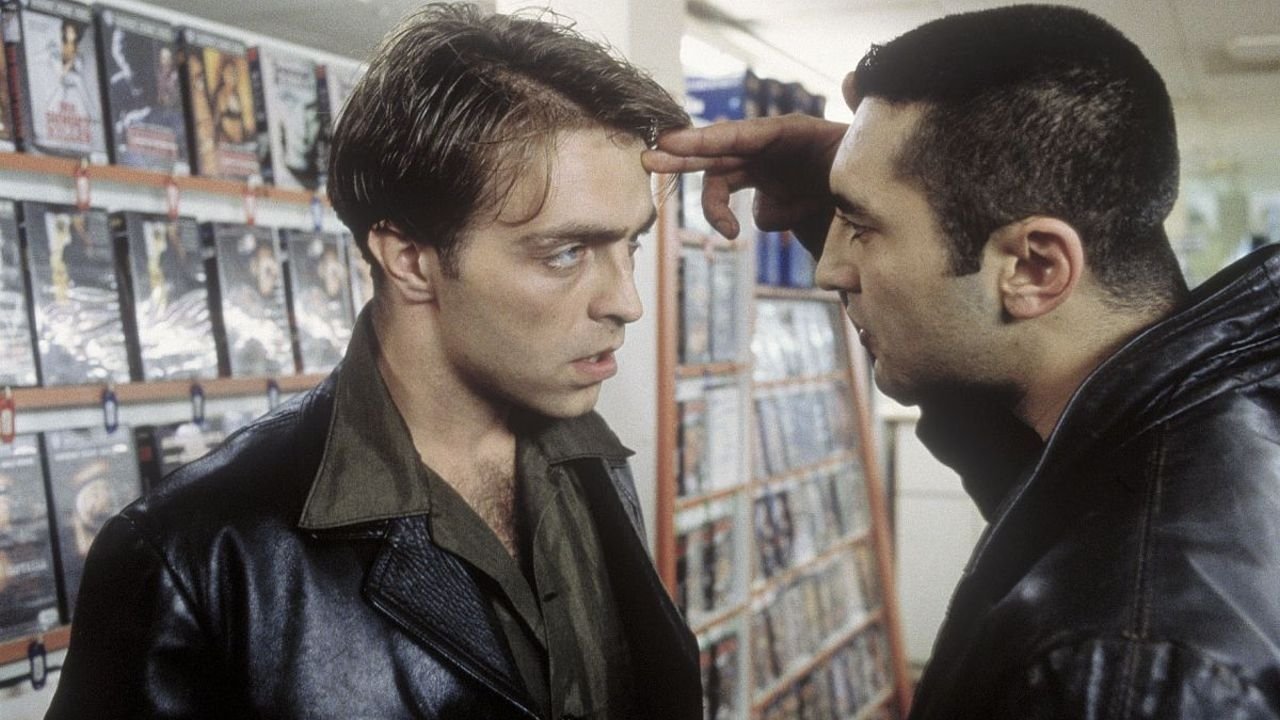
It’s fascinating to learn that this debut feature immediately garnered attention, winning the Bronze Leopard at the prestigious Locarno International Film Festival and netting Akın a Bavarian Film Award for Best New Director. Critics at the time drew comparisons to early Scorsese or Mathieu Kassovitz's La Haine (1995) for its unflinching look at marginalized youth navigating urban landscapes fraught with peril. Yet, Short Sharp Shock possesses its own distinct flavor, deeply rooted in its specific German context and the personal experiences fueling the narrative. It feels less like an imitation and more like a vital piece of a burgeoning European cinematic wave tackling contemporary social realities head-on.
Lingering Echoes
Does every element hold up perfectly? Perhaps not. Some plot mechanics feel familiar within the crime genre, and the pacing occasionally dips. But these are minor quibbles in the face of the film's raw power and authenticity. Renting this back then, perhaps drawn by an intriguing cover or a vague description, felt like discovering a potent, unfiltered voice. It wasn't necessarily comfortable viewing – the tension builds relentlessly, and the sense of impending tragedy hangs heavy – but it felt real. It captured that late-90s uncertainty, the pressures facing young men on the fringes, and the devastating ways friendships can fray under the weight of bad choices and circumstance.
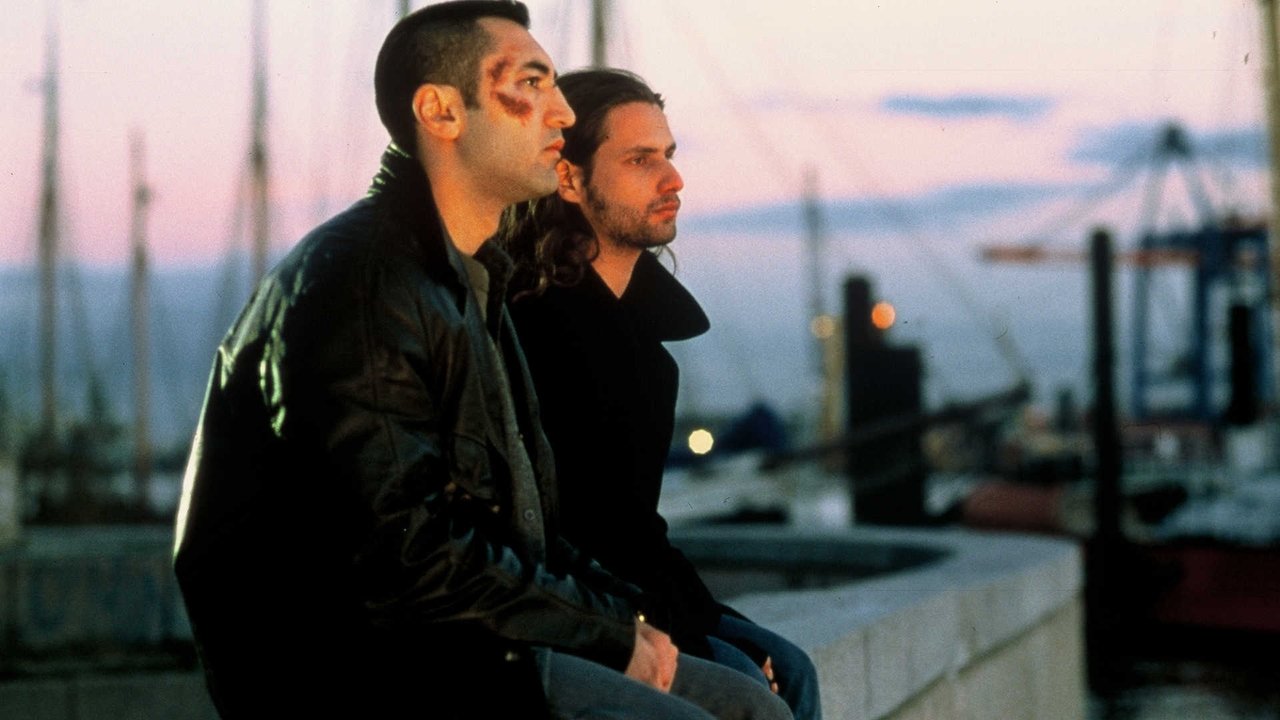
What lingers most is the feeling of truth in the performances and the palpable sense of place Akın creates. It’s a film that asks difficult questions about loyalty, identity, and the possibility of escape – questions that resonate far beyond the specific streets of Altona. Can you truly break free from your environment, or are some ties destined to pull you back?
Rating: 8/10
This score reflects the film's undeniable impact as a debut feature, its powerful and authentic performances, and its gritty, compelling portrayal of friendship under pressure. While perhaps not as polished as Akın's later work, its raw energy and emotional honesty make it a standout example of late-90s European crime cinema and a crucial first step for a major directorial talent. Short Sharp Shock is more than just a calling card; it’s a potent reminder that sometimes the most compelling stories are found not in grand spectacle, but in the urgent, intimate struggles unfolding on familiar streets. It hits hard, stays with you, and feels remarkably vital even decades later.