Still Crazy
What happens when the roar of the crowd fades, but the ringing in your ears doesn't? Still Crazy (1998) asks just that, presenting us with the tattered remnants of Strange Fruit, a fictional British rock band whose star imploded two decades prior amidst egos, tragedy, and the usual chemical excesses. It’s a film that landed on video store shelves perhaps a little quieter than it deserved, a bittersweet comedy-drama that resonates more deeply now, maybe, than it even did then, especially for those of us who remember when rock gods seemed truly immortal.

Echoes of Glory, Whispers of Regret
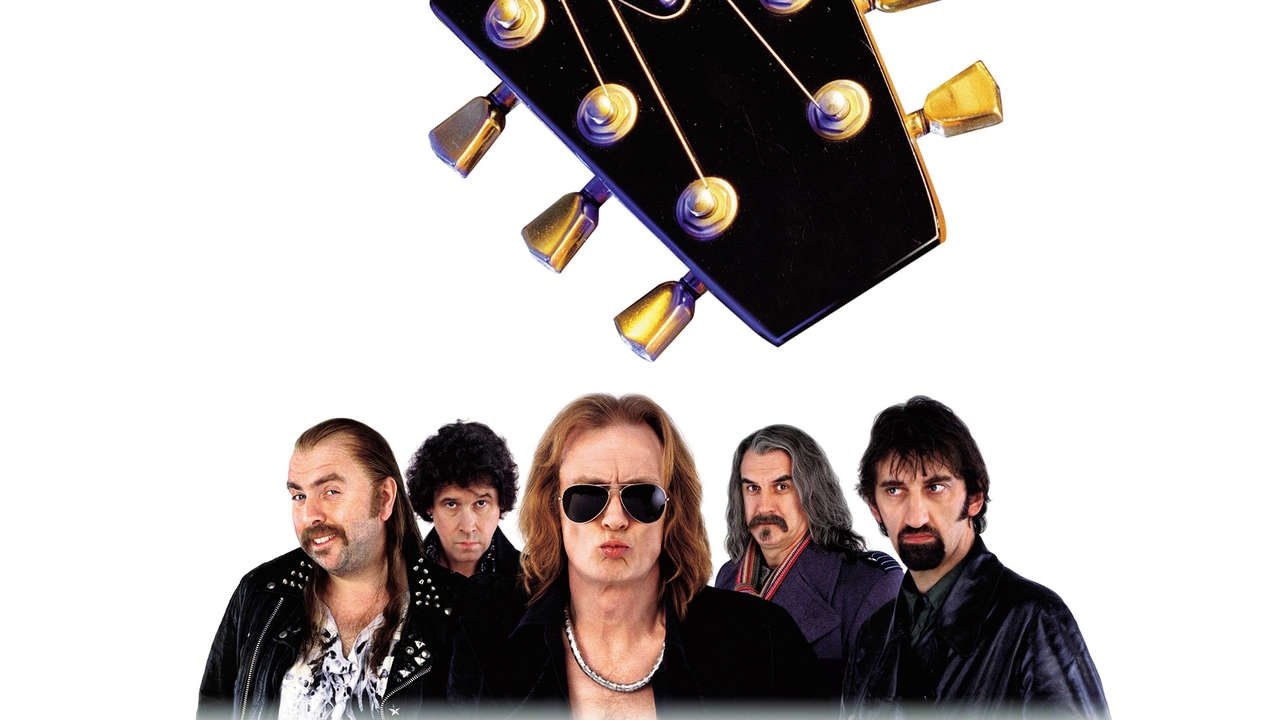
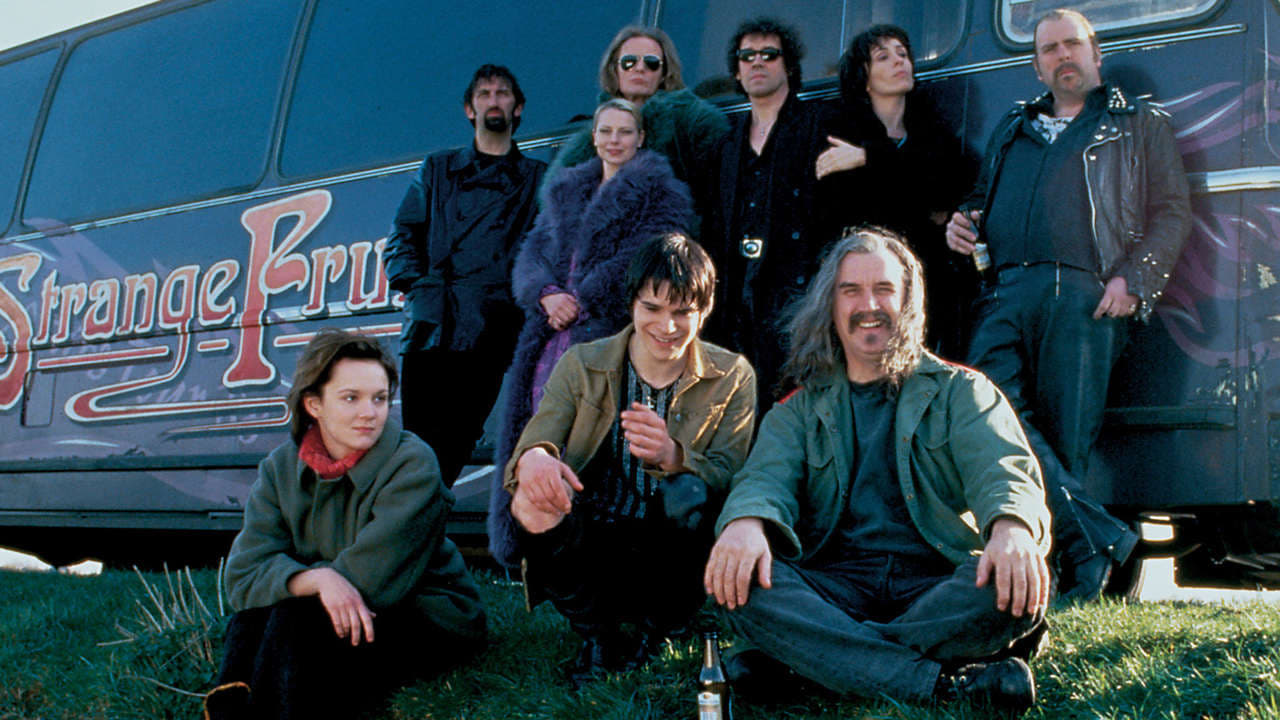
The premise is simple, almost a rock 'n' roll cliché: a reunion tour prompted by a nostalgic festival offer. Keyboardist Tony Costello (a wonderfully weary Stephen Rea, known for The Crying Game (1992)) sees it as a last chance, maybe the only chance, to recapture something lost. He sets about rounding up the old crew: the pragmatic bassist Les Wickes (Jimmy Nail, bringing the same grounded presence familiar from TV's Auf Wiedersehen, Pet), the amiable, slightly bewildered drummer Beano Baggot (Timothy Spall, years before his wider recognition in the Harry Potter films), and the perpetually optimistic roadie Hughie (Billy Connolly, offering his unique blend of anarchic charm and surprising heart). The gaping hole, of course, is left by the band’s charismatic but deceased guitarist, Brian Lovell, and the even bigger void created by the flighty, unpredictable lead singer, Ray Simms (Bill Nighy).
Finding Ray becomes the film’s first act quest, and it sets the tone perfectly. He’s discovered living in tax-exiled, paranoid luxury, a shadow of his former self, yet still possessing that flicker of rock star arrogance. Nighy’s performance here is a revelation. Years before he stole scenes in Love Actually (2003), he embodies Ray with a fragile swagger, a man clinging to the last vestiges of his legend while terrified of facing his own mediocrity. It’s a performance layered with insecurity beneath the preening, and it’s utterly captivating. You believe this man once commanded stadiums, and you also believe he’s capable of sabotaging everything all over again.
The Music and the Melancholy
Written by the legendary duo Dick Clement and Ian La Frenais (who penned the adaptation of The Commitments (1991) and iconic British TV like Porridge), the script crackles with authentic band dynamics – the bickering, the shared history, the resentments simmering just below the surface. They understand the peculiar alchemy of creative collaboration and the fragile egos involved. What elevates Still Crazy beyond mere pastiche, however, is its genuine heart and its surprisingly poignant exploration of aging and regret. Director Brian Gibson, who had previously helmed the Tina Turner biopic What's Love Got to Do with It (1993), navigates the shifts between comedy and pathos with a deft hand. The laughs are there – the disastrous early gigs, the Spinal Tap-esque absurdity of faded rockers trying to navigate a changed world – but they’re underscored by a palpable sense of melancholy.
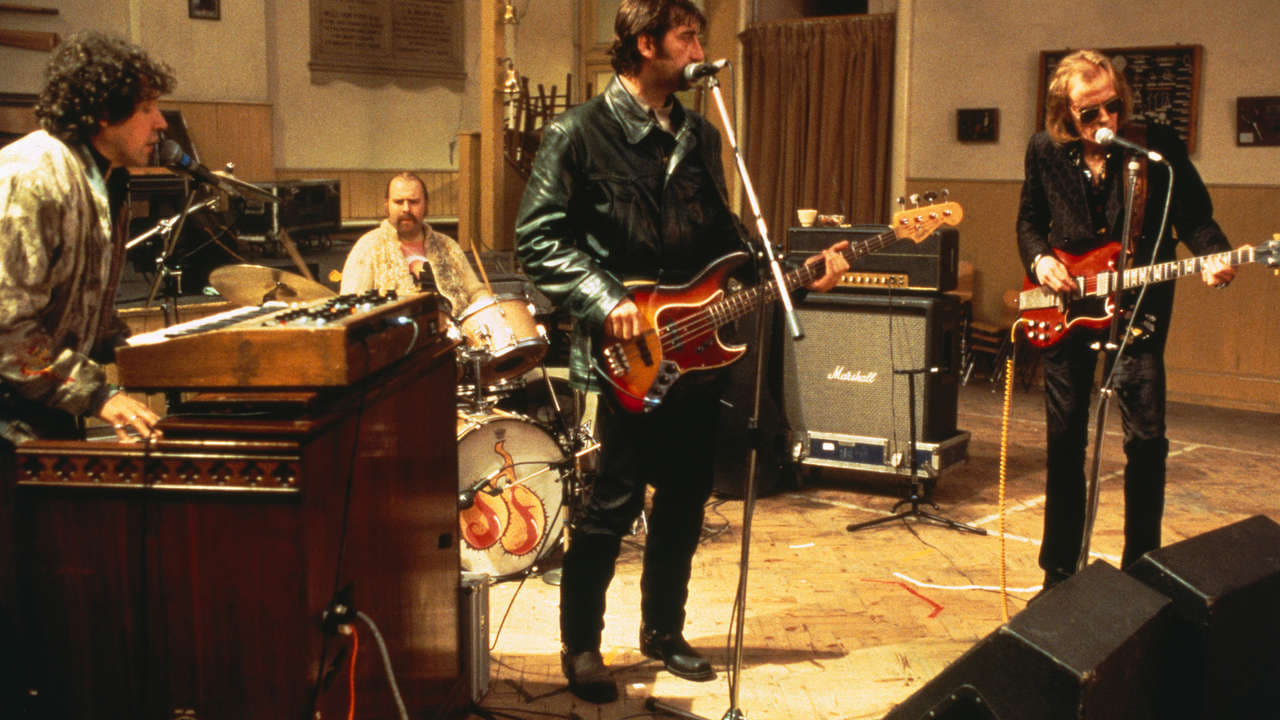
A key element often overlooked is just how good the fictional Strange Fruit's music sounds. This isn't just generic rock noise; the songs, crafted by real-life musicians like Mick Jones (Foreigner) and Chris Difford (Squeeze), feel genuinely rooted in the 70s stadium rock era. Bill Nighy, despite not being a singer, fully commits to the frontman persona, selling Ray's stage presence entirely through physicality and attitude. Marti Pellow of Wet Wet Wet actually provided Ray's singing voice, a bit of trivia that adds another layer to the film's construction of its fictional history. This commitment to musical authenticity lends the band’s story significant weight. You believe they could have been huge, which makes their fall and potential comeback all the more compelling.
More Than Just a Rock Mockumentary
While comparisons to This is Spinal Tap (1984) are inevitable, Still Crazy isn't really aiming for satire. It uses the rock band framework to tell a more universal story about second chances, confronting past mistakes, and the enduring, often complicated bonds of friendship forged in the crucible of shared experience. We see the lingering grief over Brian’s death, the unresolved tensions between Ray and Tony, Les's quiet yearning for his estranged family – these aren't jokes, they're the emotional anchor points of the film.
I remember renting this one, probably on a whim, drawn by the cast or maybe just the promise of a British comedy. It stuck with me, though, more than many louder, flashier films from the era. There's an honesty to its portrayal of middle-aged men grappling with choices made decades ago. It acknowledges the absurdity of their situation without mocking their dreams. Doesn't that resonate? The feeling that maybe, just maybe, there's one more encore left in us, even when the house lights seem ready to come up?
The production reportedly navigated its own modest budget (estimated around $10 million, though it didn't set the box office alight), mirroring the band's own patched-together reunion tour. Yet, the film looks and feels authentic, from the slightly rundown tour bus to the cavernous emptiness of a half-filled European venue, culminating in their potential comeback at the Wisbech Rock Festival (filmed, appropriately enough, at the legendary Knebworth House).
The Final Chord
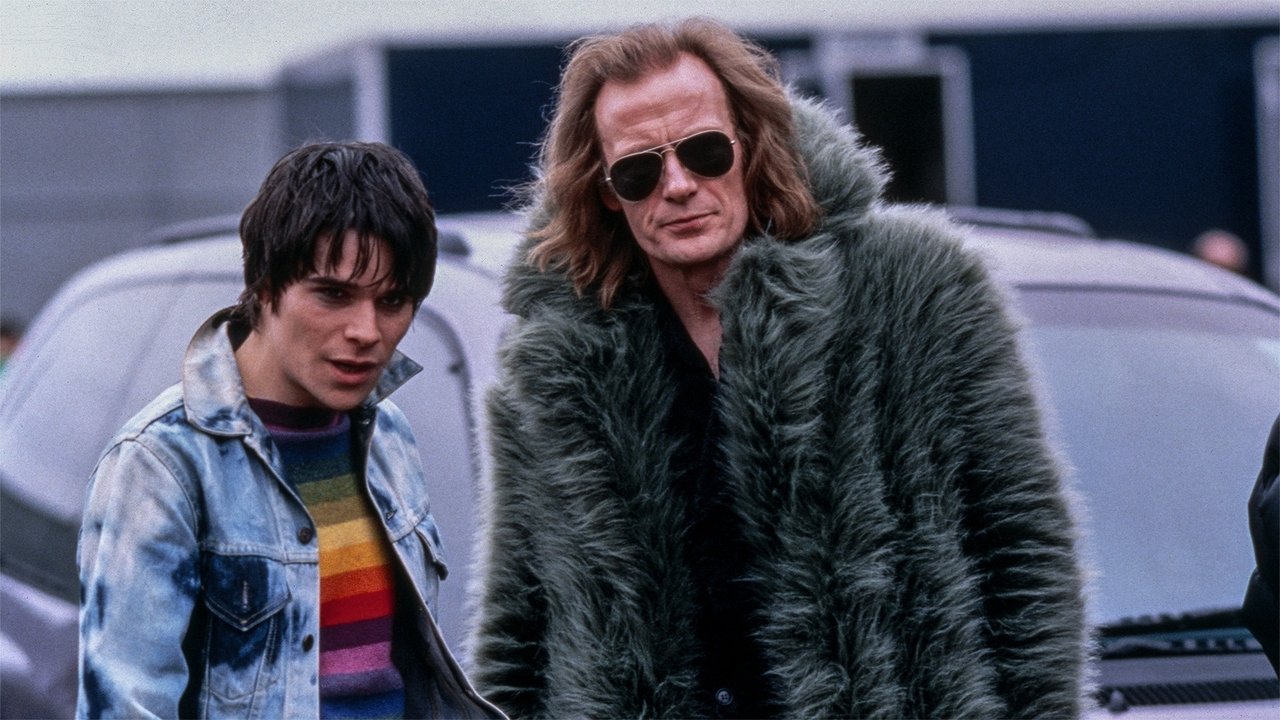
Still Crazy captures that specific late-90s moment when the cultural giants of the 70s were truly reckoning with their legacies. It’s a film filled with affection for its flawed characters and the music that defined them. The humour lands, the drama feels earned, and the performances, particularly Nighy's star-making turn, are superb across the board. It avoids easy sentimentality, opting instead for a more complex blend of hope and realism.
Rating: 8/10
This score reflects a film that excels in its character work, features a genuinely strong soundtrack, and balances humour and pathos with remarkable skill. The performances are uniformly excellent, carrying the emotional weight of the story beautifully. It might not have the biting satire of Spinal Tap or the raucous energy of The Commitments, but its reflective, bittersweet tone offers something uniquely rewarding. It's a warm, witty, and surprisingly moving look at what happens after the music stops – and the quiet courage it takes to try and start it up again. A true gem from the late VHS era, well worth revisiting or discovering for the first time.