The Butcher Boy
There's a certain kind of chill that has nothing to do with the weather, a coldness that seeps from the screen and settles deep in your bones. Neil Jordan's The Butcher Boy (1998) carries that chill. Watching it again recently, decades after first encountering its worn VHS box art promising something vaguely quirky, maybe even comedic, I was struck anew by its unsettling power. It arrives disguised in the bright colours of early 1960s Ireland, full of childish mischief and period detail, but beneath the surface lies a darkness so profound it’s hard to shake. It forces you to confront the devastating reality of a young mind fracturing under unbearable pressure, leaving you with questions that linger long after the tape clicks off.
Beneath the Surface of a Small Town
We're dropped into the fictional Irish border town of Clones (though filmed in the very real Clones, County Monaghan – hometown of novelist Patrick McCabe, who co-adapted his own book here with Jordan), a place seemingly trapped in time. The story orbits Francie Brady, played with astonishing, raw talent by newcomer Eamonn Owens. Francie is all buoyant energy initially, a typical kid full of pranks and loyalty to his best friend Joe. But his world is inherently unstable: his mother (Aisling O'Sullivan) suffers from crippling depression, and his father, Benny (Stephen Rea, a frequent collaborator with Jordan, bringing his signature weary melancholy), is an alcoholic musician, charming but tragically unreliable. The nuclear family, the supposed bedrock of society, is already crumbling for Francie.
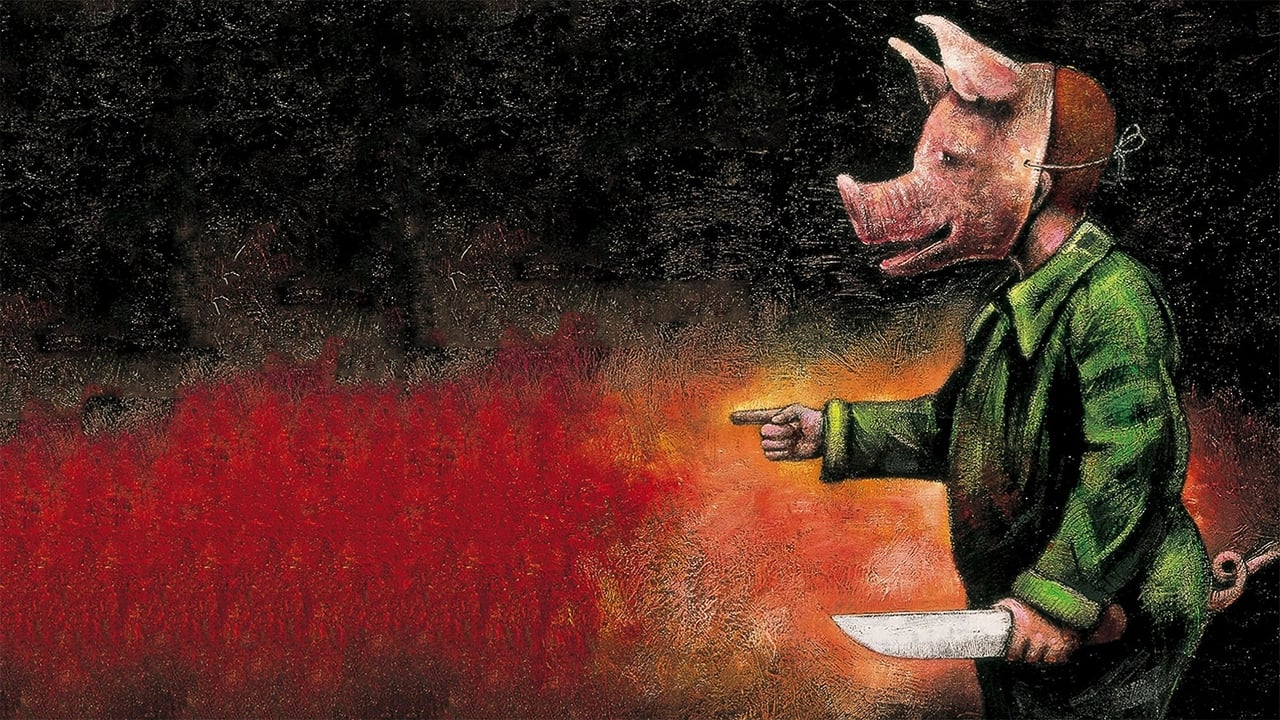
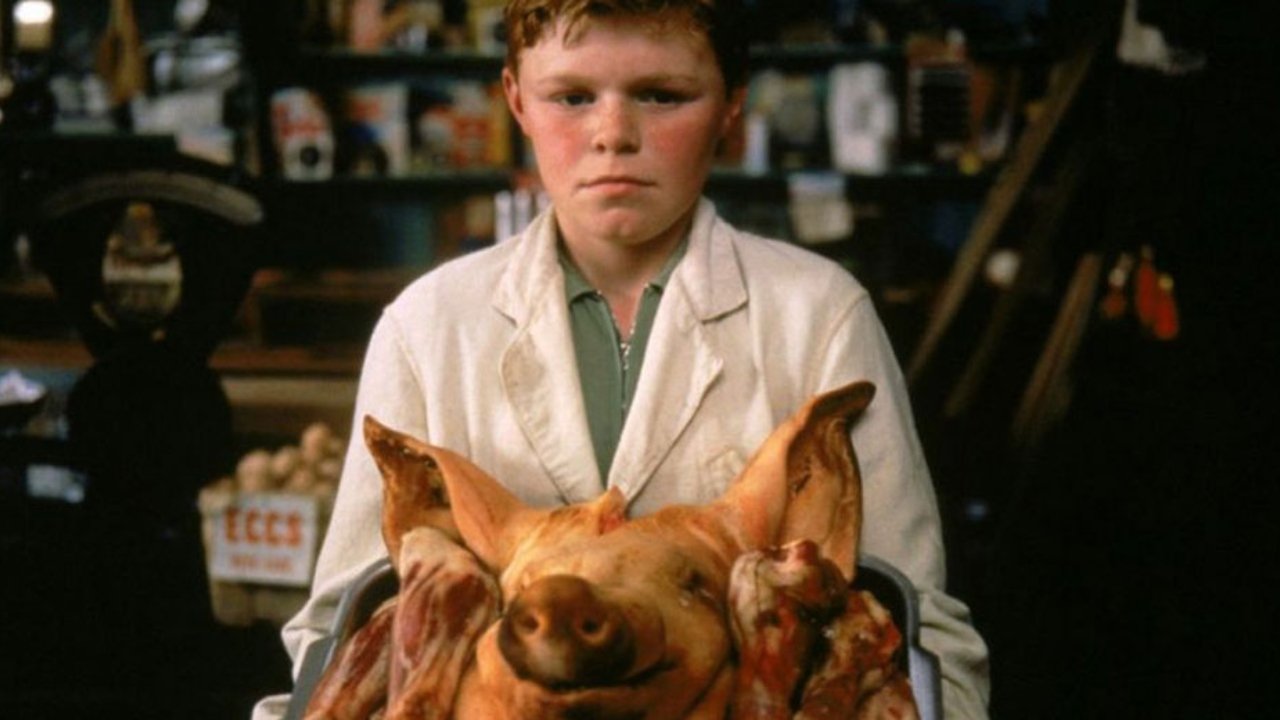
The catalyst for his true descent comes in the form of Mrs. Nugent (Fiona Shaw, radiating pinched disapproval) and her returning son, Phillip. A minor childhood incident involving stolen comics escalates into a full-blown feud, fuelled by Mrs. Nugent's venomous descriptions of the Bradys as "pigs." This insult lodges itself deep within Francie's psyche, becoming an obsession that intertwines with his family's disintegration and his own growing detachment from reality. What begins as boyish rebellion curdles into something far more sinister.
A Mind Unravelling on Screen
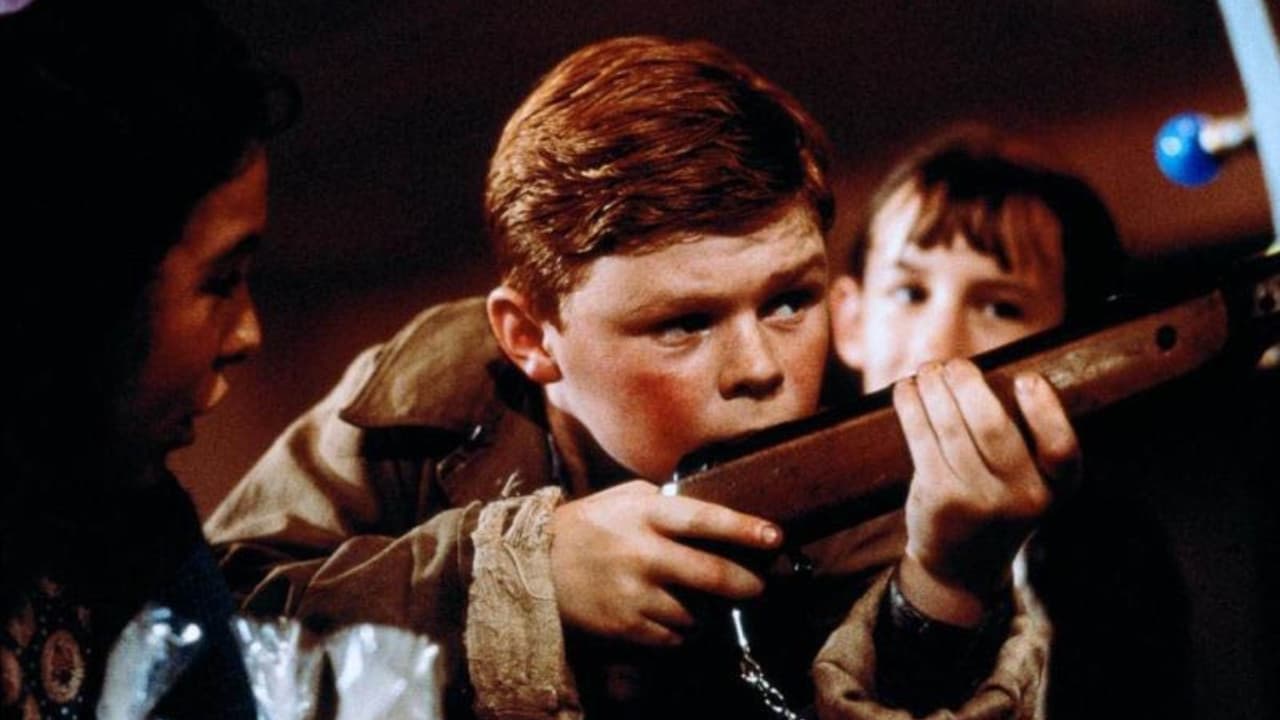
What makes The Butcher Boy so unforgettable, and frankly, so disturbing, is Neil Jordan’s masterful direction. He plunges us entirely into Francie's perspective. The world warps and shifts according to his increasingly erratic mental state. Bright, almost cartoonish fantasies collide with grim reality. Playful narration, full of Francie's naive bravado, veers into chillingly cold observations. Jordan, who had already navigated complex psychological terrain in films like The Crying Game (1992) and Interview with the Vampire (1994), uses surreal imagery not just for effect, but to illustrate the internal landscape of his protagonist. Perhaps most famously, Francie experiences visions of a serene, sometimes foul-mouthed, Virgin Mary, played with surprising effectiveness by singer Sinéad O'Connor. It's a provocative choice, reflecting both Francie's warped Catholic upbringing and the film's willingness to court controversy.
Finding the right Francie was crucial. Jordan reportedly auditioned hundreds of boys before settling on Eamonn Owens, who had virtually no prior acting experience. It’s this lack of polish, this unvarnished authenticity, that makes his performance so electrifying and ultimately, so heartbreaking. Owens navigates Francie's hairpin turns from cheeky charm to simmering rage to terrifying emptiness with a naturalism that feels less like acting and more like channeling. He embodies the tragedy of lost innocence in a way that’s difficult to witness, yet impossible to look away from.
Challenging Nostalgia
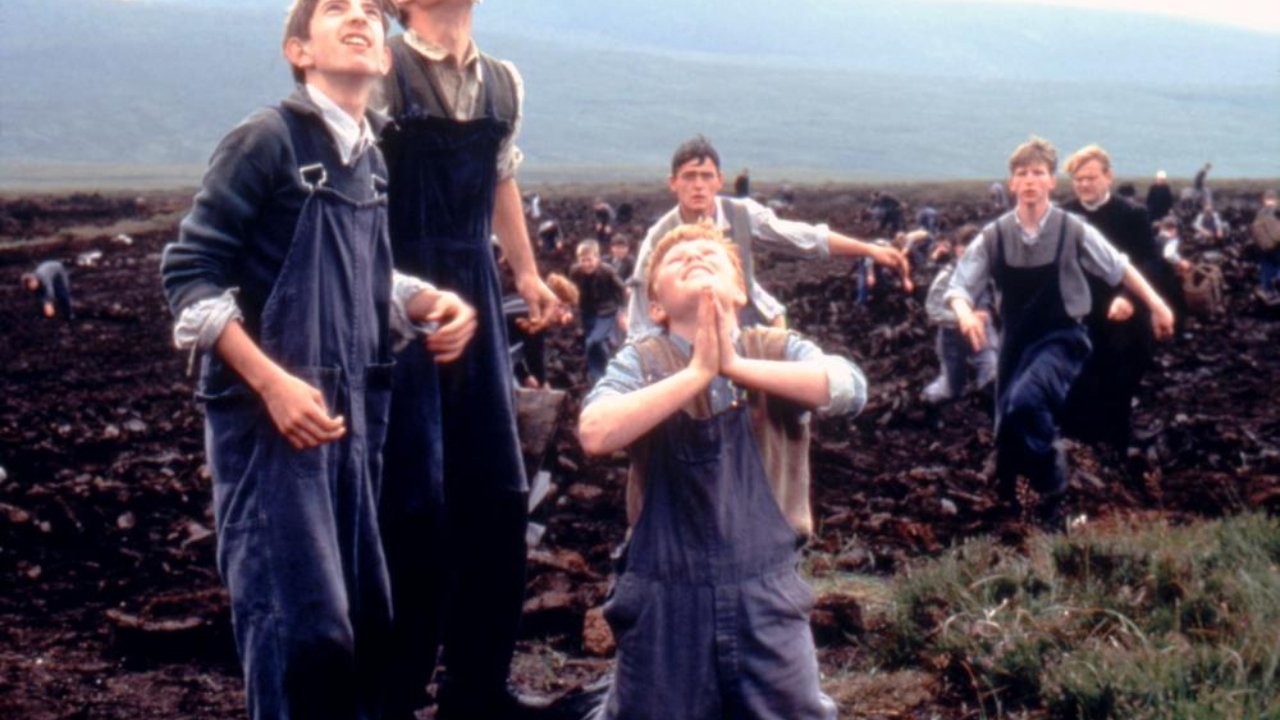
This wasn't your typical late-90s video store find. Tucked between the action blockbusters and romantic comedies, The Butcher Boy presented something different, something that demanded more from its audience. It's a film that uses the trappings of nostalgia – the period setting, the childhood adventures – to lull you into a false sense of security before pulling the rug out from under you. It reminds us that the "simpler times" often weren't simple at all, particularly for those on the margins, those struggling with unseen demons. The backdrop of the Cuban Missile Crisis, flickering on television screens, mirrors the internal apocalypse brewing within Francie.
Despite critical acclaim, including Jordan winning the Silver Bear for Best Director at the Berlin International Film Festival, The Butcher Boy wasn't destined for massive commercial success (reports suggest a budget around $5 million yielding under $2 million in the US). Its uncompromising darkness and challenging themes likely limited its reach. Yet, for those of us who stumbled upon it, perhaps on a rainy Tuesday night rental, it left an indelible mark. It felt like a secret whispered from the screen, a story far more complex and troubling than its cover suggested.
A Haunting Portrait
The film isn't flawless; its relentless bleakness and jarring shifts can be demanding, even alienating for some viewers. Yet, its power lies precisely in its refusal to compromise. It’s a study of mental collapse rooted in social and familial failure, delivered through the eyes of a child protagonist portrayed with devastating honesty. The supporting cast, particularly Stephen Rea’s resigned portrayal of Benny, adds layers of pathos. Rea embodies the inherited sadness, the cycle of dysfunction that Francie seems doomed to perpetuate in his own destructive way.
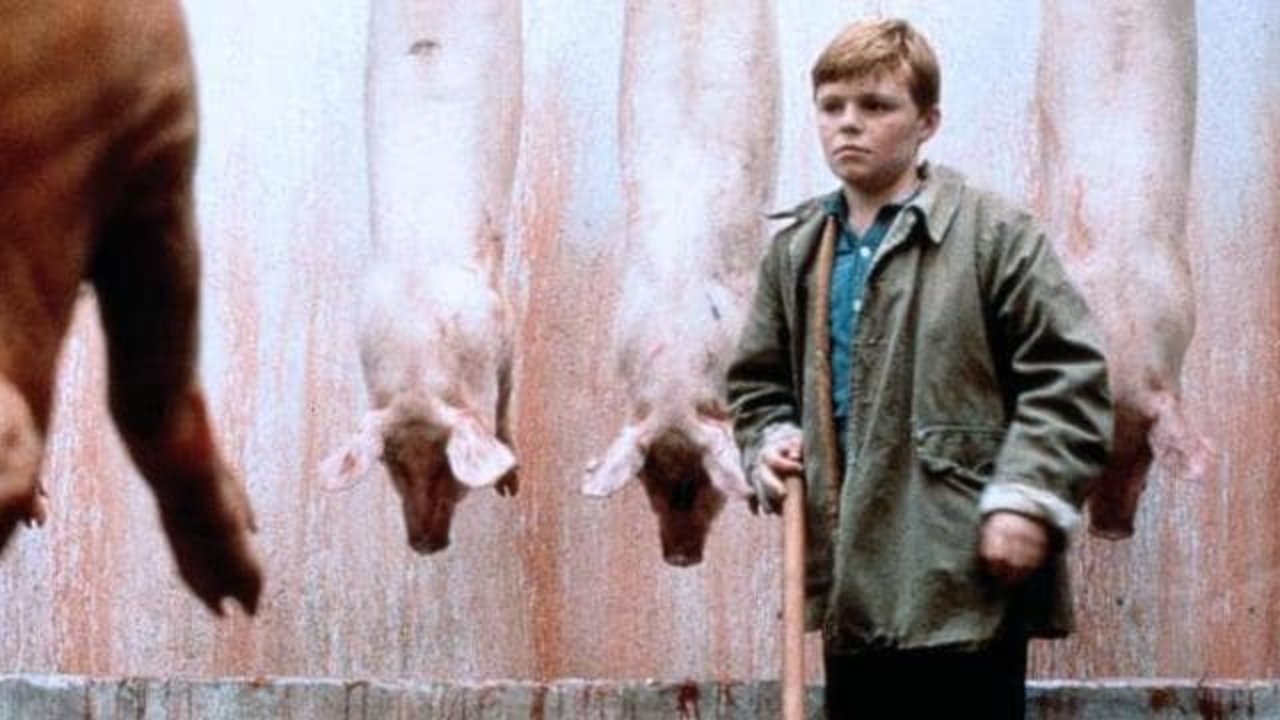
The Butcher Boy remains a potent, troubling piece of cinema. It's a reminder of Neil Jordan's fearless talent and a showcase for one of the most remarkable child performances ever captured on film. It doesn't offer easy answers or comfortable resolutions. Instead, it leaves you contemplating the fragile nature of sanity and the devastating consequences when a child's world falls apart.
Rating: 9/10
This score reflects the film's artistic ambition, Neil Jordan's masterful direction, and Eamonn Owens' truly unforgettable, haunting performance. While its dark subject matter and challenging tone make it a difficult watch, its unflinching portrayal of mental breakdown and its powerful critique of societal hypocrisy earn it a place as a modern Irish classic. It’s a film that burrows under your skin – a stark, unforgettable journey into the heart of a damaged boy, discovered perhaps unexpectedly on a forgotten VHS tape. What truly chills is wondering how many Francies were out there, their silent screams lost in the static of the past?