A Map of the World
How easily the ground beneath our feet can give way. One moment, life follows its familiar, perhaps slightly bumpy, course; the next, an unforeseen event shatters everything, leaving us adrift in a landscape of guilt, accusation, and profound isolation. That unsettling feeling, the quiet dread of irreversible consequence, permeates every frame of Scott Elliott’s 1999 drama, A Map of the World. It wasn't a blockbuster that dominated the rental shelves, overshadowed perhaps by louder, more explosive fare of the late 90s, but finding this tape often felt like discovering something weightier, more demanding, nestled amongst the action flicks and teen comedies.
An Ordinary Life, Shattered
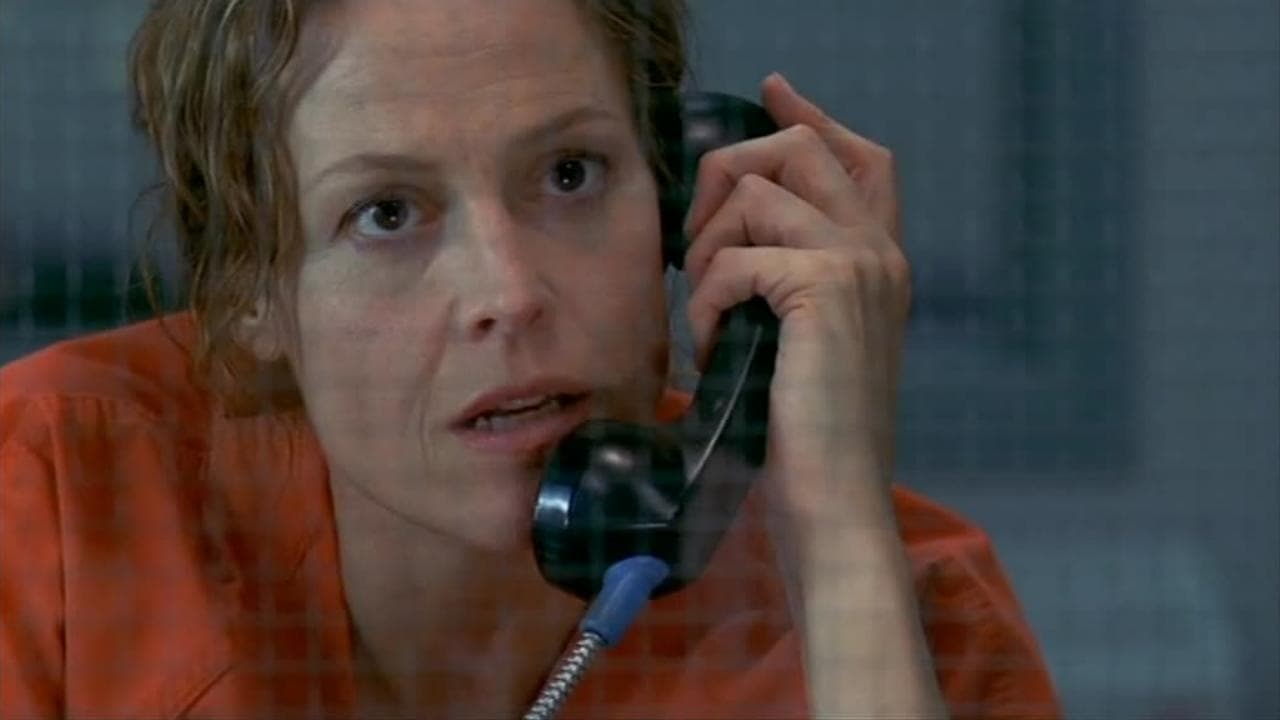
Set against the backdrop of seemingly idyllic rural Wisconsin (actually filmed beautifully in Ontario, Canada), the film introduces us to Alice Goodwin, played with fierce, unvarnished intensity by Sigourney Weaver. Alice is a school nurse, a mother, intelligent but also prickly, opinionated, and something of an outsider in her tight-knit farming community. She’s not easily liked, possessing a sharp tongue and an unwillingness to suffer fools gladly, which sets her apart from the more conventional townsfolk. Her closest friend is Theresa Collins (Julianne Moore), whose warmth offers a gentle counterpoint to Alice's guarded nature. Their bond, however, becomes the epicenter of unimaginable tragedy when Theresa's young daughter drowns in the Goodwin's pond while under Alice's distracted care.
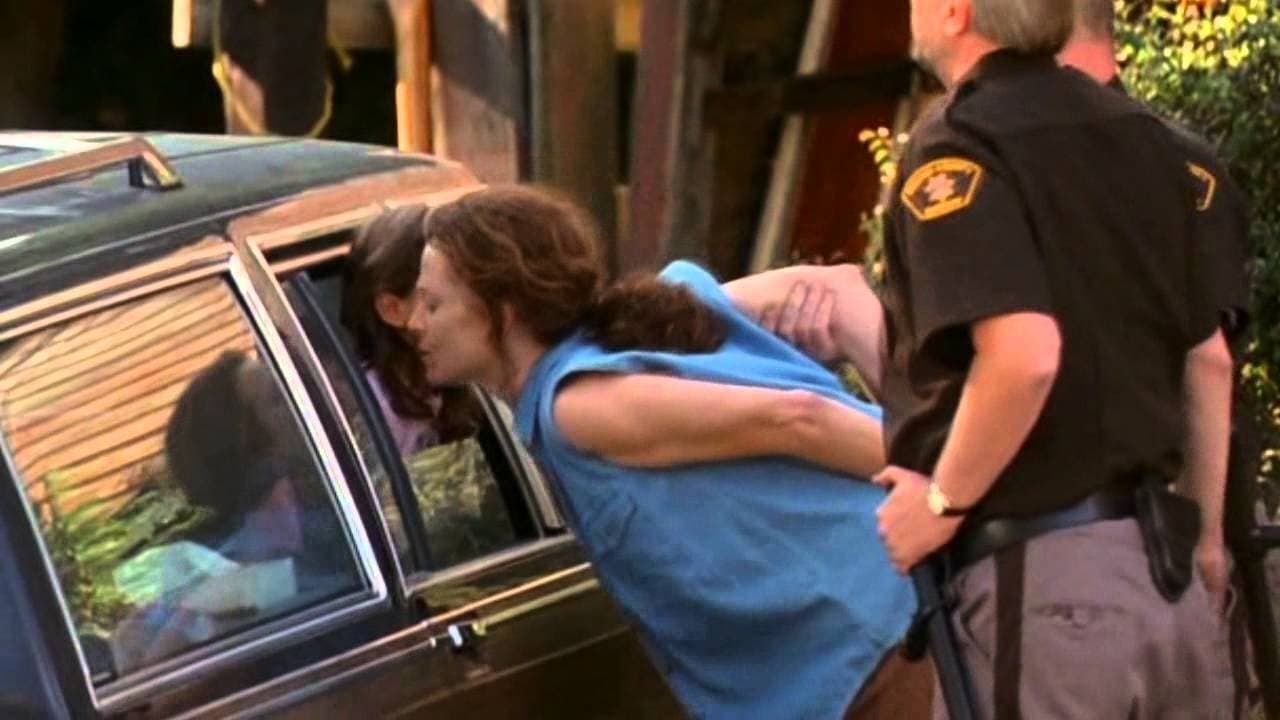
This single, horrifying accident is the catalyst that unravels Alice’s life. The screenplay, adapted by Peter Hedges (who would later bring us insightful family dramas like Pieces of April) from Jane Hamilton's acclaimed novel, doesn't shy away from the immediate, suffocating aftermath. The film plunges us into Alice’s vortex of guilt, which is quickly compounded by the community’s suspicion and judgment. Then, almost cruelly, unrelated accusations of child abuse surface against Alice, stemming from her work as a school nurse, turning private grief into a public crucifixion.
Weaver’s Towering, Thorny Performance
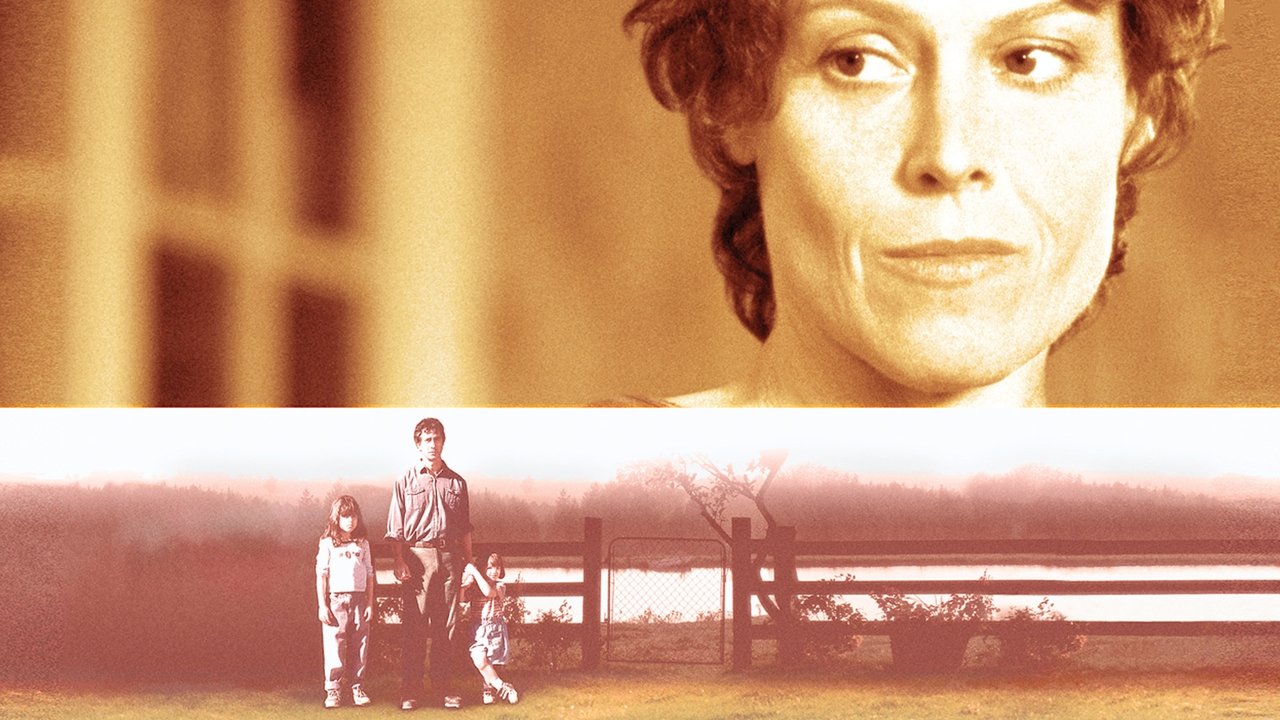
This is, unequivocally, Sigourney Weaver’s film. Stripped of the sci-fi armor of Ripley (Alien) or the corporate gloss of her Working Girl character, Weaver delivers a performance of staggering vulnerability and raw nerve. It’s a difficult role; Alice isn't always sympathetic. She’s defensive, sometimes abrasive, and her fierce intelligence often manifests as painful social awkwardness. Yet, Weaver makes her utterly human. We see the crushing weight of her mistake, the terror of being misunderstood and falsely accused, and the desperate fight to maintain her identity against forces seeking to define her as a monster. It's a performance devoid of vanity, focused entirely on the character's internal landscape – the confusion, the anger, the profound sorrow. It earned her a Golden Globe nomination, and watching it again now, it feels like one of the most powerful and underrated performances of her entire career. Reportedly, Weaver was drawn to the role precisely because it was such a departure, a challenge she met with devastating authenticity.
The Weight of Grief and Judgment
Contrasting Weaver's brittle intensity is Julianne Moore as Theresa. Moore, already establishing herself as a master of nuanced emotional portrayal (think Boogie Nights, The End of the Affair), embodies grief in a different, yet equally powerful, way. Her sorrow is quieter, almost ethereal, but the chasm that opens between her and Alice is palpable. The scenes they share after the accident are excruciatingly well-played, filled with unspoken accusations and the terrible wreckage of a shattered friendship. Their dynamic explores the isolating nature of profound loss and how tragedy can irrevocably alter even the strongest bonds.
Surrounding them, the community acts almost as a single character – whispering, judging, condemning. The film deftly portrays the swiftness with which neighbours can turn, how fear and misunderstanding can curdle empathy into suspicion. David Strathairn, ever reliable, plays Alice's husband, Howard, a fundamentally decent man struggling to support his wife while grappling with his own grief and the town's hostility. His quiet fortitude provides a necessary anchor, but the strain on their marriage is realistically and painfully depicted. Strathairn has always excelled at portraying quiet dignity under immense pressure, and his Howard is no exception.
A Quiet Film with Lasting Resonance
Director Scott Elliott, making his feature film debut after a successful stage career, adopts a restrained, observational style. He lets the performances breathe and allows the stark beauty of the landscape to underscore the emotional isolation. There are no flashy directorial tricks; the focus remains squarely on the characters and their internal struggles. This approach mirrors the source material and gives the film a grounded, almost literary feel, reminiscent perhaps of character-driven dramas from the 70s – a quality that made it stand out even in 1999. Though it premiered at the Toronto International Film Festival, A Map of the World received only a limited theatrical release, finding much of its audience, appropriately enough for us here at VHS Heaven, through home video.
The film asks difficult questions. How do we assign blame when tragedy strikes? Can true forgiveness ever follow such a loss? What happens when personal failings, even accidental ones, are amplified and distorted by public perception? Doesn't the film force us to confront how quickly assumptions can harden into convictions within any close community?
Rating: 8/10
A Map of the World is not an easy watch. It’s emotionally taxing, deliberately paced, and unflinching in its depiction of grief and social ostracism. However, its power lies in its honesty and the breathtaking performances, particularly from Sigourney Weaver, who gives herself over completely to a complex and challenging role. The film earns its 8/10 rating through its profound emotional depth, nuanced character work, and refusal to offer simple answers. It explores the terrifying fragility of reputation and happiness, anchored by acting that feels achingly real.
For those seeking a thoughtful, character-driven drama from the late VHS era, one that lingers long after the credits roll, A Map of the World offers a journey into difficult territory, navigated with exceptional grace and skill. It remains a potent reminder of how swiftly our personal maps can be redrawn by fate and judgment.