But Forever in My Mind
There's a particular kind of cinematic energy – vibrant, messy, almost overwhelmingly alive – that feels synonymous with the torrent of adolescence itself. It’s less a structured narrative and more a captured whirlwind of hormones, rebellion, burgeoning ideals, and the frantic search for identity. Few films from the tail end of the 90s bottled this lightning quite as authentically as Gabriele Muccino's energetic Italian offering, But Forever in My Mind (1999), originally released as Come te nessuno mai ("Like You Nobody Ever"). Discovering this on a well-worn VHS tape, perhaps tucked away in the foreign film section, felt like stumbling upon a raw, unfiltered diary entry from a Roman teenager.
A Portrait of Youthful Tumult
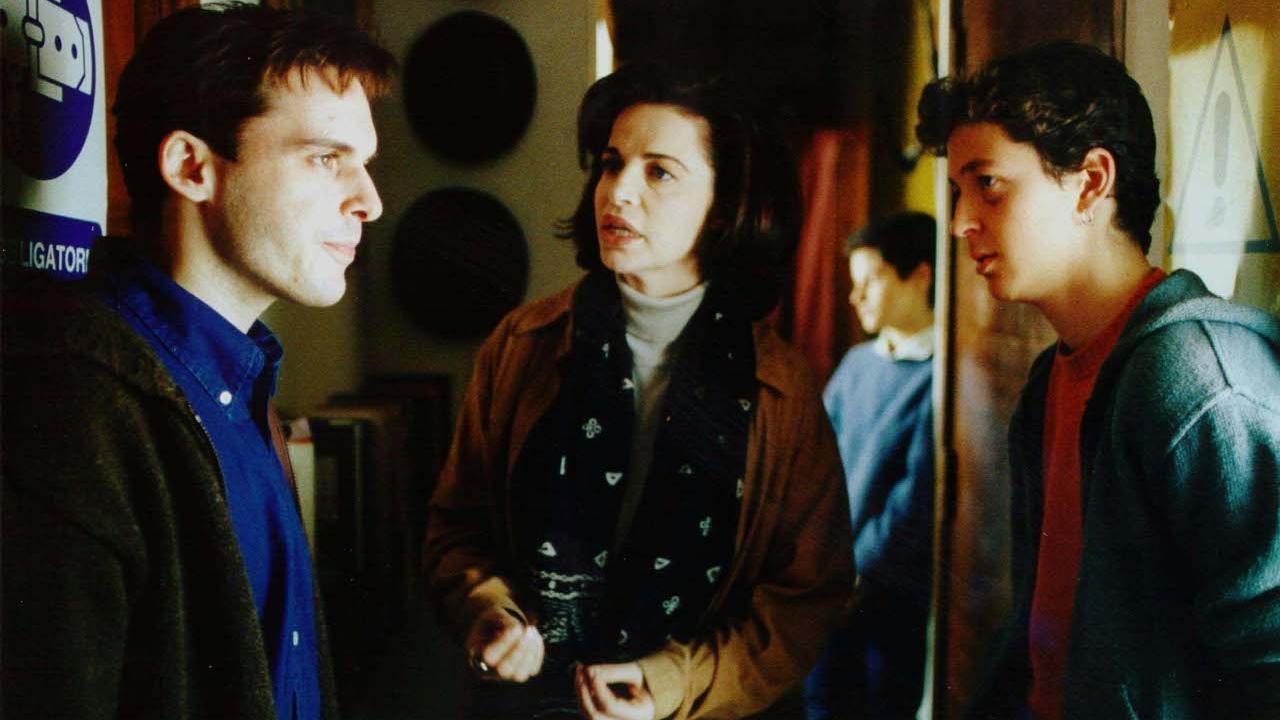
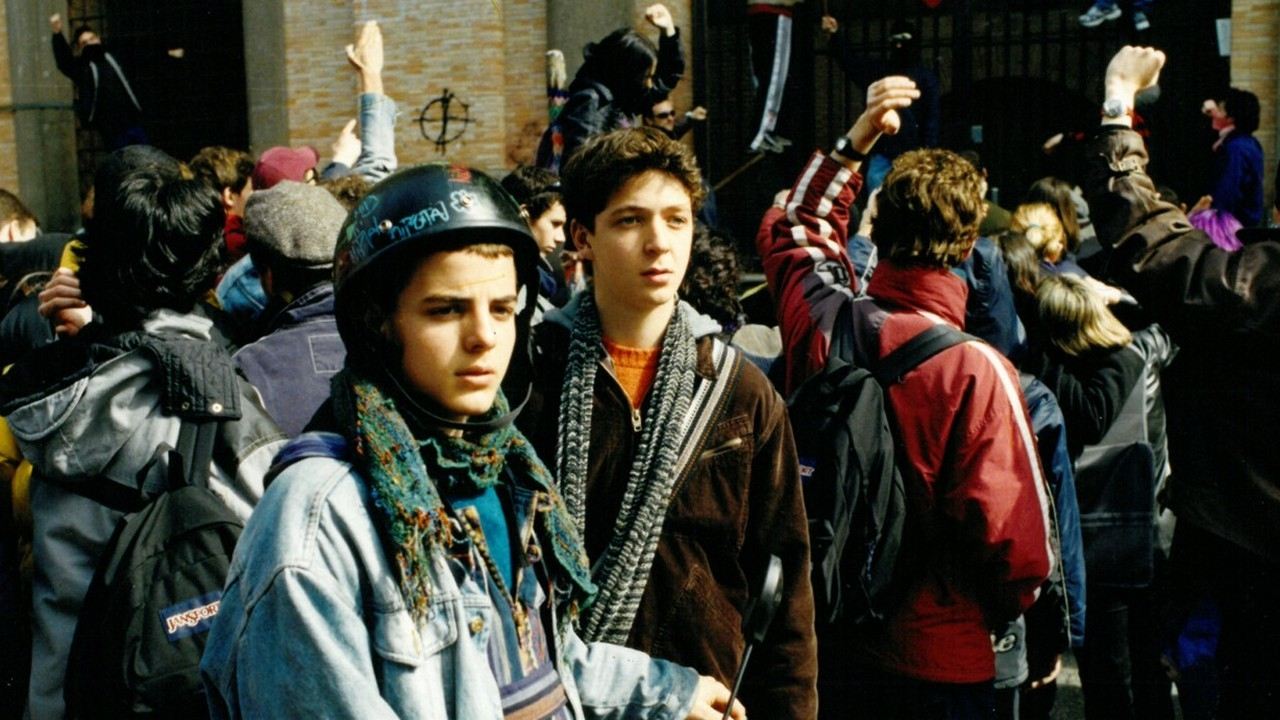
Set against the backdrop of very real student protests and school occupations that swept through Rome in the late 1990s, the film throws us headfirst into the life of Silvio (Silvio Muccino, the director's younger brother, in a role that feels intensely personal). Silvio isn't just navigating the usual teenage minefield of first love, shifting friendships, and awkward parties; he's doing it while his school is occupied by protesting students, his parents are navigating a messy separation, and his political consciousness is just beginning to flicker. It's a potent cocktail, and Gabriele Muccino, who also co-wrote the script with his brother, directs with a restless, handheld style that mirrors the characters' internal and external chaos. This isn't the polished angst often seen in American teen films of the era; it's rougher, more immediate, closer to the volatile pulse of European youth cinema.
The story, such as it is, follows Silvio's attempts to win the affection of the captivating Valentina (Giulia Steigerwalt), even while navigating a relationship with the more accessible Claudia and leaning heavily on his loyal, hormone-driven best friend Ponzi (Giuseppe Sanfelice). But the plot often feels secondary to the atmosphere – the crowded hallways, the smoke-filled impromptu meetings, the impassioned debates about Marx and social change that quickly devolve into shouting matches about who kissed whom. It captures that specific teenage ability to hold passionate political beliefs alongside equally passionate romantic obsessions, often within the same five minutes. Doesn't that feel true to the intensity of those years?
Authenticity Forged in Family and Reality
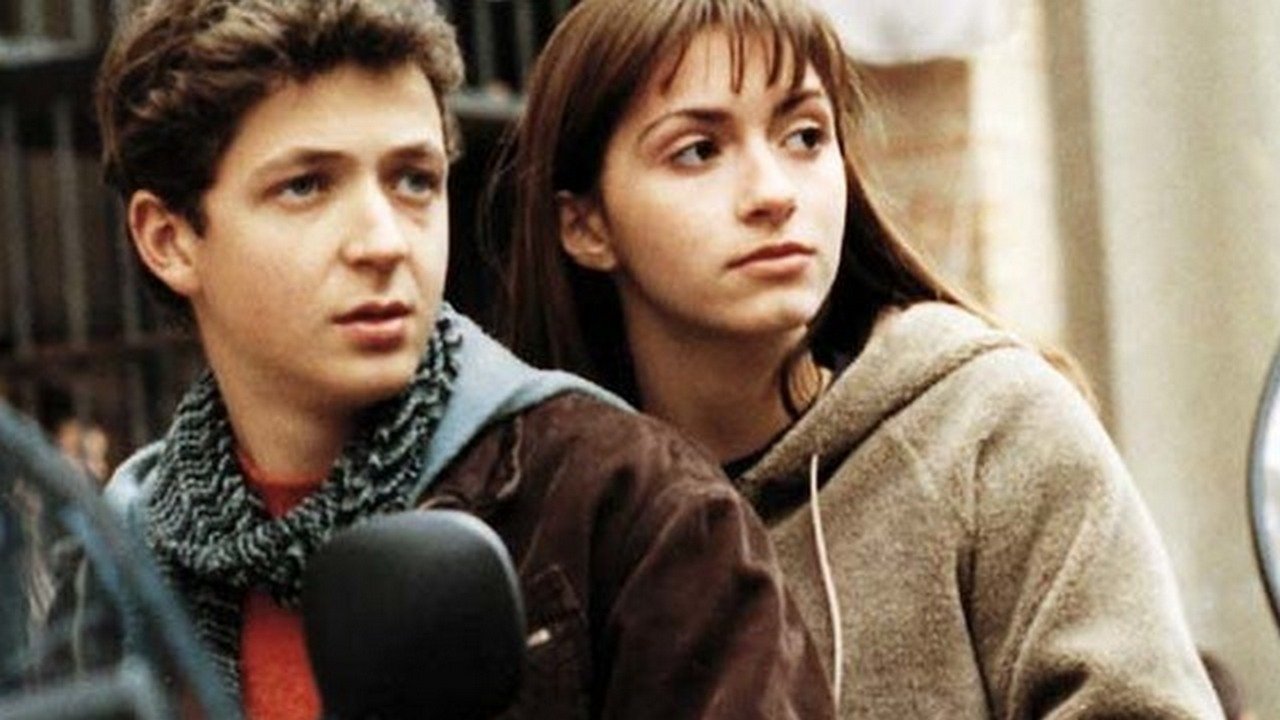
The casting of Silvio Muccino by his older brother Gabriele is more than just a curious piece of trivia; it feels central to the film's authentic core. There's an unvarnished quality to Silvio's performance – a blend of vulnerability, arrogance, confusion, and charm – that feels incredibly real. He isn't a polished movie star; he's a recognizable teenager grappling with overwhelming feelings. The chemistry amongst the young cast, particularly between Silvio and Ponzi, crackles with the easy, often crude, intimacy of genuine adolescent friendship. Their interactions, filled with bravado and underlying insecurity, are some of the film's most believable moments.
It’s fascinating to see Gabriele Muccino honing the energetic, emotionally charged style here that would later bring him international success with films like The Last Kiss (2001) and eventually Hollywood productions like The Pursuit of Happyness (2006). But Forever in My Mind, made on a comparatively small budget, possesses a raw immediacy that arguably feels more potent than some of his later, glossier work. The film practically vibrates with the energy of its young cast and the real-world events surrounding them. It served as a significant launchpad for Silvio Muccino's acting career in Italy, marking him as a face of his generation.
Echoes in the Static
Watching But Forever in My Mind today evokes a specific kind of nostalgia, not just for the late 90s aesthetic – the baggy clothes, the pre-smartphone existence – but for a certain kind of filmmaking. It’s passionate, sometimes undisciplined, but always striving for emotional truth over slick narrative mechanics. It’s the kind of film you might have rented on a whim, drawn perhaps by the intriguing cover art or a vague description, and found yourself unexpectedly swept away by its honesty. It doesn't shy away from the less palatable aspects of being young – the casual cruelty, the self-absorption, the bewildering intensity of it all.
Did it change the landscape of cinema? Perhaps not on a global scale. But for those who caught it, perhaps on that slightly fuzzy VHS copy, it resonated. It felt like a window into a specific time and place, capturing the universal turbulence of growing up with a distinctly Italian flavour. It reminds us that amidst the political slogans and the occupied classrooms, the most significant revolutions are often the internal ones – the dawning awareness of love, loss, and the complex world beyond school walls.
Rating: 8/10
This rating reflects the film's undeniable raw energy, its authentic portrayal of adolescent turmoil, and the strength of its core performances, particularly from Silvio Muccino. It captures a specific cultural moment with vibrancy and honesty. While its kinetic, sometimes chaotic style might not appeal to everyone, its emotional truth is hard to deny, earning it a firm place in the annals of late 90s European coming-of-age cinema.
It leaves you reflecting not just on Silvio's specific journey, but on the universal, messy, unforgettable intensity of simply being young and trying to figure it all out. What lingers is that feeling of restless energy, forever imprinted like a favourite song on an old mixtape.