Candlewick
Alright, settle back into that worn spot on the couch, maybe crack open a beverage you definitely wouldn't have had back in '99, and let's talk about a slice of late-90s Italian cinema that likely flew under the radar for many outside of Italy: Massimo Ceccherini's directorial debut, Lucignolo (released internationally, sometimes confusingly, as Candlewick), from 1999. This isn't your typical Hollywood blockbuster rewind; this is digging into that slightly dusty corner of the video store, the foreign film section, hoping for something vibrant and maybe a little chaotic. And Lucignolo delivers on the chaos, that's for sure.
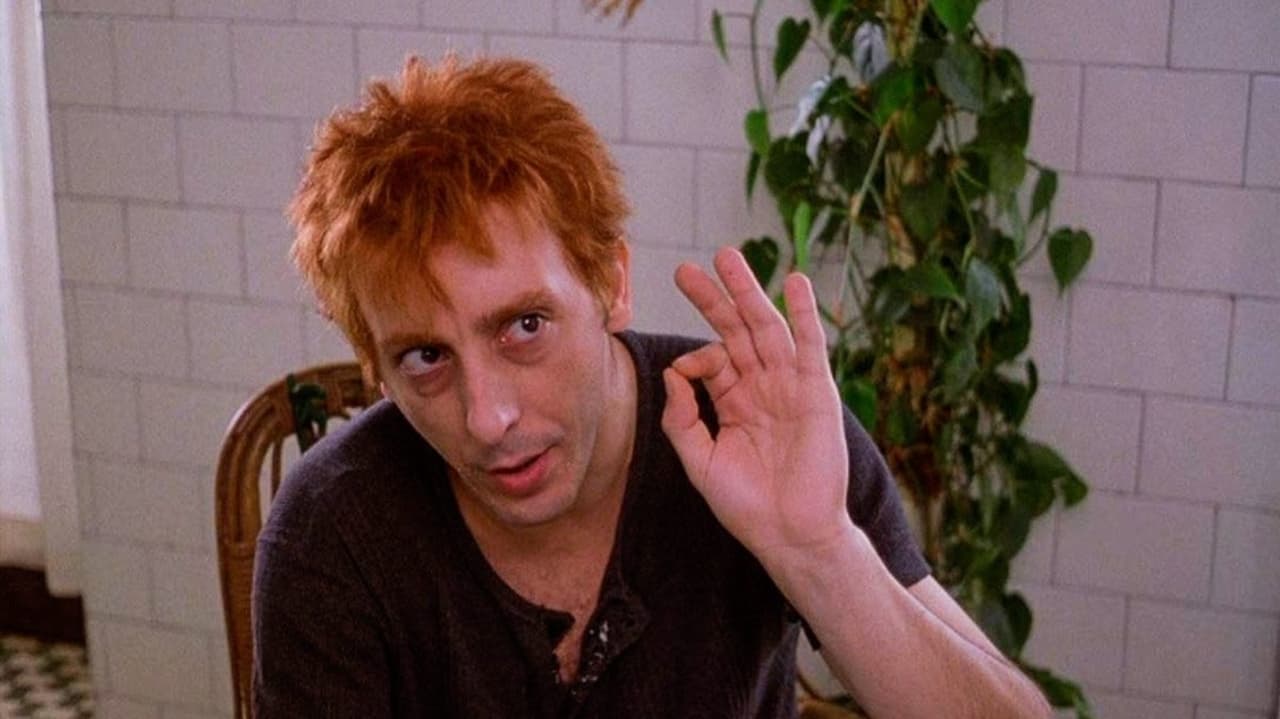
For those unfamiliar, Massimo Ceccherini was (and still is) a well-known, often outrageous comedian and actor in Italy, frequently collaborating with Leonardo Pieraccioni on massive local box office hits like The Cyclone (1996). So, him stepping behind the camera for Lucignolo was kind of a big deal over there. Think of it like, say, Adam Sandler deciding to direct his own vehicle back then – audiences knew the performer, but what would his vision look like?
From Screen Jester to Director's Chair
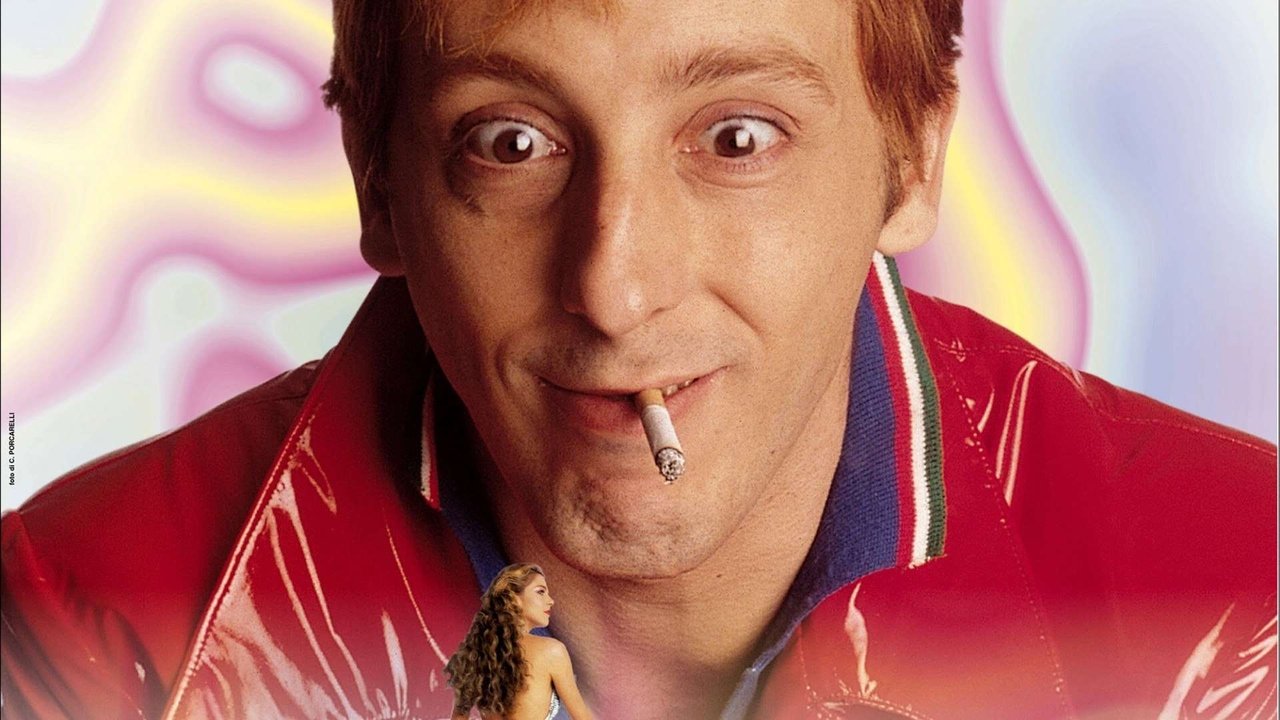
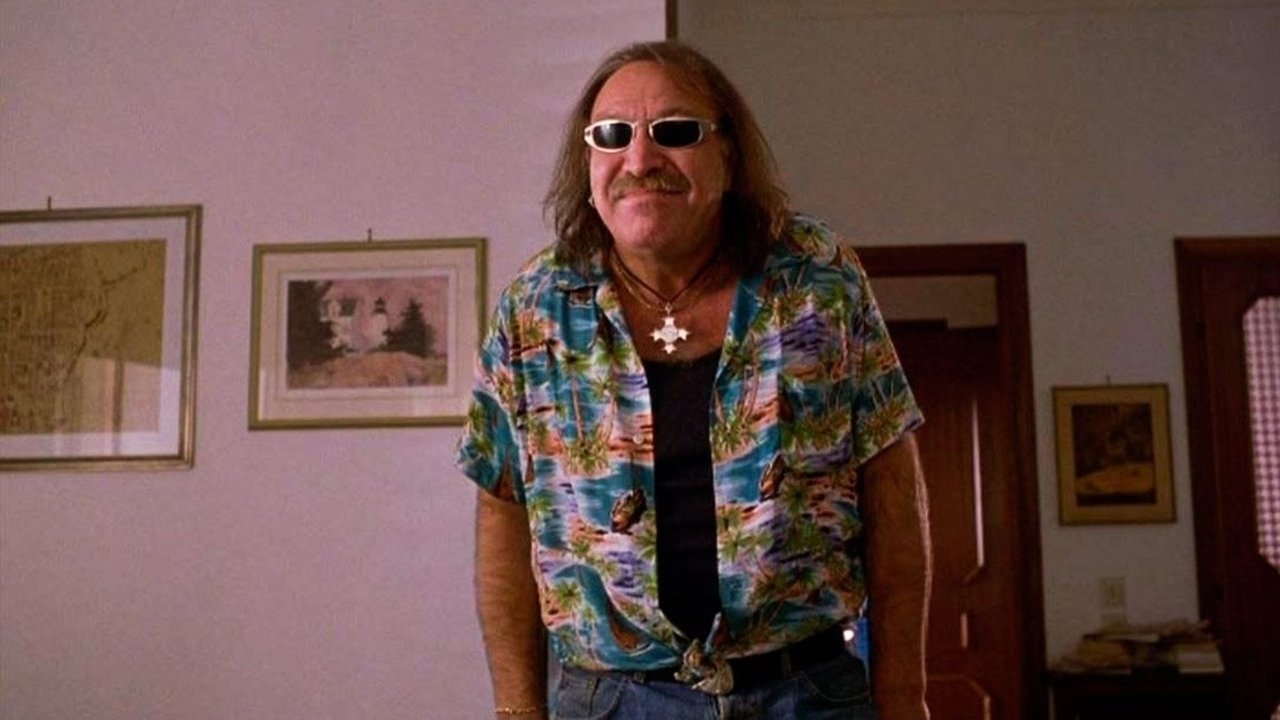
Lucignolo dives headfirst into the life of its titular character (played by Ceccherini himself), a thirty-something slacker living in the Tuscan countryside. He's a whirlwind of manic energy, irresponsibility, and questionable life choices, leeching off his exasperated father (the late, great Flavio Bucci, unforgettable in films like Dario Argento's Suspiria) and generally causing charming havoc. The name "Lucignolo," of course, translates to "Candlewick," the rebellious boy who leads Pinocchio astray to the Land of Toys in the classic story. It's a fitting moniker; Ceccherini's character embodies that spirit of perpetual, overgrown adolescence, resisting responsibility at every turn.
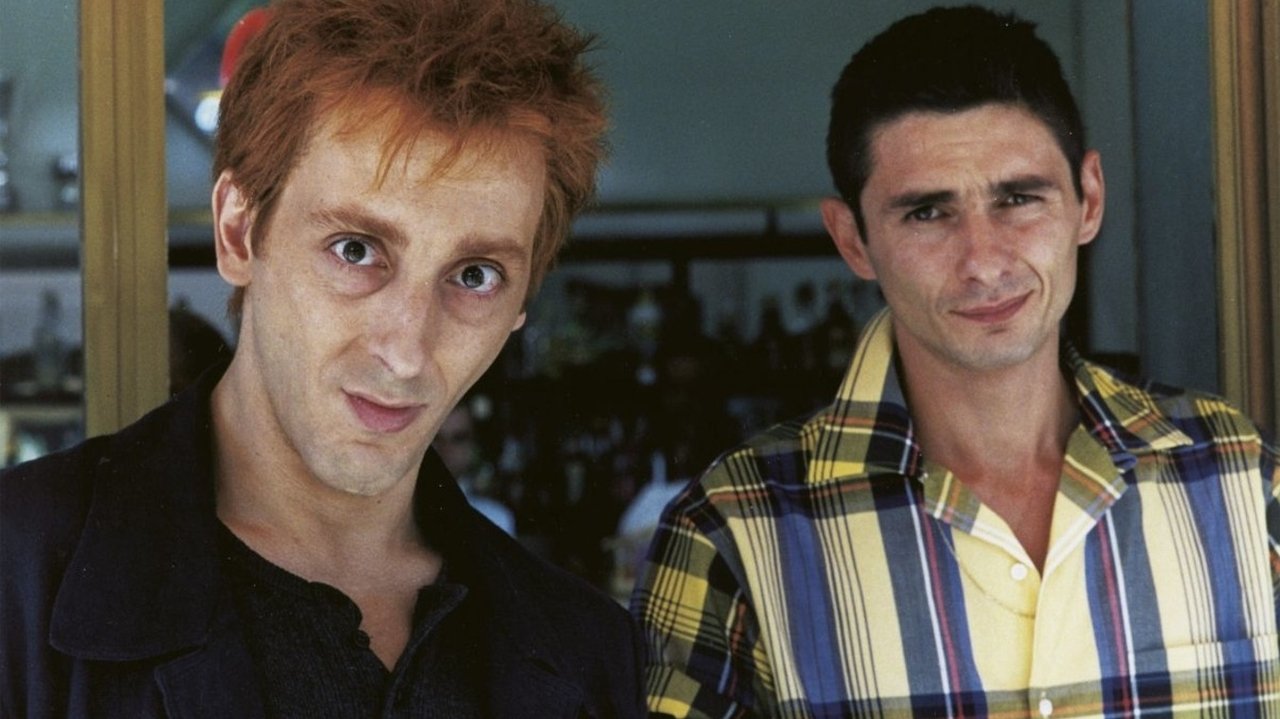
The plot, co-written by Ceccherini and the respected Giovanni Veronesi (who directed hits like Manual of Love later on), isn't exactly a tightly wound narrative. It’s more of a rambling, episodic look at Lucignolo's disastrous attempts at holding down jobs, his awkward interactions with women (including a turn by Claudia Gerini, already a star from films like Viaggi di nozze), and his constant clashes with his weary father. It feels very much like a vehicle built around Ceccherini's established comedic persona – loud, physical, and often bordering on the absurd.
Tuscan Sun... and Shadows
Filmed on location in Tuscany, the movie certainly looks appealing in that distinctly late-90s European way. The colours are warm, the landscapes are beautiful, but there's none of the slick, airbrushed perfection we often see today. It feels grounded, lived-in. The direction, while energetic, sometimes feels as chaotic as its main character. Scenes crash into each other, the tone whipsaws between broad comedy and moments of surprising pathos, particularly in the interactions between Lucignolo and his father.
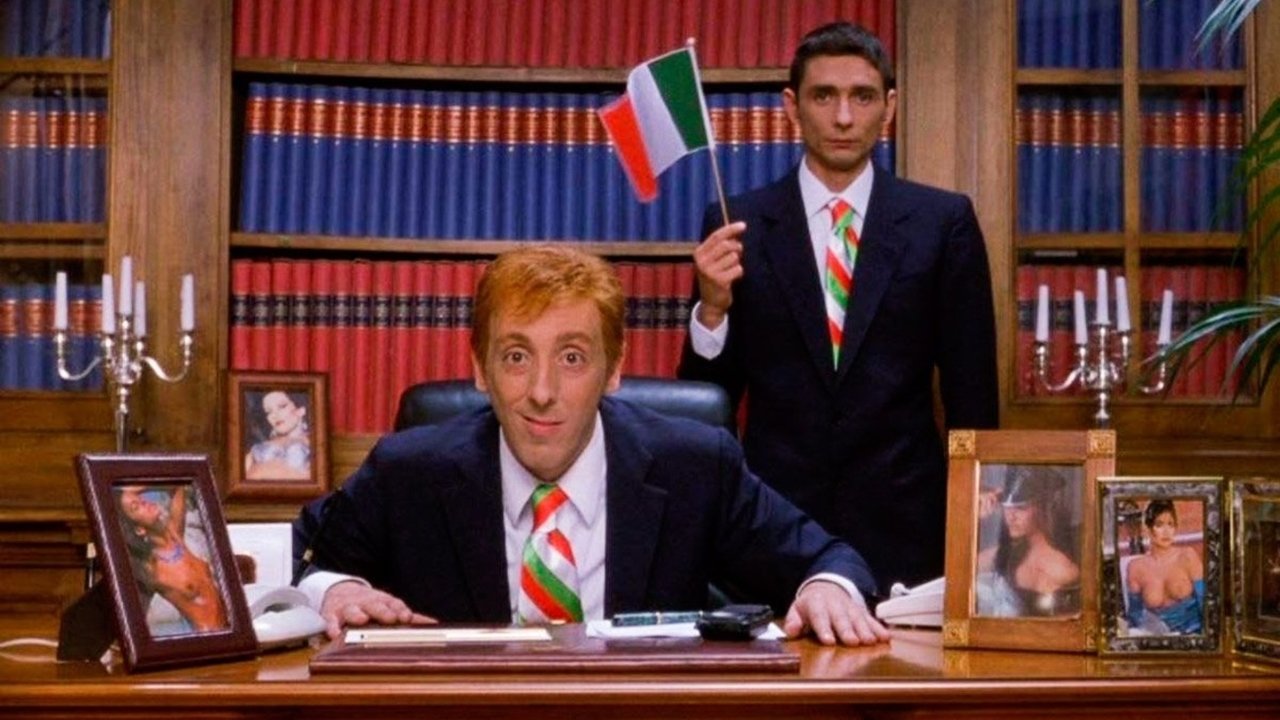
One of the film's undeniable strengths is the casting of Flavio Bucci as the father, Lucio. Bucci brings a necessary gravitas and weariness that anchors Ceccherini's more unrestrained performance. Their dynamic, oscillating between frustration and deep-seated, unspoken affection, provides the film's emotional core. It’s a classic comedic setup – the irresponsible son and the long-suffering parent – but Bucci elevates it beyond mere cliché. It's interesting to note that Ceccherini reportedly considered other actors but ultimately felt Bucci was perfect for the role, bringing a dramatic weight that complemented his own comedic energy.
A Product of Its Time (and Place)
Watching Lucignolo now is a fascinating time capsule experience. The humour is very specific – rapid-fire Italian dialogue, broad physical comedy, and a certain unapologetic crudeness that might not land universally today. It's a far cry from the polished, globally-focused comedies Hollywood was churning out. This feels distinctly Italian, rooted in local sensibilities and comedic traditions. Some jokes probably get lost in translation, relying on cultural context or wordplay that doesn't easily cross borders.
There aren't massive car chases or pyrotechnics here; the "action" is purely character-driven and comedic. The filmmaking itself feels very hands-on, characteristic of lower-to-mid-budget European productions of the era. No obvious CGI smoothing things over, just actors, locations, and the camera capturing the messy energy. Remember how films from this period just felt different? Less processed, perhaps? Lucignolo definitely has that texture.
The film was actually a significant commercial success in Italy, proving Ceccherini's star power could translate to the director's chair, even if critical reception was more mixed. Critics acknowledged the energy and Bucci's performance but often pointed out the uneven tone and rambling structure. It didn't exactly set the international market on fire, remaining something of a domestic favourite or a curiosity for Italophiles abroad. Finding a subtitled VHS or even DVD copy back in the day often felt like a minor victory for foreign film fans.
The Verdict on Candlewick
So, is Lucignolo a forgotten masterpiece? Probably not. Is it an interesting, energetic, and sometimes genuinely funny snapshot of late-90s Italian comedy, anchored by its lead's manic performance and a poignant turn from a veteran actor? Absolutely. It’s messy, uneven, and undeniably Ceccherini. It’s the kind of film you might have stumbled upon late one night on a specialist channel or picked up on a whim from the "World Cinema" shelf at Blockbuster, drawn in by the unfamiliar cover art.
It won't appeal to everyone; the humour can be grating, and the lack of a strong narrative drive might frustrate some viewers. But for those curious about regional European comedies of the era, or fans of Ceccherini's particular brand of chaos, it's a worthwhile trip back.
VHS Heaven Rating: 6/10
Why the score? Lucignolo earns points for its sheer energy, the strong performance by Flavio Bucci, and for being a fascinating time capsule of popular Italian comedy at the turn of the millennium. It captures a specific cultural moment and comedic style. However, it loses points for its uneven tone, rambling structure, and humour that doesn't always translate effectively. It's more of a cult curiosity than a stone-cold classic.
Final Thought: Lucignolo is like finding a slightly battered regional postcard from 1999 – maybe not the most polished picture, but bursting with local colour and a chaotic energy that feels refreshingly unfiltered compared to today's glossier fare. Worth a look, if you can find it, for a taste of pure, uncut late-90s Italian cinematic mayhem.