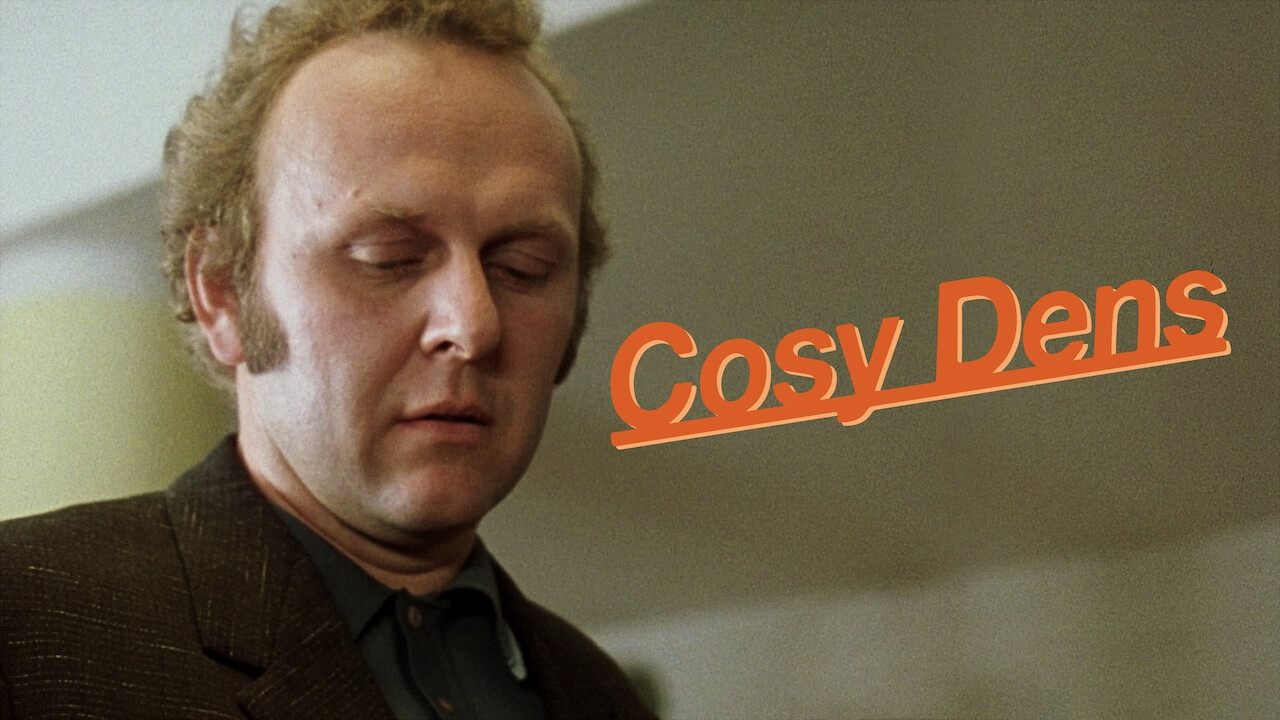
Cosy Dens
It arrives almost like a half-remembered dream, doesn't it? Not a blockbuster that dominated the New Releases wall at Blockbuster, but something more akin to a cherished discovery, perhaps recommended by that one friend with slightly more adventurous taste, or stumbled upon later, maybe even as the DVD era dawned. I'm talking about Jan Hřebejk’s Cosy Dens (Pelíšky), a 1999 film from the Czech Republic that feels both incredibly specific to its time and place, yet speaks volumes about family, adolescence, and the absurdity of life under pressure, wherever you find it. It’s a film that settles in your bones, a bittersweet warmth tinged with the unmistakable chill of history creeping under the door.
Prague, Before the Thaw Froze Over
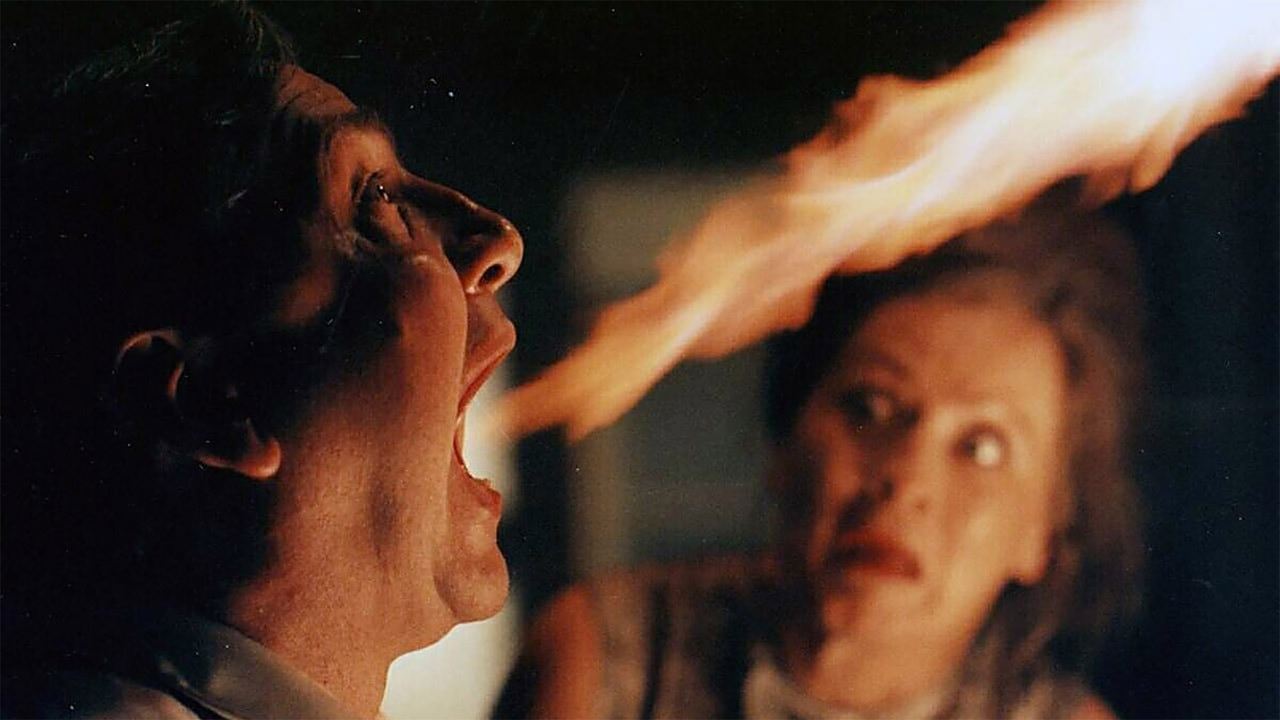
The film plants us firmly in Prague, 1967, leading into the fateful year of 1968. We're invited into the adjacent apartments of two families: the Šebeks and the Kraus'. They represent opposing poles of the Czech experience under Communism. The Šebeks, led by the boisterously patriotic, rigidly pro-regime, yet fundamentally well-meaning army officer (Miroslav Donutil delivering a performance of magnificent, oblivious conviction), cling to the Party line, even when confronted with the failings of Soviet-bloc technology (those infamous plastic spoons!). Across the landing live the Kraus family, headed by a stern, intellectual war veteran (Jiří Kodet, radiating weary dignity and quiet defiance) who despises the Communists and nurses memories of fighting the Nazis. Caught between these ideological and temperamental clashes are their wives, trying to keep the peace, and crucially, their teenage children – Michal Šebek (Michael Beran) and Jindřiška Krausová (Kristýna Nováková) – navigating the universal minefield of first love and adolescent angst against a backdrop of simmering political tension.
Laughter Through Gritted Teeth
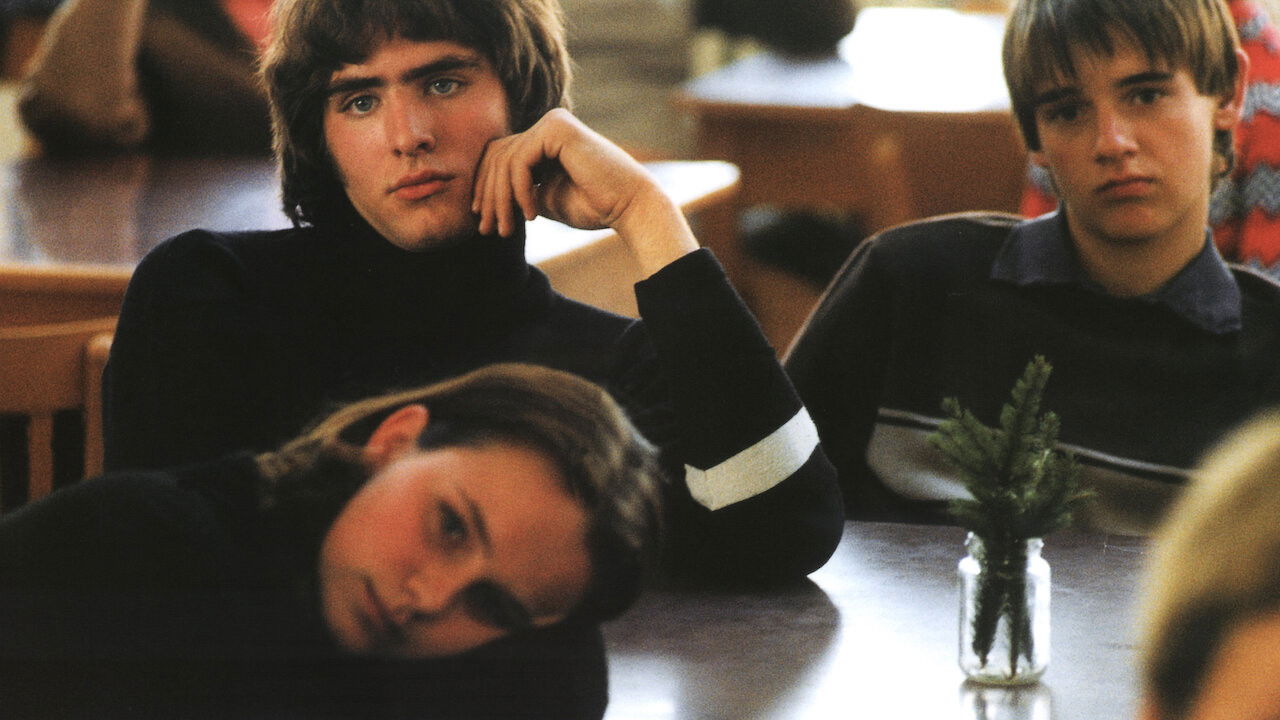
What makes Cosy Dens so enduring, so beloved especially in its homeland where it’s practically a national treasure, is its masterful blend of laugh-out-loud comedy and poignant drama. The script, penned by Petr Jarchovský based on the book "Hovno Hoří" ("Shit Burns") by Petr Šabach, finds humor not in slapstick, but in the deeply relatable, often excruciatingly awkward realities of family life. Think of the fatherly pride dissolving into baffled fury over non-melting plastic spoons supposedly from the advanced GDR, or the competitive one-upmanship regarding dumpling recipes, or the sheer mortification Michal feels over his father’s enthusiastic, yet utterly clueless, attempts to connect. These aren't jokes about the era as much as they are observations from the era, showcasing how ordinary life, with all its petty squabbles and small joys, stubbornly persists even under extraordinary circumstances. The humor often stems from the characters' fierce, sometimes misguided, sincerity. Miroslav Donutil’s performance as Major Šebek is key here; he’s not a caricature of a buffoonish communist, but a man genuinely trying (and often failing spectacularly) to navigate his world according to his beliefs, making his pronouncements both hilarious and strangely touching.
Generational Divides and Unspoken Truths
Beneath the surface humour, Jan Hřebejk, who would continue to explore Czech history with sensitivity and insight in films like Divided We Fall (2000), expertly weaves in the growing sense of unease. The teenagers listen to forbidden Western rock music, symbols of a freedom their parents can only dream of or actively suppress. The ideological clashes between the fathers aren't just dinner table arguments; they represent fundamental divides in how to survive, how to remember, and what future to hope for. Jiří Kodet, as Kraus, embodies the weight of history – his quiet pronouncements carry immense gravity, a stark contrast to Šebek's bluster. His grief and simmering anger feel deeply authentic. And the performances from the younger cast, particularly Michael Beran as the sensitive Michal, capture that bewildering period where parental authority clashes with emerging selfhood, made infinitely more complex by the political realities closing in. You see the confusion, the longing, the quiet rebellion in their eyes.
A Cultural Touchstone Unearthed
For those of us outside the Czech Republic, discovering Cosy Dens often felt like uncovering a secret classic. It achieved phenomenal success domestically, becoming one of the most popular Czech films ever made – a genuine cultural event. Reports suggest it was made on a relatively modest budget but became a box office behemoth in its home country, resonating deeply with audiences who saw their own family histories reflected on screen. It wasn't heavily marketed internationally in the way Hollywood films were plastered across video store shelves, making its arrival feel more organic, often through film festivals or word-of-mouth among cinephiles. Perhaps its slightly later release, right at the cusp of the DVD boom, meant it bypassed the main VHS wave for many Western viewers, cementing its status as a "hidden gem" for those who found it later. The film's poignant ending, set against the backdrop of the 1968 Warsaw Pact invasion, lands with devastating quietness, shifting the tone irrevocably and reminding us that the cosy dens of family life offer only fragile shelter from the storms of history.
Cosy Dens reminds us that laughter and tears are often inseparable, especially when looking back. It captures the awkwardness of youth, the friction between generations, and the ways ordinary people cope with extraordinary times, all with a warmth and humanity that transcends its specific setting. It might not have been on heavy rotation in everyone's VCR back in the day, but its heart beats with the same universal truths found in the best family dramas, wrapped in a unique Czech sensibility.
Rating: 9/10
This score reflects the film's near-perfect balancing act between genuine humour and profound pathos, anchored by exceptional performances (especially from Donutil and Kodet) and a script that rings true on both familial and historical levels. It captures a specific moment with universal resonance, making it a deeply affecting and surprisingly funny snapshot of life on the edge of upheaval.
What lingers most powerfully after the credits roll isn't just the memory of plastic spoons or awkward teenage dances, but the quiet resilience of the human spirit, finding ways to love, laugh, and endure, even when the tanks are just beyond the horizon.