King of Comedy
Okay, rewind your minds with me for a second. Picture this: browsing the aisles of your favorite video store, maybe "Action," maybe "Comedy," maybe that slightly mysterious "World Cinema" section. You stumble across a brightly colored box, Stephen Chow’s face beaming out, maybe promising the usual manic energy. But King of Comedy (1999), popping up right at the tail end of the decade, wasn't quite what many expected from the reigning monarch of Hong Kong mo lei tau (nonsense) comedy. It was… more. Much more. And slipping that tape into the VCR late one night revealed something surprisingly heartfelt beneath the gags.

More Than Just Laughs
This isn't your typical Stephen Chow vehicle like, say, God of Cookery (1996) or the earlier Fight Back to School series. Co-directed with frequent collaborator Lee Lik-chi, King of Comedy offers a poignant, often bittersweet look at the life of Wan Tin-Sau (played by Chow himself), a struggling actor whose passion far exceeds his opportunities. He runs a community acting workshop out of a local welfare center, handing out copies of Stanislavski's "An Actor Prepares," and takes bit parts where he’s mostly ignored or ridiculed. Sound familiar? It's hard not to see echoes of Chow's own lean years grinding it out in minor TV roles before hitting superstardom. He apparently even kept a copy of Stanislavski's book himself during that time!
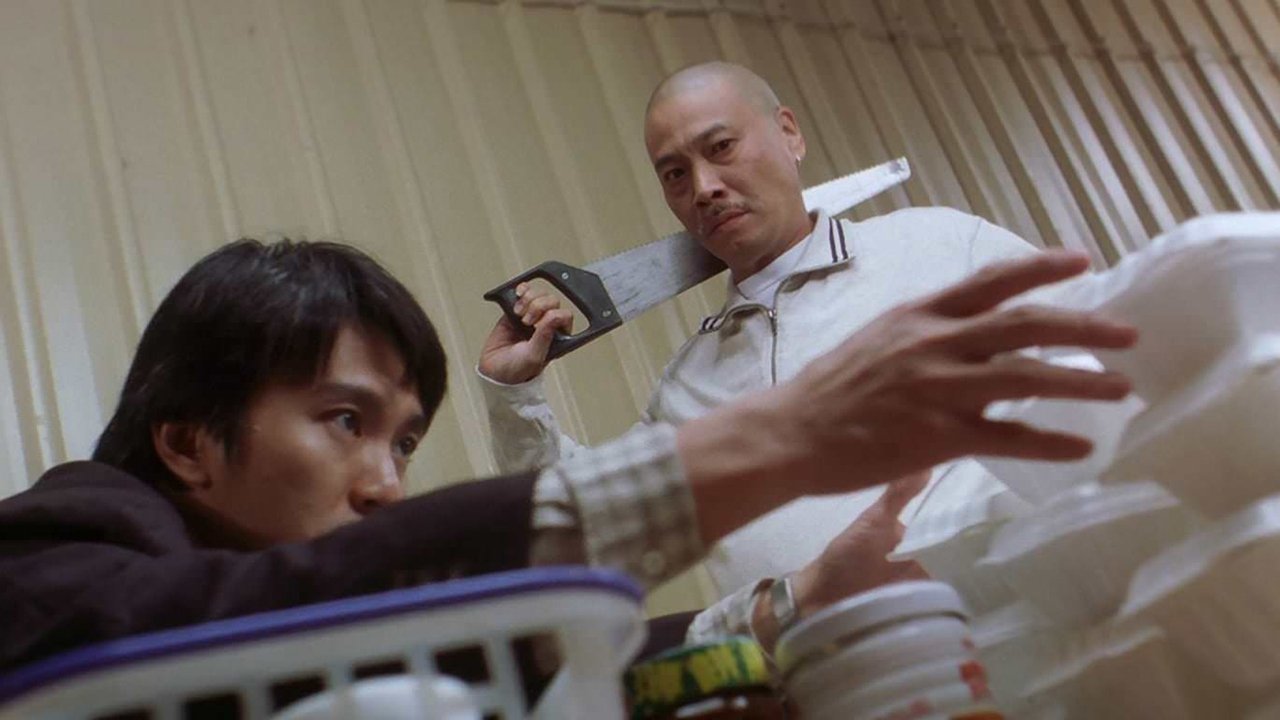
Chow dials back the hyperactive mugging here, giving Wan Tin-Sau a core of earnest dedication that's genuinely touching. He’s still funny, often hilariously inept or overly serious about his craft ("Actually, I am an actor," he insists), but there's a vulnerability we hadn't seen as prominently before. He desperately wants to be respected, even if it's just for playing a corpse convincingly. That running gag about the lunchbox? Reportedly based on a real incident where Chow, as an extra, tried to retrieve his unpaid boxed lunch only to be dismissed. It lands differently knowing that.

A Star is Born, Unexpectedly
The film truly ignites with the arrival of Lau Piu-Piu, a sharp-tongued, outwardly tough nightclub hostess played by a luminous Cecilia Cheung in her feature film debut. She initially comes to Wan Tin-Sau for acting lessons to better charm her clients, leading to some brilliantly awkward and funny coaching scenes. But beneath the bravado, Cheung reveals Piu-Piu's own hidden pain and longing for something more. Their developing relationship forms the emotional anchor of the film. Who could forget that iconic, slightly hesitant exchange on the beach? "Hey!" / "What?" / "I'll support you!" / "You should take care of yourself first, fool." / "Hey!" / "What?" / "I'll support you!" Delivered with such awkward sincerity, it’s a moment that transcends comedy and becomes pure movie magic. Cheung, just 18 at the time, became an overnight sensation thanks to this role, and it’s easy to see why.
Meta-Comedy and Hong Kong Heart
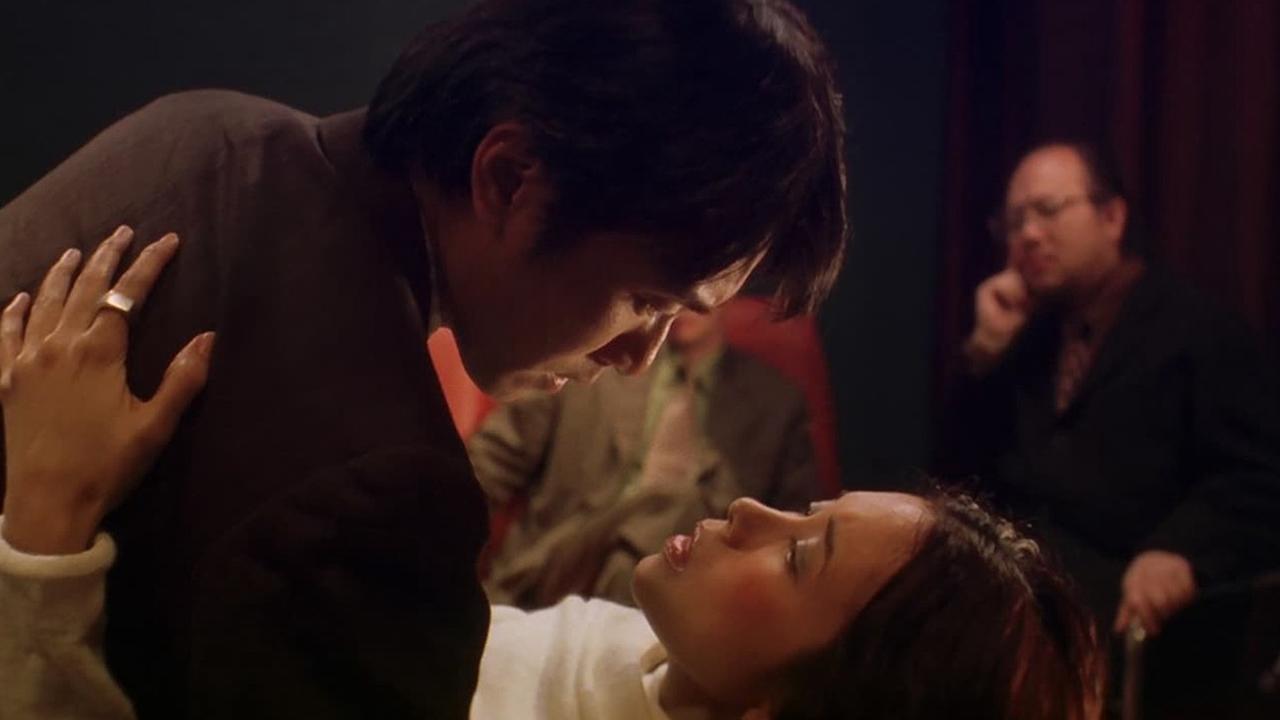
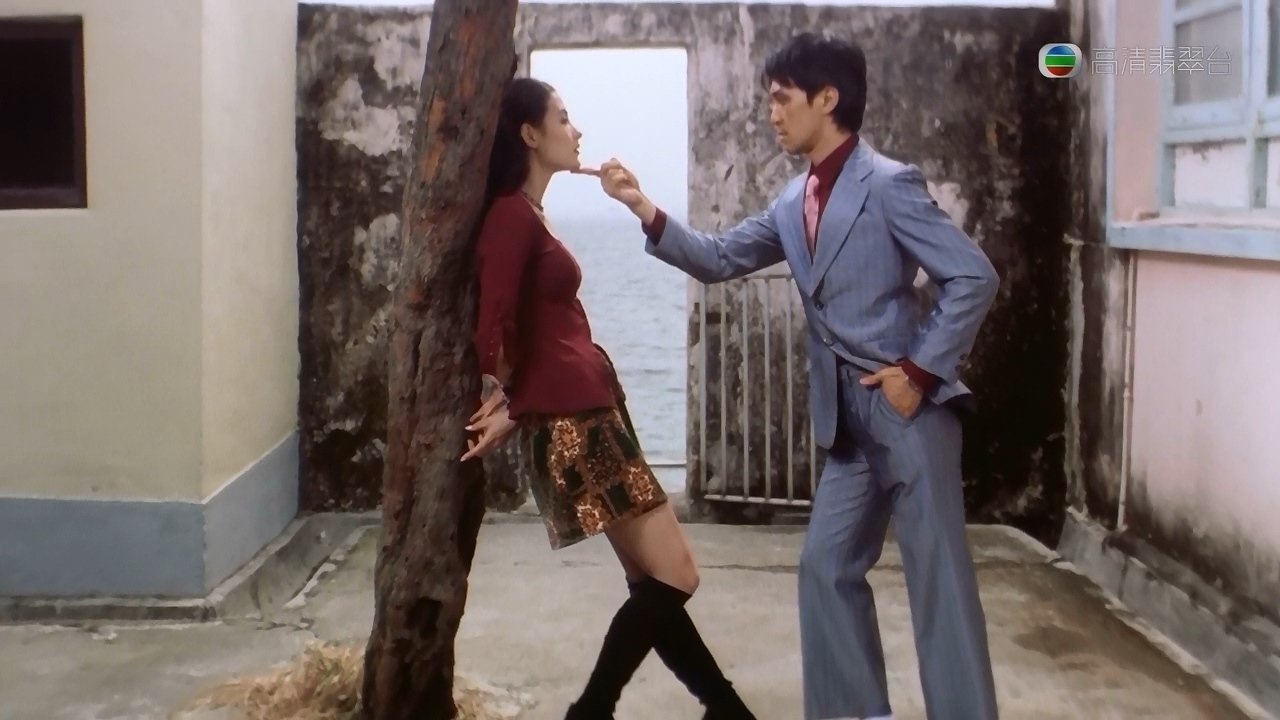
King of Comedy is steeped in meta-commentary about the filmmaking process itself. Wan Tin-Sau’s attempts to bring Method acting to his bit parts, his disastrous coaching sessions, and the behind-the-scenes chaos of the film set he eventually gets a slightly bigger role on – it's all played for laughs, but with an insider’s perspective. There’s even a fantastic cameo from Jackie Chan, playing… well, basically himself playing a doomed extra in a cheesy action scene, offering Wan Tin-Sau some friendly encouragement. Seeing these two titans of Hong Kong cinema share the screen, even briefly, felt like a significant moment back then.
The film doesn't shy away from the less glamorous side of chasing dreams, showing the disappointments and the compromises. There's a subplot involving veteran actress Karen Mok as Cuckoo To, a major star who takes an interest in Wan Tin-Sau, and a slightly bizarre, almost jarring turn involving undercover cops (featuring the always reliable Ng Man-tat in a typically layered performance) that feels like a leftover from a different kind of Chow movie. Yet, somehow, it mostly hangs together, anchored by Chow and Cheung’s performances and the film's undeniable Hong Kong spirit. Filmed on location in places like Shek O, it captures a specific slice of late-90s Hong Kong life.
Still Reigning After All These Years?
Watching King of Comedy today, especially on a format maybe less forgiving than fuzzy VHS, its blend of tones can still feel a bit unusual. It lacks the sheer joke-per-minute density of Chow’s earlier work and the polished, effects-driven spectacle of later hits like Shaolin Soccer (2001) or Kung Fu Hustle (2004). But its charm lies in that very imperfection, in its willingness to be vulnerable and surprisingly sincere amidst the silliness. It’s a film about the love of craft, the sting of rejection, and finding connection in unexpected places. It was a decent hit in Hong Kong (around HK$30 million), proving audiences were willing to follow Chow down this more introspective path, even if it wasn't the record-breaker some of his other films were.
Rating: 8.5/10
Justification: While the tonal shifts might feel slightly jarring to some, the film's genuine heart, brilliant performances (especially Cheung's debut and Chow's nuanced turn), witty meta-commentary, and iconic moments make it a standout in Chow's filmography. It earns its points for daring to be different and for delivering unexpected emotional depth alongside the laughs. The slightly uneven structure holds it back from perfection, but its highs are incredibly high.
Final Thought: King of Comedy might not have the explosive laughs per minute of other Chow classics, but its blend of humour and heart hits differently – a poignant reminder from the VHS era that sometimes the funniest people have the most serious things to say about dreams. Definitely worth revisiting or discovering if you missed it back in the day.
You Might Also Enjoy
Chungking Express
1994
Eat Drink Man Woman
1994
Even Cowgirls Get the Blues
1994
Forrest Gump
1994
Sleep with Me
1994
The Postman
1994
The Sum of Us
1994
Rendezvous in Paris
1995
Brassed Off
1996
My Sex Life... or How I Got Into an Argument
1996
Shall We Dance?
1996
Twelfth Night
1996
Chasing Amy
1997
Ishq
1997