La fame e la sete
It’s a peculiar kind of inheritance, isn’t it? Not money or property, but the tangled, often contradictory threads of family itself. This thought kept circling as I revisited Antonio Albanese's 1999 directorial debut, La fame e la sete (or Hunger and Thirst for the anglophones among us). Here’s a film that doesn’t just explore family dynamics; it embodies them, quite literally, through Albanese playing three wildly different estranged brothers forced together by their grandmother’s passing. It's a premise ripe for comedy, certainly, but watching it again, decades later, it resonates with a certain bittersweet truth about the inescapable bonds – and barriers – of blood.
One Man, Three Brothers, Infinite Chaos
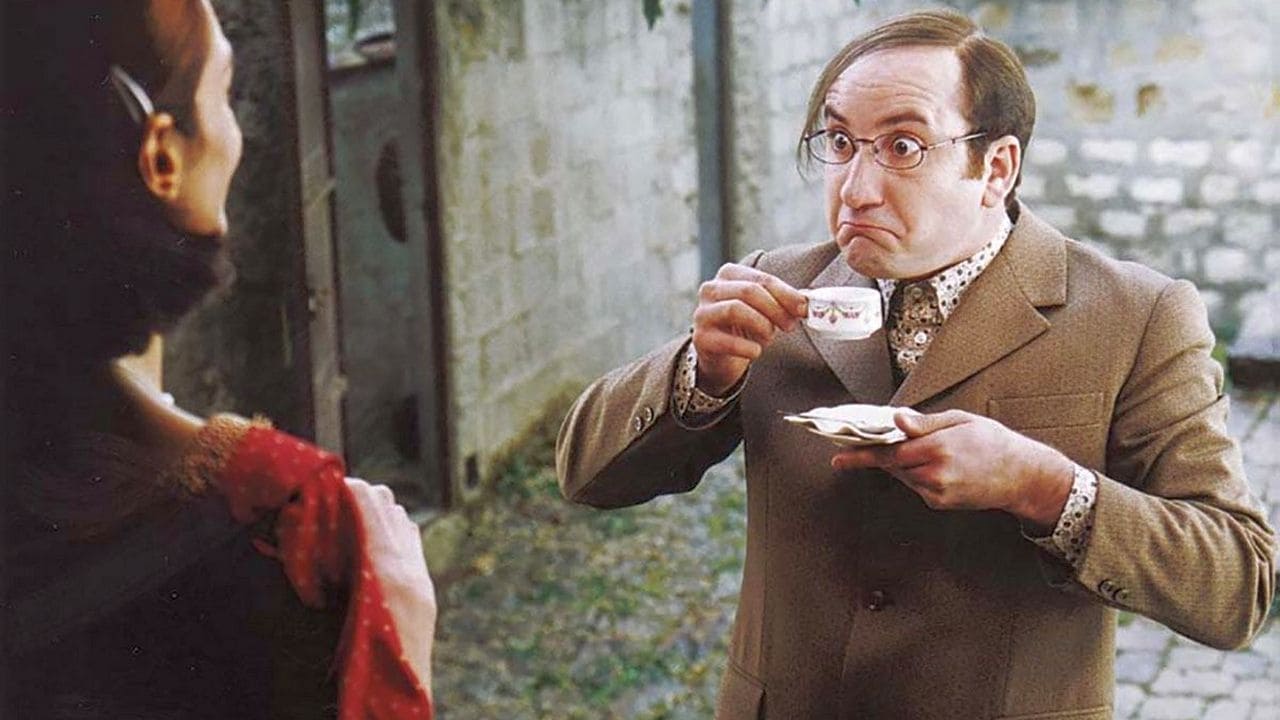
The setup is pure comedic gold, steeped in distinctly Italian flavours. Grandmother Angelina departs this world, leaving behind a modest inheritance and the daunting task of reuniting her three grandsons: Alex Drastico, a hot-headed, perpetually aggrieved Sicilian philosopher-thug; Ivo Perego, a hyper-materialistic, neurotic Lombard industrialist obsessed with status and hygiene; and Epifanio, a gentle, impossibly naive soul living a life of childlike simplicity, often accompanied by his beloved pet mouse. The genius, of course, is that all three are brought to life by Antonio Albanese. This isn't just stunt casting; it's the core engine of the film. Albanese, already a massive star in Italy thanks to TV sketch shows where these characters originated, steps onto the larger canvas of cinema and proves his creations have depth beyond the quick laugh.
A Masterclass in Character Comedy
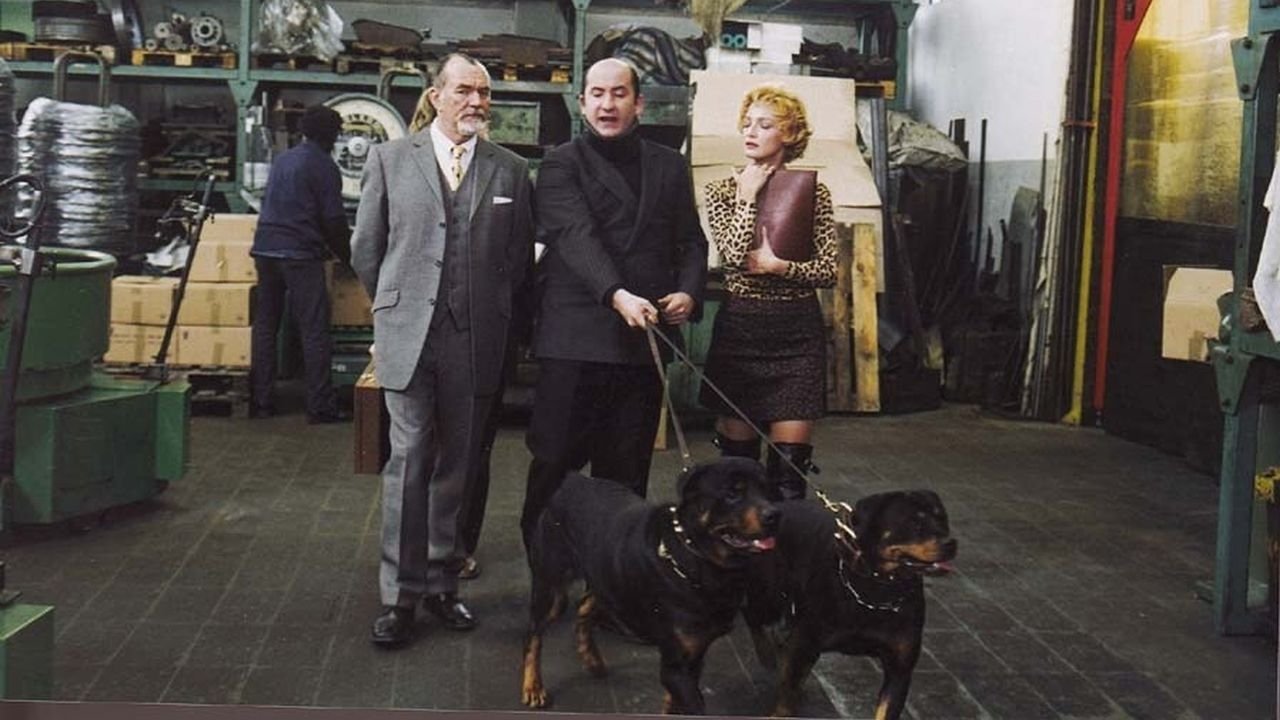
Watching Albanese inhabit these roles is the film's primary joy. It’s more than just wigs and accents (though those are distinct and effective). He captures the essence of each brother through posture, gait, vocal rhythm, and, crucially, their worldview. Alex Drastico’s simmering resentment practically radiates heat; Perego’s anxious fidgeting and clipped tones scream Northern Italian efficiency bordering on panic; Epifanio’s wide-eyed wonder and gentle pronouncements are genuinely endearing, preventing the character from becoming merely pathetic. The interactions between them, often achieved through clever editing and stand-ins (a common technique from the era, feeling comfortingly familiar on VHS), crackle with the energy of Albanese essentially arguing with himself, embodying the internal conflicts many families experience externally. It’s a performance that feels both technically impressive for its time and deeply understood from a character perspective.
Beyond the Laughs: Satire and Sicilian Sun
While the film delivers plenty of laughs, often stemming from the brothers' clashing personalities and the absurdity of their road trip across Sicily to fulfill their grandmother’s last wishes, there's more simmering beneath the surface. Collaborating on the script with heavyweights Vincenzo Cerami (who penned the Oscar-nominated screenplay for Life is Beautiful) and satirist Michele Serra, Albanese doesn't shy away from poking fun at ingrained Italian stereotypes – the passionate, traditional South versus the pragmatic, modern North. Perego’s disdain for Sicily and Alex’s contempt for Perego’s perceived superficiality form a comedic backbone that also offers a gentle critique of regional prejudices. Filmed on location, the sun-drenched landscapes of Sicily (Petralia Soprana providing many backdrops) become almost another character, a beautiful, ancient counterpoint to the brothers' modern anxieties and failings.

Retro Fun Facts: From TV Sketch to Box Office Smash
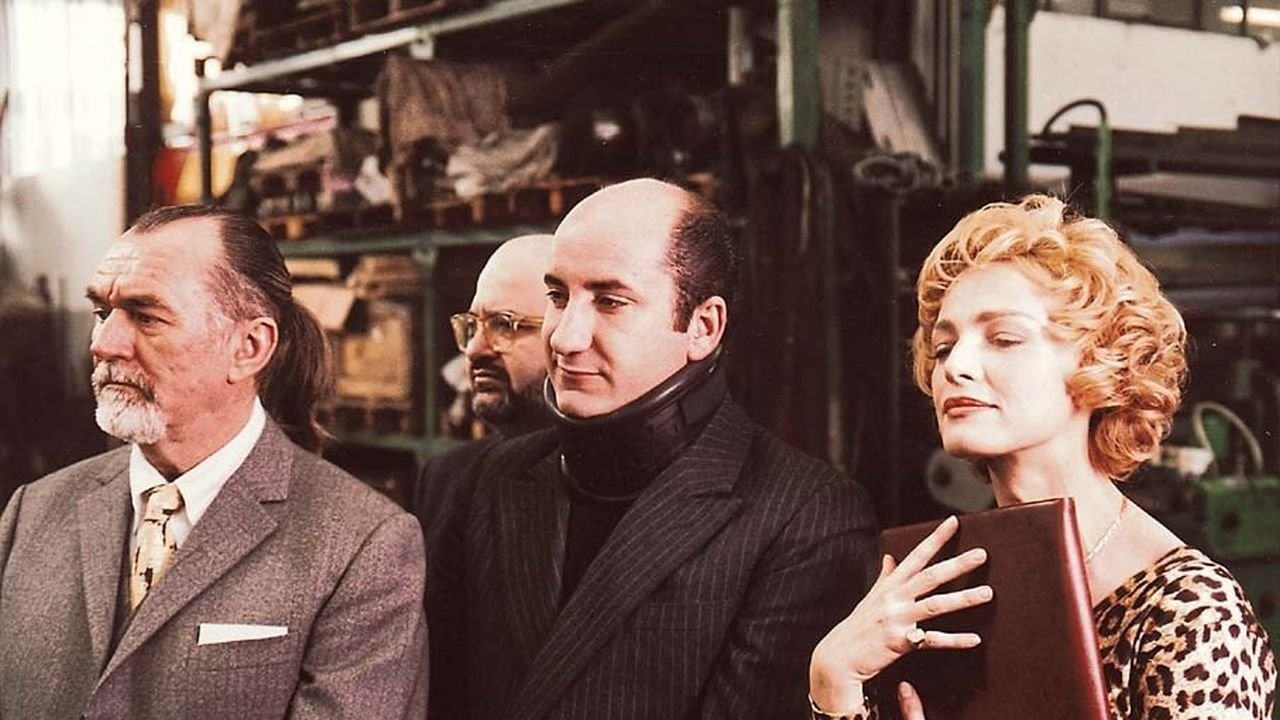
For those of us outside Italy, La fame e la sete might have been one of those intriguing finds in the 'World Cinema' aisle of the local video store, a colourful cover promising something different. Back home, however, this was a significant event. These characters – Alex, Ivo, and Epifanio – were already beloved icons from Albanese’s television work on shows like Mai dire Gol. Bringing them together in his directorial debut was a gamble that paid off spectacularly. The film was a massive hit in Italy, reportedly grossing over 20 billion lire (a hefty sum back then!), cementing Antonio Albanese not just as a comedic actor, but as a bankable film director and star. The technical feat of having one actor carry three lead roles, while perhaps more common digitally today, required considerable ingenuity in 1999, relying heavily on precise blocking, split-screen techniques (used sparingly), and convincing doubles for over-the-shoulder shots – practical solutions that now feel part of its late-VHS-era charm.
The Lingering Taste
Does every joke land perfectly decades later? Perhaps not universally. Some of the stereotyping, while satirical, feels broad by today's standards. Yet, the core of the film – Albanese's incredible versatility and the surprisingly touching moments that emerge amidst the chaos (especially involving the innocent Epifanio) – remains potent. It’s a film that uses comedy to ask questions about what truly matters: connection over possessions, understanding over judgment, the shared roots that persist even when branches grow in wildly different directions. It captures a specific flavour of Italian comedy from the late 90s – boisterous, character-driven, and unafraid to wear its heart on its sleeve, even while delivering absurdity. I distinctly remember renting this curiosity, drawn in by the premise, and being utterly charmed by Albanese's triple threat.
Rating: 7.5/10
This score reflects the film's undeniable strength: Antonio Albanese's tour-de-force performance(s) and the genuine laughs derived from the inspired character work. It’s anchored by a clever script (co-written by the great Vincenzo Cerami) that blends slapstick with insightful satire. While perhaps feeling slightly dated in places and potentially having a humour style that’s specifically Italian, its charm, energy, and surprisingly warm heart make it a standout comedy of its era. It loses a couple of points for the occasional reliance on broad stereotypes and a narrative that serves the characters more than complex plotting, but the central performance is truly something to behold.
For fans of character comedy or those seeking a delightful slice of late-90s Italian cinema that likely graced the more adventurous video store shelves, La fame e la sete is a rewarding journey. It leaves you pondering not just the hunger for success or the thirst for belonging, but the inescapable, often comical, ties that bind us to family, for better or worse.
You Might Also Enjoy
Uomo d'acqua dolce
1997
The Monster
1994
Life Is Beautiful
1997
Gunslinger's Revenge
1998
The Little Devil
1988
The Voyage of Captain Fracassa
1990
Johnny Stecchino
1991
00 Schneider - Jagd auf Nihil Baxter
1994
3 Ninjas Kick Back
1994
A Chinese Torture Chamber Story
1994
A Flintstones Christmas Carol
1994
A Low Down Dirty Shame
1994
A Simple Twist of Fate
1994
Ace Ventura: Pet Detective
1994