Mifune
Okay, fellow travellers down the magnetic tape memory lane, let’s rewind to the very cusp of the new millennium, a time when the local video store's 'World Cinema' section could still yield unexpected treasures. Tucked away perhaps between more bombastic fare, you might have found a Danish film with a curious title: Mifune (1999), or Mifunes sidste sang (Mifune's Last Song) in its homeland. It arrived bearing the striking imprint of the Dogme 95 movement, that stark manifesto aimed at stripping filmmaking back to its raw essentials. But does stripping away artifice reveal deeper truth, or just expose the seams?
An Escape Route Closes
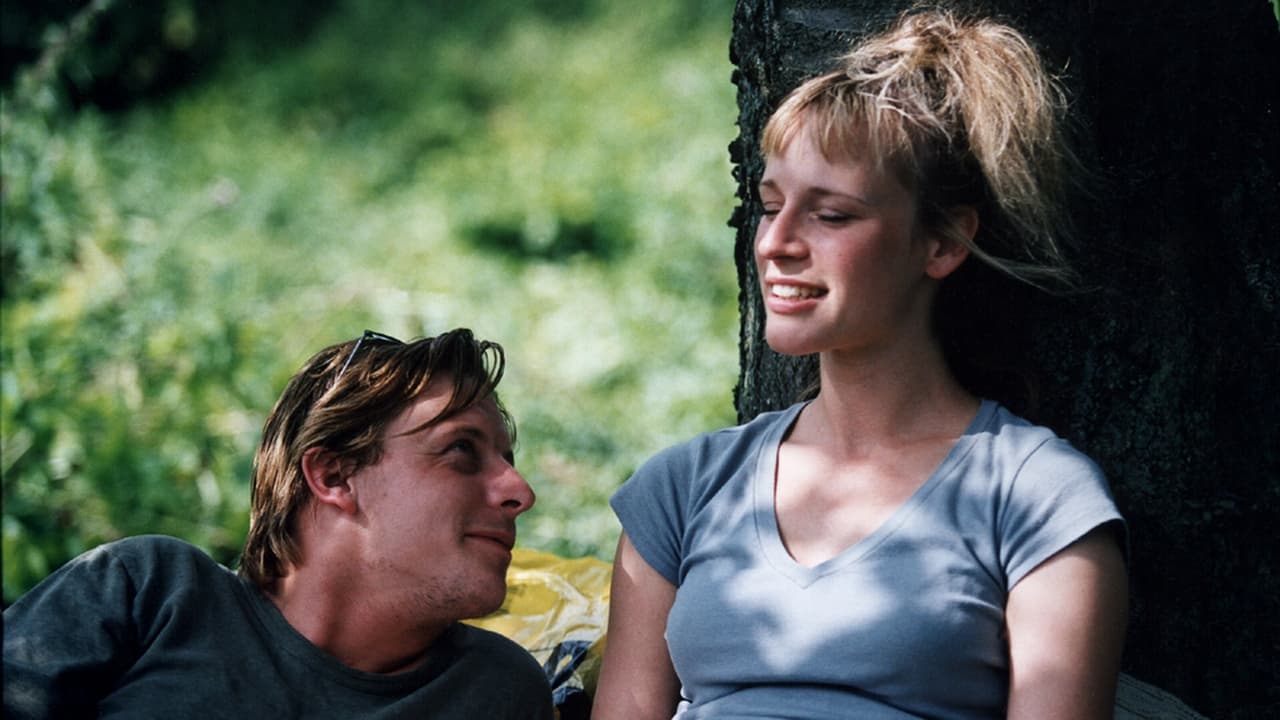
The film throws us immediately into the carefully constructed life of Kresten (Anders W. Berthelsen). He’s just married the boss's daughter, seemingly securing his ascent in Copenhagen's sleek business world. It’s a world of sharp suits and calculated smiles. Then, the phone rings. News from the rural backwater he fled years ago: his father has died. Reluctantly, Kresten returns to the dilapidated family farm on the island of Lolland, a place thick with the ghosts of a past he desperately tried to bury. Berthelsen masterfully portrays Kresten’s discomfort, the almost physical shedding of his city skin as he confronts the squalor and, more significantly, his intellectually disabled brother, Rud (Jesper Asholt). The life he escaped hasn’t vanished; it was simply waiting.
An Unlikely Sanctuary
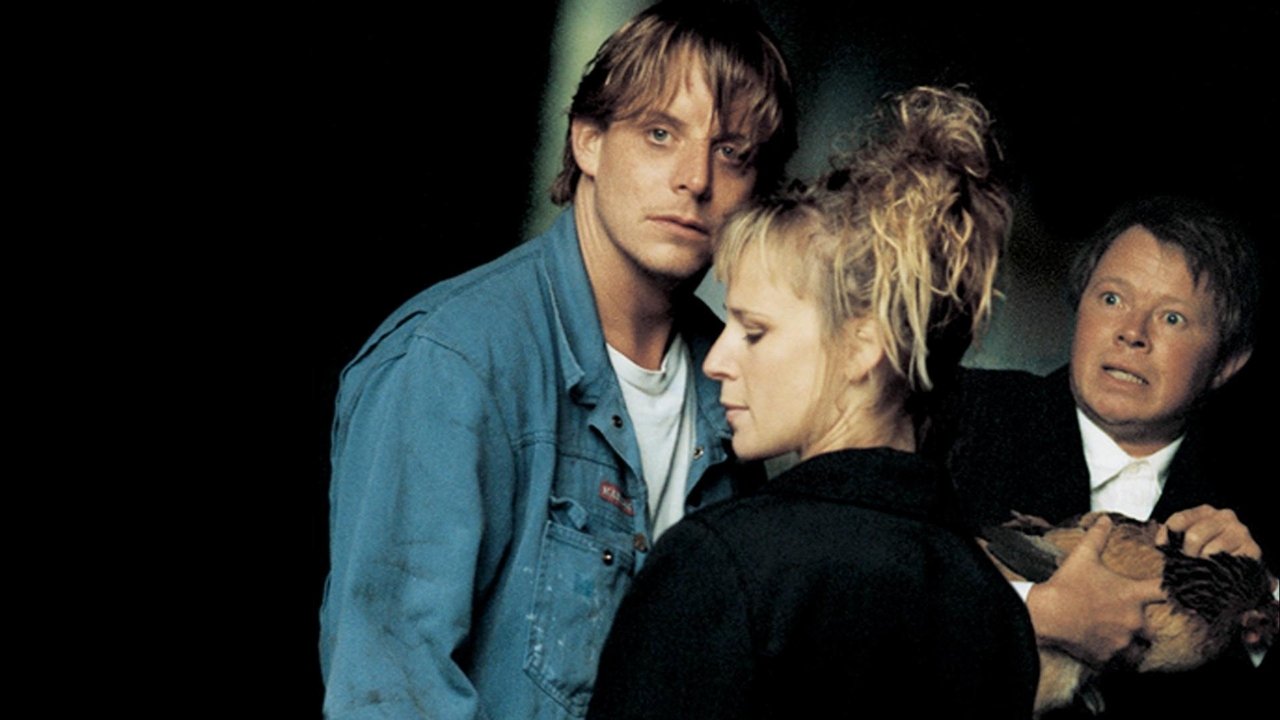
Left responsible for Rud and the crumbling farm, Kresten’s carefully crafted facade cracks wide open. His sophisticated wife wants nothing to do with this inconvenient reality. In desperation, Kresten places a vague ad for a housekeeper, leading to the arrival of Liva (Iben Hjejle), a beautiful woman escaping her own troubled situation – specifically, relentless threatening phone calls tied to her past as a sex worker. What unfolds isn't a typical romance, nor a straightforward drama. It’s the tentative, messy formation of an unconventional family unit built on shared secrets, mutual need, and surprising affection. Hjejle, who many might recognize from her role opposite John Cusack in High Fidelity (2000) shortly after this, is simply luminous. She brings a bruised strength and wary tenderness to Liva, making her far more than just a plot device. And Jesper Asholt delivers a truly remarkable performance as Rud, navigating the character's challenges with immense sensitivity and warmth, avoiding caricature entirely. His bond with Liva becomes the film's unexpected emotional anchor.
Through the Dogme Looking Glass
Now, about that Dogme 95 influence. Directed by Søren Kragh-Jacobsen (who also co-wrote with a then-emerging talent, Anders Thomas Jensen, later known for directing dark comedies like Adam's Apples), Mifune adheres, mostly, to the movement's "Vow of Chastity." This meant shooting on location, using only available sound and light, employing handheld cameras, and eschewing superficial action or genre conventions. Does it feel restrictive? At times, the jerky camera work and occasionally murky lighting typical of early Dogme films are present. Yet, here, it largely works. The rawness mirrors the characters' exposed nerves and the unvarnished reality of the farm. It forces an intimacy, pulling us directly into their cluttered, emotionally charged spaces. There's no glossy filter distancing us from Kresten's panic, Liva's fear, or Rud's simple joys. This wasn't just an aesthetic choice; it was a deliberate tool used by Kragh-Jacobsen (one of the original four Dogme 'brothers' alongside Lars von Trier, Thomas Vinterberg, and Kristian Levring) to heighten the sense of immediacy and authenticity. Interestingly, while Dogme aimed to purify cinema, Mifune ended up being one of the movement's most commercially successful and accessible entries, even winning the Silver Bear Grand Jury Prize at the Berlin International Film Festival in 1999.


What Lies Beneath the Surface?
Beyond the Dogme framework, what lingers is the film’s exploration of identity and belonging. Kresten initially views the farm and his brother as shameful burdens, impediments to the "better" life he craved. Yet, it's within this messy, imperfect reality, alongside two other societal outsiders, that he finds a semblance of genuine connection he lacked in his polished city existence. Is the film suggesting that true belonging is found not in escaping our roots, but in accepting them, flaws and all? It poses questions about the masks we wear and the often-surprising places we find sanctuary. The title itself, a reference to the legendary Japanese actor Toshiro Mifune (star of many Akira Kurosawa classics like Seven Samurai (1954)), feels somewhat tangential – Rud is a fan – perhaps serving as a subtle nod to finding heroism or meaning in unexpected forms, far from the samurai epics.
Rating & Final Reflection
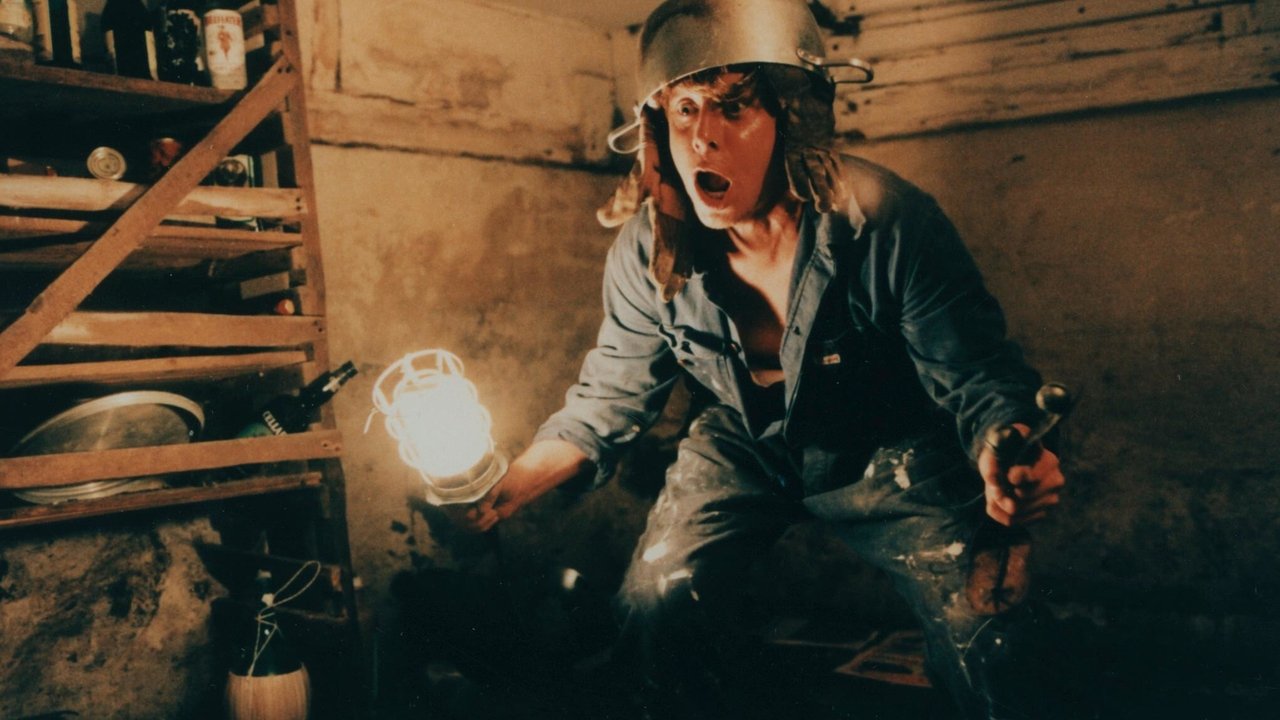
Mifune isn't a perfect film. The plot relies on some convenient turns, and the Dogme style won't be for everyone. Yet, its emotional honesty, carried by three outstanding central performances, resonates deeply. It captures that specific late-90s indie spirit – earnest, a little raw, but full of heart. Finding this on a video store shelf felt like uncovering something genuine, a story less manufactured and more lived-in. It reminds us that sometimes, the most profound journeys are the ones that lead us back to the places, and the people, we thought we’d left behind forever.
Rating: 8/10
A genuinely moving and surprisingly warm entry from the often austere Dogme 95 school, elevated by superb acting that finds profound humanity amidst the messiness of life. It’s a film that asks: where, and with whom, do we truly belong?
You Might Also Enjoy
Chungking Express
1994
Eat Drink Man Woman
1994
Even Cowgirls Get the Blues
1994
Forrest Gump
1994
Sleep with Me
1994
The Postman
1994
The Sum of Us
1994
Rendezvous in Paris
1995
Brassed Off
1996
My Sex Life... or How I Got Into an Argument
1996
Shall We Dance?
1996
Twelfth Night
1996
Chasing Amy
1997
Ishq
1997