Pirates of Silicon Valley
Ghosts in the Machine: Revisiting the Dawn of the Digital Age in Pirates of Silicon Valley
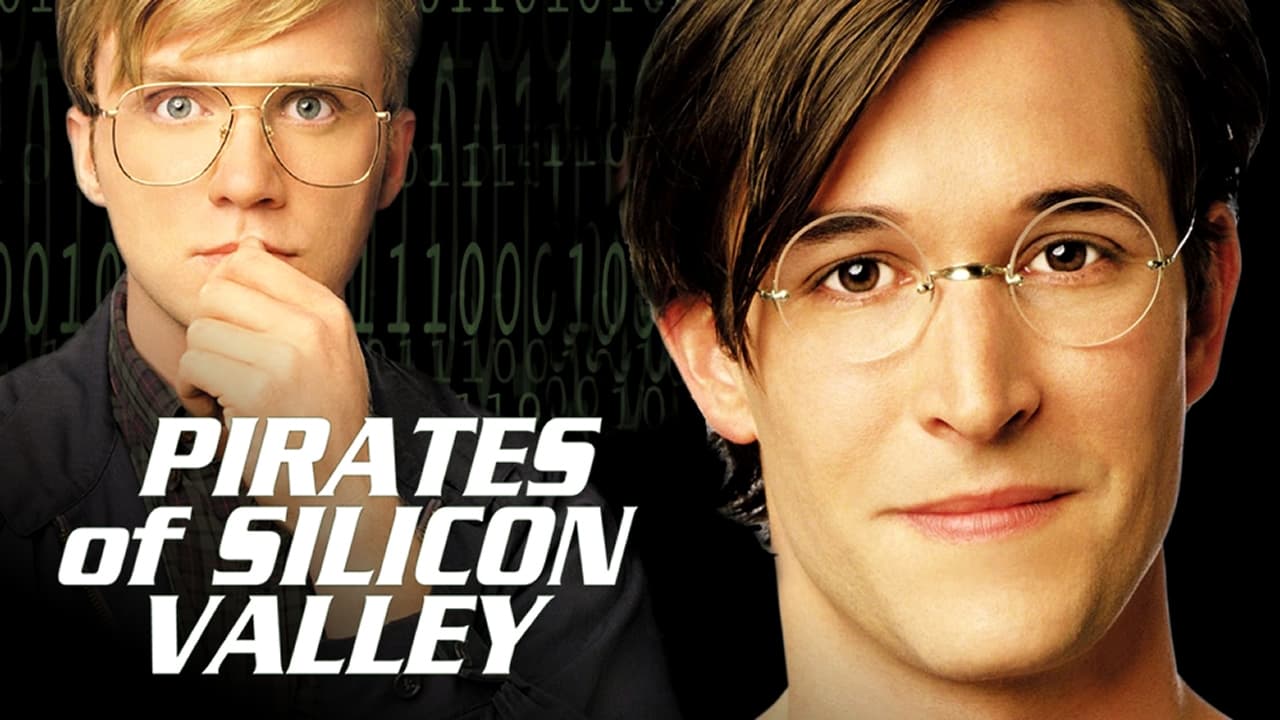
Sometimes a performance doesn't just capture a person; it feels like it channels them. When Noah Wyle, then best known for his earnest portrayal of Dr. John Carter on ER, first appeared on screen as Steve Jobs in 1999's Pirates of Silicon Valley, the effect was startling. It wasn't merely mimicry; it was an embodiment – the posture, the intensity, the almost unsettling charisma. Watching it again now, years after Jobs' passing and the ubiquity of the devices he championed, Wyle's turn remains a powerful anchor for this surprisingly sharp and insightful made-for-TV movie that chronicled the explosive rivalry between Apple and Microsoft. It forces you to consider: how much of the myth surrounding these figures was real, and how much did they consciously construct?
Forged in Fire (and Garages)
Directed and written by Martyn Burke, adapting the book Fire in the Valley, the film cleverly frames the narrative not just as a history lesson, but as a dramatic, almost Shakespearean clash of personalities and ambitions. We see the counter-culture idealism of early Apple – Jobs the visionary, barefoot and intense, alongside the gentle engineering genius of Steve Wozniak (Joey Slotnick, bringing crucial warmth and conscience to the story). Contrasted against this is the relentless, perhaps less initially glamorous, rise of Microsoft under Bill Gates (Anthony Michael Hall) – portrayed here as fiercely intelligent, socially awkward, but ruthlessly pragmatic.
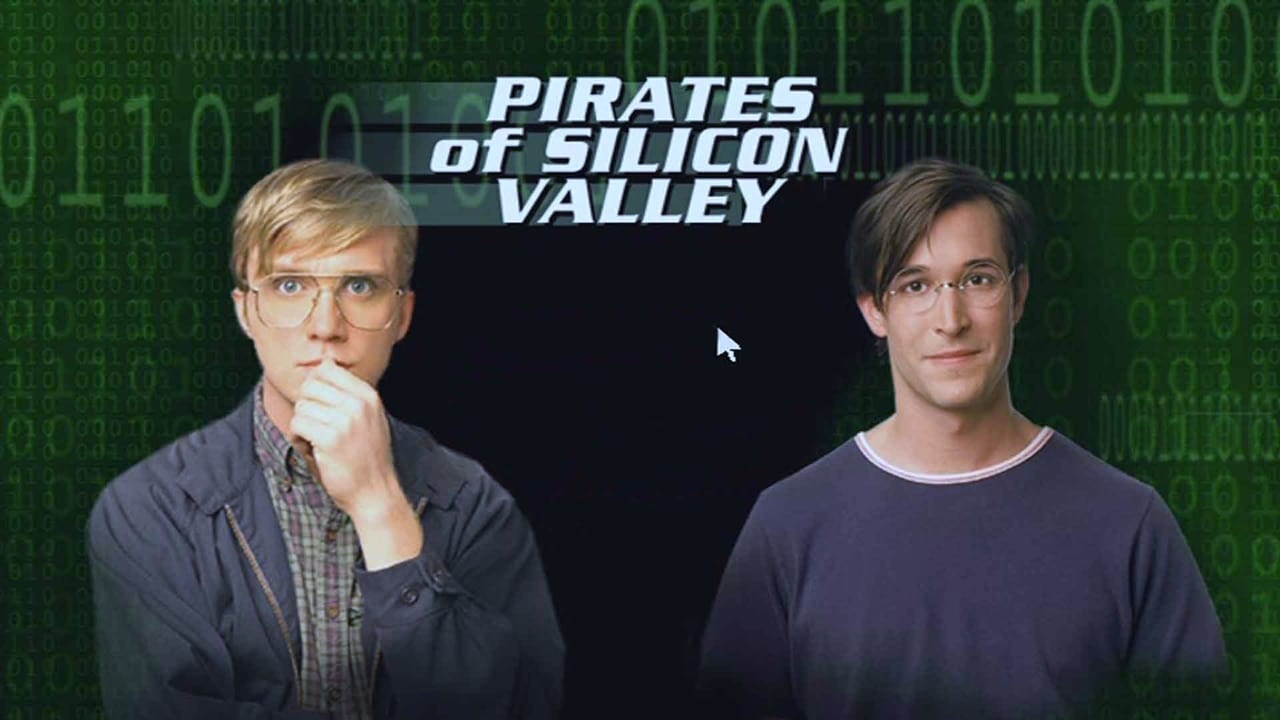
The film doesn't shy away from the less flattering aspects of its subjects. Jobs' infamous temper, his manipulation, his denial of paternity – it's all there. Gates' calculated appropriation of ideas, his single-minded focus on market domination – that's present too. Burke avoids simple hero/villain dynamics, instead presenting two immensely driven, complex individuals who reshaped the world, often leaving bruised egos and broken promises in their wake. It asks us, implicitly, whether the "visionary" label sometimes provides cover for deeply flawed behaviour. Doesn't the drive required for world-changing innovation often come with a steep personal cost, both for the innovator and those around them?
Beyond Impersonation: Capturing the Spark
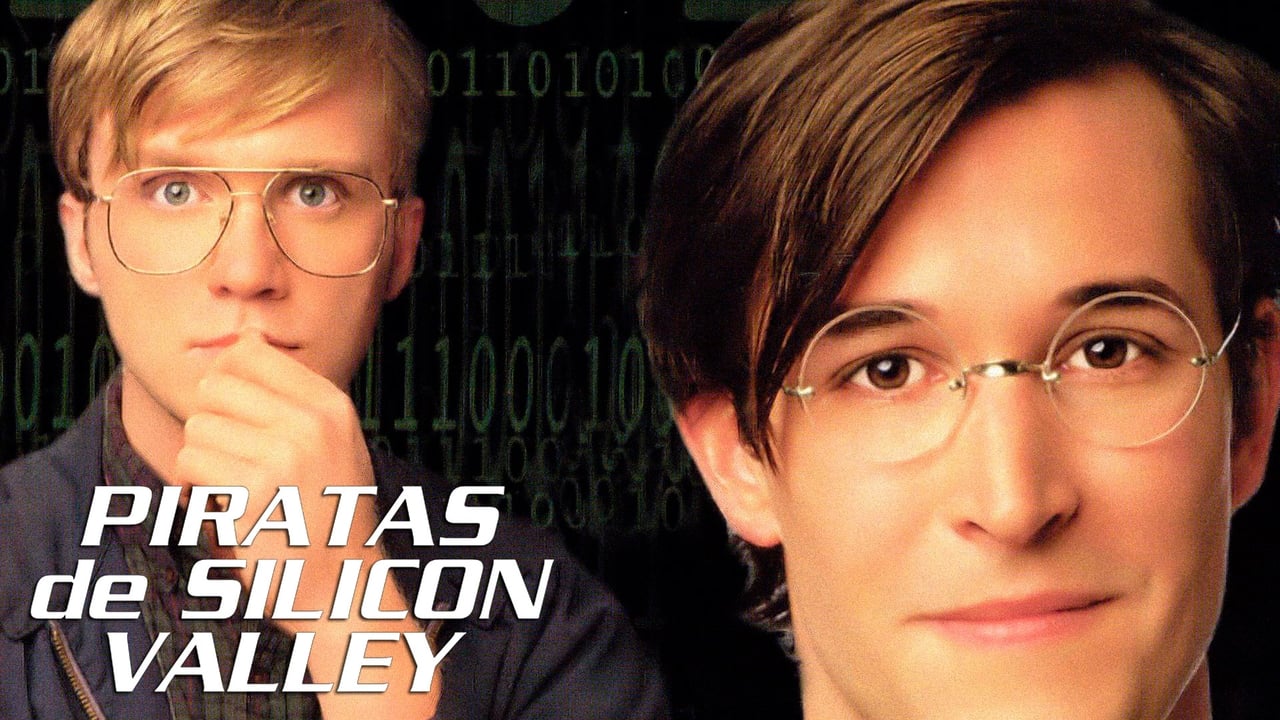
The casting truly elevates Pirates of Silicon Valley beyond typical biopic fare. Wyle’s performance is legendary in tech circles; Steve Jobs himself was reportedly so impressed after seeing the film that he invited Wyle, dressed as him, to open the 1999 Macworld keynote as a prank. Wyle nails the physicality, the unique vocal cadence, but more importantly, he captures that almost messianic zeal Jobs possessed, the 'reality distortion field' in full effect. You believe this is a man who could inspire devotion and fear in equal measure.
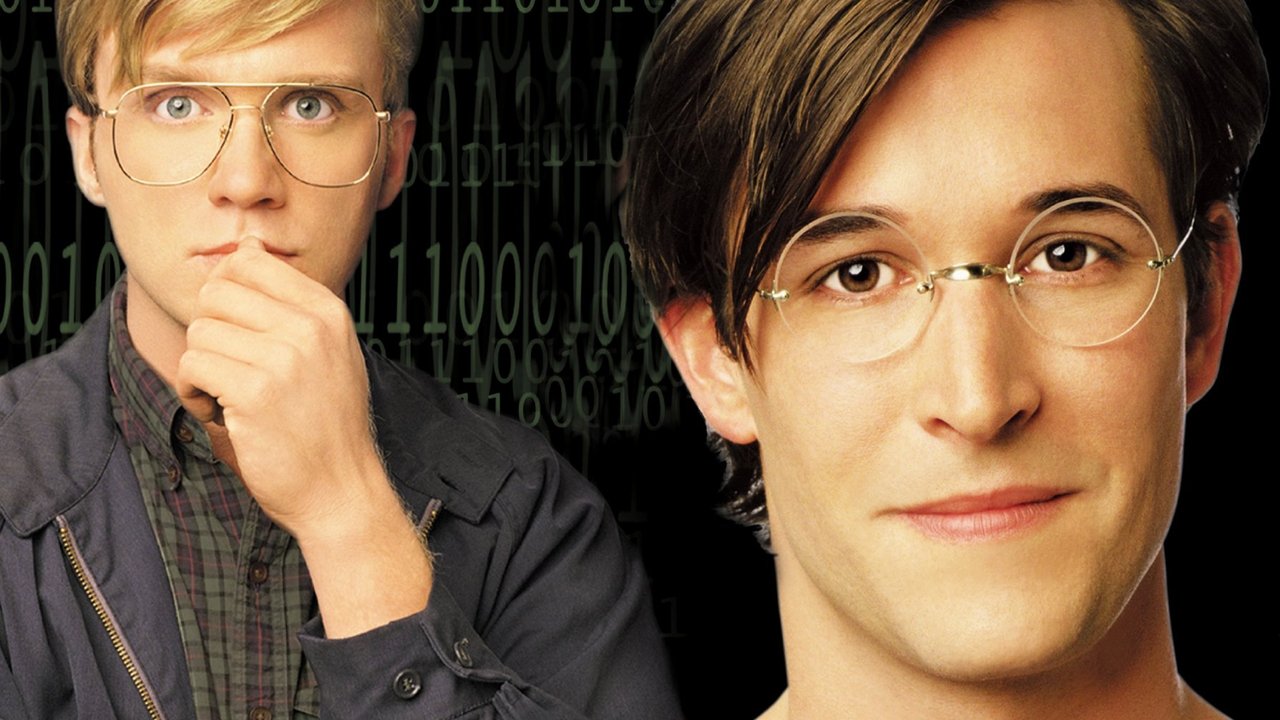
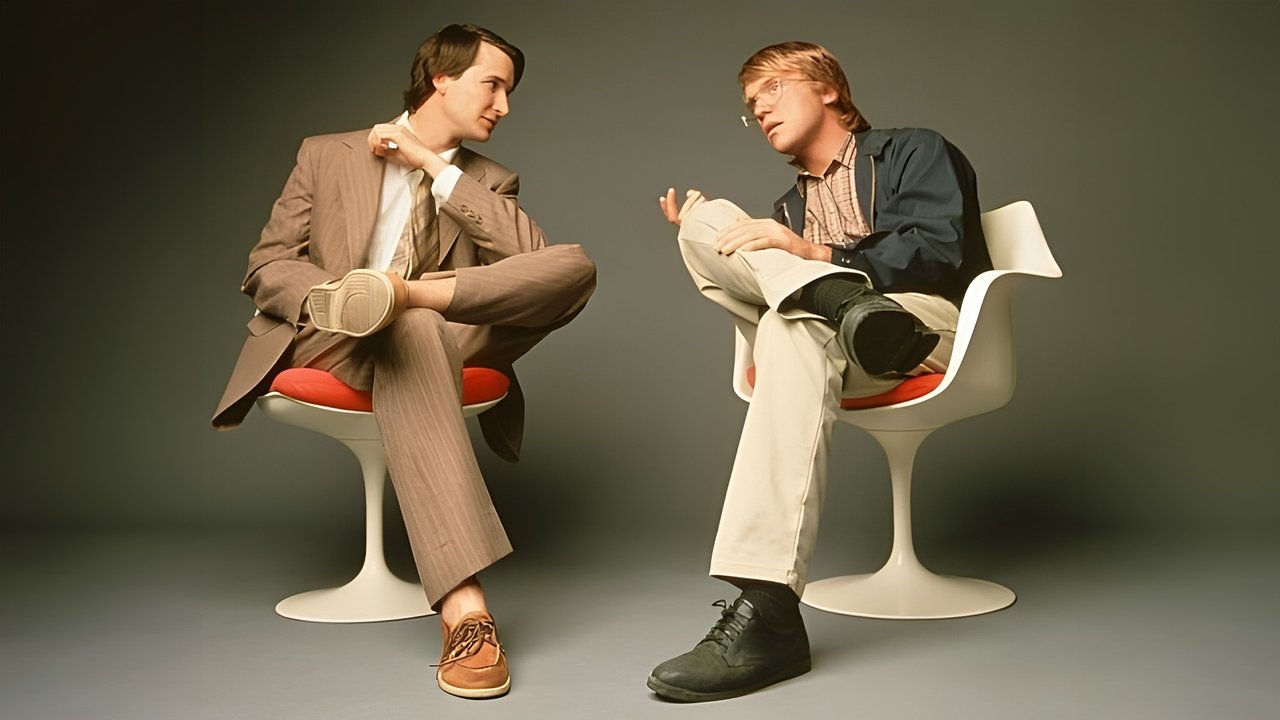
Anthony Michael Hall, shedding his iconic 80s teen image (The Breakfast Club (1985), Weird Science (1985)), is equally compelling as Bill Gates. He resists caricature, presenting Gates not as a mere nerd, but as a calculating strategist with an underestimated competitive fire. His intensity is quieter than Wyle's Jobs, more internal, but no less potent. There's a fascinating contrast in their portrayals – Jobs selling the dream, Gates executing the plan. And Joey Slotnick as Wozniak is the film’s heart, the brilliant, unassuming engineer often caught in the crossfire, representing perhaps the purer, less corrupted spirit of invention. His eventual disillusionment feels genuinely poignant.
A Moment Captured in Amber
Produced for TNT, Pirates transcends its television origins with sharp writing and confident direction. Burke uses flashbacks and narration, primarily through John DiMaggio’s energetic portrayal of Steve Ballmer, to keep the intertwined stories moving. There's a real sense of the chaotic energy of the late 70s and early 80s tech scene – the hobbyist clubs, the garage tinkering, the sudden, dizzying infusion of venture capital. One particularly well-staged sequence recreates the filming of Ridley Scott’s famous "1984" Apple commercial, capturing the audacity and ambition of Apple’s early marketing.
Watching it now offers a unique perspective. Released in 1999, it landed just before Jobs' spectacular second act at Apple (the iPod was still two years away) and before Microsoft faced its most significant antitrust battles. It captures a specific moment in history, focusing on the foundational myths of these two behemoths. It feels less like a definitive history and more like a snapshot of how these legends were perceived then, warts and all. It’s a fascinating time capsule, made when the digital revolution felt exciting and slightly dangerous, but before it became utterly pervasive.
Rating: 8/10
Pirates of Silicon Valley earns this score through its exceptional lead performances, its intelligent script that avoids easy answers, and its effective capture of a pivotal moment in technological history. While occasionally leaning into biopic conventions, its dual focus and willingness to portray its iconic subjects as complex, flawed humans give it enduring power. It’s more than just a nostalgic trip back to beige plastic and floppy disks; it’s a compelling drama about ambition, rivalry, and the personalities who irrevocably shaped the digital world we inhabit. What lingers most is the human drama behind the technological revolution – a reminder that progress is often driven by personalities as complex and volatile as the innovations they unleash.