Romance
It begins not with a touch, but with an absence. A void where intimacy should be, a chasm opening between two people sharing a bed, yet worlds apart. This is the disquieting landscape we enter with Catherine Breillat's 1999 film, Romance (sometimes titled Romance X). Watching it again after all these years, perhaps on a worn-out tape dug from the back of a box, doesn't lessen its power to provoke, to unsettle, and perhaps even, paradoxically, to illuminate the darker corners of desire and dissatisfaction. This wasn't a casual Friday night rental; it was a film whispered about, sought out by the curious, the cinephiles looking for something that pushed far beyond the mainstream.
An Unflinching Gaze
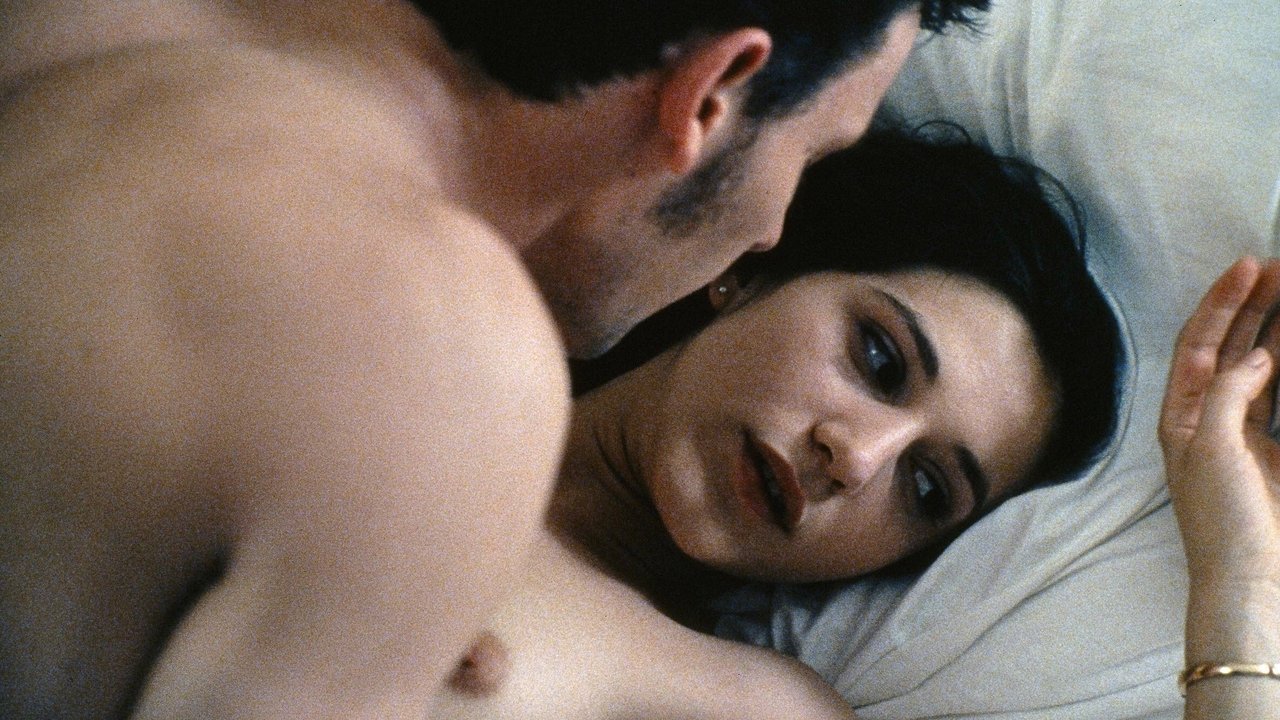
At its core, Romance follows Marie (Caroline Ducey), a young schoolteacher increasingly frustrated by the physical indifference of her live-in boyfriend, Paul (Sagamore Stévenin). His refusal to engage intimately, despite apparent affection, drives Marie into a detached, almost clinical exploration of her own sexuality. She embarks on a series of encounters, each more extreme than the last, seeking sensation, connection, or perhaps just a reaction – any reaction – in a world that feels emotionally sterile. Breillat, never one to shy away from difficult subjects (as later films like Fat Girl (2001) would confirm), uses Marie's journey not for titillation, but as a stark, philosophical inquiry into female agency, the often-conflicting paths of body and mind, and the very definition of "romance" itself. What happens when the traditional script fails?
The film gained considerable notoriety, of course, for its explicit depiction of sexual acts, including scenes featuring Italian porn star Rocco Siffredi. Breillat herself was adamant that these were not gratuitous but necessary to explore the raw physicality of Marie's experiences, the mechanics stripped bare of emotional pretense. It was a choice that undoubtedly tested censorship boards and divided audiences sharply upon its release. I recall the buzz back then – hushed conversations, debates about whether it was art or exploitation. Finding a video store that even stocked it could be a challenge, adding another layer to its slightly illicit mystique. Yet, revisiting it now, the explicit content feels less like the central point and more like a deliberate, albeit confrontational, tool within Breillat's broader, often bleak, examination of human connection (or lack thereof).
A Performance of Raw Honesty
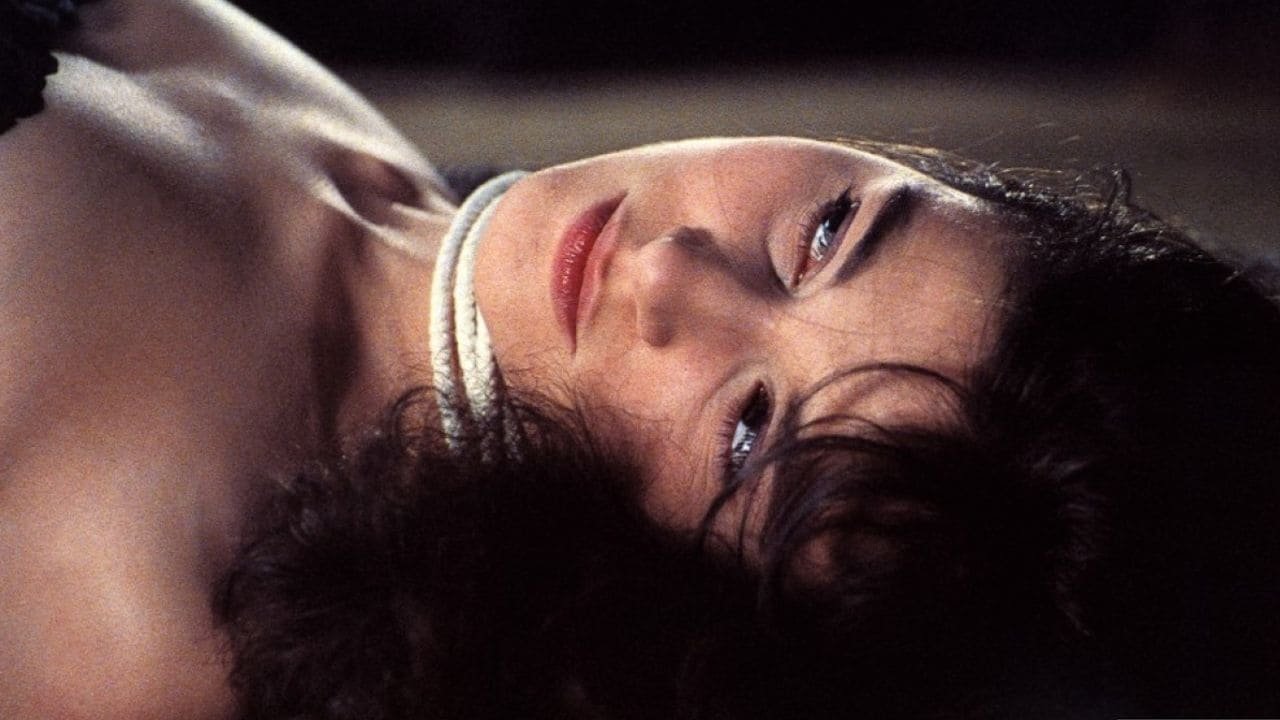
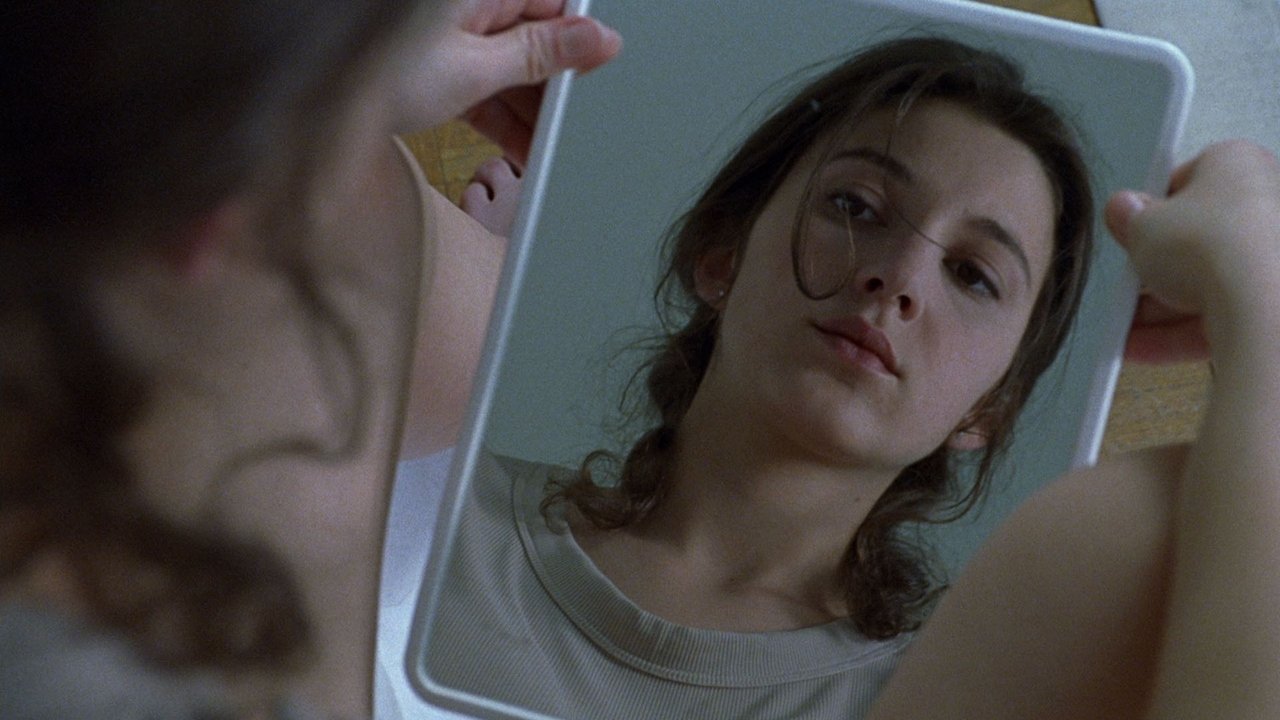
Central to the film's enduring impact is the astonishingly brave performance by Caroline Ducey. Her portrayal of Marie is utterly fearless, navigating a complex emotional terrain that ranges from detached curiosity to desperate vulnerability. She embodies the character's intellectual searching alongside her physical experiences, making Marie a compelling, if often frustrating, subject. There’s a stark honesty in her gaze, a sense of watching someone strip away societal expectations layer by layer, searching for something authentic underneath, even if that search leads down dangerous paths. It’s a performance that required immense trust in her director, tackling scenes few mainstream actresses would contemplate. The supporting players, particularly Stévenin as the enigmatic Paul and François Berléand as a school headmaster offering a different kind of detached encounter, provide crucial counterpoints to Marie's quest, embodying different facets of male detachment or control.
Beyond the Controversy
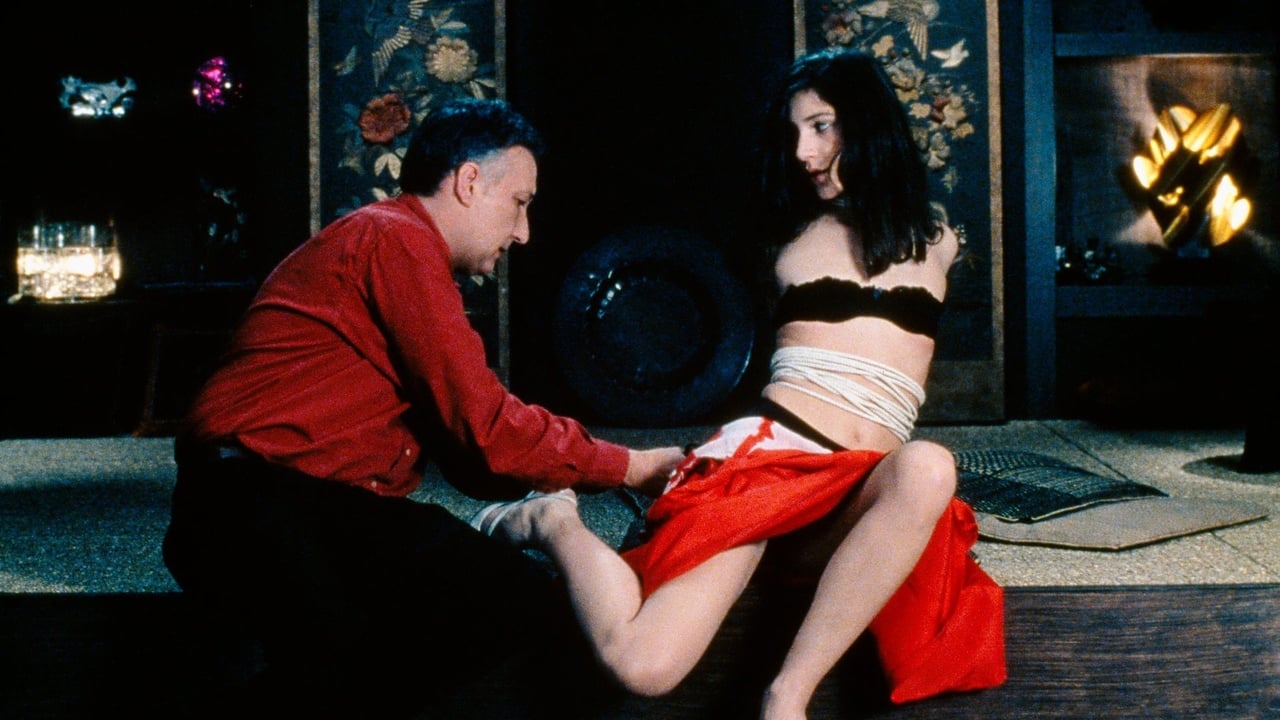
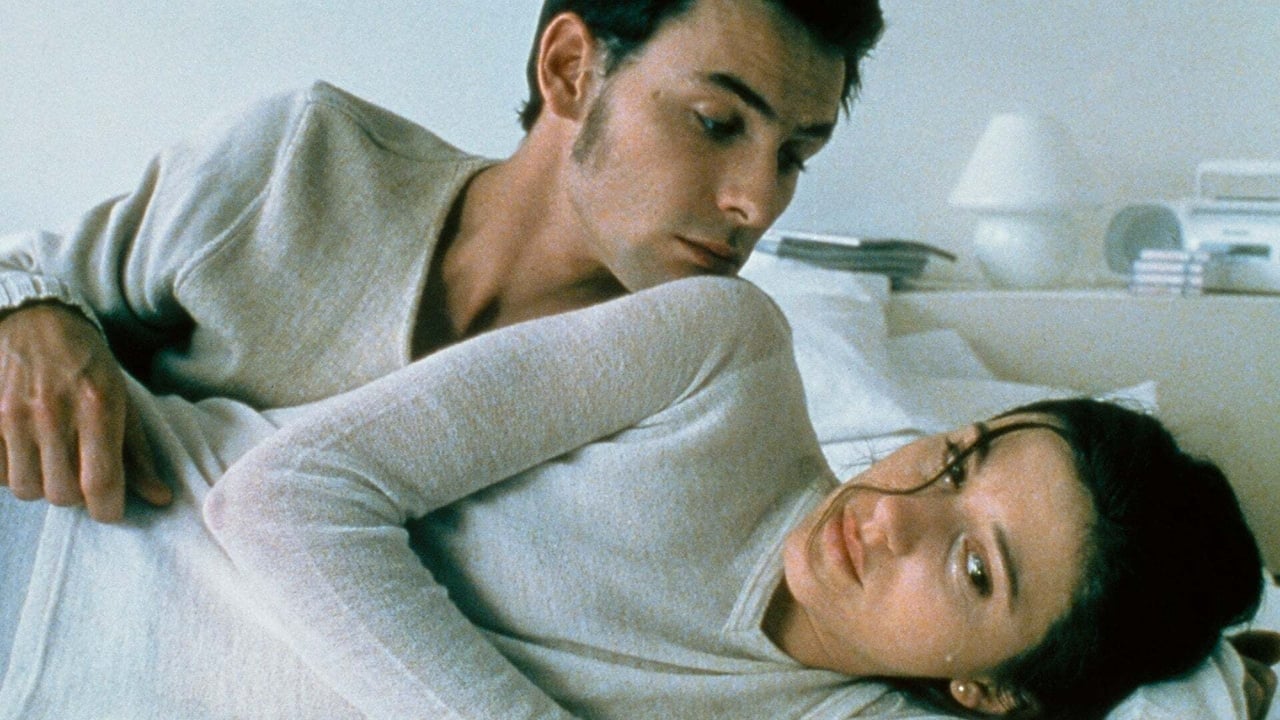
Looking past the initial shock value, what lingers is the film's cold, almost detached aesthetic. Breillat employs a steady, observational camera, refusing to romanticize Marie's experiences. The framing is often simple, the lighting unadorned, mirroring the emotional starkness of Marie's inner world. This stylistic choice forces us, the viewers, into an uncomfortable position – we are witnesses, not participants invited to empathize easily. We are asked to consider, rather than simply feel. Does this deliberate distance sometimes create a barrier? Perhaps. But it also underscores the film’s intellectual ambitions. Breillat isn't interested in providing easy answers about love or sex; she's dissecting the concepts, pulling them apart to see how they function, or fail to function, in the messy reality of human lives.
One fascinating production aspect involved Breillat’s precise direction during the intimate scenes. Reports suggest she gave meticulous, almost technical instructions, focusing on the physical actions rather than emotional motivation in those moments, reinforcing the film’s theme of dissociation between the physical act and deeper feeling. It’s this commitment to a singular, uncompromising vision that marks Romance as more than just a succès de scandale.
Reflections in the Static
Is Romance an easy film to watch? Absolutely not. Is it a film many would call enjoyable in the conventional sense? Likely no. But its power lies in its refusal to compromise, its willingness to ask profoundly uncomfortable questions about sexuality, power dynamics, and the search for self. It occupies a unique space in late-90s cinema – a time when independent and international films seemed particularly bold in challenging audience expectations. It forces a confrontation with societal taboos and the often-unspoken complexities of desire. What does it mean to truly connect with another person? And what happens when the paths we take to find that connection lead us further into isolation? These are the questions that echo long after the tape clicks off.
Rating: 7/10
Justification: Romance earns its score through its sheer audacity, Catherine Breillat's unwavering directorial vision, and Caroline Ducey's remarkably committed central performance. It’s a challenging, intellectually stimulating piece of provocative filmmaking that dares to explore female sexuality and dissatisfaction with a rare, unsettling frankness. While its explicit nature and emotional distance may alienate some viewers, and its philosophical musings occasionally feel heavy-handed, its power to provoke thought and debate remains undeniable decades later. It’s a significant, if difficult, artifact from the bolder edge of late-90s art-house cinema.
Final Thought: A film that stays with you, not necessarily for comfort, but for the uncomfortable truths it forces you to consider about the spaces between bodies, hearts, and minds.