Splendor
Okay, pull up a comfy chair, maybe grab a Crystal Pepsi if you can find one (just kidding... mostly), because we're diving into a late-90s curiosity that feels both distinctly of its time and strangely ahead of it: Gregg Araki's 1999 romantic comedy, Splendor. Now, if you hear the name Araki and immediately think of the nihilistic, often brutal landscapes of his "Teenage Apocalypse Trilogy" (Totally F*ed Up, The Doom Generation, Nowhere), you might be bracing yourself. But Splendor... well, Splendor is something else entirely. It arrived just as the VHS era was beginning its slow fade into the digital dawn of DVD, maybe representing a last gasp of quirky indie optimism before the millennium turned.
A Different Kind of Triangle
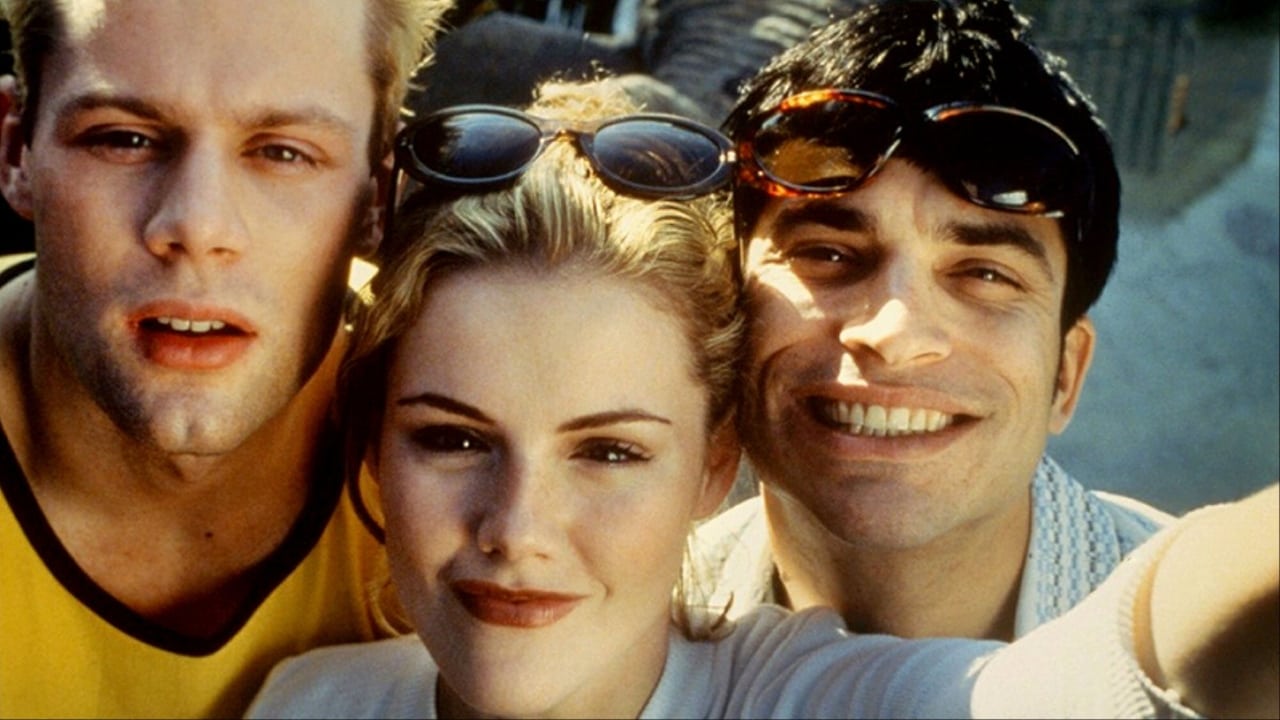
What if love wasn't a zero-sum game? That's the deceptively simple question Splendor poses, wrapped in the bright, saturated colours and slightly detached cool that Araki often employed. We meet Veronica (Kathleen Robertson, stepping away from her Beverly Hills, 90210 image), an L.A. woman navigating the dating scene. She finds herself simultaneously falling for Abel (Johnathon Schaech, bringing a sensitive musician vibe) and Zed (Matt Keeslar, embodying a more pragmatic, intellectual energy). Instead of forcing a choice, a messy breakup, or dramatic conflict, Veronica, Abel, and Zed stumble into... an arrangement. A polyamorous relationship where genuine affection seems to bloom between all three parties. It's presented not as scandalous or deviant, but with a surprising sweetness and sincerity. This gentle approach is perhaps the film's most defining characteristic, especially coming from Araki.
Breaking Walls, Not Hearts
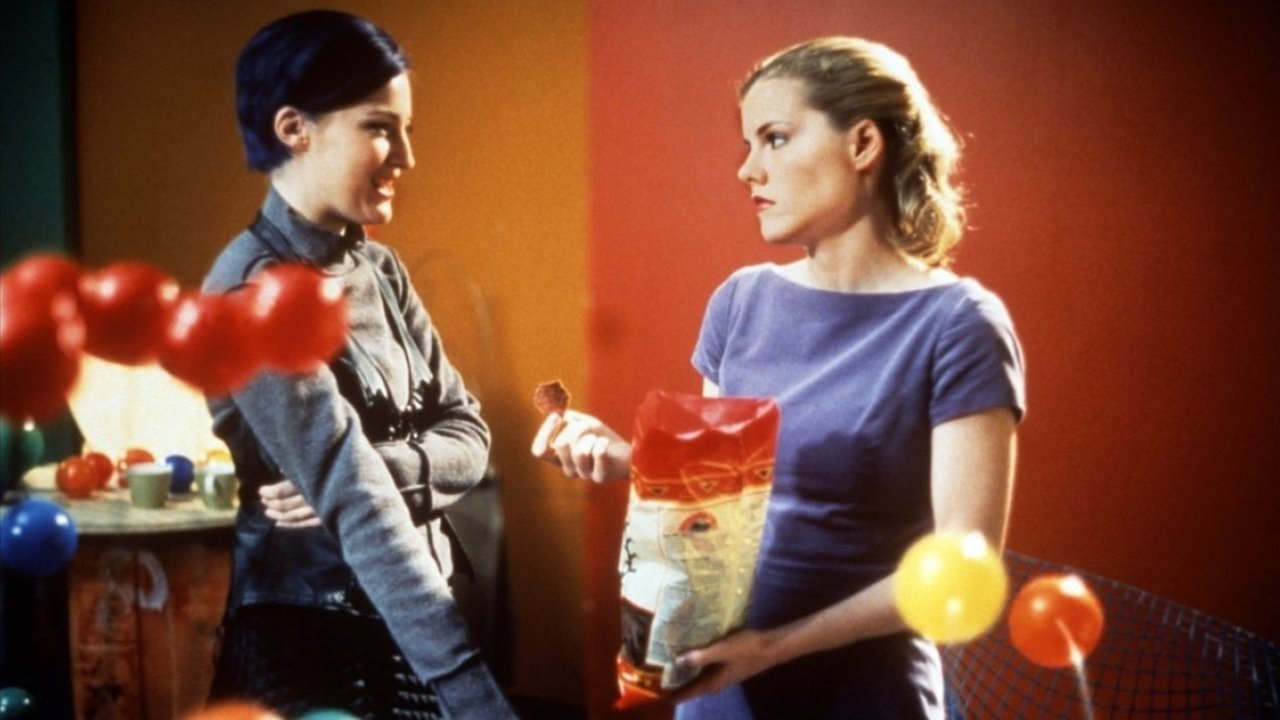
One of the film's most notable devices is having Veronica, Abel, and Zed break the fourth wall, speaking directly to the audience about their feelings and the unfolding situation. Back in '99, this felt fresh, a playful nod that drew you into their unconventional world. It prevents the film from getting bogged down in melodrama, keeping things light and conversational. Does it completely avoid feeling like a gimmick? Maybe not always, but it serves its purpose, reinforcing the idea that this is their story, told on their terms. Robertson, particularly, handles these moments with an effortless charm that makes Veronica instantly relatable and likable, even as she navigates uncharted romantic territory. You believe her connection to both Schaech's soulful Abel and Keeslar's thoughtful Zed, and crucially, you start to see their bond forming too. It's a delicate balancing act, and the three leads make it feel surprisingly grounded.
Araki Lite, But Still Distinctive
Fans expecting the confrontational edge of Araki's earlier work might have been perplexed by Splendor. It trades punk rock angst for something closer to a pop song – catchy, bright, maybe a little repetitive, but undeniably pleasant. While some critics at the time dismissed it as lightweight, viewing it now, especially through the lens of decades of evolving relationship discourse, feels different. There's an innocence and optimism here that’s quite endearing. Araki's visual flair is still present – the vibrant L.A. setting, the careful framing – but it serves a story focused on connection rather than alienation. Apparently, Araki himself saw it as a deliberate shift, wanting to make something more hopeful after the darkness of his previous films. It operated on a modest budget (reportedly around $1 million) and saw a very limited theatrical release, making it a prime candidate for discovery on video store shelves – the kind of unexpected find you might grab based on the cover art or a vague memory of one of the actors. Its minimal box office ($188k domestically) cemented its status as more of a cult footnote than a breakout hit.


That Late-90s Indie Feeling
Watching Splendor today evokes a specific late-90s feeling – that moment when independent cinema was grappling with mainstream appeal, when romantic comedies were trying new formulas, and when the anxieties of Generation X were sometimes expressed not just through cynicism, but through tentative explorations of different ways to live and love. It doesn't wrestle with deep philosophical quandaries, nor does it offer easy answers about polyamory. Its conflict, when it arises (mostly external pressures and logistical hurdles), feels relatively low-stakes. But maybe that's the point? It suggests that perhaps the most radical thing isn't the relationship structure itself, but the genuine kindness and communication that make it work. Doesn't that resonate even now, thinking about how we navigate our own connections?
The Verdict
Splendor isn't a forgotten masterpiece, nor is it the challenging, confrontational work Gregg Araki is often known for. It's a charming, slightly quirky, and surprisingly sweet romantic comedy that dared to present an unconventional relationship dynamic with warmth and optimism. The performances from Kathleen Robertson, Johnathon Schaech, and Matt Keeslar are key to its success, selling the premise with sincerity. The direct-address narration might feel a touch dated to some, but it adds to the film's unique, conversational flavour. It’s like finding a brightly coloured cassette single tucked away in your collection – maybe not profound, but guaranteed to bring a smile.

Rating: 6.5/10
This score reflects the film's undeniable charm, likable leads, and refreshingly non-judgmental take on its subject matter for the time. It loses points for feeling somewhat lightweight and occasionally simplistic in its handling of conflict, and the fourth-wall breaks might not land for everyone. However, its earnest sweetness and status as a unique entry in Araki's filmography make it a worthwhile watch, especially for fans of 90s indie cinema.
Final Thought: Splendor remains a curious and gentle reminder from the cusp of the millennium that sometimes, the most radical act is simply choosing happiness, however unconventional its shape might be.