The Best Man
It’s funny how some films just lodge themselves in your memory, isn't it? Not just for the story they tell, but for the feeling they evoke – that specific blend of laughter, tension, and recognition. Watching Malcolm D. Lee's directorial debut, The Best Man (1999), again after all these years feels less like rediscovering a movie and more like catching up with old friends. Friends who happen to be navigating a minefield of long-buried secrets just days before a wedding. That feeling, the anxious energy crackling beneath the surface of celebratory reunion, is precisely where this film hooks you from the start.
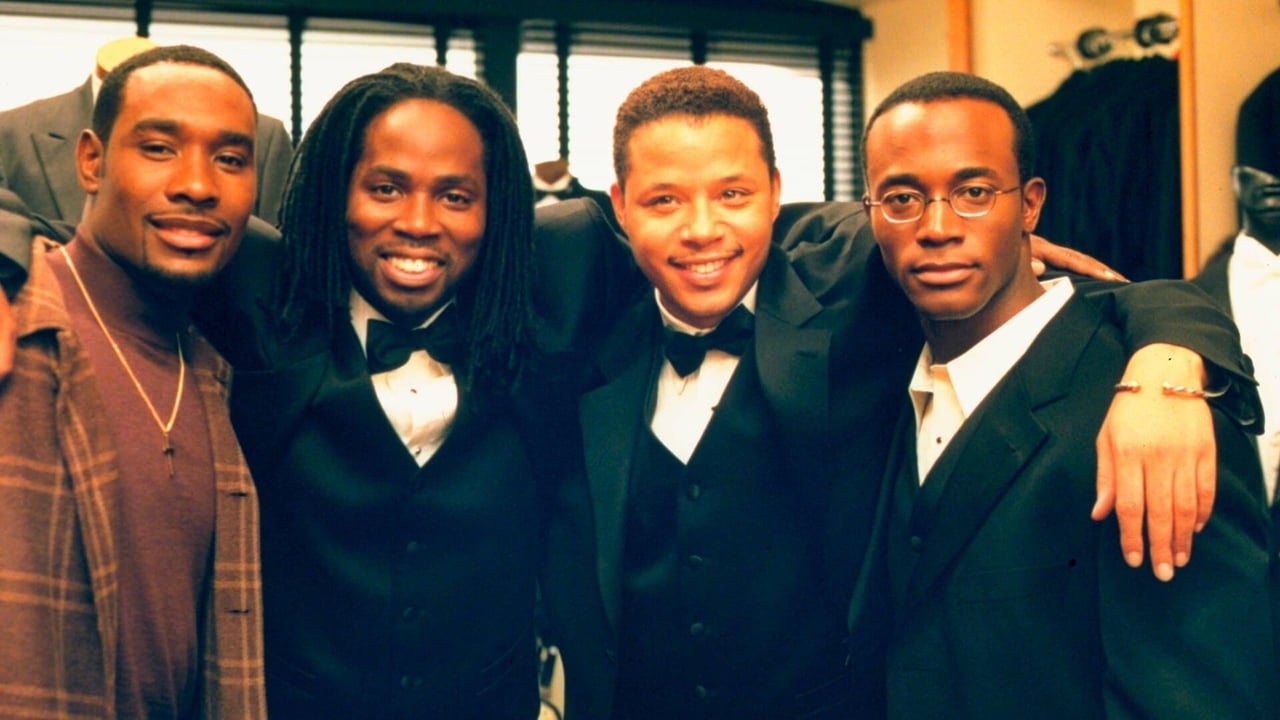
Secrets on the Page, Chaos in the Aisles
Our entry point is Harper Stewart, played with a perfect mix of charm and mounting panic by Taye Diggs. He’s a Chicago-based author on the cusp of hitting it big with his debut novel, "Unfinished Business." He's also heading to New York to be the best man at the wedding of his closest college friend, the handsome, devout NFL star Lance Sullivan (Morris Chestnut) and his fiancée Mia (Monica Calhoun). The problem? "Unfinished Business" isn't quite fiction. It draws heavily—perhaps too heavily—on the tangled romantic histories and indiscretions of his tight-knit university circle, all of whom are reuniting for the wedding weekend. The ticking clock isn't just the ceremony; it's the advance copy of the book currently circulating among the wedding party, most notably in the hands of the sharp, ambitious journalist Jordan Armstrong (Nia Long), Harper's former almost-flame.
What unfolds is a masterclass in escalating tension wrapped in the warm blanket of genuine camaraderie. We watch Harper squirm, trying desperately to keep the book's most explosive revelations under wraps, particularly the passages detailing a past encounter involving Lance's bride-to-be. Lee, who also penned the sharp script, expertly balances the laugh-out-loud moments – often courtesy of the outrageously unfiltered Quentin (Terrence Howard in a truly star-making turn) – with the palpable dread of impending disaster. You feel Harper’s anxiety tighten with every scene, every near miss, every knowing glance from Jordan.
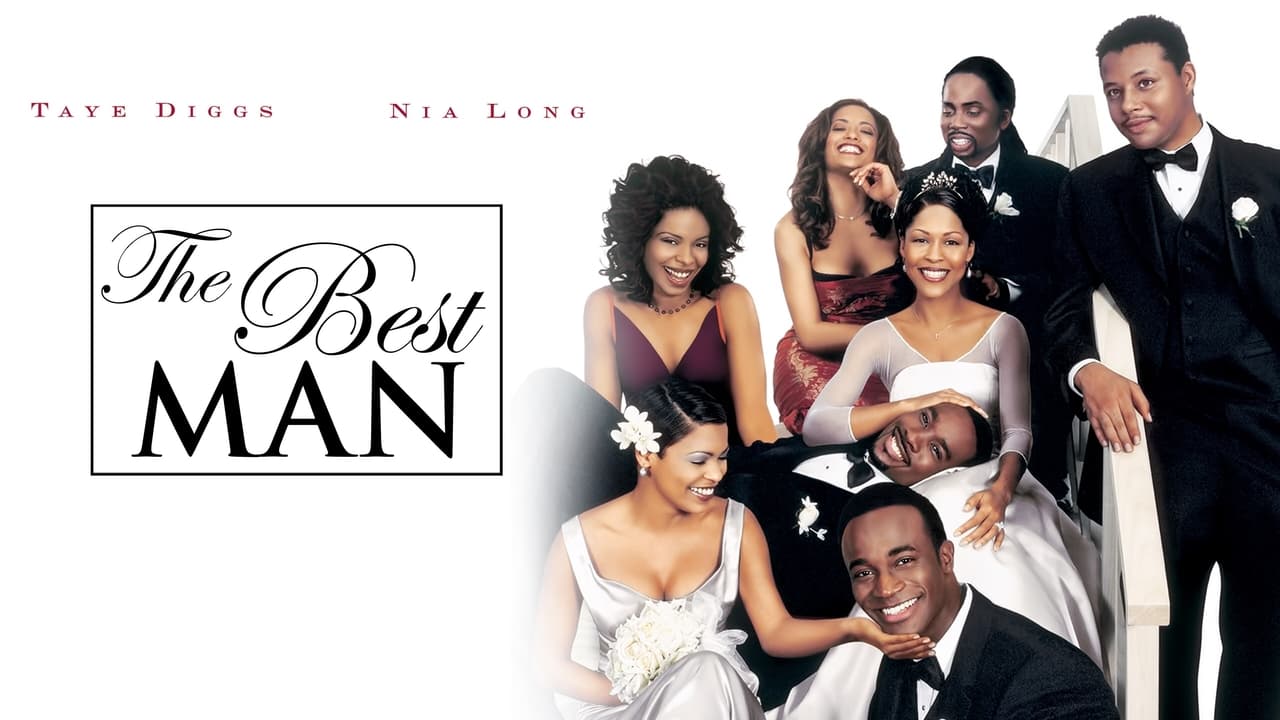
An Ensemble That Clicks
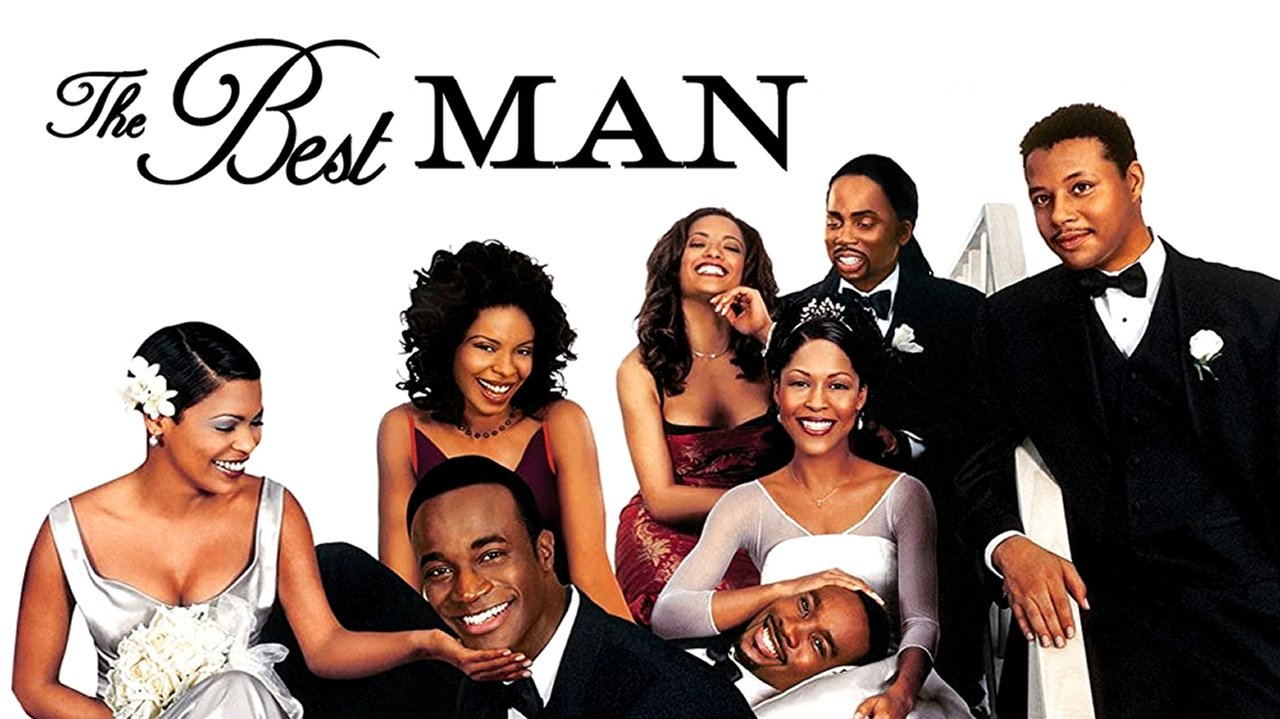
Much of the film’s enduring appeal lies in its absolutely stellar ensemble cast. This wasn't just a collection of actors; it felt like a genuine crew. Diggs anchors the film with a relatable portrayal of a man whose ambition has led him into treacherous waters. Chestnut brings a compelling gravity to Lance, making his eventual heartbreak feel earned and deeply resonant. Nia Long is luminous as Jordan, intelligent and conflicted, radiating chemistry with Diggs that makes their "what if" history believable. And then there's Terrence Howard. His Quentin is a force of nature – hilariously inappropriate, often insightful, and utterly captivating. It's hard to imagine anyone else in the role, though it's a fun bit of trivia that Howard initially auditioned for Harper Stewart, but producers reportedly felt he was too "thuggish" for the lead, leading him to the role that arguably stole the show. What a stroke of luck that turned out to be!
The supporting players are equally strong: Sanaa Lathan as Robyn, Harper's patient and increasingly suspicious girlfriend; Harold Perrineau as the perpetually henpecked Julian; and Melissa De Sousa as the fiery Shelby, Julian's demanding fiancée and Quentin's verbal sparring partner. Their interactions feel lived-in, capturing the specific shorthand and simmering resentments that define long-term friendships. It feels authentic, like eavesdropping on conversations you might have had (or overheard) yourself.
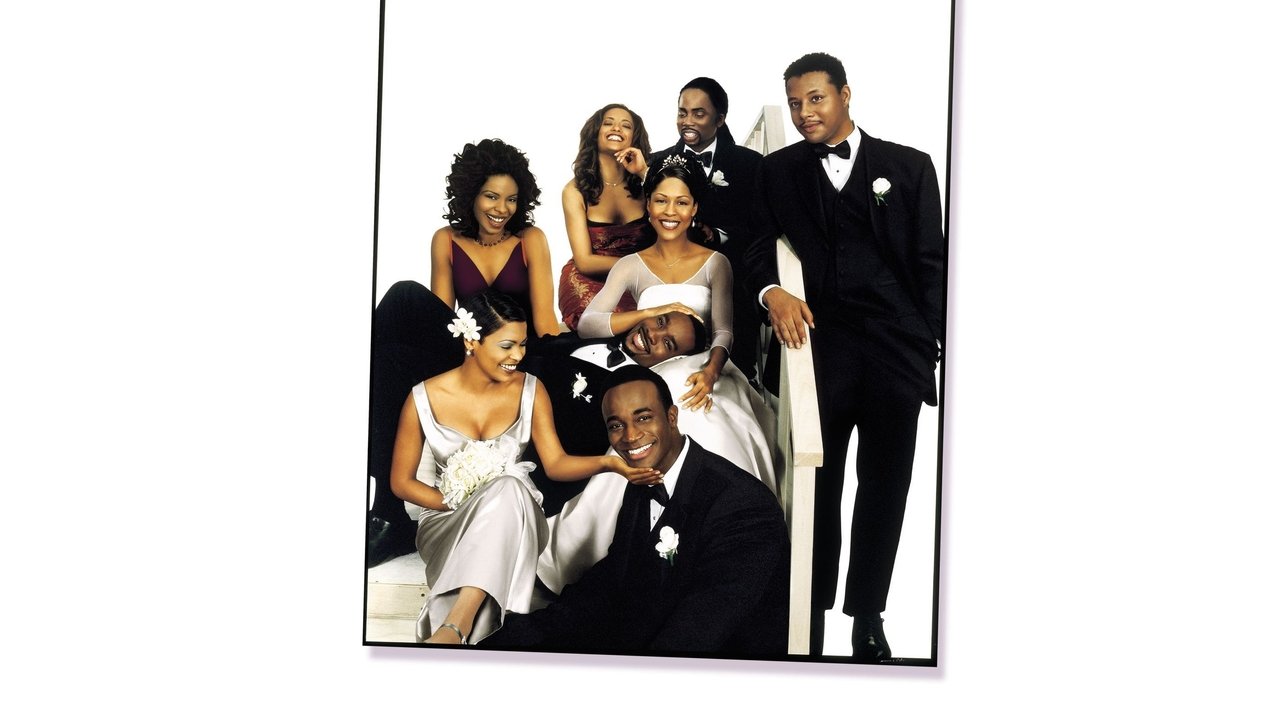
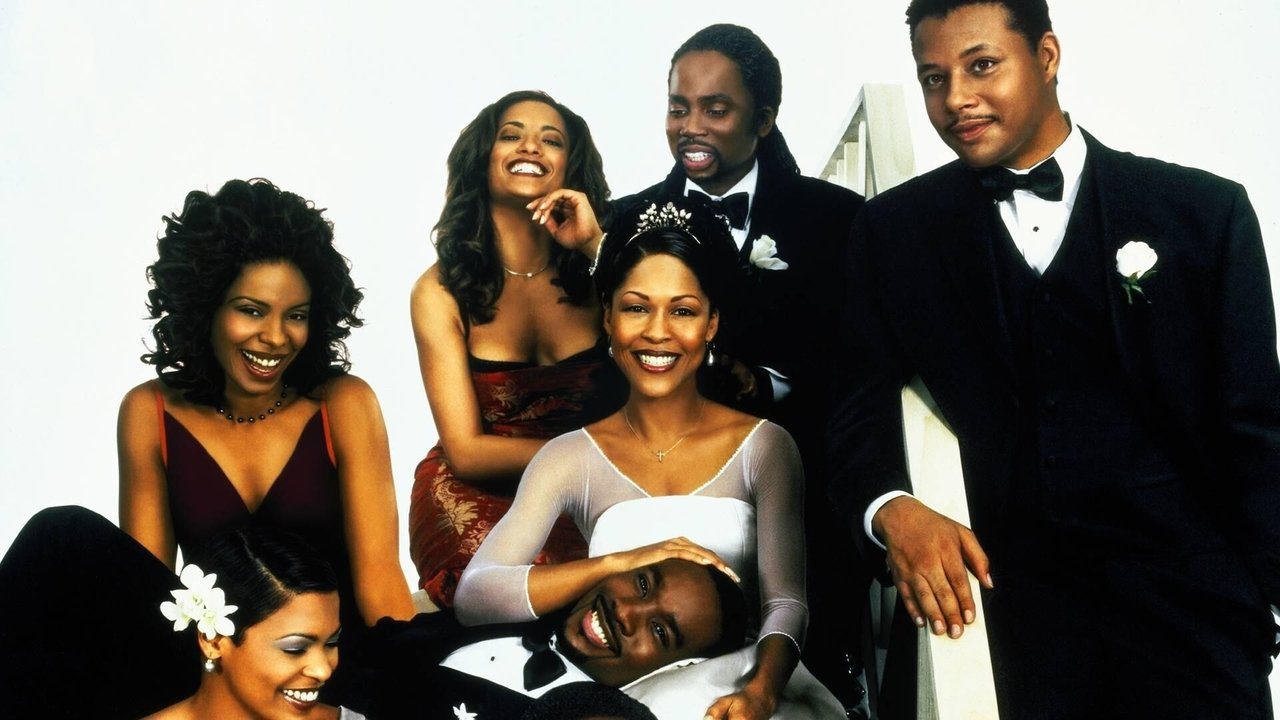
More Than Just a Rom-Com
While often categorized as a romantic comedy, The Best Man delves deeper. It's a thoughtful exploration of male friendship, loyalty, the weight of secrets, and the difficult transition into adulthood where past mistakes have present consequences. Lee doesn't shy away from the messiness. Harper isn't always likable; his actions are driven by self-preservation as much as anything else. Lance's faith provides a strong moral compass, contrasting sharply with the more cynical or hedonistic views of others in the group. The film asks us: What do we owe our friends? How much honesty is too much? Can true forgiveness occur when trust is shattered so profoundly?
Making his feature debut, Malcolm D. Lee (cousin of the legendary Spike Lee, whose influence can perhaps be subtly felt in the frank exploration of relationships within the Black community) demonstrated a confidence beyond his experience. He crafted a film that looked great, benefiting from the vibrant energy of its New York City setting, and sounded fantastic. The soundtrack was a pitch-perfect snapshot of late 90s R&B and hip-hop, becoming almost as iconic as the film itself and driving home the contemporary feel. For a film made on a relatively modest budget of around $9 million, it certainly packed a punch, going on to earn over $34 million at the box office – a testament to how strongly it resonated with audiences looking for sophisticated, character-driven stories.
Retro Fun Facts
- The film's success was a significant moment for Black cinema in the late 90s, proving the audience appetite for relatable, upscale romantic dramas and comedies centered on Black characters.
- Remember the electric chemistry between the cast? Much of that was real – the actors reportedly bonded quickly, adding to the film's authentic feel of old friends reuniting.
- The film clearly struck a chord, eventually leading to a well-received sequel, The Best Man Holiday (2013), and a concluding limited series on Peacock, The Best Man: The Final Chapters (2022), bringing the beloved characters back to audiences decades later.
The Lasting Impression
Rewatching The Best Man now, it holds up remarkably well. The fashion might scream late 90s, and the absence of smartphones feels quaintly nostalgic, but the core dynamics – the friendships, the betrayals, the laughter, the struggle for forgiveness – remain timeless. It captured a moment, both culturally and in the lives of its characters, with wit, warmth, and surprising depth. It’s a reminder that sometimes the biggest drama unfolds not on a battlefield, but between friends gathering for what should be the happiest of occasions.
Rating: 8.5/10
This rating reflects the film's exceptional ensemble cast, sharp writing that balances humor and drama effectively, and its resonant themes of friendship and consequence. It was a standout in its genre and era, launching careers and telling a compelling story with style and heart. The slight deduction acknowledges that some plot mechanics feel familiar within the rom-com framework, but the execution elevates it far above the average.
It leaves you pondering the tangled webs we weave in our youth and the courage it takes to untangle them as adults. And perhaps, it makes you want to call an old friend.
You Might Also Enjoy
Don Juan DeMarco
1994
Four Weddings and a Funeral
1994
It Could Happen to You
1994
Milk Money
1994
Threesome
1994
Dilwale Dulhania Le Jayenge
1995
Something to Talk About
1995
To Wong Foo, Thanks for Everything! Julie Newmar
1995
A Summer's Tale
1996
Jerry Maguire
1996
Tin Cup
1996
As Good as It Gets
1997
The Watermelon Woman
1997
Home Fries
1998