The Confession
Okay, let's settle in for this one. Sometimes, nestled between the explosion-fests and teen comedies on those towering video store shelves, you'd find something quieter, something that aimed less for adrenaline and more for the knot in your stomach. A film that presented a thorny question and refused to offer an easy answer. 1999’s The Confession is precisely that kind of discovery, a morally complex legal drama that might have slipped past theatrical radars but found a solid home on premium cable and, eventually, on tape. And discovering it felt like uncovering a hidden gem, anchored by powerhouse performances and a dilemma that sticks with you long after the credits fade.
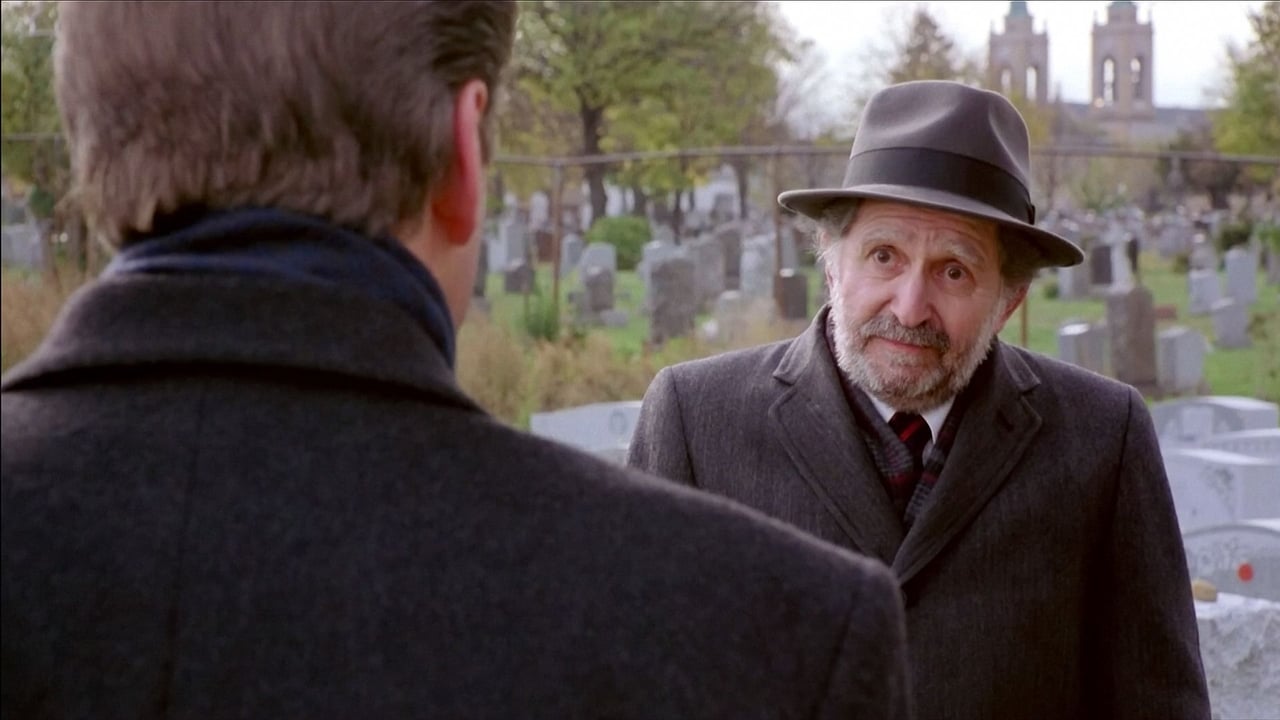
Intriguingly, the film springs from the mind of Sol Yurick, the very same author who penned the gritty novel that became Walter Hill's iconic 1979 cult classic, The Warriors. It’s quite a shift in gears, moving from the neon-lit battlegrounds of street gangs to the hushed, ethically treacherous chambers of the legal system, but Yurick's grounding in the tough realities of New York life provides a common thread. This isn't a slick, high-gloss courtroom thriller; it feels rooted in something more somber, more concerned with the internal battles than the external ones.
A Crisis of Conscience
The premise is deceptively simple, yet instantly gripping. Harry Fertig (Ben Kingsley), a principled, almost painfully ethical lawyer, takes on the pro bono appeal case of a man on death row for the murder of a young boy. During his investigation, Fertig secures a shocking confession – not from his client, but from a prominent, wealthy businessman who admits to the crime. The problem? This confession is obtained under the seal of attorney-client privilege. Exposing it would save his client but destroy his own career and violate a sacred tenet of his profession. Keeping silent condemns an innocent man. What does one do when the law itself becomes a barrier to justice?
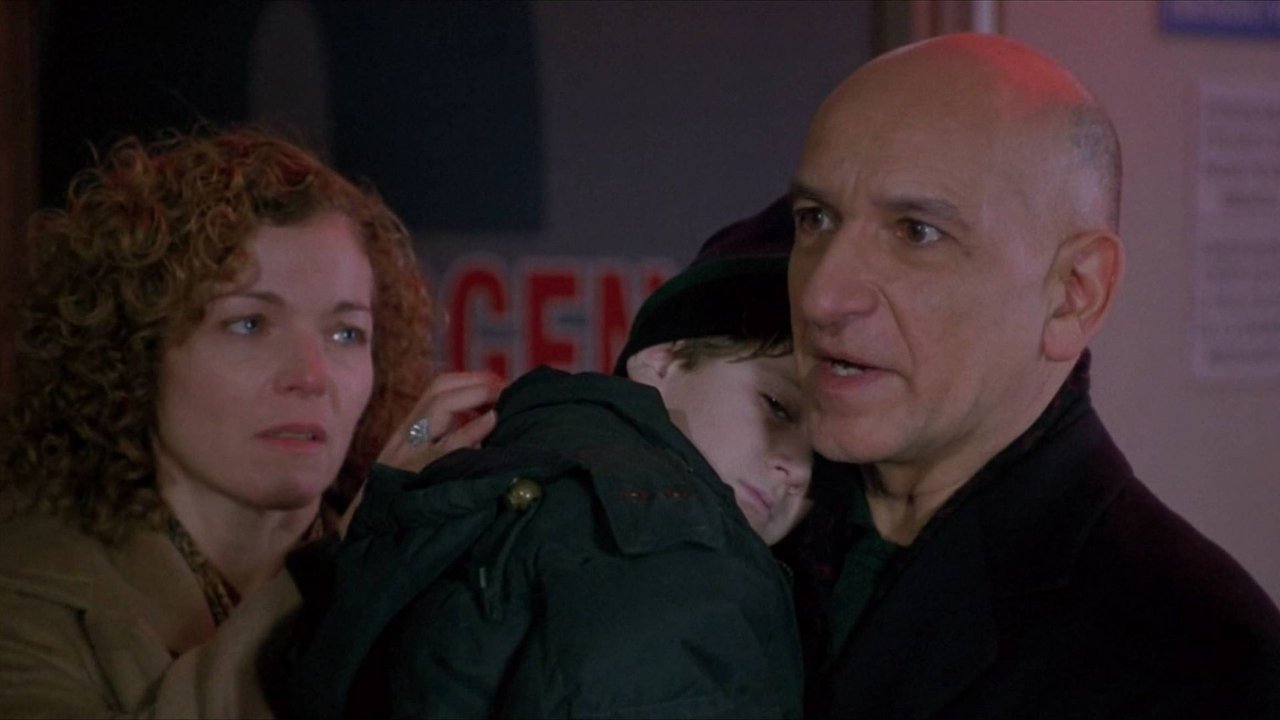
It’s this central conflict that elevates The Confession beyond a standard procedural. The film, adapted by David Black and directed by the late David Jones (known more for character-driven pieces like 84 Charing Cross Road (1987)), isn't overly concerned with flashy courtroom theatrics. Instead, it burrows deep into Fertig's psyche, forcing us to confront the weight of his decision alongside him. We feel the claustrophobia of his moral prison.
Kingsley vs. Baldwin: A Study in Conviction
At the heart of the film are two towering performances. Ben Kingsley, an actor capable of immense power delivered with unsettling stillness, is perfectly cast as Fertig. He embodies the man's weariness, his deep-seated integrity, and the quiet agony of his impossible situation. There’s no grandstanding; Kingsley conveys the internal struggle through subtle shifts in expression, the slump of his shoulders, the haunted look in his eyes. You believe utterly in his commitment to the law, which makes his potential breach of it all the more devastating.
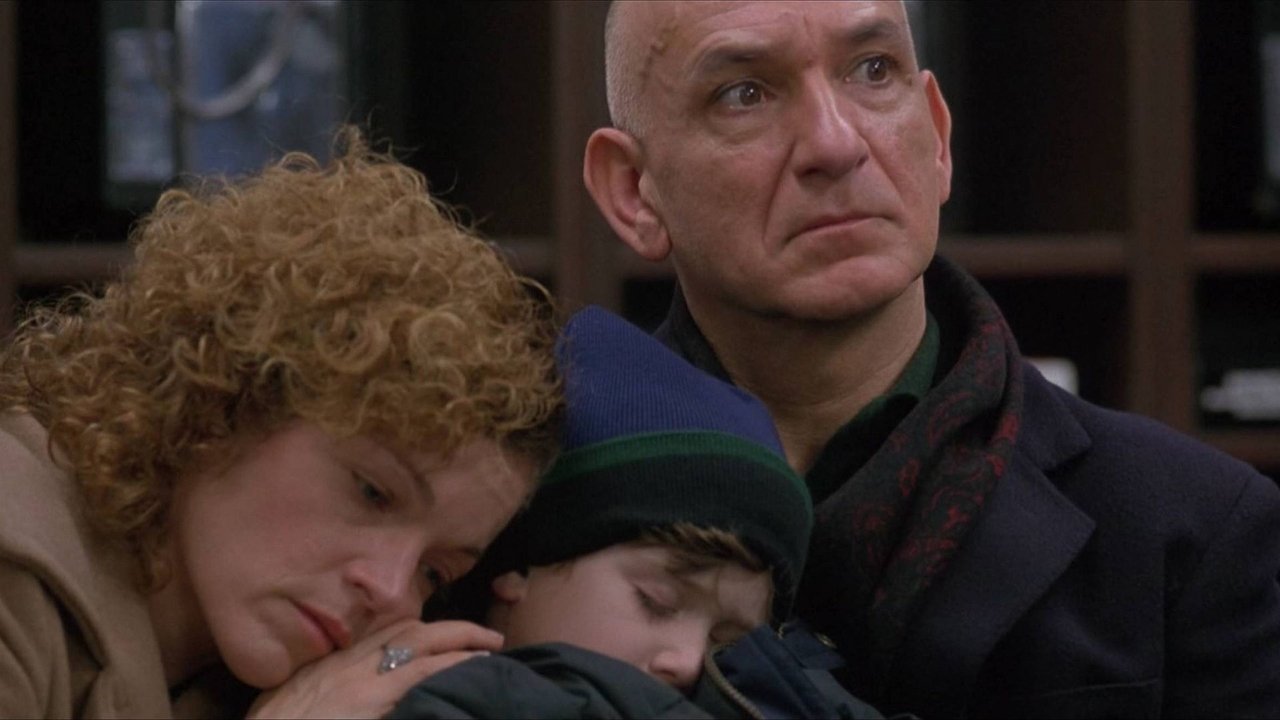
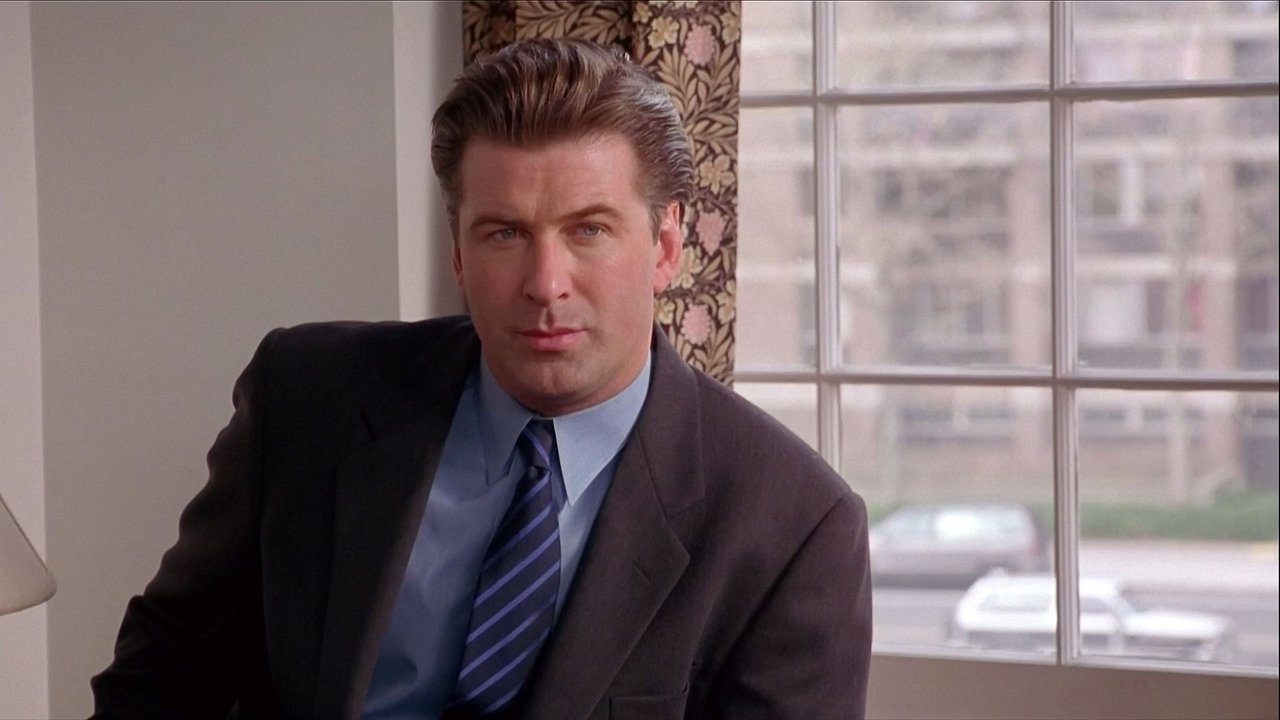
Playing opposite him is Alec Baldwin as Roy Bleakie, a slick, ambitious former protégé of Fertig's who now works for the powerful firm representing the confessing businessman. Baldwin, even back then, had that unique ability to project charisma laced with menace, intelligence bordering on arrogance. Bleakie represents the pragmatic, perhaps compromised, side of the law – the side focused on winning, on navigating the system rather than upholding its purest ideals. The dynamic between Kingsley and Baldwin is electric; their shared history adds layers to their ideological clash. Watching these two actors, masters of their craft, spar verbally and ethically is the film's greatest strength. Amy Irving also offers solid support as Fertig's concerned wife, grounding his ethical struggle in personal consequence.
That Late-90s Cable Feel
It's worth remembering this was originally a Showtime production. It carries that specific late-90s 'prestige cable movie' aesthetic – competently shot, focused on performance and script, perhaps lacking the budget for sweeping cinematic flourishes but possessing a maturity often missing from network TV. Director David Jones handles the material with a steady, unfussy hand, keeping the focus squarely on the characters and their ethical tightrope walk. The New York setting feels lived-in, less glamorous than in many contemporary films, adding to the grounded, slightly somber atmosphere. It doesn't aim for the pulse-pounding pace of, say, The Firm (1993); its tension is quieter, more existential.
There isn't a wealth of flashy behind-the-scenes trivia for this one – it wasn't a blockbuster battling for box office dominance. Its power lies in its core concept and the execution by its lead actors. Perhaps the most interesting "fact" is its very existence as a serious adult drama premiering on cable, a precursor to the kind of complex, character-focused storytelling that would come to define the "Golden Age of Television" just a few years later. It felt like a signal that compelling stories didn't always need a multiplex screen. Finding it on VHS felt like finding a 'real movie', something substantial, tucked away from the louder fare.
The Weight of the Law
The Confession doesn't offer easy outs. It wrestles with the uncomfortable truth that legal systems, designed to pursue justice, can sometimes become intricate traps. What happens when adherence to the rules perpetuates a profound injustice? The film leaves you pondering this, questioning the lines between professional duty, personal morality, and the elusive concept of 'doing the right thing'. It doesn't necessarily provide a satisfying resolution in the Hollywood sense, but it offers a deeply compelling exploration of the dilemma.
Rating: 7.5/10
This score reflects the film's undeniable strength in its central performances, particularly Kingsley and Baldwin, and its willingness to tackle a complex moral theme with gravity. It's a well-acted, intelligent legal drama that feels grounded and thought-provoking. It loses a couple of points perhaps for a slightly conventional visual style typical of its TV movie origins and a pace that might test viewers seeking constant thrills. However, the ethical questions it raises and the conviction of its leads make it a rewarding watch, especially for those who appreciate character-driven drama over spectacle.
It’s a potent reminder that sometimes the most gripping conflicts aren't fought with guns or fists, but within the conscience of a single individual facing an impossible choice. A truly solid find from the twilight of the VHS era.