The Love Letter
There’s a certain magic to stumbling upon something unexpected, isn't there? A forgotten photograph, a tune on the radio that instantly transports you, or, in the case of 1999’s The Love Letter, an anonymous, impassioned note discovered tucked away in a quaint seaside bookstore. This film, directed by Peter Chan, arrives like a gentle sea breeze at the tail end of a decade often defined by louder, faster blockbusters. It doesn’t shout for attention; instead, it invites you into the sun-dappled, slightly gossipy world of Loblolly Cove, a town where a single, unsigned letter can ripple through the community like a stone tossed into a calm harbor.
Whispers on the Wharf
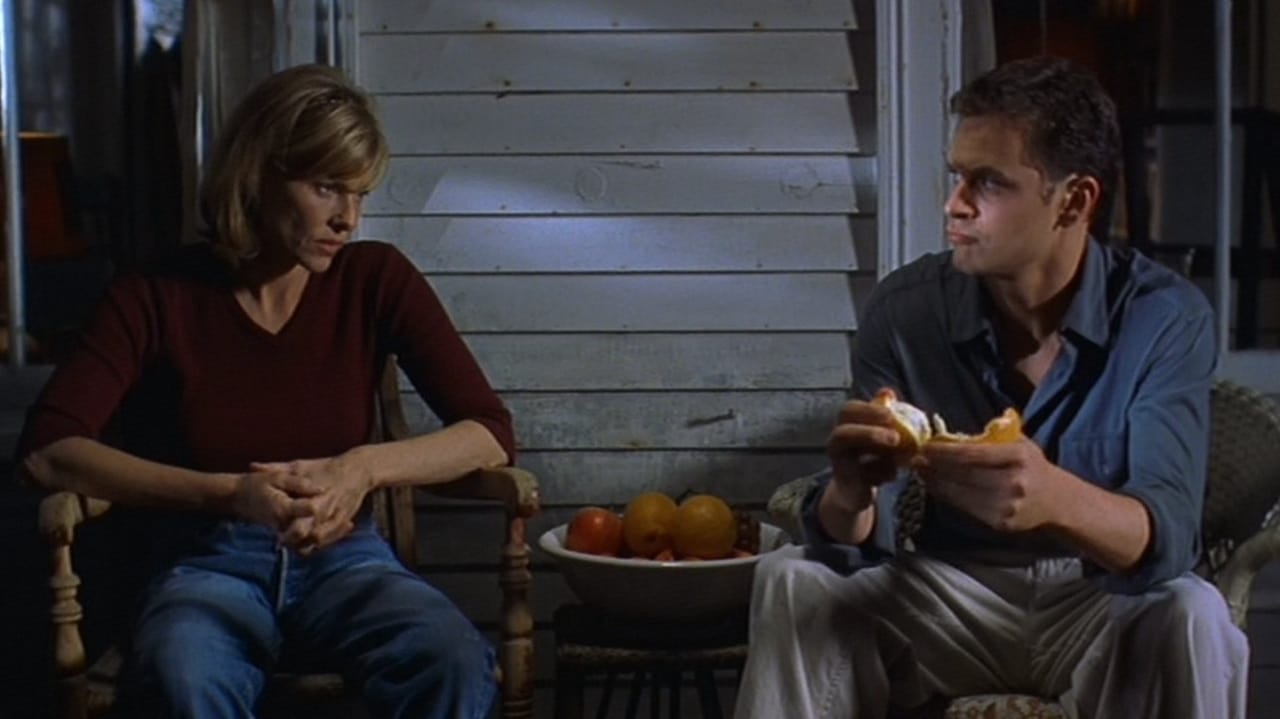
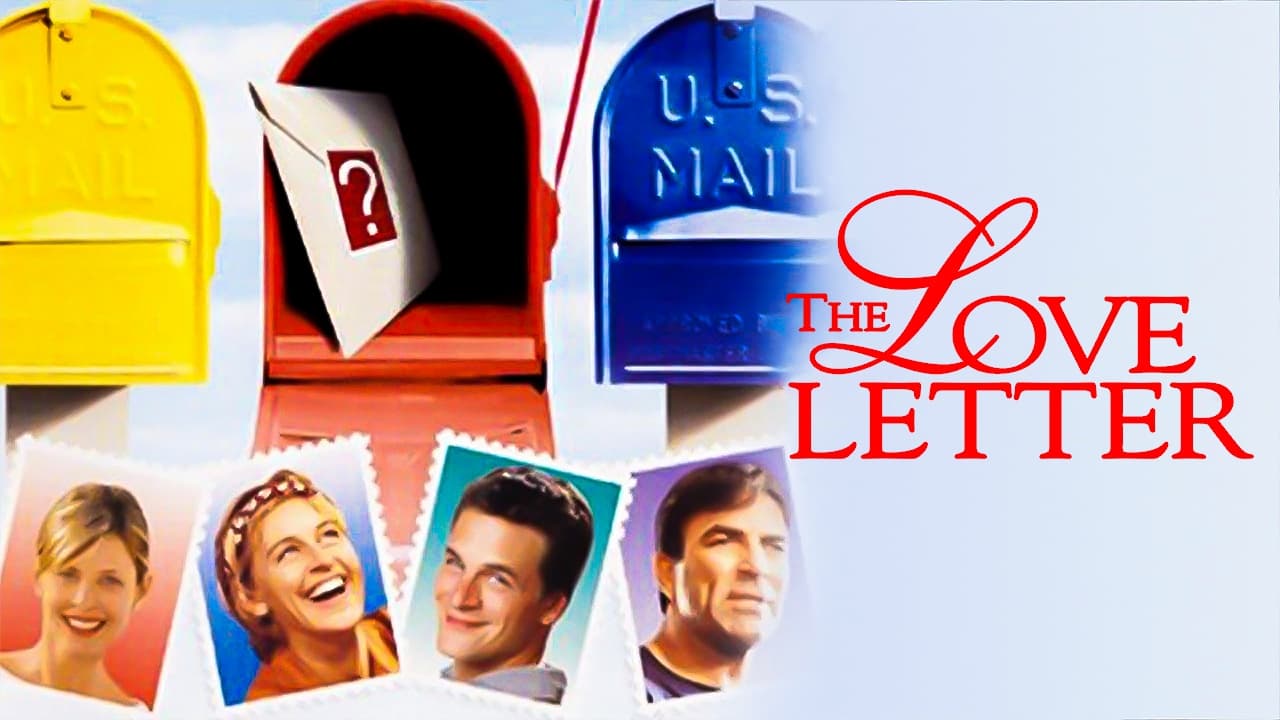
At the heart of the story is Helen MacFarquhar, played with a captivating blend of weariness and awakening yearning by Kate Capshaw. Helen runs the town bookstore, a cozy haven that becomes ground zero for the mystery. When she discovers a beautifully written, intensely romantic letter addressed simply to "My Dearest," with no sender or specific recipient named, her own dormant desires begin to stir. The film cleverly uses this single catalyst to explore the intersecting lives and hidden feelings of several characters. Could it be for her? Or perhaps for her trusted employee Janet (Ellen DeGeneres, bringing her signature relatable warmth and impeccable timing)? Or maybe even her elegant, long-widowed mother Lillian (Blythe Danner, radiating quiet grace)?
The premise itself feels almost like a stage play, a comedy of errors and projected desires fueled by ambiguity. What is it about an unsigned declaration that allows us to project so much onto it, to see reflections of our own unspoken hopes? Director Peter Chan, making his American directorial debut after acclaimed Hong Kong films like Comrades: Almost a Love Story (1996), brings a delicate touch. He lets the picturesque setting – the very real and charming coastal towns of Rockport and Gloucester, Massachusetts standing in for the fictional Loblolly Cove – breathe, becoming almost a character itself. The cinematography captures that specific New England light, adding to the film’s overall gentle, inviting atmosphere.
A Tapestry of Yearning
While the plot hinges on mistaken identity and romantic misdirection, the film finds its real strength in the nuanced performances. Kate Capshaw, in what would be one of her last major film roles before stepping back from acting, gives Helen a believable inner life. You see the flicker of hope warring with ingrained practicality, the sudden vulnerability beneath a composed exterior. It’s a performance that anchors the sometimes-frothy narrative. Remember her fiery presence in Indiana Jones and the Temple of Doom (1984)? Here, she channels a different kind of energy – quieter, more internal, but no less compelling.
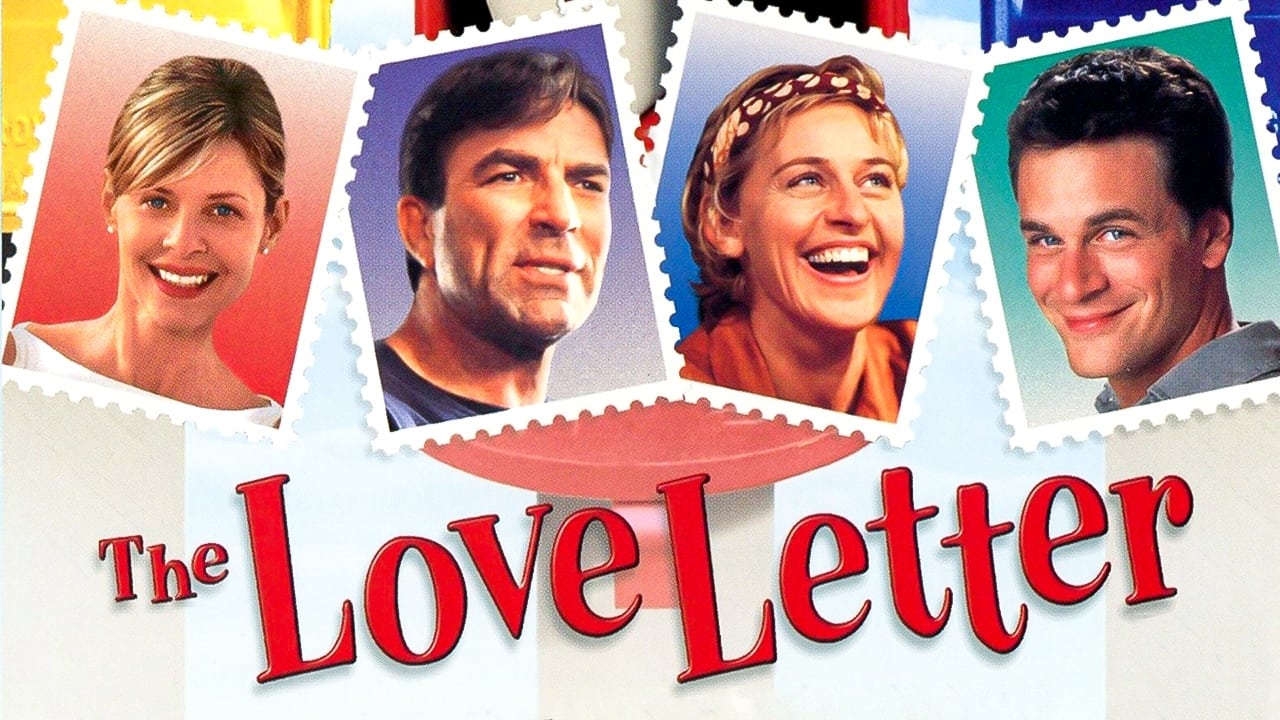
Blythe Danner is simply luminous as Lillian, Helen's mother, who carries her own history and subtle regrets. Her interactions with George Bellamy (Tom Selleck, charmingly playing against his more rugged image) hint at roads not taken and the possibility of late-life romance. And Ellen DeGeneres, fresh off her groundbreaking sitcom Ellen, provides much of the film's light comedy, but never tips into caricature. Her reactions feel genuine, her friendship with Helen providing a warm, grounded counterpoint to the romantic confusion. Supporting players like Tom Everett Scott as the earnest college student Johnny, who also gets swept up in the letter's mystery, round out the ensemble effectively.
Retro Fun Facts: Letters from Production
The Love Letter wasn't exactly a box office behemoth – earning around $8.3 million domestically against a reported $20 million budget for DreamWorks SKG (co-founded by Capshaw's husband, Steven Spielberg) – but perhaps its charms were too subtle for the multiplex crowds of 1999. It feels more like the kind of film you’d discover happily on a video store shelf, drawn in by the cast and the promise of a cozy story. Interestingly, adapting Cathleen Schine’s 1995 novel fell to screenwriter Maria Maggenti, known for the beloved indie lesbian romance The Incredibly True Adventure of Two Girls in Love (1995), adding another layer to the film's exploration of love and connection. The transition from Peter Chan’s dynamic Hong Kong filmmaking style to this gentle New England piece is also noteworthy; he brings an outsider’s appreciation for the setting's visual poetry.
More Than Just a Mix-Up?
Does the plot require a certain suspension of disbelief? Absolutely. The ease with which multiple characters convince themselves the letter must be for them borders on farce at times. Yet, beneath the romantic entanglements, the film gently probes themes of loneliness, the courage it takes to express feelings, and the quiet desperation that can lie beneath the surface of seemingly contented lives. Doesn't the film capture that specific small-town energy where everyone seems to know everyone else's business, yet profound personal secrets still simmer? It taps into that universal human desire to be truly seen, to be the recipient of such heartfelt words, even if just for a fleeting moment.
Watching it now, perhaps on a worn VHS tape pulled from the back of a shelf, The Love Letter feels like a comforting throwback. It’s a film without cynicism, content to explore human connection on a small, intimate scale. It lacks the sharp edges or complex deconstructions of romance we might see today, but its sincerity is undeniable. I remember renting movies like this back in the day – the kind of adult drama or romantic comedy that wasn't trying to reinvent the wheel, just tell a pleasant story with appealing actors. Sometimes, that’s exactly what you need.
Rating: 6/10
This rating reflects a film that is undeniably charming, beautifully located, and elevated by heartfelt performances, particularly from Capshaw and Danner. Its gentle pacing and picturesque setting offer a warm, nostalgic comfort watch. However, the central plot device feels somewhat thin and reliant on convenient misunderstandings, preventing it from reaching true dramatic depth. It’s a pleasant journey, even if the destination is fairly predictable.
The Love Letter ultimately reminds us of the simple, potent magic of words and the enduring hope for connection, a sweet sentiment wrapped in the cozy nostalgia of a late-90s Sunday afternoon rental.
You Might Also Enjoy
Barcelona
1994
Grumpier Old Men
1995
Jack & Sarah
1995
Jeffrey
1995
The American President
1995
Emma
1996
The Mirror Has Two Faces
1996
Fools Rush In
1997
Shakespeare in Love
1998
Better Than Chocolate
1999
Coyote Ugly
2000
Return to Me
2000
The Broken Hearts Club: A Romantic Comedy
2000
Working Girl
1988