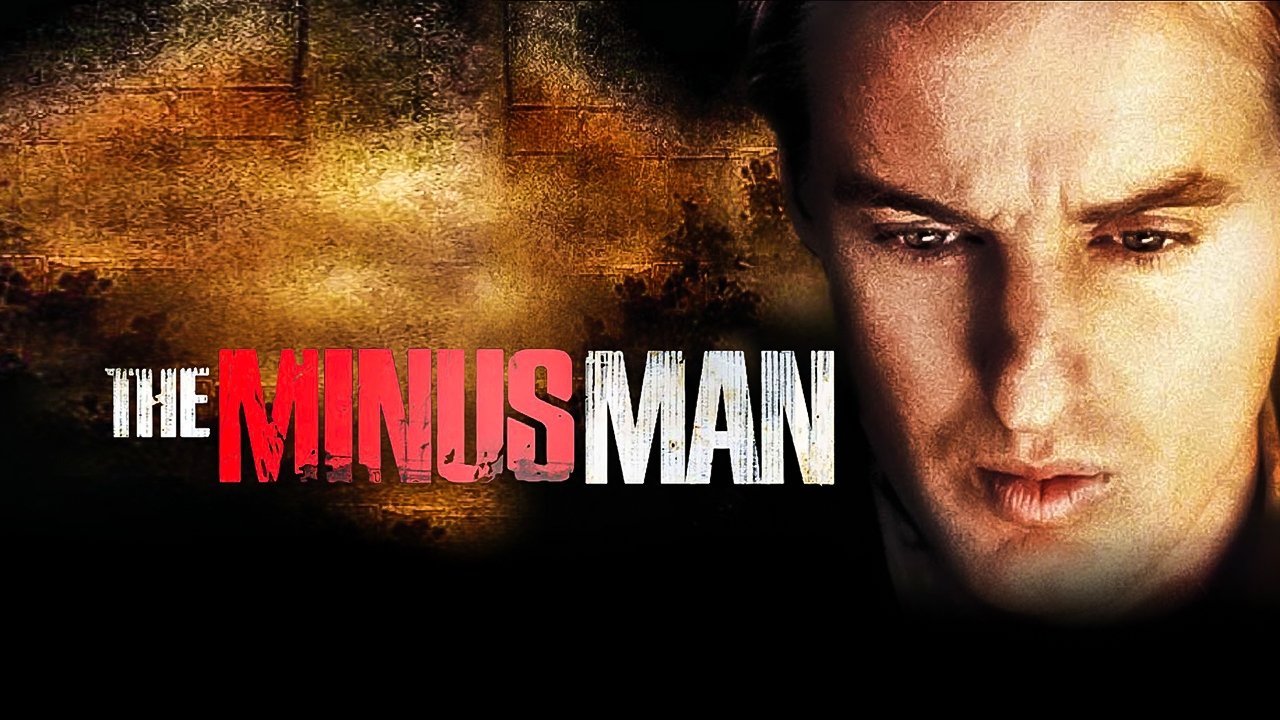
The Minus Man
There's a certain kind of quiet that settles over some films, a stillness that isn't peaceful but pregnant with unease. It’s the quiet of an empty highway stretching towards an unknown horizon, or the unnerving calm in the eye of a storm. Hampton Fancher's The Minus Man (1999) lives in that quiet, a film that drifted into the tail end of the 90s indie scene like a phantom, leaving behind a subtle chill rather than a loud bang. It’s a film that asks you to lean in close, to observe the placid surface of its protagonist and wonder about the chilling depths hidden just beneath.
An Unsettling Drift
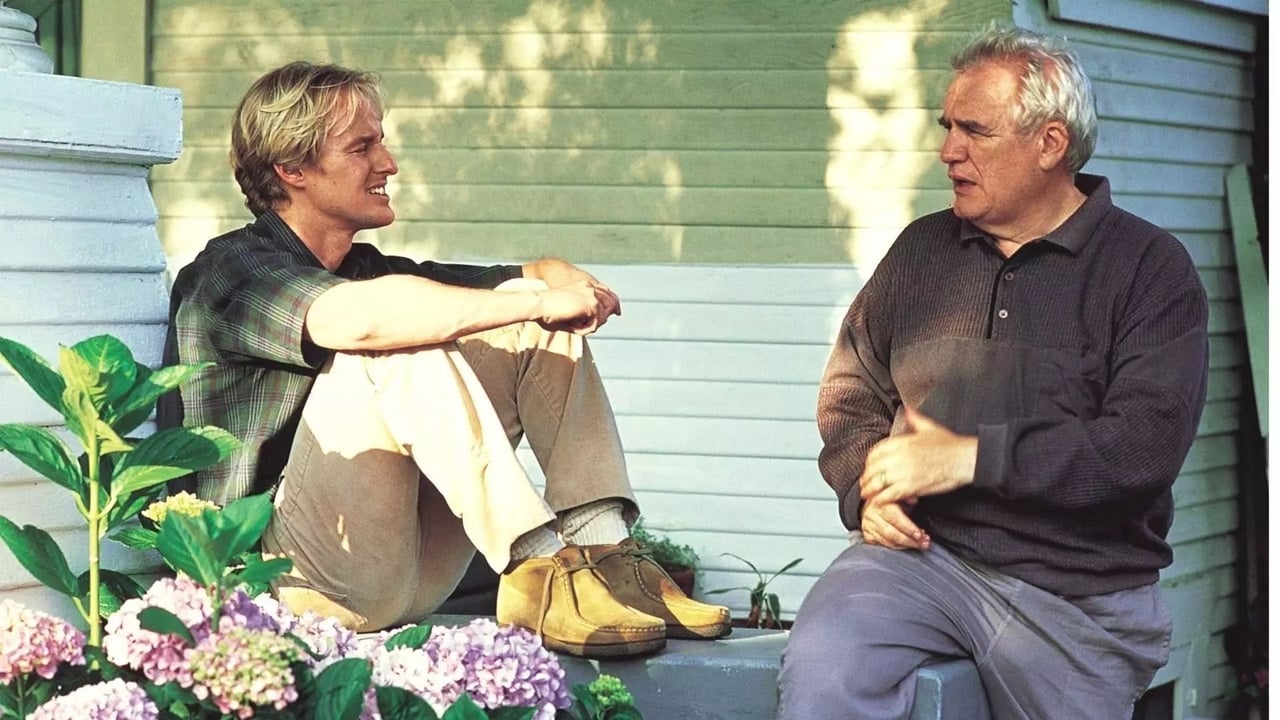
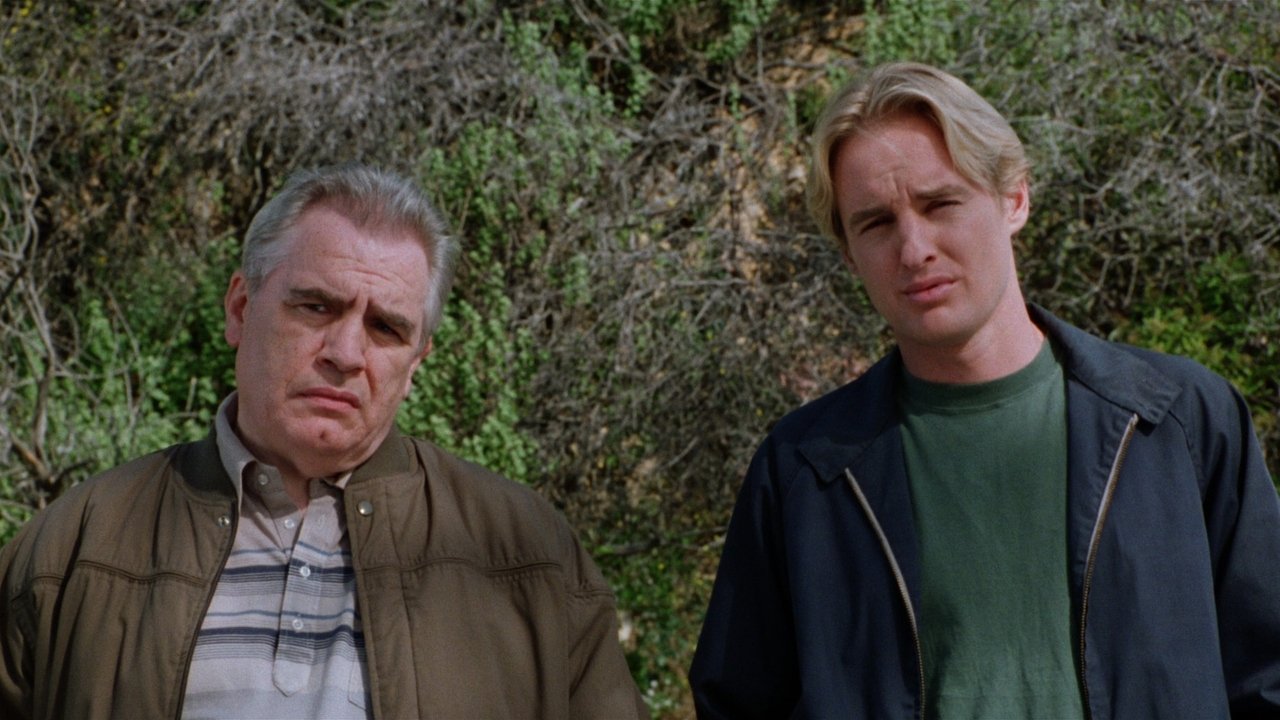
We meet Vann Siegert, played with an almost disturbing placidity by Owen Wilson, as he travels aimlessly through small-town America. He’s polite, soft-spoken, possessed of an easy, slightly detached charm that allows him to blend seamlessly into the fabric of everyday life. He finds temporary lodging with a couple, Doug and Jane (Brian Cox and Mercedes Ruehl), rents a room, gets a job at the local post office, and even strikes up a tentative romance with a co-worker, Ferrin (Sheryl Crow, in her acting debut). On the surface, Vann is unremarkable, almost invisible. But Vann has a secret, a compulsion he indulges with methodical detachment: he poisons people, seemingly at random, with a flask of amaretto laced with something lethal. The Minus Man isn't a whodunit or even really a traditional thriller; it's a character study of the void, an unnerving portrait of the banality of evil.
The Blank Slate Killer

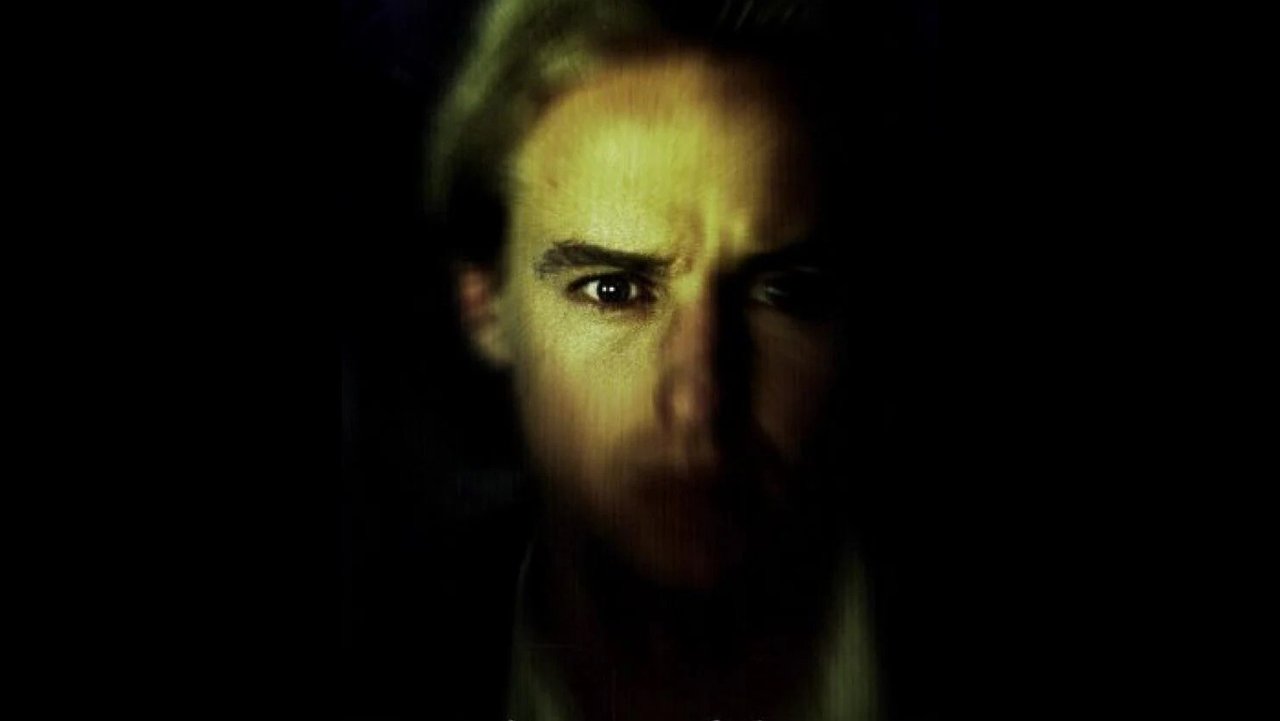
The film’s power rests heavily on Owen Wilson’s shoulders, and his performance is a masterclass in unsettling restraint. Known then, as now, primarily for his quirky comedic roles often alongside Wes Anderson, seeing Wilson inhabit Vann is deeply disquieting. He doesn't play Vann as a monster hiding behind a mask, but rather as a chillingly blank slate. His affability isn't an act; it seems genuine, which makes his detached acts of violence all the more horrifying. There's no scenery-chewing, no overt menace. Instead, Wilson gives us emptiness, a polite void where empathy should be. We keep searching his face for a flicker of malice, of motive, of anything, and find only a sort of passive curiosity. It’s a performance that weaponizes his inherent likability, turning it inward to create something truly unnerving. You watch him interact with Ferrin, or share a quiet moment with Doug, and the normalcy feels profoundly wrong.
Small Town Shadows
The supporting cast orbits Vann's eerie calm, each performance adding another layer to the film's muted dread. Sheryl Crow, stepping away from the microphone, brings a believable vulnerability and small-town longing to Ferrin. Her attraction to Vann feels grounded, making her unwitting proximity to danger genuinely tense. It's a solid debut, capturing a sense of quiet desperation. Brian Cox and Mercedes Ruehl are excellent as the couple who take Vann in, their own unspoken grief and dysfunction creating a parallel narrative thread that deepens the film's themes of hidden pain and isolation. And then there are Dwight Yoakam and Janeane Garofalo as the local law enforcement, their suspicion circling Vann like wary animals, adding a low hum of external threat without ever breaking the film's deliberately measured pace.
Fancher's Measured Hand
It's perhaps unsurprising that the man who co-wrote the screenplay for the existential sci-fi masterpiece Blade Runner (1982) would deliver such a mood-driven piece for his directorial debut. Hampton Fancher, adapting Lew McCreary's novel, isn't interested in procedural thrills or shocking violence (the murders themselves are almost entirely off-screen, their aftermath quiet and sterile). Instead, he focuses intently on atmosphere. Working with cinematographer Bobby Bukowski, Fancher crafts a vision of small-town America drained of vibrancy – overcast skies, nondescript locations, interiors lit with a flat, functional glow. It's a world perfectly suited to Vann, a place where anonymity feels like the default state. The pacing is deliberate, meditative even, demanding patience from the viewer. This isn't a film that grabs you by the throat; it slowly, almost imperceptibly, tightens its grip. Fancher was 61 when he directed this, a late arrival to the director's chair, bringing a mature, contemplative perspective that feels miles away from the flashier trends of late 90s cinema.
A Forgotten Chill
The Minus Man didn't exactly set the box office alight upon release – pulling in less than $400,000 against a modest $4 million budget – and critical reception was decidedly mixed. Some praised its hypnotic atmosphere and Wilson's daring performance, while others found its deliberate pace tedious and its central enigma ultimately hollow. Watching it now, pulled from the relative obscurity of late-catalog VHS or DVD releases, it feels like a fascinating artifact of its time – a quiet, challenging indie film that dared to explore darkness without resorting to exploitation or easy answers. It doesn't offer catharsis or clear motivations. Vann remains an enigma, his internal monologue (delivered in Wilson's signature drawl) offering observations rather than explanations.
What lingers most after the credits roll? It’s that pervasive quiet, the unsettling feeling of having spent time with someone utterly detached from the normal bounds of human connection. It’s the way Wilson’s smile never quite reaches his eyes, the way the mundane settings become imbued with a sense of dread. Is it a perfect film? Perhaps not. Its deliberate ambiguity and slow burn won't connect with everyone. But for those willing to sink into its chillingly calm waters, The Minus Man offers a uniquely haunting experience.
Rating: 7/10
Justification: The Minus Man earns its score through its masterful creation of atmosphere, Owen Wilson's brave and unsettling central performance, and its commitment to a challenging, unconventional portrait of a killer. It avoids genre clichés, opting for psychological nuance and mood over cheap thrills. Points are deducted primarily for the pacing, which, while deliberate and effective for the tone, can occasionally test viewer patience and might leave some feeling unsatisfied by its narrative sparseness and ambiguity.
Final Thought: A quiet tremor in the landscape of 90s indie film, The Minus Man is less a thriller and more a haunting meditation on the void that can exist behind an ordinary face, asking unsettling questions it refuses to answer.