The Omega Code
The digital whispers started it. A pattern hidden in plain sight, promising insight, power, perhaps even divinity. But some patterns shouldn't be deciphered, some doors left unopened. The Omega Code (1999) arrived near the cusp of a new millennium, carrying with it a specific kind of late-90s dread – a fusion of burgeoning internet-age paranoia and ancient apocalyptic prophecy, wrapped in the guise of a mainstream thriller. It wasn’t your typical blockbuster fare, lurking on the video store shelves with an intensity that felt… different.
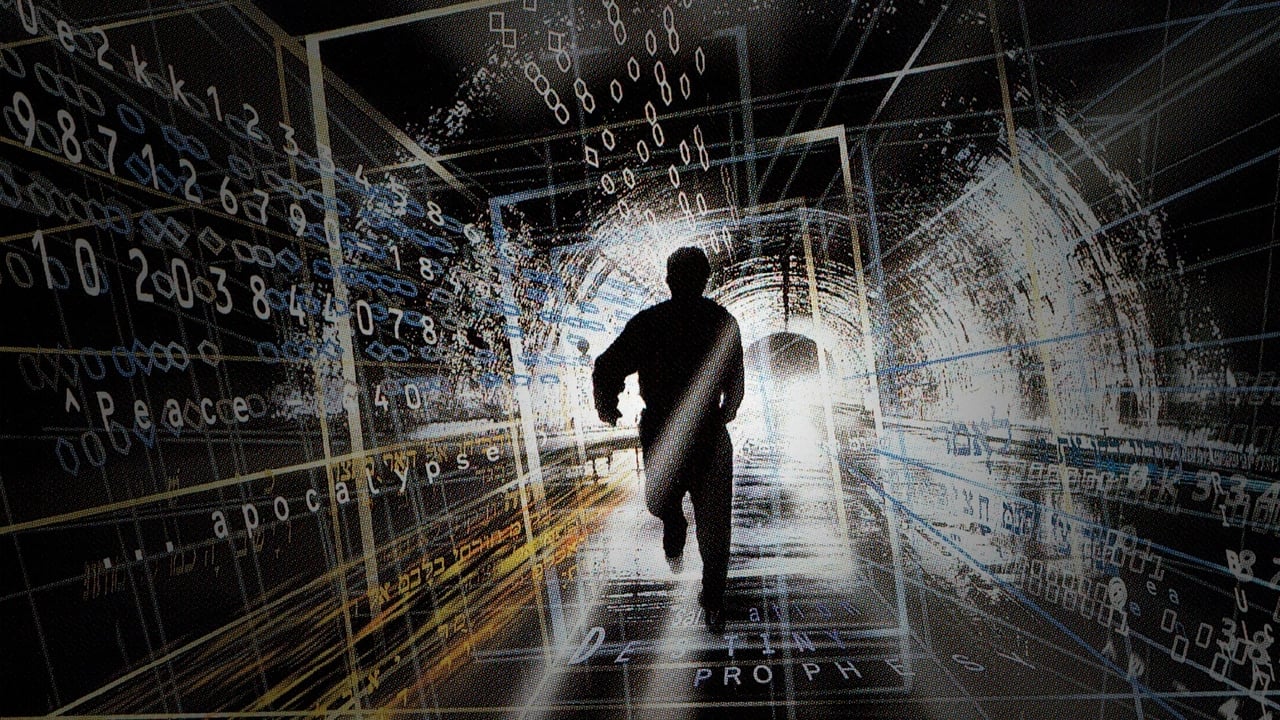
Decoding Armageddon
At the heart of the digital labyrinth stands Stone Alexander, played with unnerving, silken menace by the venerable Michael York (long removed from the youthful energy of Logan's Run (1976) or the decadent charm of Cabaret (1972)). Alexander isn't just a charismatic philanthropist and media mogul; he's the Antichrist, using a super-computer deciphering hidden codes within the Torah to predict – and manipulate – global events, paving his way to world domination. Caught in his web is Dr. Gillen Lane (Casper Van Dien, fresh from battling bugs in Starship Troopers (1997)), a self-help guru whose own popular mythology inadvertently mirrors Alexander's sinister plans. Lane, initially seduced by Alexander’s power and vision, slowly uncovers the terrifying truth alongside television reporter Cassandra Barris (Catherine Oxenberg, of Dynasty fame).
The Devil Wears Charisma
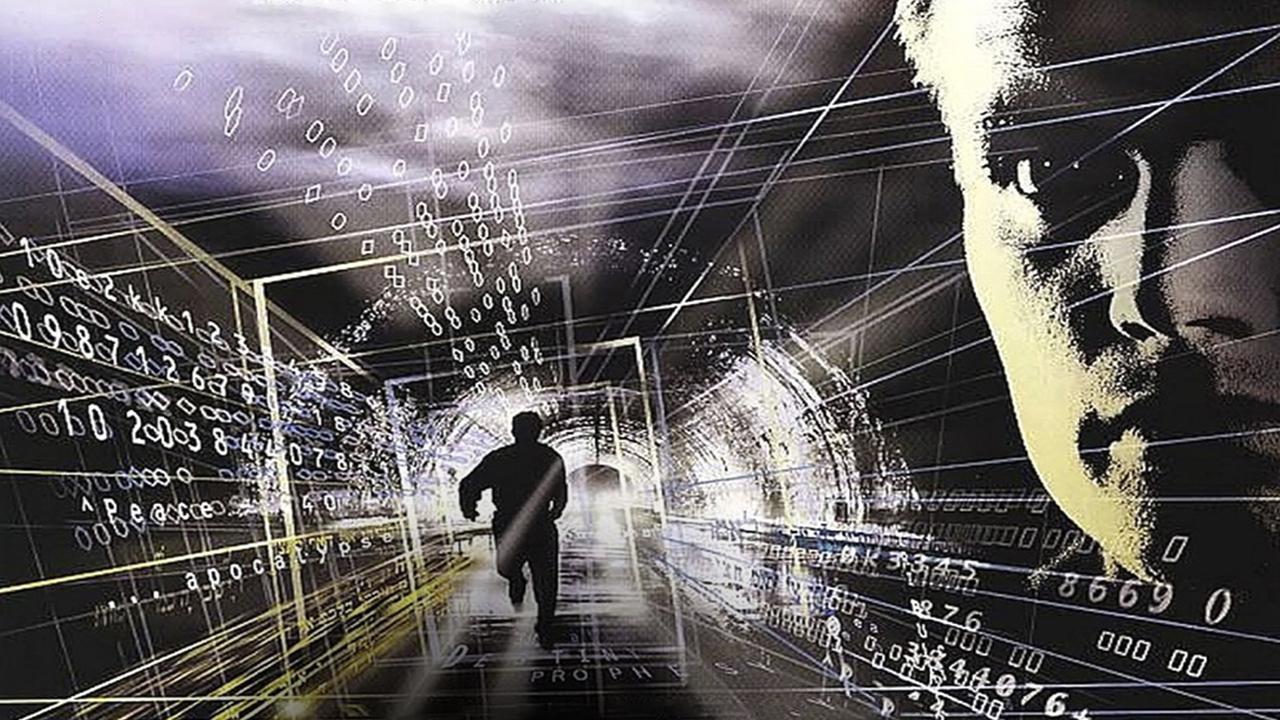
Let's be clear: the magnetic pull of The Omega Code rests almost entirely on Michael York's shoulders. His portrayal of Stone Alexander is genuinely unsettling. He eschews mustache-twirling villainy for a chillingly plausible charisma, a benevolent mask barely concealing fathomless ambition and ancient evil. There’s a cold fire in his eyes, a measured cadence to his speech that commands attention, making his eventual revelations feel less like pulp fiction and more like watching a viper slowly uncoil. It's a performance far better than the surrounding material arguably deserves, lending the film a gravity it desperately needs. Casper Van Dien, meanwhile, embodies the earnest, slightly bewildered hero archetype popular at the time, a decent man grappling with forces far beyond his understanding (or his self-help platitudes).
Straight from the Pulpit to the Multiplex?
This film occupies a strange corner of the late-90s cinematic landscape. Financed largely by Trinity Broadcasting Network (TBN) co-founder Matthew Crouch, The Omega Code was an ambitious attempt to translate evangelical End Times theology into a palatable, mainstream action-thriller format. Made for a relatively modest $7.2 million, its surprising success, grossing over $12 million domestically, spoke volumes about the underserved market it tapped into. Watching it now, on a flickering CRT in memory or a modern screen, you can feel that tension – the desire to thrill competing with the urge to preach. The production values have that distinct late-90s feel: ambitious digital effects that haven't aged gracefully, stock footage blended with location shoots, and an overall earnestness that’s hard to ignore. Does anyone else remember the slightly clunky CGI representing divine intervention? It felt potent back then, didn't it?
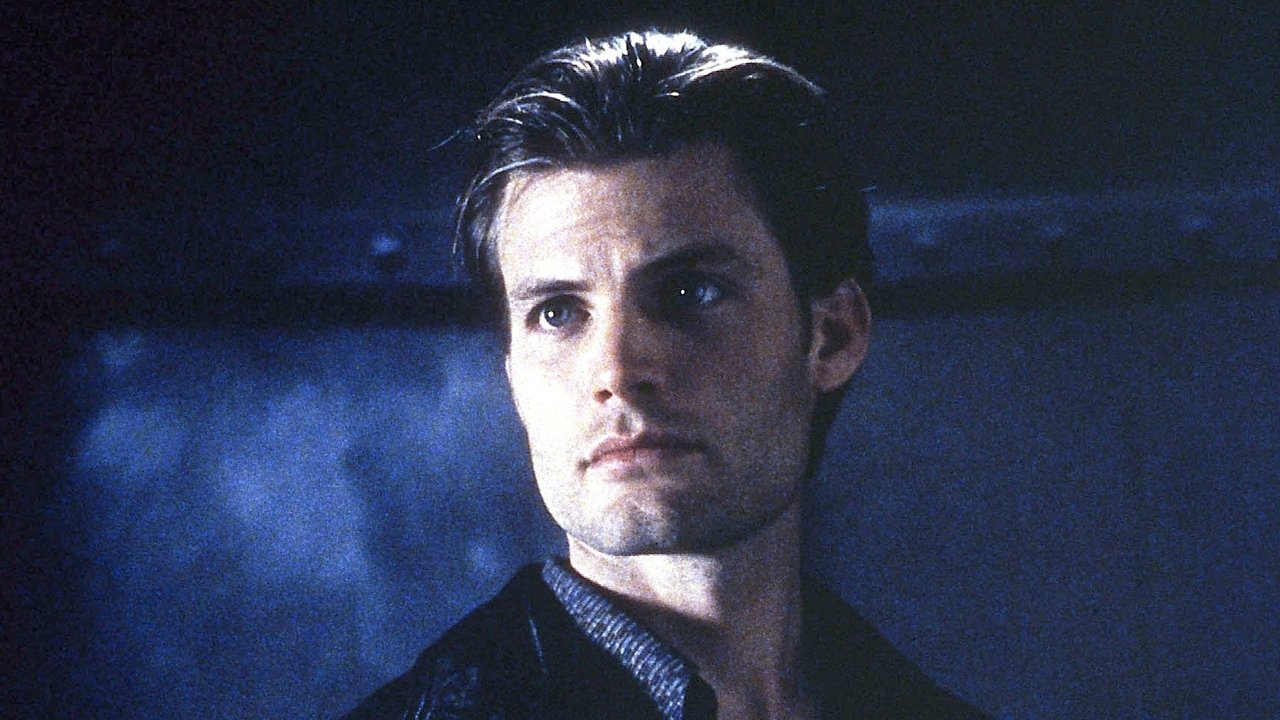

Behind the scenes, the film aimed directly for this crossover appeal. The script, drawing heavily from prophecy interpretations popularized by figures like Hal Lindsey, attempts to weave biblical scripture into a narrative about global conspiracy and technological control. It’s a fascinating artifact of millennial anxieties, blending Y2K fears with far older terrors. While mainstream critics were largely dismissive (it currently holds a grim 8% on Rotten Tomatoes, based on historical reviews), its box office performance proved a different story, leading directly to the prequel Megiddo: The Omega Code 2 (2001), which delved deeper into Alexander's origins.
Faith, Fear, and Flaws
While York's performance anchors the film, The Omega Code isn't without its stumbles. The pacing can feel uneven, oscillating between talky exposition about the code and bursts of slightly stiff action. The dialogue occasionally dips into the overtly didactic, pulling the viewer out of the thriller framework. Catherine Oxenberg's reporter character often feels underserved, primarily functioning as an audience surrogate and damsel in distress. Yet, there's an undeniable fascination in watching this unique blend of genres. It’s a religious thriller that truly believes its premise, delivering its apocalyptic message with a sincerity that’s almost disarming, even when the execution falters. The film's climax, involving divine intervention and a direct confrontation with evil, aims for epic but lands somewhere closer to earnest spectacle, a hallmark of faith-based filmmaking attempting blockbuster scope on a tighter budget.
***

VHS Heaven Rating: 4/10
Justification: The Omega Code is undeniably a curio. Its low rating reflects significant flaws in script, pacing, and overall execution as a thriller. The acting outside of York is often wooden, and the special effects are firmly dated. However, it earns points for Michael York's genuinely chilling performance, its unique status as a TBN-backed mainstream effort, its surprisingly robust niche box office success, and its undeniable sincerity. It’s a fascinating, if flawed, snapshot of late-90s anxieties and a specific cultural moment where faith-based narratives sought wider audiences.
Final Thought: While far from a cinematic masterpiece, The Omega Code remains memorable for its sheer audacity and Michael York's compellingly sinister turn as the Antichrist. It’s a strange beast from the twilight of the VHS era – part techno-thriller, part prophecy lecture, and entirely a product of its unique time and peculiar ambitions. Worth a watch for the curious, the nostalgic, or anyone fascinated by the stranger corners of 90s cinema.