What Becomes of the Broken Hearted?
It’s a heavy shadow that lingers long after the credits roll on Once Were Warriors. A shadow so potent, so viscerally real, that the very idea of revisiting that world, those characters, feels fraught with peril. How do you follow a film that hit with the force of a physical blow, a film that became a cultural touchstone, particularly in its native New Zealand? That’s the challenge Ian Mune faced when directing 1999’s What Becomes of the Broken Hearted?, the sequel charting the next, uncertain steps of Jake "The Muss" Heke. Stepping back into this world isn't casual viewing; it’s an invitation to confront the difficult questions of change, consequence, and whether a man defined by violence can ever truly escape its orbit.
Picking Up the Pieces
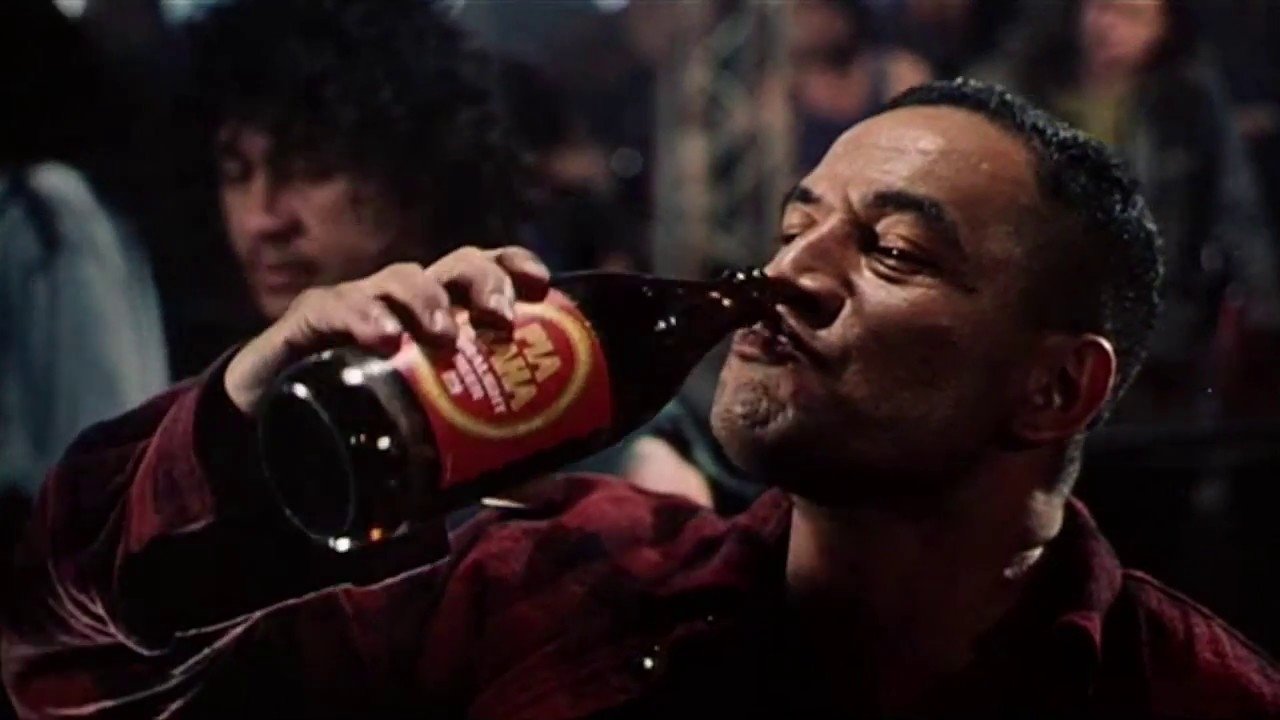
The film finds Jake (Temuera Morrison) adrift. Estranged from Beth and his surviving children after the harrowing events of the first film, he’s haunted by the ghosts of his past – the death of his son Nig, the imprisonment of his son Boogie, and the brutal legacy of his own rage. He’s trying, in his own rough way, to find a different path, frequenting a local pub and attempting to keep his fists unclenched. But the past isn't easily shed. Trouble finds him, particularly when his estranged son Sonny (Clint Eruera) gets tragically pulled into the orbit of the same menacing gang culture that claimed Nig. Jake, the man who destroyed his family from within, now finds himself desperately trying to save what little remains from external threats, forcing him to confront the very violence he’s trying to leave behind.
The Weight of Expectation
Let's be clear: following Lee Tamahori's Once Were Warriors (1994) was always going to be a monumental task. That film felt like lightning captured – raw, immediate, unforgettable. Ian Mune, who notably co-wrote the screenplay for the original, takes the helm here, adapting Alan Duff's follow-up novel. There's a noticeable shift in focus. While the first film was an almost claustrophobic portrayal of domestic terror, Broken Hearted broadens the scope, looking more at Jake's internal landscape and the wider societal pressures of gang affiliation and urban Māori life. The result is perhaps less relentlessly harrowing, but it carries its own distinct weight. Mune, known for directing Kiwi classics like the quirky crime caper Came a Hot Friday (1985), brings a different energy, perhaps a touch more meditative amidst the simmering tension. The budget was significantly higher than the original's lean NZ$2 million (closer to NZ$5 million for the sequel), allowing for a slightly broader canvas, though it wisely retains a gritty aesthetic.
Morrison's Burden
At the heart of it all is Temuera Morrison. Reprising the role of Jake Heke couldn't have been easy. It’s a character synonymous with terrifying, explosive anger. How do you portray that same man seeking redemption without betraying the chilling power of the original performance? Morrison walks this tightrope with undeniable screen presence. We see the familiar storm clouds gathering behind his eyes, the coiled physical tension. Yet, there are glimpses of vulnerability, confusion, a desperate yearning for connection, particularly with Sonny and a potential new relationship with Tania (Nancy Brunning, bringing a grounded warmth). Does Jake’s journey feel entirely convincing? That’s perhaps the film’s central question. The narrative pushes towards redemption, but Morrison ensures the darkness that defined Jake is never fully extinguished, merely wrestled with. It’s a testament to his performance that even when Jake tries to do right, the menace remains palpable. It’s that same magnetic, volatile energy that Morrison would later bring, albeit channelled differently, to roles like Jango Fett and Boba Fett in the Star Wars universe.
Echoes and New Paths
The introduction of Sonny provides a tragic echo of Nig's fate, highlighting the cyclical nature of violence and the seductive, destructive pull of gang life for young men seeking belonging. Clint Eruera delivers a compelling performance as the conflicted son, caught between resentment for his father and the allure of the streets. The relationship between Jake and Tania offers a potential lifeline, a chance for a different kind of future. Nancy Brunning is excellent, providing a much-needed counterpoint to Jake’s volatility, though the development of their connection sometimes feels a little hurried amidst the surrounding drama. One interesting production note: finding the right balance in adapting Duff's novel was key. While the first film ended on a note of Beth’s resilience, the sequel needed to recentre on Jake's struggle without absolving him, a delicate narrative dance.
Can the Cycle Be Broken?
What Becomes of the Broken Hearted? might not possess the singular, shattering impact of its predecessor – few films do. Critically, it was generally received as a respectable follow-up, though it didn’t achieve the same cultural phenomenon status or box office success as Warriors. Yet, it stands as a worthy, thoughtful continuation of a vital story. It dares to ask: what happens after the devastation? Can a man like Jake Heke truly change, or is he forever defined by his worst actions? The film doesn't offer easy answers. It explores the difficulty of breaking violent patterns, the search for identity and honour in broken places, and the enduring, complex bonds of family, even when fractured. Doesn't this struggle to escape one's past, to redefine oneself against overwhelming history, resonate far beyond the specific context of the film?
Rating: 7/10
This rating reflects a powerful, well-acted film grappling with difficult themes, anchored by another commanding performance from Temuera Morrison. It successfully expands the world of Once Were Warriors and offers a compelling, if sometimes uneven, exploration of Jake Heke's painful journey towards potential redemption. While it inevitably exists in the shadow of a masterpiece, it doesn't shy away from the darkness and offers its own bruising, thoughtful perspective. It earns its place on the shelf, a necessary, sobering postscript to a story that continues to echo. What lingers most is the uncomfortable question: can the deepest wounds ever truly heal, or do they just become scars we learn to live with?