Animal Factory
It doesn't grab you by the throat immediately, not like some prison dramas. Instead, Animal Factory unfolds with a kind of unsettling quiet, a creeping dread that settles in the mundane details of survival behind bars. Released in 2000, it arrived just as the new millennium dawned, yet it feels deeply connected to the raw, character-driven grit we often sought out on those well-worn VHS tapes from the preceding decades. Maybe it’s the familiar faces, or perhaps the unvarnished look at life inside, stripped of Hollywood theatrics. It’s a film that stays with you, not because of explosive moments, but because of the chilling authenticity it achieves.
Behind the Walls, Beyond the Stereotypes
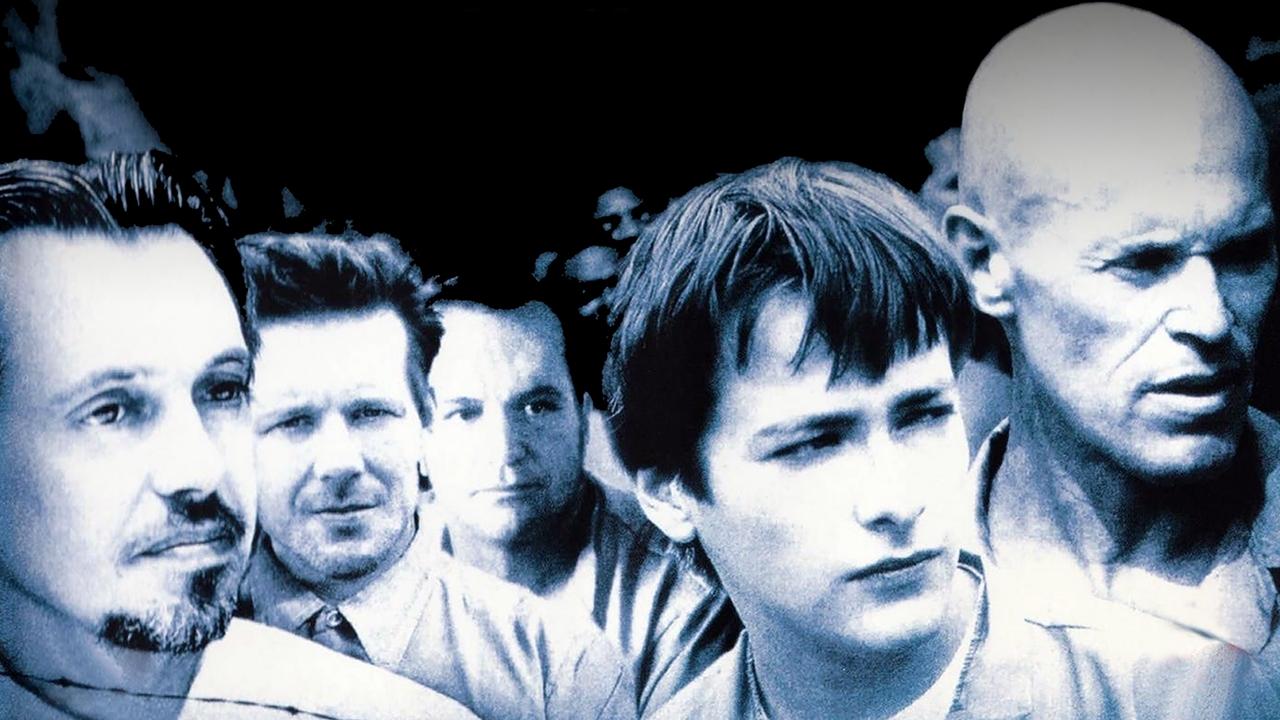
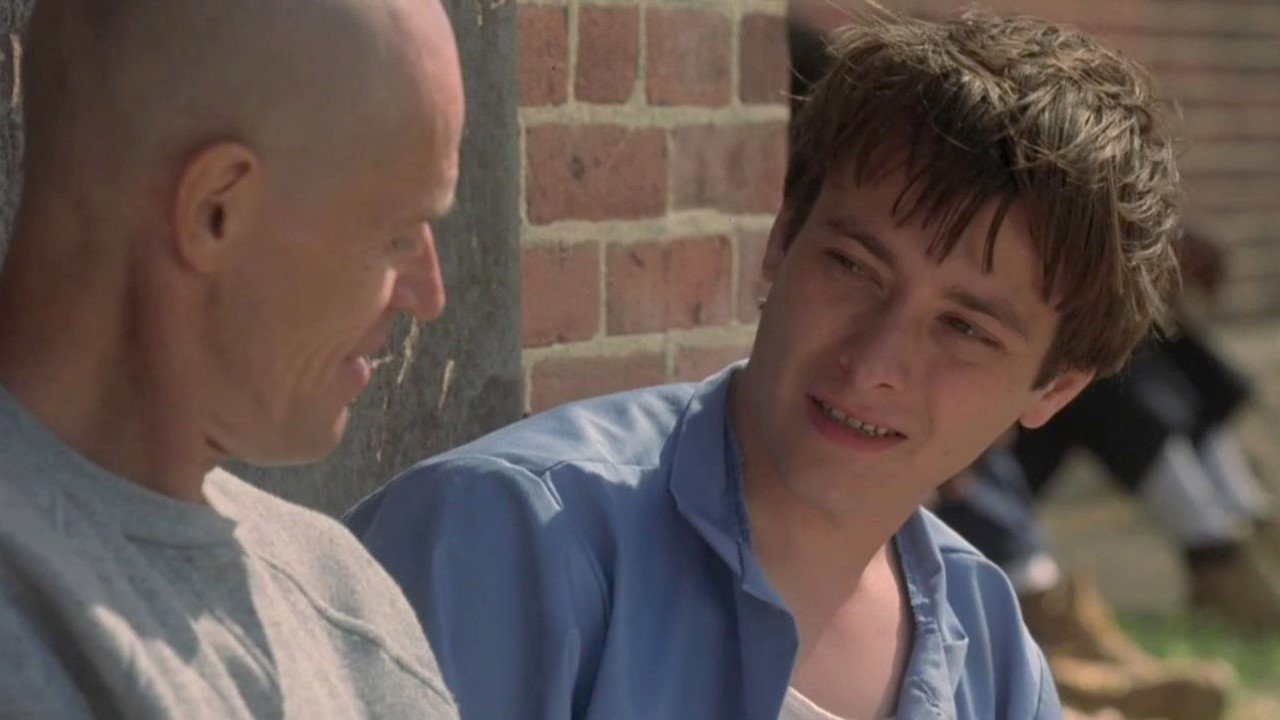
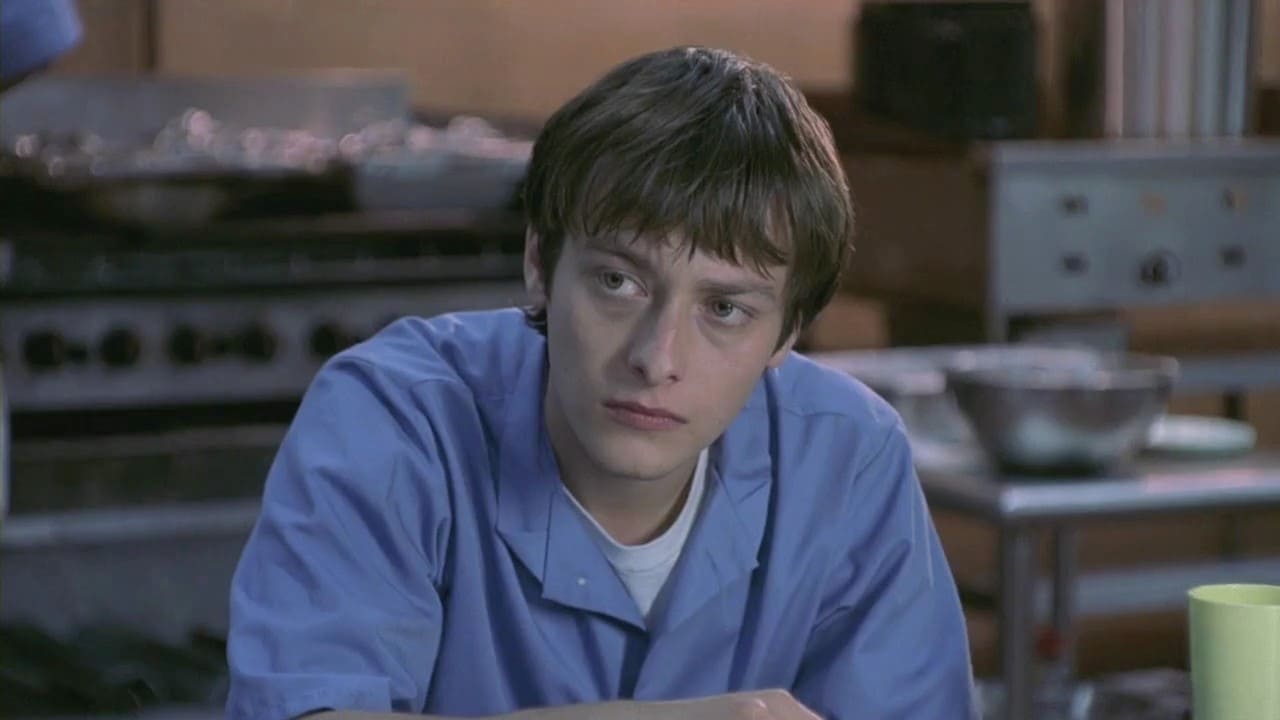
The setup is familiar enough: young Ron Decker (Edward Furlong, forever etched in our minds from Terminator 2: Judgment Day (1991) but here grappling with a different kind of bleak future), finds himself navigating the brutal ecosystem of a state penitentiary after a drug bust. He’s small, looks vulnerable, and is immediately marked as potential prey. What elevates Animal Factory beyond standard prison fare is the relationship he forms with Earl Copen (Willem Dafoe), a long-term inmate who seems to run his corner of the prison with an unnerving blend of paternalism and menace.
Dafoe, who could radiate intensity just by standing still even back in his Platoon (1986) days, delivers a masterclass in controlled power here. Earl isn’t a simple protector or exploiter; he’s a complex figure, a product of the system who understands its rules better than anyone. His guidance of Decker feels genuine, yet there's always an edge, a sense that his motives might be as much about maintaining his own influence as they are about altruism. Furlong, shedding the last vestiges of his child star image, effectively conveys Decker's dawning awareness of the precariousness of his situation. His performance is one of quiet desperation, a slow hardening sculpted by the harsh realities surrounding him. You see the fear in his eyes, but also the calculated adaptation necessary for survival. It’s a pairing that feels utterly believable within the film's stark context.
The Bunker Legacy: Truth on Screen
A huge part of the film's power stems directly from its source material and the man behind it. Animal Factory is based on the novel by Edward Bunker, a writer who spent nearly two decades of his life in various institutions, including San Quentin. Bunker didn't just sell the rights; he co-wrote the screenplay and even appears in the film as Buzzard, one of the older inmates. This wasn't just research; it was lived experience translated to the page and then the screen. You feel that authenticity in the dialogue, in the unspoken codes of conduct among the prisoners, in the depiction of prison life as less about constant riots and more about navigating a complex, dangerous social structure day by day. It’s a detail that elevates the film immeasurably – knowing the story comes from someone who truly knew. Even the presence of Danny Trejo as Vito, another actor whose life path famously intersected with the prison system before finding success in films like From Dusk Till Dawn (1996), adds another layer to this grounded reality.
Buscemi Behind the Camera
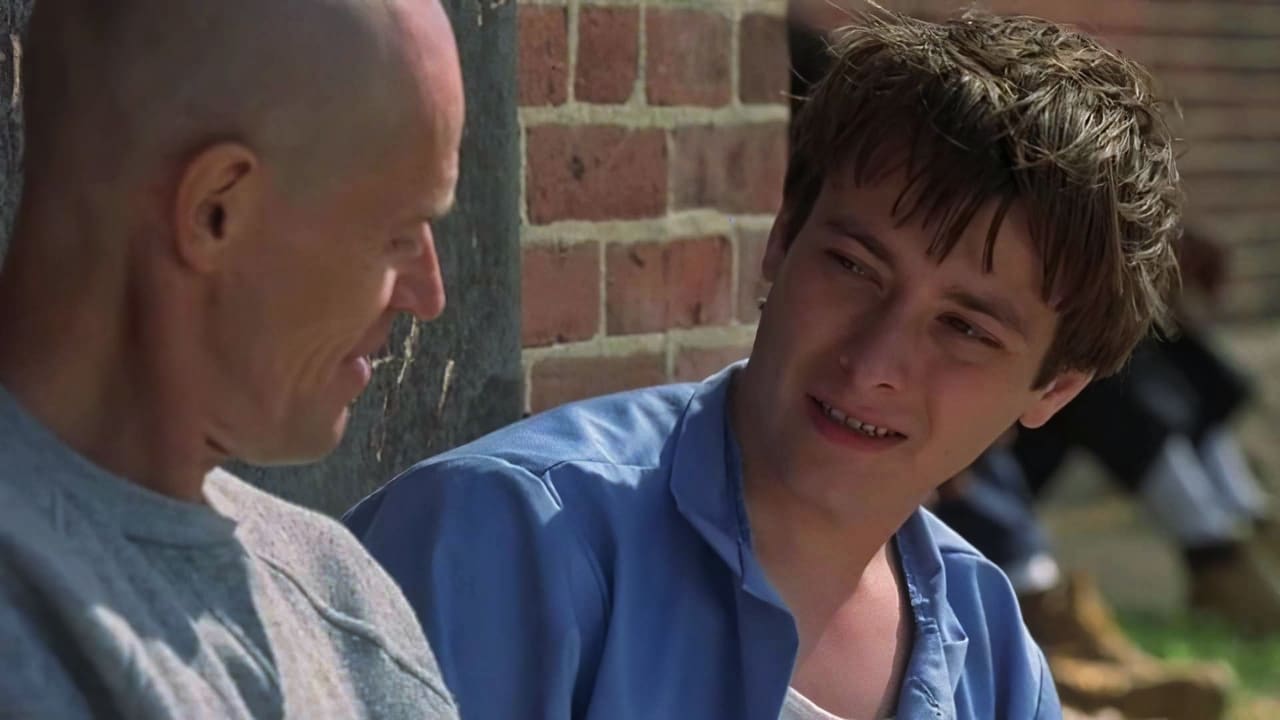
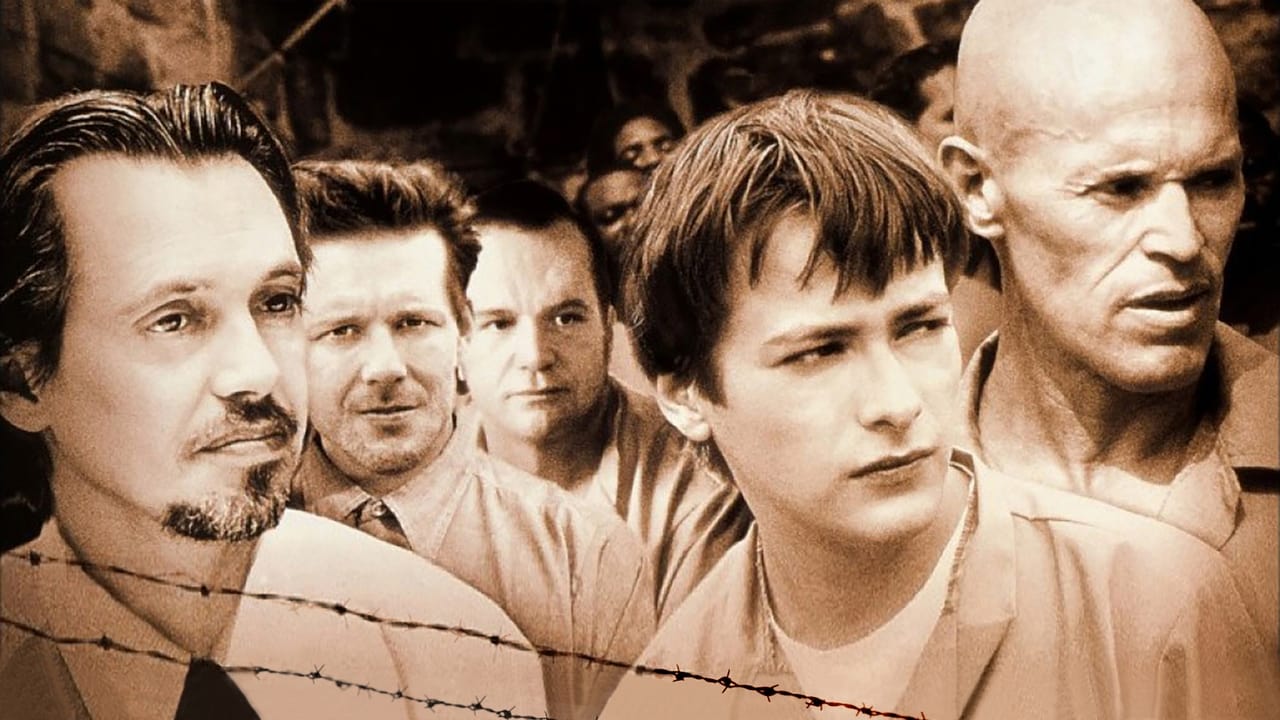
This was the second feature film directed by Steve Buscemi, an actor we knew so well from his unforgettable, often neurotic, performances in films like Reservoir Dogs (1992) and Fargo (1996). His directorial hand here is surprisingly steady and observational. He avoids flashy cuts or overly dramatic scoring, opting instead for a patient, almost documentary-like approach. He lets the environment and the performances breathe. Filming took place within the imposing, decaying walls of the decommissioned Holmesburg Prison in Philadelphia, a location that bleeds atmosphere onto the screen. You can almost smell the stale air and feel the chill of the concrete. Buscemi doesn't shy away from the inherent violence and degradation, but he presents it matter-of-factly, as part of the grim routine, which somehow makes it even more disturbing. It's a far cry from his often hyper-kinetic acting style, revealing a thoughtful and controlled filmmaker's eye.
A Cast That Inhabits the Space
Beyond the central duo, the supporting cast feels perfectly integrated. Mickey Rourke, in one of his more interesting post-90s roles, is almost unrecognizable but compelling as Jan the Actress, a transgender inmate who forms a bond with Decker. Even Tom Arnold, often known for broader comedy, turns in a restrained and effective performance as a despicable guard. These aren't caricatures; they feel like individuals trapped within the machinery of the institution, each finding their own way to cope, exploit, or simply endure.
The film doesn't offer easy moral judgments or simplistic narratives of redemption. It presents a closed world with its own logic, its own hierarchies, and its own brutal form of justice. What lingers is the question of what happens to humanity in such an environment. Can loyalty exist? Can mentorship be anything other than a form of control? Animal Factory doesn't provide neat answers, preferring to show rather than tell, leaving the viewer to grapple with the bleak implications.
Why It Belongs in VHS Heaven
Okay, technically a 2000 release, so maybe it arrived on DVD more often than VHS. But let’s be honest, Animal Factory has the soul of a late-night VHS discovery. With its cast of familiar faces from the 80s and 90s, its gritty realism reminiscent of classic crime dramas, and its status as a somewhat overlooked gem, it fits right into the spirit of "VHS Heaven." It’s the kind of movie you might have rented based on Dafoe or Furlong being on the cover, expecting one thing, and getting something much deeper and more unsettling. It lacks the slickness of many mainstream films from the turn of the millennium, retaining a rough-edged honesty that feels timeless.
Rating: 8/10
Animal Factory earns this score through its potent combination of powerhouse performances, particularly from Dafoe and Furlong, its unwavering commitment to authenticity thanks to Edward Bunker's firsthand knowledge and Buscemi's restrained direction, and its chillingly effective atmosphere. It avoids the sensationalism common to the prison genre, opting for a quieter, more profound exploration of survival and the complex, often compromised, relationships formed under duress. It might lack explosive set pieces, but its psychological tension and lived-in realism make it a standout.
It’s a film that doesn’t offer escape, either for its characters or the audience. Instead, it locks you in and asks you to simply watch, to understand, and perhaps to question what confinement truly does to the human spirit. What choices would you make in Ron Decker's shoes? That question echoes long after the screen goes dark.