Bounce
It starts with a choice, doesn't it? That seemingly small, impulsive act born of selfishness, perhaps, or maybe just weariness. A swapped plane ticket in a blizzard-bound airport. For Buddy Amaral, it’s a chance encounter, a night prolonged; for the man who takes his seat, it’s the end of everything. Bounce (2000) hinges on this precipice, exploring the tangled aftermath when one man's life is spared at the cost of another's, and the heavy burden of carrying that secret into the heart of the life left behind. This isn't your typical breezy turn-of-the-millennium romance; it carries a weight, a quiet exploration of grief and guilt that lingers long after the credits fade, much like those slightly worn rental copies that populated shelves during the VHS-to-DVD transition.

A Premise Heavy with Consequence
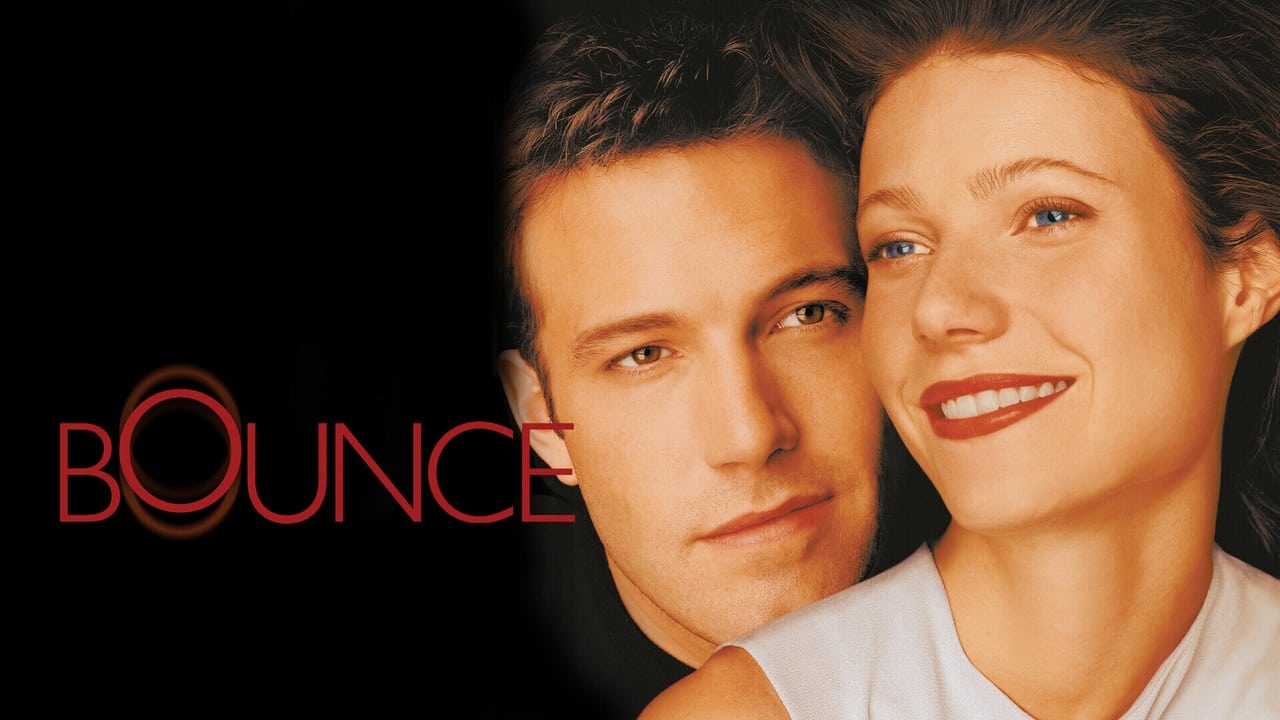
The setup is potent, almost uncomfortably so. Ben Affleck, navigating the peak of his early leading man fame, plays Buddy, a smooth-talking advertising executive whose life is thrown into sharp relief by the plane crash he narrowly avoided. Consumed by guilt and battling alcoholism spurred by the event, he seeks out the widow of the man who took his place, Abby Janello, played with a fragile strength by Gwyneth Paltrow. What begins as an anonymous act of 'charity' – subtly helping her fledgling real estate career – inevitably blossoms into something deeper, more complicated, all under the shadow of Buddy's unspoken truth. It’s a premise that teeters on the edge of melodrama, yet writer-director Don Roos (The Opposite of Sex, Single White Female screenwriter) largely steers it towards a more grounded emotional reality.
Navigating Grief and Guilt

The film truly finds its footing in the performances. Affleck, often known for more assertive roles, taps into a vulnerability here that feels authentic. His Buddy isn't just a charming rogue; he’s haunted, his guilt palpable beneath the surface attempts at normalcy. We see the internal conflict – the genuine affection growing for Abby and her two young sons, warring against the knowledge that his very presence in their lives is built upon a devastating deception. Does his desire for redemption excuse the lie? It’s a question the film lets hang in the air, forcing us to consider the messy complexities of human motivation.
Opposite him, Paltrow delivers a performance steeped in quiet resilience. Abby isn't portrayed as a shattered victim; she’s a mother grappling with profound loss while determinedly putting one foot in front of the other. Paltrow captures the exhaustion, the flashes of remembered pain, but also the cautious reopening to life and potential happiness. The chemistry between Affleck and Paltrow – who were famously an item off-screen around this time – undeniably translates on screen, adding a layer of believable intimacy to their tentative connection. It's this central relationship, fraught as it is, that anchors the film. Watching them felt less like observing actors and more like witnessing two people carefully navigating an emotional minefield.
Beneath the Surface


Don Roos handles the delicate material with sensitivity, focusing more on the internal struggles of the characters than on manufactured plot twists. The film takes its time, allowing moments of quiet reflection and unspoken emotion to breathe. It doesn't shy away from the inherent sadness of the situation, but it also allows for sparks of warmth and connection. It asks us to consider: can something good truly emerge from such a fundamentally flawed foundation? Can genuine love overcome a lie of this magnitude?
One interesting tidbit often mentioned is how the film’s relatively modest box office performance (around $54 million worldwide on a $35 million budget) perhaps reflected audience expectations clashing with the film's more somber tone. People might have walked in expecting a light romantic comedy given the star pairing, but Bounce offers something more introspective, dealing with themes heavier than the typical date night fare. It’s a film less about grand romantic gestures and more about the difficult, often painful, process of healing and seeking forgiveness, both from others and from oneself. I recall renting this one from Blockbuster, expecting something different, and being genuinely surprised by its emotional heft.
The Weight of Honesty
While the film occasionally dips into moments that feel a touch too convenient or neatly resolved, its core emotional truth resonates. The ethical dilemma remains potent: What would you do in Buddy's situation? Is confession always the right path, even if it risks causing further pain? Bounce doesn't offer easy answers, preferring instead to explore the tangled web of good intentions, profound mistakes, and the tentative hope for second chances. The supporting cast, including Natasha Henstridge as an airline colleague of Buddy’s, fills out the world adequately, but the film lives and dies on the dynamic between its two leads.
***
VHS Heaven Rating: 7/10
Justification: Bounce earns a solid 7 for its compelling central performances, particularly from Affleck and Paltrow, who navigate complex emotional territory with sensitivity. Don Roos handles the potentially overwrought premise with a welcome degree of restraint, focusing on character and theme over melodrama. While it occasionally stumbles into narrative convenience, its thoughtful exploration of grief, guilt, and the possibility of redemption feels earned and resonant. It’s a film that might have surprised renters expecting a lighter romance, offering instead a quietly moving drama that sticks with you.
Final Thought: It’s a film that reminds us how a single moment, a single choice, can irrevocably alter lives, leaving us to wrestle with the consequences and the difficult path towards making amends, both with others and within ourselves. What truly defines connection when its origins are compromised?