Bread and Tulips
Okay, settle in. Put the kettle on. Sometimes, amidst the glorious noise and neon of our beloved 80s and 90s fare, a quieter film slips through, one that perhaps arrived just as the VHS era was fading into the dawn of DVD, but carries a spirit that resonates deeply with anyone who’s ever felt a little… overlooked. Bread and Tulips (original title: Pane e tulipani), released in 2000, might technically be a millennial baby, but its heart beats with a timeless, gentle rhythm that feels like a warm embrace, a discovery worth cherishing on any format. It begins not with a bang, but with the quiet, almost accidental act of being left behind – a moment that blossoms into unexpected liberation.
Accidental Freedom in Venice
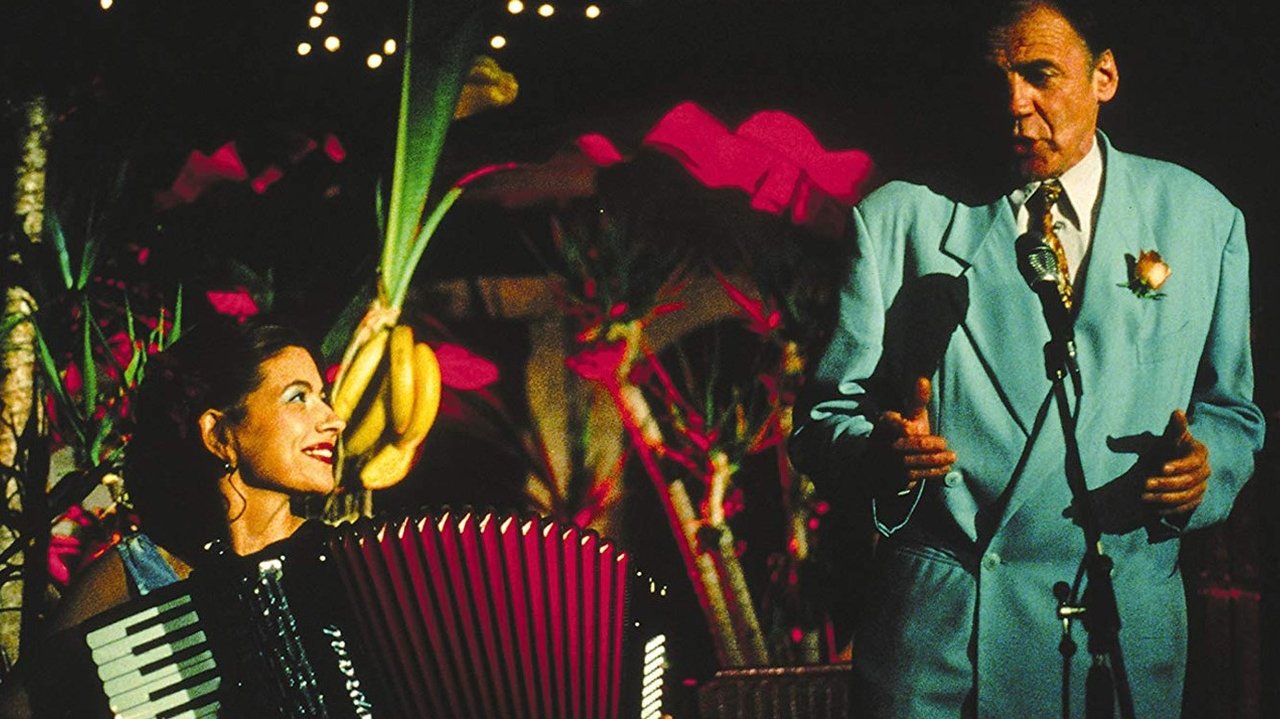
The premise is deceptively simple: Rosalba (Licia Maglietta), a Pescara housewife on a dreary bus tour with her family, is forgotten at a roadside rest stop. Instead of waiting meekly for her boorish husband, she impulsively hitchhikes, intending to go home, but finds herself drawn irresistibly towards Venice. What follows isn't a grand adventure in the typical cinematic sense, but a tentative, beautiful unfurling of a life paused. Director Silvio Soldini, who also co-wrote the screenplay, captures Venice not as the gleaming postcard destination, but as a lived-in, slightly melancholic city of quiet canals, hidden courtyards, and serendipitous encounters. The atmosphere is key here; it’s less about plot twists and more about the feeling of rediscovering oneself when the familiar anchors are suddenly, blessedly, gone. Doesn't that feeling of wanting to just... step off the expected path resonate sometimes?
A Woman Reawakening
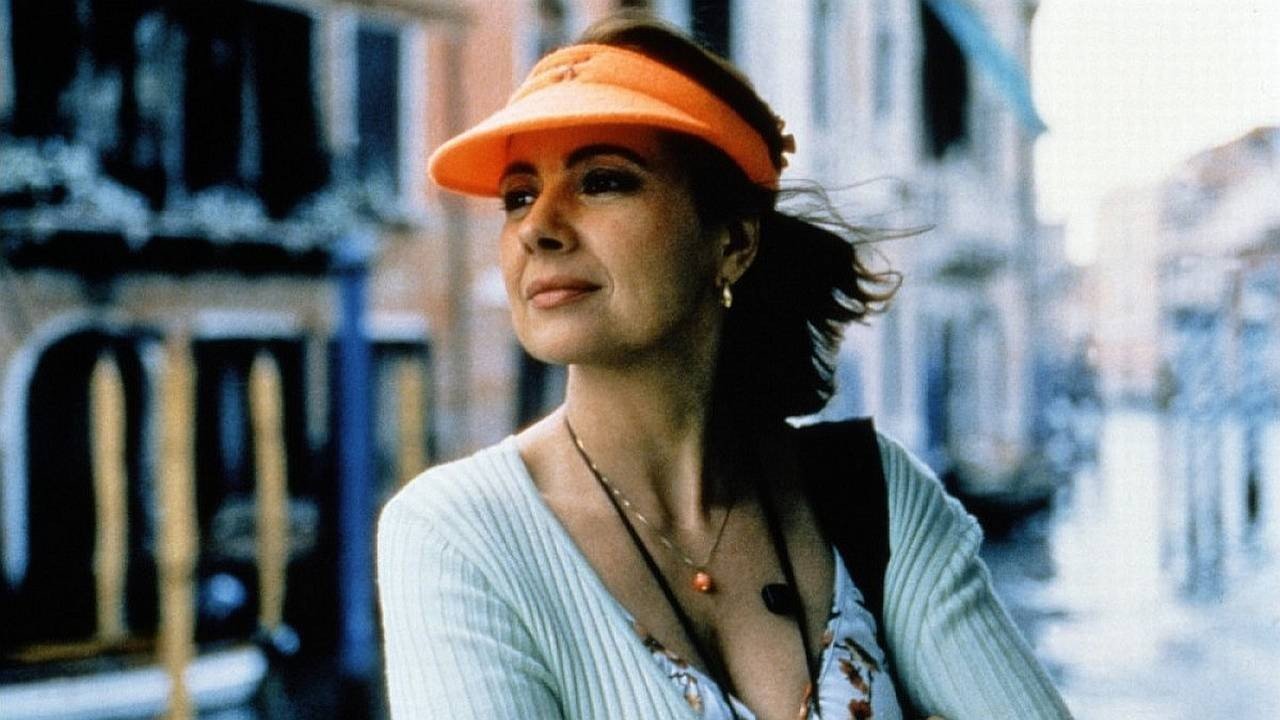
At the heart of it all is Licia Maglietta's luminous performance as Rosalba. It’s a masterclass in subtlety. She doesn’t undergo a flashy Hollywood makeover; instead, we witness a gradual shedding of invisibility. Watch her face as she takes her first hesitant steps into this unplanned Venetian chapter – the mix of fear, guilt, and burgeoning delight is utterly convincing. She finds a cheap room, a temporary job in a flower shop, and begins to reconnect with her long-dormant passion for the accordion. Maglietta portrays Rosalba's transformation not as a rebellion, but as a quiet reclaiming of self, finding joy in small kindnesses and the simple beauty of her surroundings. It’s a performance that feels incredibly truthful, reminding us that profound change often happens softly, internally, before it’s ever announced to the world.
Kindred Spirits and Comic Relief
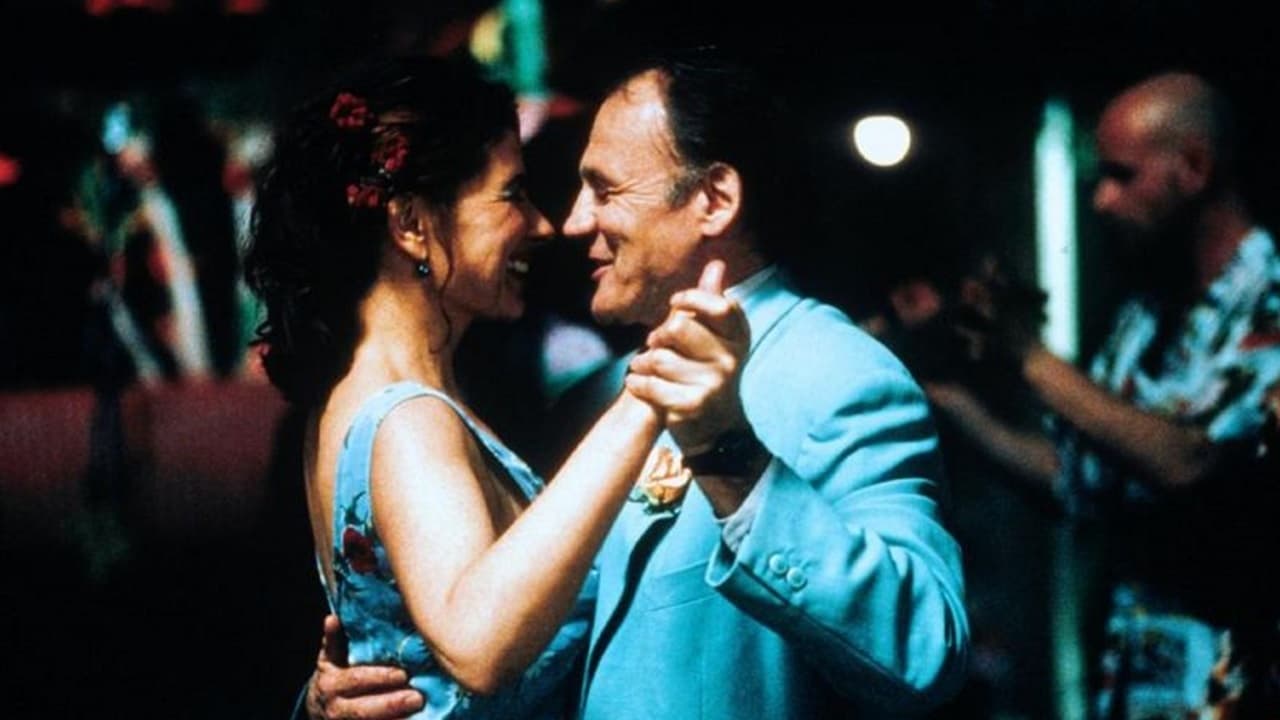
Rosalba isn't alone in her newfound world. She finds lodging with Fernando Girasole, a reserved, poetic Icelandic waiter played with exquisite gentleness by the great Bruno Ganz. Yes, that Bruno Ganz, forever etched in cinematic memory for his towering performance in Downfall (2004) but also beloved for soulful roles like the angel Damiel in Wim Wenders' Wings of Desire (1987). Here, his Fernando is a man nursing his own quiet sorrows, speaking a formal, slightly archaic Italian (a detail reflecting Ganz reportedly learning Italian specifically for the role). The tentative, unspoken connection that develops between Rosalba and Fernando is the film's gentle core – two solitary souls finding unexpected companionship. Their relationship unfolds with a refreshing lack of melodrama, built on shared meals, hesitant conversations, and mutual respect.
Adding a layer of delightful absurdity is Giuseppe Battiston as Constantino, the plump, plumber-turned-amateur detective hired by Rosalba's comically self-absorbed husband to track her down. Constantino is more interested in romantic novels and good food than detective work, and his misadventures provide gentle comic relief that never undermines the film’s emotional sincerity. He’s less a threat, more a slightly pathetic, endearing obstacle.
The Quiet Beauty of Choosing Yourself
What lingers long after the credits roll is the film's profound empathy. Soldini’s direction is patient, allowing moments to breathe, focusing on character interactions and the evocative Venetian setting. It’s a film that champions the small, brave choices we make for ourselves. It asks: what happens when we dare to listen to that quiet inner voice suggesting there might be more to life than duty and routine? Bread and Tulips swept the David di Donatello Awards (Italy's Oscars) in its year, winning Best Film, Director, Screenplay, and awards for all three lead actors, a testament to its resonance. It arrived just as the digital age was truly taking hold, perhaps making its physical media footprint smaller than some blockbusters, but its charm is enduring. It feels like a film you discover, rather than one that’s loudly marketed – a hidden gem passed between friends.
It reminds me, in a way, of those quieter discoveries tucked away on the shelves of the video store, the ones you picked up on a whim, drawn by the cover or a vague sense of promise, and found yourself unexpectedly moved by. It doesn’t shout; it whispers, and its message of quiet courage and the possibility of late-blooming happiness feels more relevant than ever.
Rating: 8.5/10
This rating reflects the film's exceptional performances, particularly from Maglietta and Ganz, its beautifully realized atmosphere, and its deeply humane and gently uplifting story. It might lack the high-octane thrills of some VHS-era staples, but its emotional depth and quiet charm offer a different, equally rewarding kind of satisfaction. It's a film that reminds you to appreciate the unexpected detours life offers – sometimes, getting left behind is the best way to find where you truly belong. A truly lovely piece of cinema.