Burnt Money
Here is your review for "Burnt Money" (2000), crafted for VHS Heaven:
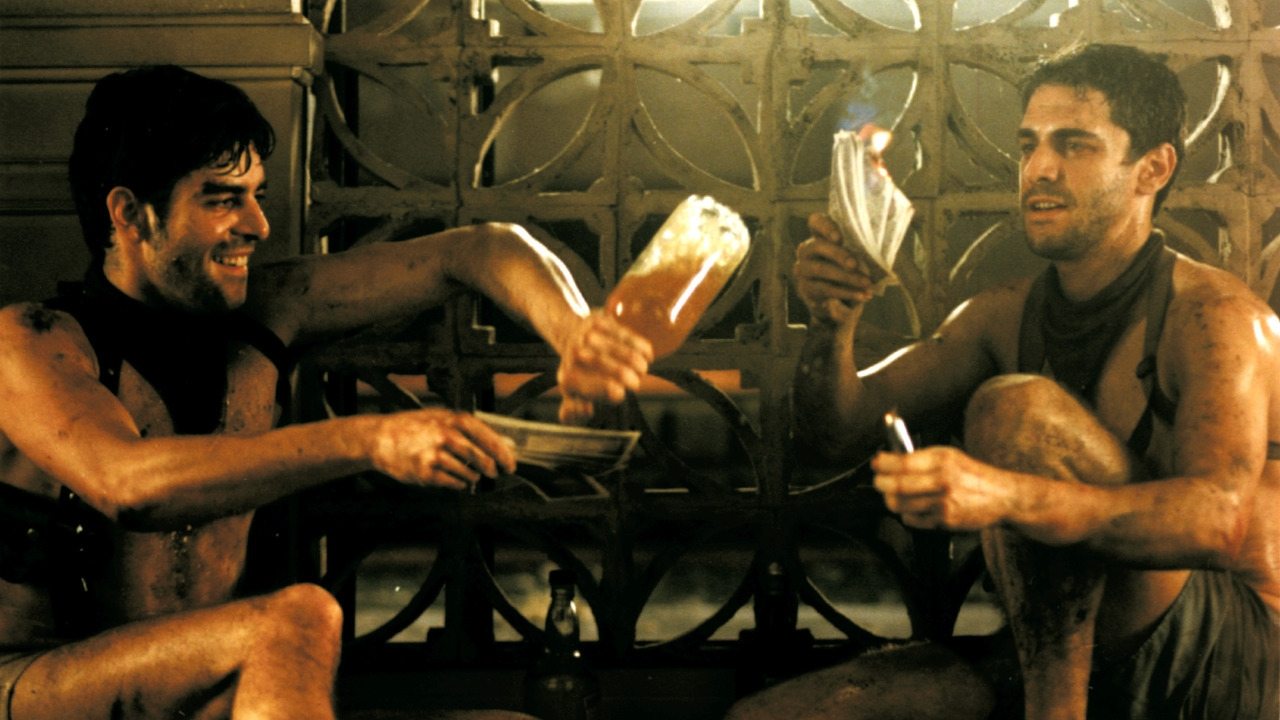
There’s a suffocating heat that radiates from Burnt Money (Plata Quemada), a film arriving just as the new millennium dawned, yet feeling raw and volatile in a way that echoes the most desperate cinematic fugitives of decades past. It’s less a straightforward heist film and more an autopsy of a relationship under impossible pressure, fuelled by adrenaline, paranoia, and a love so intense it borders on combustion. What happens when the fire that binds two souls together also becomes the blaze that consumes them?
A Robbery Gone Wrong, A Love Unravelling
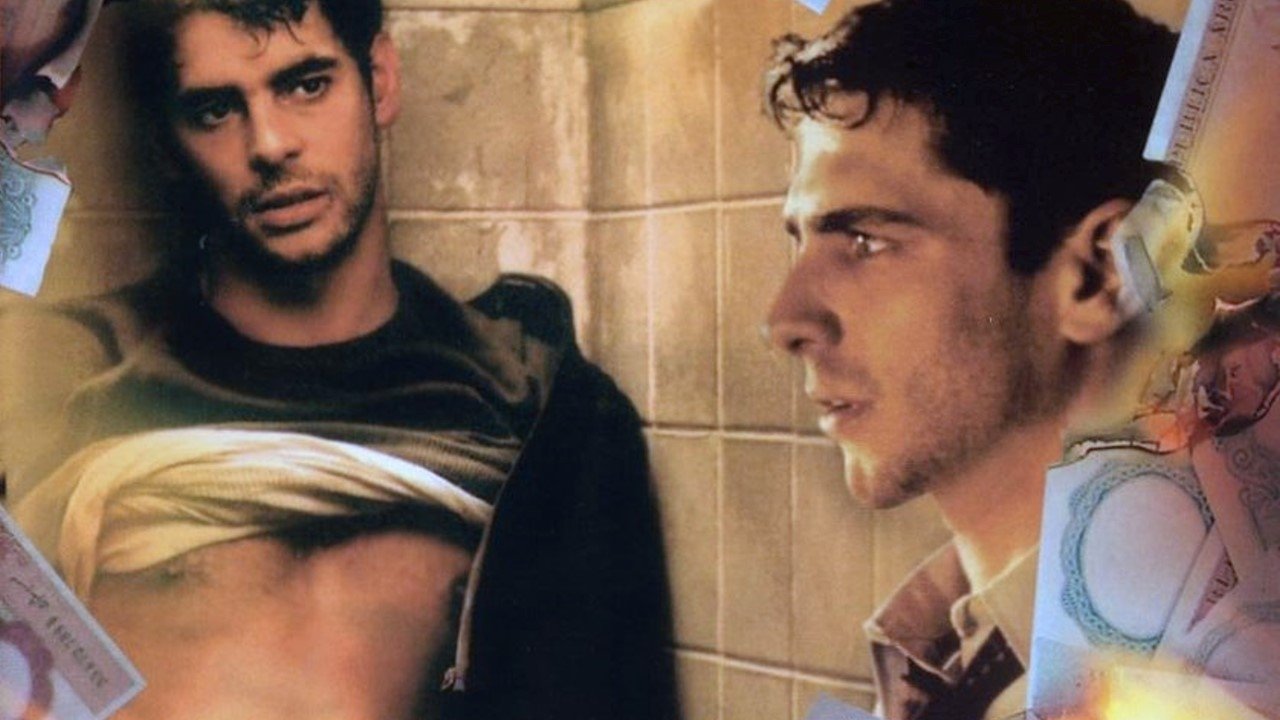
Based on Ricardo Piglia's acclaimed novel, itself drawn from a notorious real-life 1965 crime spree in Argentina and Uruguay, the film plunges us into the world of Ángel (a magnetic, haunted Eduardo Noriega) and Nene (the equally compelling Leonardo Sbaraglia). Known as "The Twins" not for blood, but for an inseparable, deeply intimate bond, they are professional thieves. Ángel hears voices, struggles with visions, and relies on Nene’s fierce protectiveness. Nene, handsome and outwardly more stable, anchors their volatile world. They execute a daring, violent bank robbery alongside the brutish Cuervo (Pablo Echarri) and others, but it immediately spirals out of control, leaving wounded men and a trail of blood. They escape with the cash – the titular "burnt money," stained by violence and betrayal – and flee across the border to Montevideo, Uruguay, forced into hiding in a cramped apartment while waiting for forged passports.
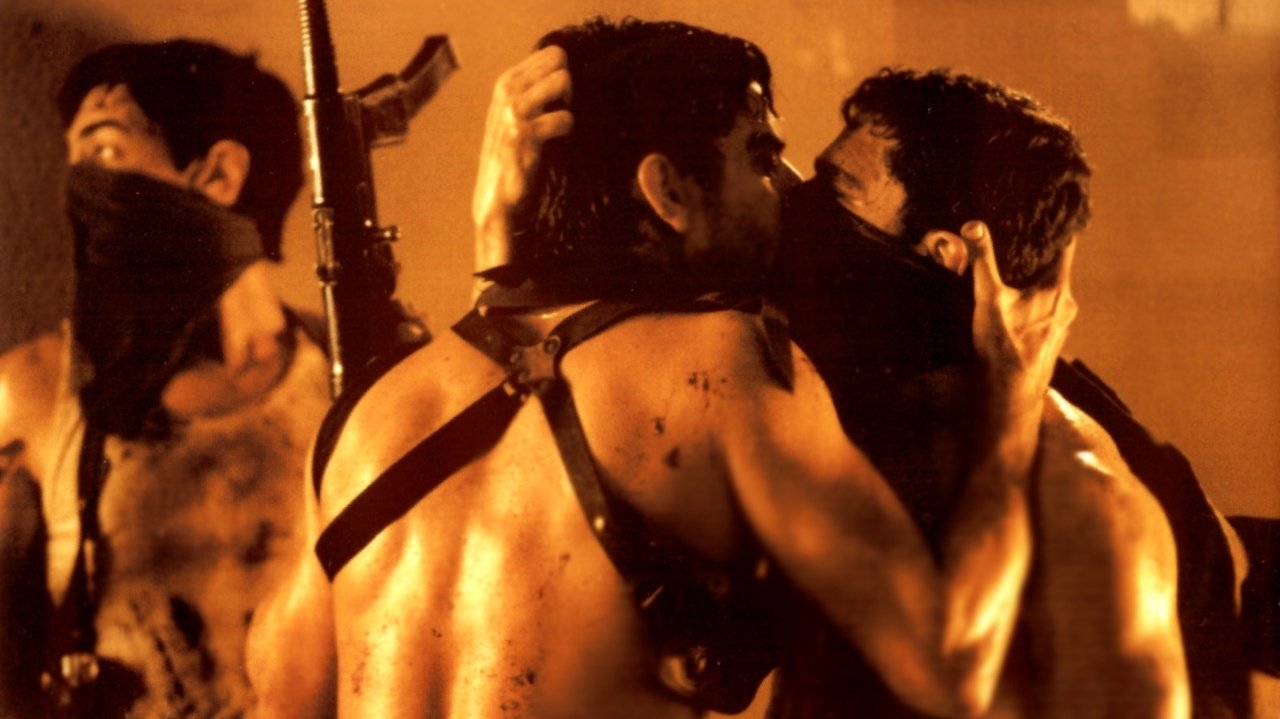
Director Marcelo Piñeyro, who also co-wrote the screenplay with Marcelo Figueras, masterfully uses this enforced confinement. The outside world shrinks, and the apartment becomes a pressure cooker. The tension isn't just about the police closing in; it's about the psychological disintegration of the characters, particularly the fraying connection between Ángel and Nene. Their passionate, complex love affair, portrayed with unflinching honesty, becomes both their sanctuary and their potential undoing.
The Weight of Authenticity
What elevates Burnt Money beyond a standard crime thriller is the ferocious commitment of its leads. Noriega, already a star in Spain from films like Open Your Eyes (1997), brings a fragile intensity to Ángel. His internal battles feel palpable, his reliance on Nene both tender and desperate. Sbaraglia, a major talent in Argentine cinema, matches him perfectly. His Nene is protective but also increasingly strained, capable of both deep affection and sudden violence. Their chemistry is electric, carrying the film through its darkest moments. It’s a portrayal of queer love within a hyper-masculine, violent context that felt groundbreaking for its time and remains powerful today.
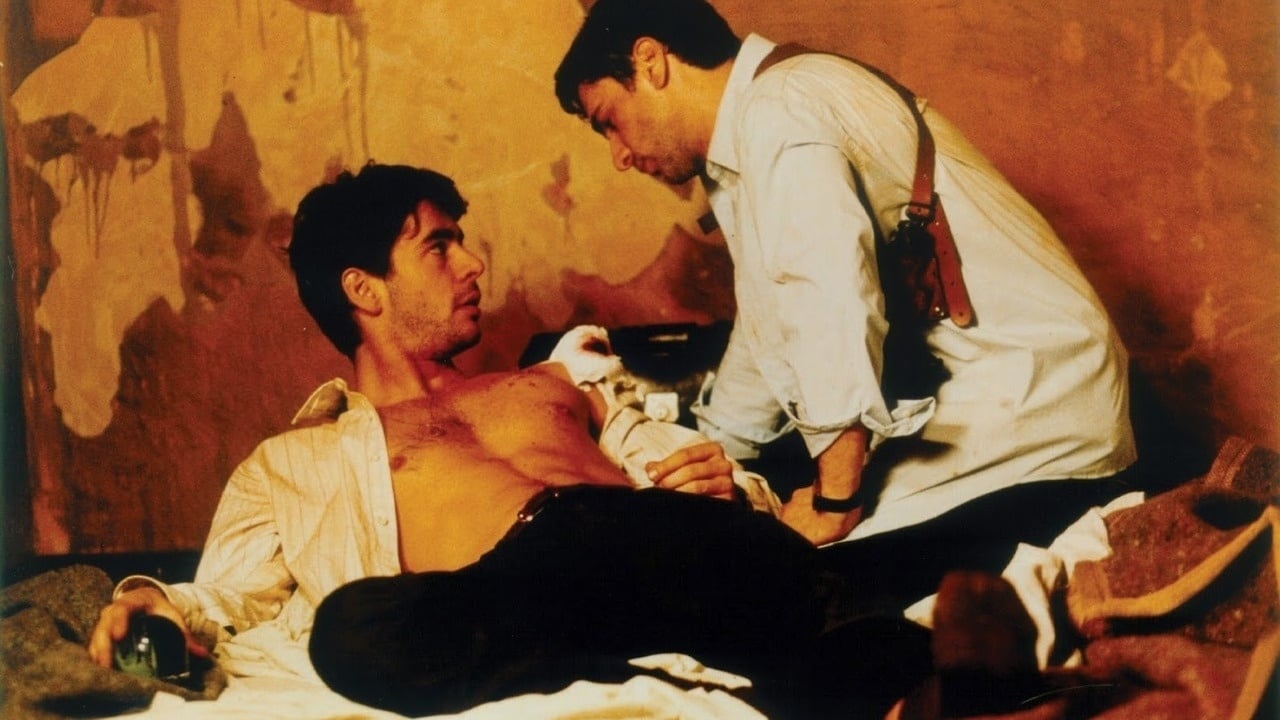
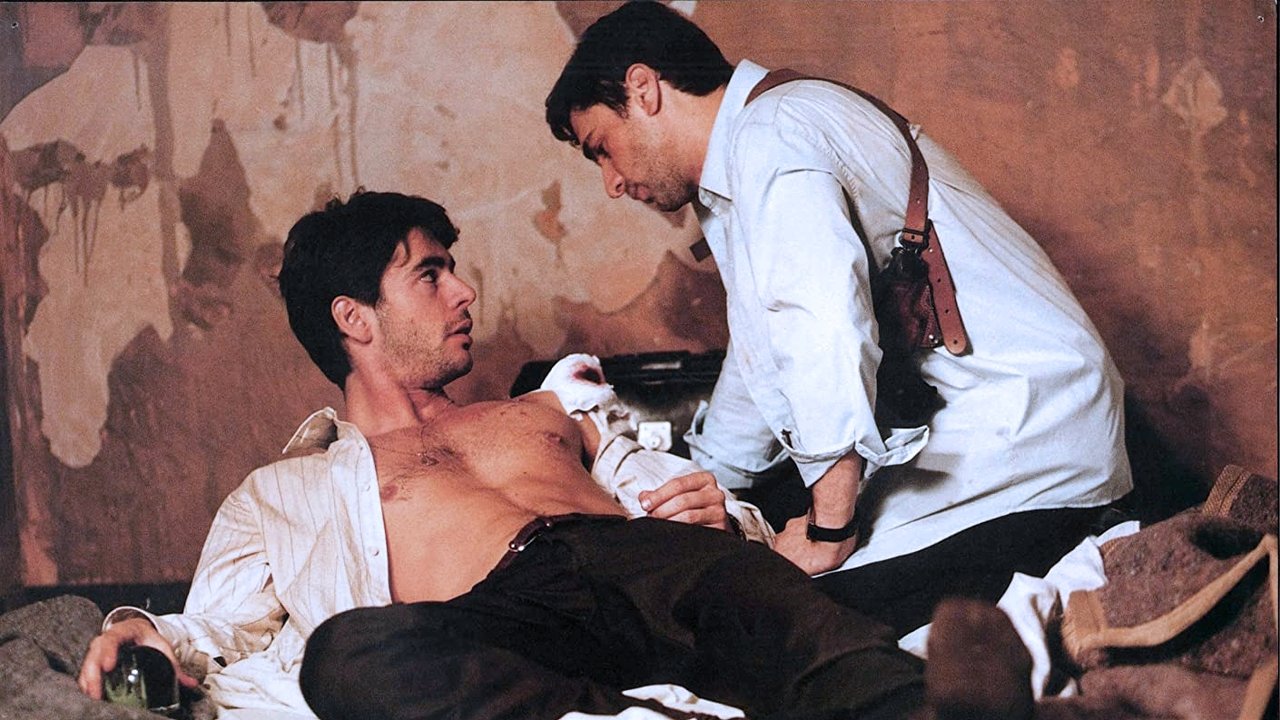
Supporting them, Pablo Echarri's Cuervo is a force of nature – unpredictable, dangerous, and resentful of the bond between the Twins. His presence constantly threatens to shatter the fragile peace within their hideout. The dynamic between these three men forms the explosive core of the narrative.
Echoes of Reality and Production Heat
Knowing the film is rooted in truth adds another layer of chilling resonance. The real criminals, dubbed "los mellizos" (the twins) by the press, engaged police in a lengthy, violent siege in Montevideo after their botched Buenos Aires robbery. The film captures that sense of doomed inevitability. Piñeyro doesn't shy away from the grit or the desperation; the shootouts feel chaotic and brutal, the moments of intimacy raw and exposed.
Interestingly, the film itself wasn't without its struggles. Its explicit depiction of sex, violence, and drug use, alongside its central gay relationship, generated controversy and reportedly faced some hurdles getting made and distributed, particularly outside of Spanish-speaking territories. It eventually found acclaim, winning the Goya Award (Spain's equivalent of the Oscars) for Best Spanish Language Foreign Film. For many of us who missed its limited initial run, it might have been a later discovery on DVD, a potent reminder of the kind of challenging, character-driven international cinema that often bypassed the mainstream multiplex but found a devoted audience through rental stores and home video – the tail end, perhaps, of that golden era of discovery.
More Than Just Crime
Burnt Money delves into themes that resonate deeply: the destructive nature of obsession, the meaning of loyalty when everything is falling apart, the corrosive effect of violence, and the desperate search for connection in a hostile world. Can love survive when it's forged in crime and trapped by circumstance? The film doesn't offer easy answers. The stifling atmosphere Piñeyro creates feels almost tangible, pulling you into the characters' paranoia and desperation. It’s a film that stays with you, unsettling and sad, long after the credits roll.
It might not have the nostalgic sheen of an 80s blockbuster, arriving as it did in 2000, but Burnt Money possesses the kind of raw energy, unforgettable performances, and thematic weight that earns it a place among the most potent crime dramas of its time. It’s a film that feels both specific to its setting and tragically universal in its exploration of flawed humanity pushed to the absolute limit.
Rating: 8.5/10 - This score reflects the film's powerhouse performances, particularly from Sbaraglia and Noriega, its intense, atmospheric direction, and its unflinching exploration of complex themes. It's a demanding watch, certainly not light entertainment, but its raw emotional honesty and tragic trajectory make it a standout piece of modern crime cinema, rooted in a true story that amplifies its impact.
It leaves you pondering the devastating cost of love when intertwined with violence, and the haunting question of whether escape, for souls like Ángel and Nene, was ever truly possible.