Chuck & Buck
There are films that wrap you in a warm blanket of nostalgia, and then there are films that poke at something far more awkward, something buried deep under the comfortable memories. Chuck & Buck (2000) belongs firmly in the latter category. It arrived just as the millennium turned, perhaps missing the peak VHS era for some, but its spirit feels intrinsically linked to the kind of challenging, low-budget independent discoveries you might have stumbled upon in the late 90s video store aisles – the ones that didn't promise explosions or easy answers, but burrowed under your skin and stayed there. This isn't comfort food cinema; it's a profoundly unsettling character study that forces a confrontation with arrested development and the painful distortions of memory.

An Uncomfortable Reunion
The premise is deceptively simple: Buck O'Brien (Mike White, who also penned the sharp, unnerving script) reconnects with his childhood best friend, Charlie (now preferring "Chuck," played by Chris Weitz), at Buck's mother's funeral. While Chuck has moved on – successful music executive, engaged, living a conventional adult life in Los Angeles – Buck seems frozen in time. He still talks like a child, dresses in oversized clothes, and cherishes their shared boyhood memories with an intensity that borders on the pathological. What begins as an awkward reunion quickly spirals into obsession as Buck follows Chuck to LA, determined to rekindle a friendship – and perhaps something more – that Chuck has long since outgrown.
What makes Chuck & Buck so potent, and frankly, so difficult to watch at times, is its unwavering commitment to Buck's perspective. Director Miguel Arteta (The Good Girl, Cedar Rapids) masterfully traps us in Buck's unsettling worldview. Shot for a mere $250,000 on early digital video (specifically, the Sony DSR-PD100), the film possesses a raw, almost vérité quality that enhances the intimacy and discomfort. This wasn't just an aesthetic choice; it was one of the pioneering uses of consumer DV for a feature film intended for theatrical release, lending it an immediacy that feels both dated and timelessly effective, much like finding a cherished but slightly warped home movie. It gives the film a visual texture that feels miles away from slick Hollywood productions, perfectly mirroring Buck's own unpolished, unfiltered nature.
A Performance for the Ages (of Discomfort)
At the heart of the film is Mike White's extraordinary performance as Buck. It's a turn devoid of vanity, deeply vulnerable, and utterly chilling. White embodies Buck's arrested emotional state not just through dialogue, but through his physicality – the wide, naive eyes that can turn vacant or predatory in an instant, the slightly hunched posture, the childlike gait. He makes Buck simultaneously pitiable and terrifying. You see the lonely boy aching for connection, but you also see the alarming lack of boundaries, the inability to grasp social cues, and the simmering resentment beneath the surface innocence. White, who deservedly won the Independent Spirit Award for Best Feature Under $500,000 (alongside producers) and the Waldo Salt Screenwriting Award at Sundance for his script, doesn't shy away from making Buck unlikeable, even repulsive at times. Yet, miraculously, he also finds moments of profound sadness and humanity. Is Buck simply naive, or is there a manipulative edge to his childlike persona? The film leaves that question hanging, making his character all the more haunting.
Contrast this with Chris Weitz as Chuck. Known more perhaps for his directorial work, particularly American Pie (1999) alongside his brother Paul, Weitz delivers a performance grounded in recognisable adult discomfort. He’s the stand-in for the audience, squirming under Buck’s unwanted attention, trying to be polite but increasingly desperate to escape. His reactions – a mixture of pity, fear, and exasperation – feel utterly authentic. The dynamic between White and Weitz is the engine of the film, a masterclass in sustained awkwardness. Special mention must also go to the late, great Lupe Ontiveros as Beverly, the blunt but ultimately sympathetic theatre director who gives Buck a chance to stage his bizarrely autobiographical play, "Hank and Frank." Her grounded performance provides a necessary anchor amidst the escalating tension.
The Play's the Cringeworthy Thing
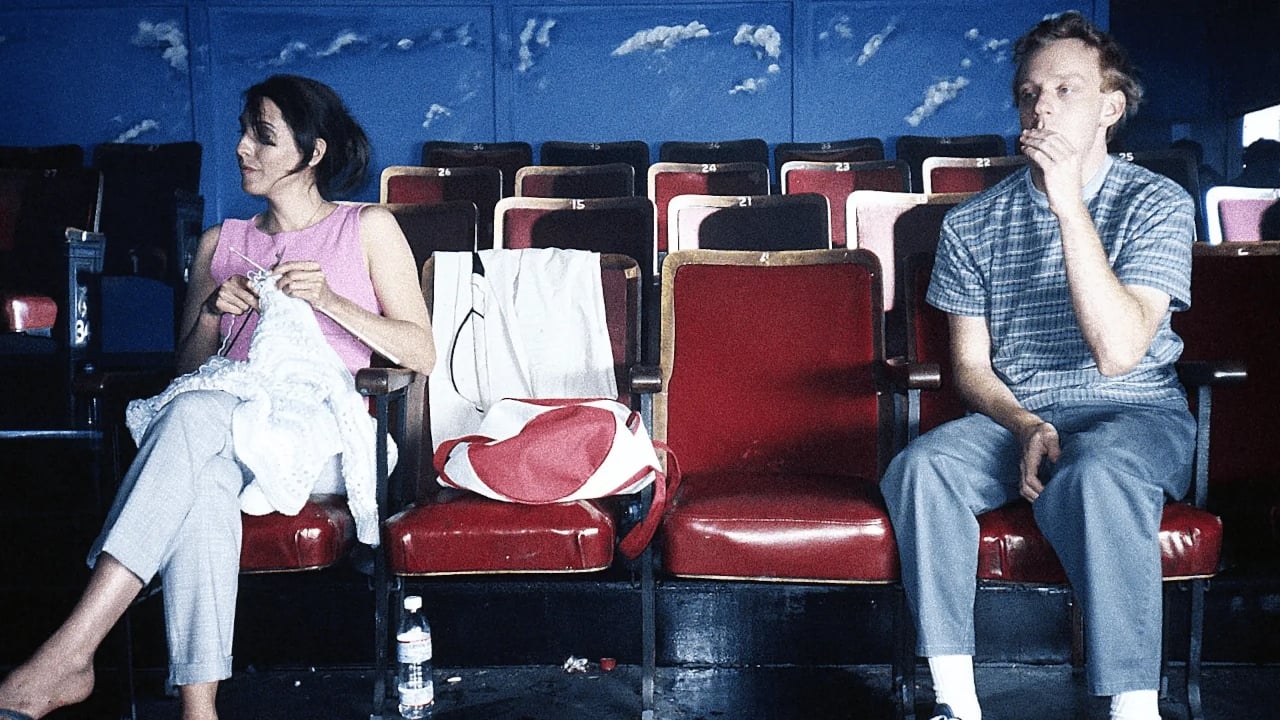
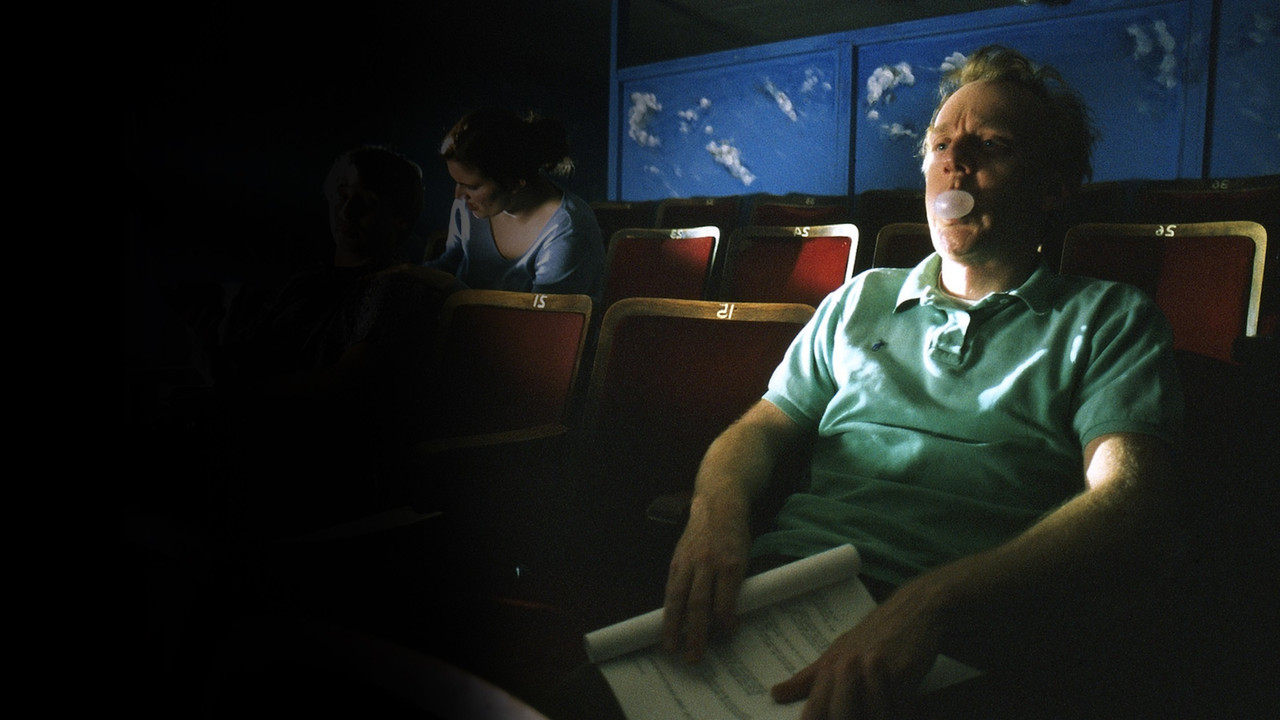
Buck’s attempt to process his feelings (and perhaps manipulate Chuck) through writing and staging a play based on their childhood is one of the film’s most darkly comedic and revealing threads. The play itself, "Hank and Frank," is deliberately amateurish, a raw, uncomfortable projection of Buck's idealized and distorted memories. Watching Buck direct the actors, earnestly trying to capture moments that only truly exist in his own head, is excruciatingly funny and deeply sad. It highlights the profound disconnect between Buck's inner world and the reality Chuck now inhabits. It’s a tangible manifestation of Buck’s inability to move forward, clinging desperately to a past that perhaps never existed quite the way he remembers it. Didn't we all know someone in our youth who seemed stuck, unable to cross the threshold into adulthood gracefully? Buck is perhaps an extreme, unsettling magnification of that phenomenon.
Legacy of Awkwardness
Chuck & Buck wasn't a box office smash, but its influence lingered, particularly within the realm of independent film and what would later be dubbed "cringe comedy." It demonstrated that deeply uncomfortable character studies could be compelling, paving the way for other works that explored social awkwardness and psychological fragility with unflinching honesty. Watching it now, it feels like a vital precursor to shows like Mike White's own later triumph, The White Lotus, which also excels at dissecting uncomfortable social dynamics and flawed characters.

This film is not an easy watch. It doesn't offer simple resolutions or catharsis in the traditional sense. It asks difficult questions about the nature of friendship, the pain of unrequited affection, the sometimes blurry line between innocence and obsession, and the ways our past selves can haunt our present. It’s a film that might make you want to look away, but its raw honesty and Mike White's unforgettable performance demand your attention. It earns its place not just as an early digital filmmaking landmark, but as a challenging, singular piece of American independent cinema that resonates long after the credits roll.
Rating: 8/10 - This score reflects the film's undeniable power, Mike White's astonishingly brave performance, and its unflinching commitment to its uncomfortable premise. It's a near-masterpiece of character study and sustained awkwardness, slightly held back only by the inherent difficulty of the viewing experience itself, which might understandably alienate some.
Final Thought: Chuck & Buck reminds us that sometimes the most unsettling monsters aren't hiding under the bed, but within the human heart, yearning for a connection that time has irrevocably changed.