Double Tap
The crack of the gunshot echoes differently in Double Tap. It’s not the chaotic symphony of a John Woo ballet of bullets, nor the percussive punctuation of a typical cop thriller. It's precise, cold, almost surgical. It’s the sound of obsession honed to a razor's edge, and it chills long after the muzzle flash fades from the screen. Released in 2000, just nudging past our usual 80s/90s cutoff, this Hong Kong psychological thriller feels like a dark evolution of the heroic bloodshed era, trading explosive melodrama for something far more insidious and unsettling.
The Hunter and the Hunted Become One
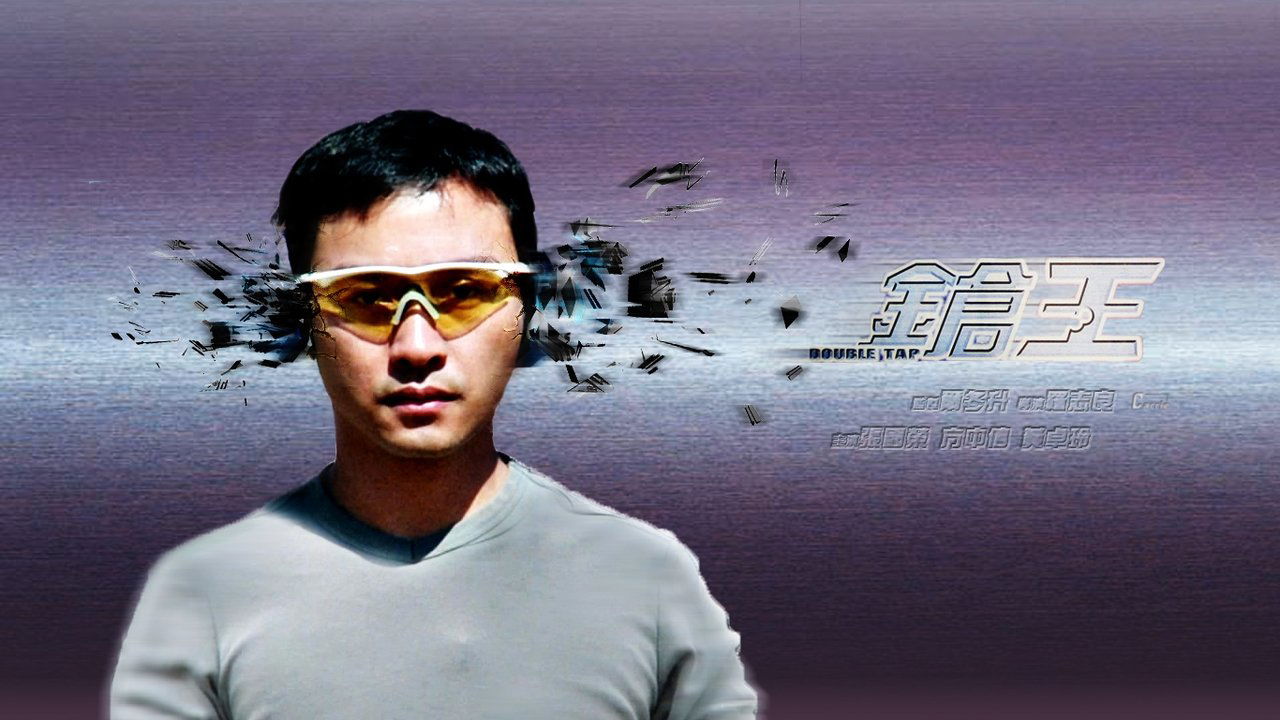
At its heart, Double Tap is a tense two-hander. We meet Rick Pang (Leslie Cheung), a champion marksman whose skill borders on the preternatural. He modifies his own guns, lives for the competition, and views shooting not just as a sport, but as an extension of his very being. Opposite him is Miu Chi-shun (Alex Fong Chung-Sun), a top police inspector and himself a skilled shooter, who recognizes Rick's talent but also senses a dangerous instability beneath the calm exterior. Their paths collide violently when a shooting competition judge goes on a rampage, and Rick, intervening with lethal precision, saves Miu's life but reveals a chilling comfort with killing. The question hangs heavy: was it self-defense, or the awakening of a dormant predator?
Leslie Cheung's Descent
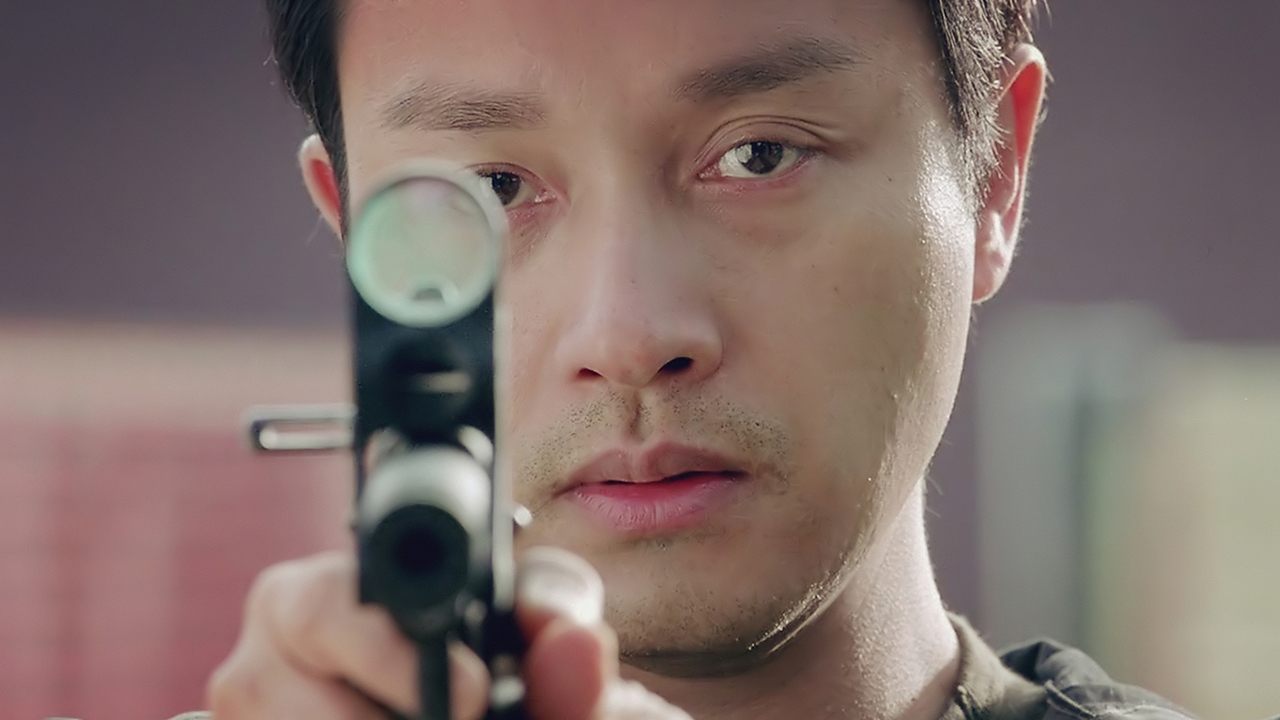
What elevates Double Tap beyond a standard procedural is the haunting central performance. The late, great Leslie Cheung, an icon often associated with romantic leads or tragic heroes (Farewell My Concubine (1993), Happy Together (1997)), delivers a transformation that’s genuinely unnerving. His Rick Pang is initially reserved, almost detached, but as the film progresses, a disturbing glee flickers in his eyes when he discusses the mechanics of killing. He speaks of the adrenaline, the focus, the control, with a passion usually reserved for athletic triumph, twisting it into something monstrous. It’s rumoured Cheung immersed himself deeply in the world of competitive shooting (specifically IPSC - International Practical Shooting Confederation) for the role, and that dedication pays off in his believable handling of firearms and the unnerving intensity he brings. This isn't a cackling villain; it's a man whose ultimate passion has become inextricably linked with taking human life, and Cheung makes that descent utterly compelling, and deeply sad.
Precision Over Spectacle
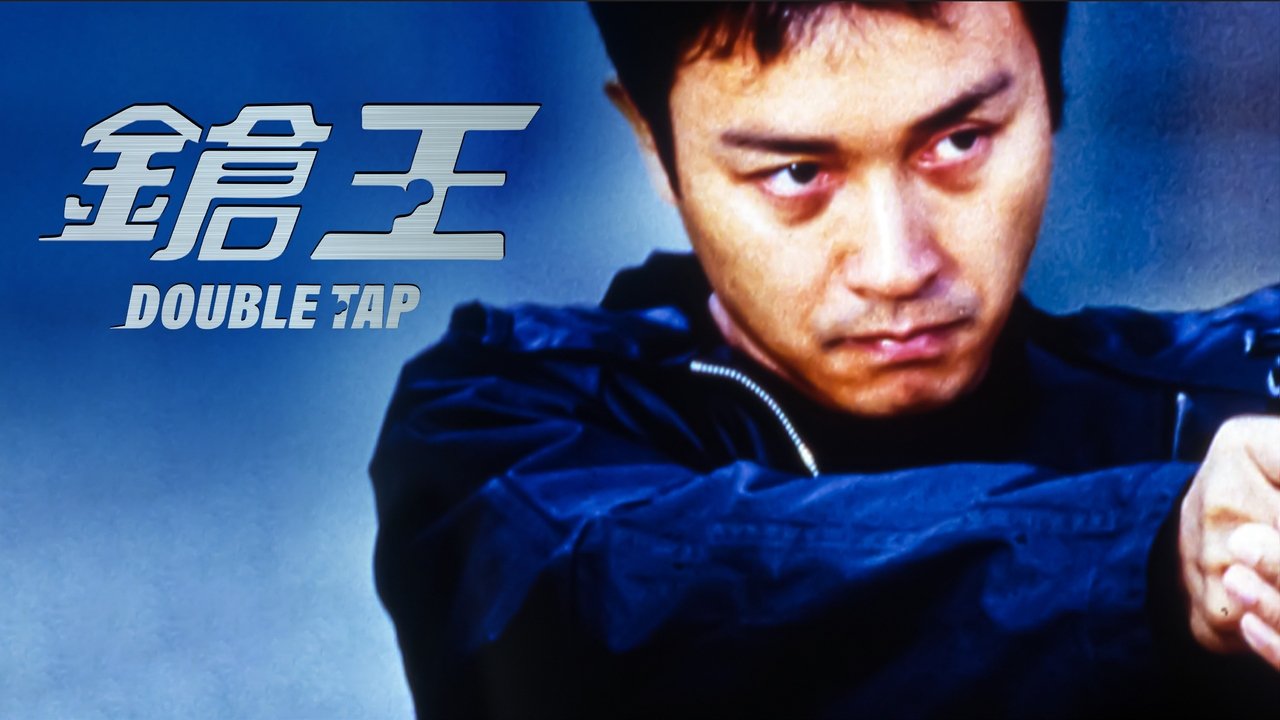
Director Law Chi-leung, working from a script co-written with producer Derek Yee (a filmmaker known for his gritty realism in films like Protégé (2007)), doesn't rely on flashy pyrotechnics. The action sequences, particularly the shooting competition scenes and the later confrontations, are filmed with a stark clarity. The focus is on the act of shooting – the stance, the breathing, the trigger discipline, the titular "double tap" technique (two quick, aimed shots to ensure a target is neutralized). This meticulous approach mirrors Rick’s own obsession, drawing the viewer into his headspace. The sound design is crucial here; the sharp report of the customized pistols, the clatter of ejected shells, the almost silent tension before the trigger pull – it all builds an atmosphere thick with dread rather than just adrenaline. There's a coldness to the film's visual palette, often favouring blues and greys, that underscores the psychological chill.
A Dark Reflection
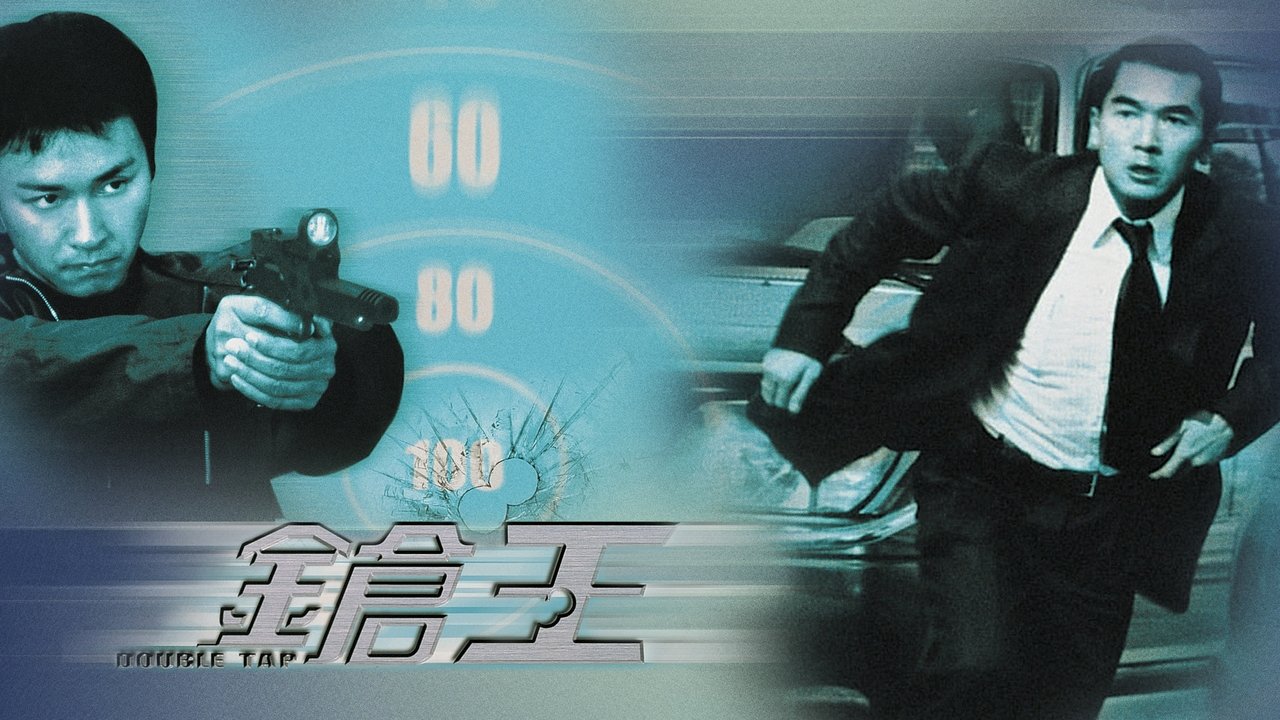
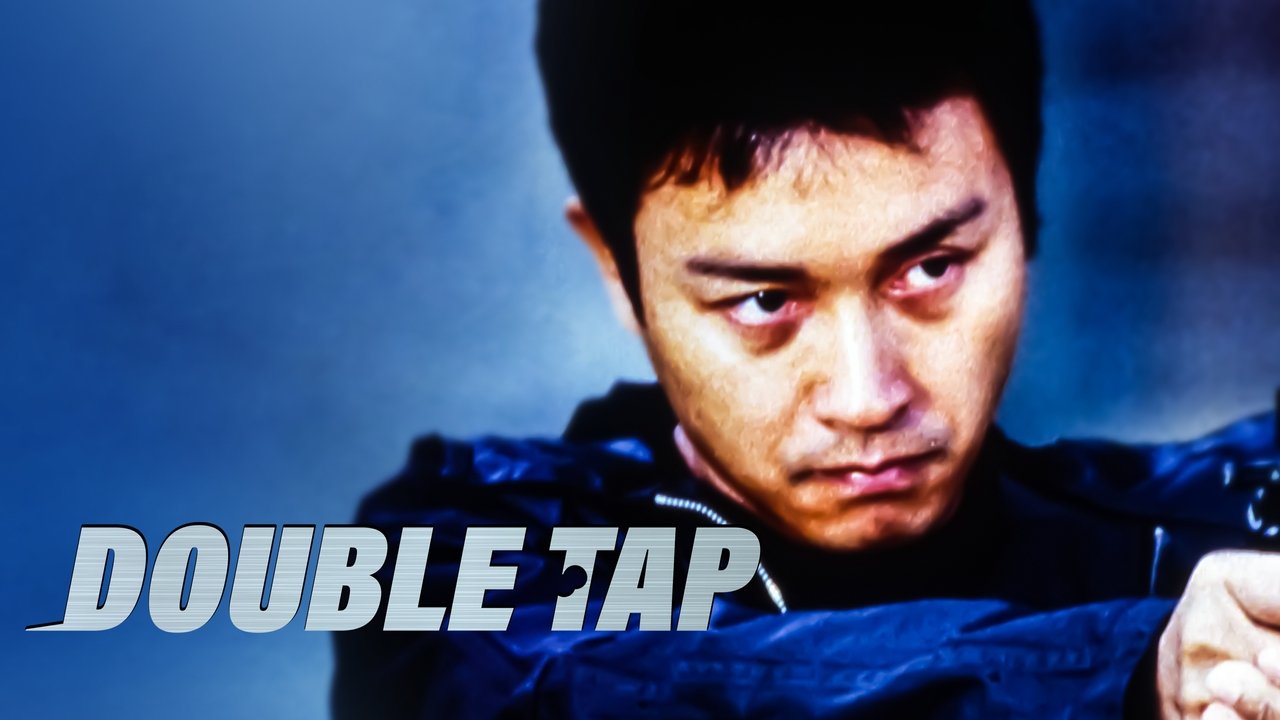
While not packed with the kind of behind-the-scenes chaos often associated with 80s HK actioners, the production itself reflects the film's themes of precision. Getting the technical aspects of IPSC shooting right was reportedly a major focus, lending an authenticity that grounds the more psychological elements. The film cleverly uses the structure of competitive shooting – the stages, the scoring, the pressure – as a metaphor for the deadly game unfolding between Rick and Miu. Alex Fong provides a solid counterpoint as the increasingly troubled Inspector Miu, the moral center trying to comprehend and stop a man who embodies the darkest potential of his own skills. Their relationship is less cat-and-mouse, more like two sides of the same coin, separated only by a moral compass.
Lingering Chill
Double Tap might lack the sheer kinetic energy of its predecessors, but it replaces it with a creeping psychological horror. It asks uncomfortable questions about the nature of skill, obsession, and the thin line between control and violence. Watching it again, years later, Leslie Cheung's performance feels even more poignant and powerful. It’s a stark reminder of his incredible range, tackling a role far removed from his usual screen persona with chilling effectiveness. Doesn't that quiet intensity still feel more unnerving than overt theatrics?
Rating: 8/10
This score reflects a gripping psychological thriller anchored by a phenomenal lead performance and a distinct, chilling atmosphere. It earns its points through its tight focus, unnerving tension, and Leslie Cheung's unforgettable portrayal of obsession curdling into monstrosity. While perhaps less explosive than some might expect from the HK action scene, its deliberate pacing and psychological depth make it a standout.
Double Tap remains a potent and disturbing piece of Hong Kong cinema, a turn-of-the-millennium thriller that traded bombast for a far more insidious, precisely aimed shot to the nerves. It’s a film that reminds us sometimes the scariest monsters are the ones who look perfectly composed, right up until they pull the trigger.