Making Love
Okay, pull up a comfy chair, maybe pour yourself something warm. Tonight, we're digging into a film that might have slipped past many radars back at the turn of the millennium, existing in that twilight zone between the dying days of VHS and the dawn of DVD. It’s a poignant piece, less a blockbuster memory and more like finding a faded photograph tucked inside an old book – the 2000 Italian production Canone Inverso, often known by its English title, Making Love. And right off the bat, let's clear the air: this isn't the 1982 Arthur Hiller drama of the same English name that tackled very different themes. No, this is something else entirely – a sweeping, music-drenched romance set against the looming shadow of war, directed by Ricky Tognazzi.
Echoes of Melody and Memory
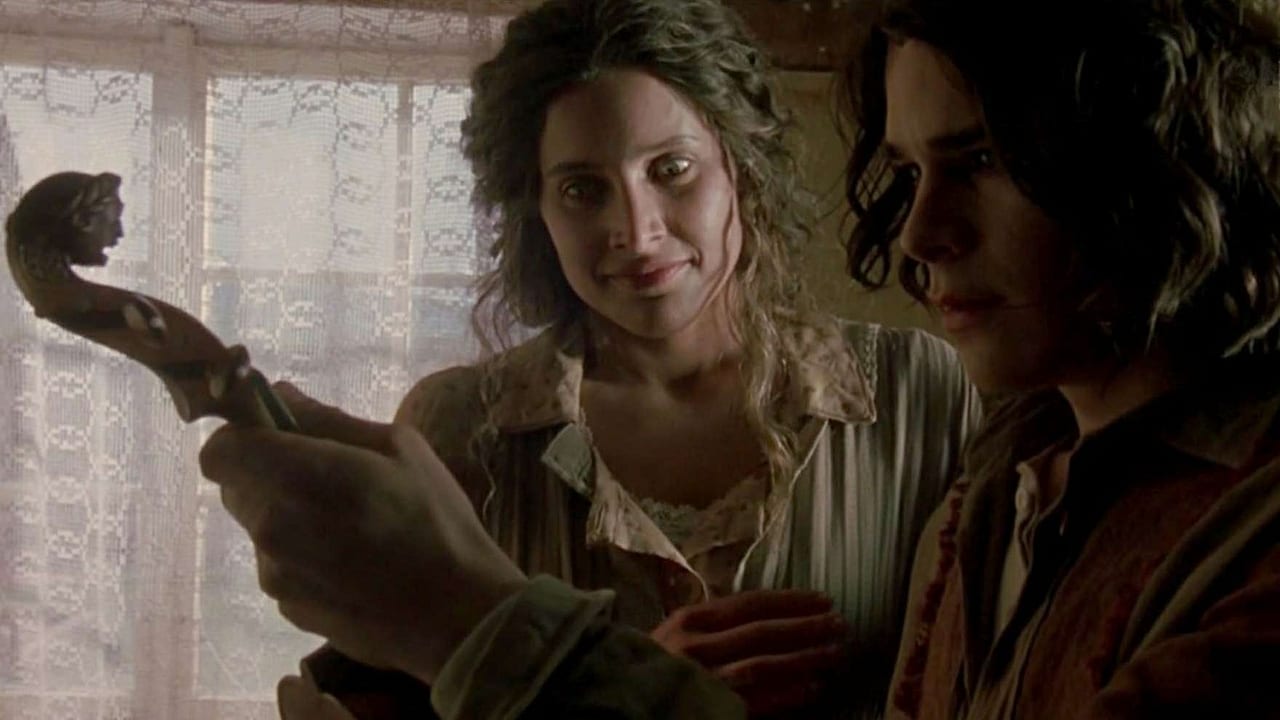
What strikes you first about Canone Inverso isn't explosive action or snappy one-liners, but its deeply melancholic atmosphere. The story unfolds through layers of memory, beginning in post-war Prague where a unique violin, sold at auction, triggers a recollection of events from the late 1930s. It's a narrative structure built like the musical form its title references – a "reverse canon," where themes and moments echo across time. We're drawn back to a world on the brink, where music offers both escape and a fateful connection for its young protagonists. The film leans heavily into this sense of looking back, of piecing together a story fragmented by time and tragedy, which resonates strongly with that reflective mood we often get when revisiting films from our past.
A Triangle Forged in Conflict
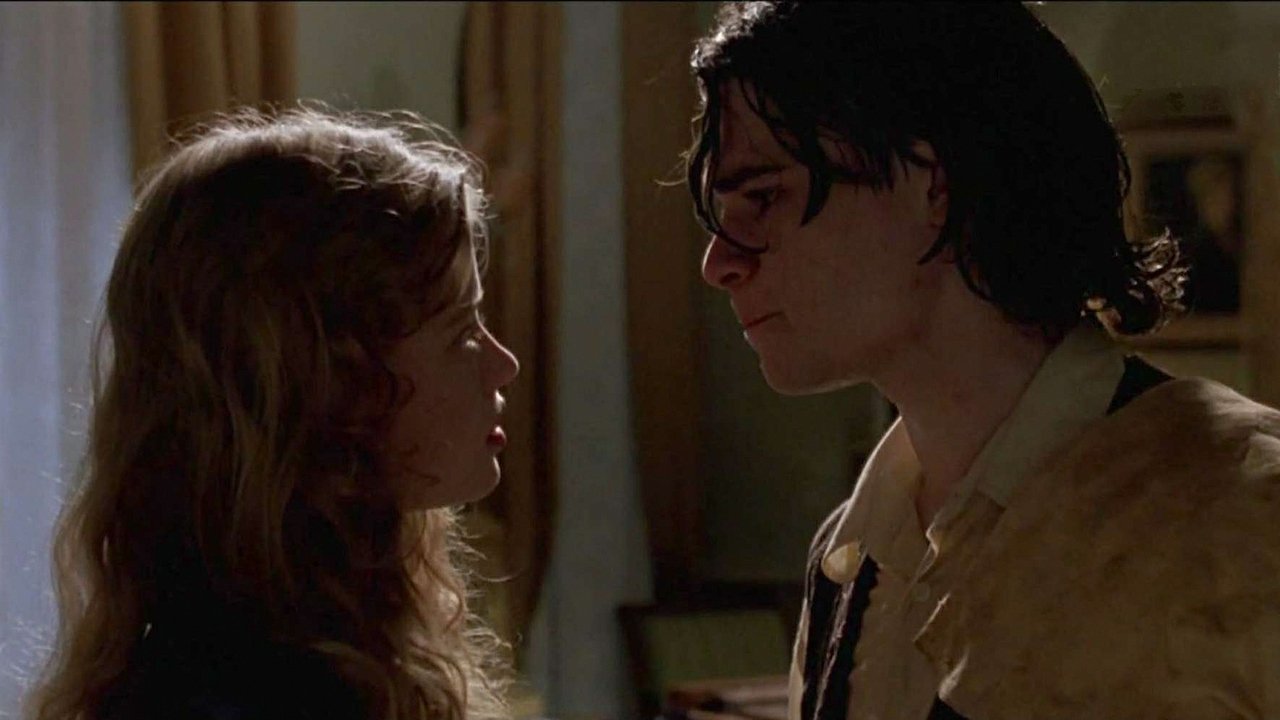
At the heart of the story is a passionate, complex love triangle set within the walls of a prestigious music conservatory. Jeno Varga (Hans Matheson) is a gifted, intense violinist haunted by his mysterious parentage. He finds himself drawn to the captivating Sophie Levi (Mélanie Thierry), a talented pianist whose Jewish heritage places her in increasing danger as Nazi influence grows. Complicating matters is David Blau (Lee Williams), Jeno's friend and rival, who also harbours deep feelings for Sophie. Their intertwined destinies play out against the backdrop of rising political tension, where personal passions collide with historical forces far beyond their control. It’s a classic setup, but the film imbues it with a specific gravity, asking us to consider how love and art endure, or are tragically altered, by the brutalities of the world stage.
Performance as Passion
The emotional weight rests heavily on the young leads, and they deliver with remarkable conviction. Hans Matheson, who many might remember from films like Les Misérables (1998) or later in Sherlock Holmes (2009), fully embodies Jeno's fiery talent and inner turmoil. There's a raw vulnerability beneath his arrogance that makes his journey compelling. Mélanie Thierry, luminous and expressive, captures Sophie’s spirit and the impossible choices she faces. You feel the chemistry, the unspoken tensions, and the genuine affection between these characters. Lee Williams provides a solid counterpoint as David, balancing friendship with rivalry and longing. Their performances feel authentic, grounding the potentially operatic plot in believable human emotion. You see the hope, fear, and desperation flicker in their eyes, making their fates genuinely affecting.
Behind the Music
Directed by Ricky Tognazzi, himself an actor and the son of legendary Italian comedic actor Ugo Tognazzi, the film benefits from a sure directorial hand. Tognazzi, working from Paolo Maurensig's novel, crafts a visually rich experience, making excellent use of stunning Prague locations that lend an air of timeless European beauty and encroaching dread. But perhaps the most vital "character" in the film is its score, composed by the incomparable maestro Ennio Morricone. Known for everything from searing Spaghetti Western themes (The Good, the Bad and the Ugly) to haunting melodies (The Mission), Morricone delivers a score here that is utterly central to the narrative. The music isn't just background; it is the passion, the connection, the very soul of the characters. The violin pieces, performed with fiery intensity (dubbed, of course, but visually convincing thanks to Matheson's commitment), drive the plot and convey emotions words often fail to capture. Finding this film back in the day, perhaps on a specialty label VHS or a late-night TV broadcast, might have felt like unearthing a hidden gem, especially for Morricone devotees. It apparently cost around $10 million to make, a substantial sum for an Italian production at the time, much of which is visible in the gorgeous period detail and location work.
Lingering Harmonies
Canone Inverso - Making Love might not have the instant recognition factor of the big 80s or 90s hits we usually celebrate here at VHS Heaven. Its 2000 release places it just at the cusp of a new era. Yet, its themes of enduring love, the power of art against adversity, and the haunting nature of memory feel timeless. It’s a film that might have been a rewarding discovery for the discerning renter browsing the "Foreign Films" or "Drama" sections, offering something deeper and more emotionally resonant than the usual multiplex fare. Its relative obscurity in English-speaking markets almost adds to its charm now – a reminder of a time when discovering films felt more like a treasure hunt.
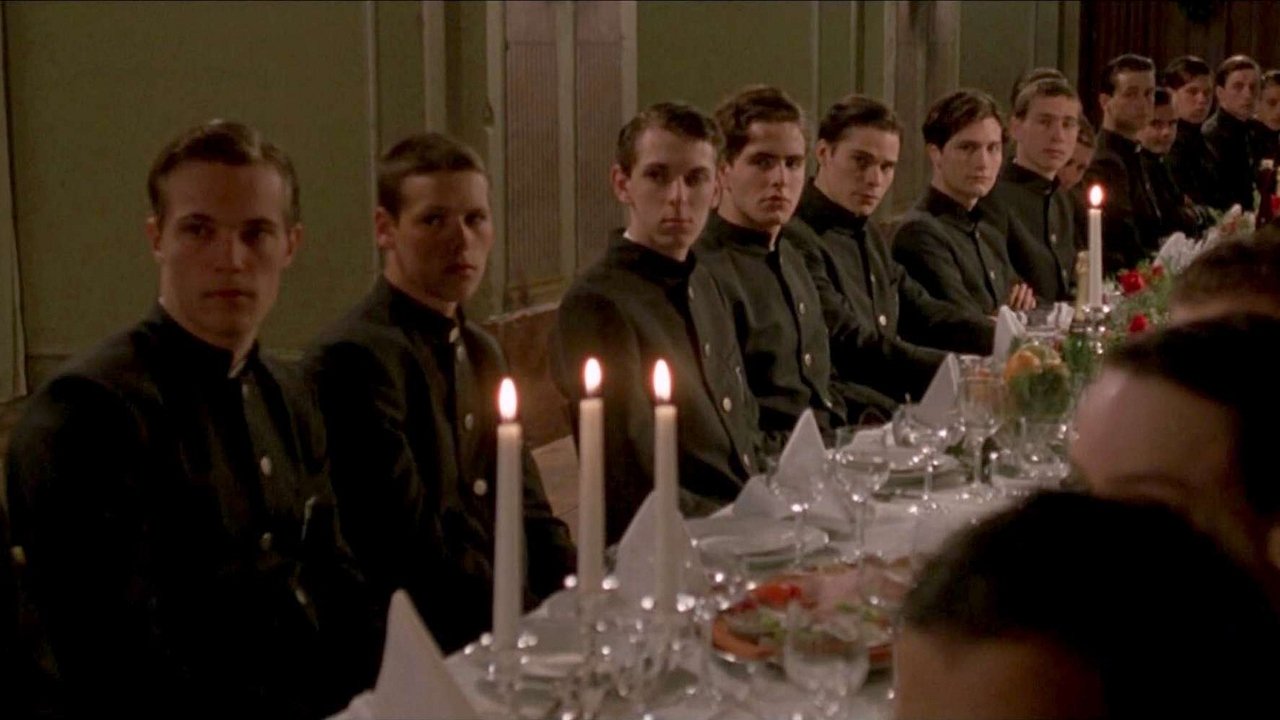
Does the somewhat melodramatic plot occasionally stretch credulity? Perhaps. But the strength of the performances, the evocative direction, and Morricone's breathtaking score elevate it considerably. It asks us to consider the legacies we leave behind, the stories held within objects, and the way music can transcend even the darkest of times. What melody lingers longest after the credits roll?
Rating: 8/10 - This score reflects the film's high artistic merit, particularly its stunning score, strong performances, and evocative atmosphere. It's a beautifully crafted, emotionally resonant piece that might have been overlooked but richly rewards viewing, justifying its place as a potential late-era VHS discovery for fans of serious drama and romance.
Its final notes resonate with a profound sense of bittersweet beauty, a reminder that some stories, like melodies, echo long after they've seemingly concluded.