Nico and Dani
Okay, pull up a chair, maybe grab a glass of something cool. Let's talk about a film that arrived just as the credits were rolling on the 90s, a quiet tremor before the full digital dawn reshaped how we watched movies. We're stepping just over the threshold into the year 2000 for Nico and Dani, or as it was known in its native Spain, Krámpack. It might not have been the tape you rented every Friday night, perhaps more likely discovered nestled in the "World Cinema" section of a discerning video store or caught flickering on late-night TV, but its gentle observations about the confusing twilight of adolescence linger with a surprising warmth. Does the memory of those long, hazy summers, stretched thin between boredom and burgeoning change, stir anything in you? This film lives in that exact space.

That Endless Summer Feeling
The premise is deceptively simple: Nico (Fernando Ramallo) spends the summer at the quiet coastal home of his best friend, Dani (Jordi Vilches). Their parents are away, leaving the boys to navigate the humid days, awkward encounters with girls, and the charged, shifting currents of their own intensely close bond. Director Cesc Gay, in his solo feature debut (he'd later give us the wonderful Truman in 2015), masterfully crafts an atmosphere thick with unspoken feelings. It’s less about explosive drama and more about the spaces between words, the shared glances, the comfortable silences that suddenly feel less comfortable. The film feels sun-drenched and lazy, mirroring that teenage drift where days bleed together, marked only by minor incidents that somehow feel seismic at the time. Filmed around Castelldefels near Barcelona, the location itself becomes a character – the sleepy beach town providing a seemingly idyllic backdrop for internal turmoil.
The Truth in Awkward Glances
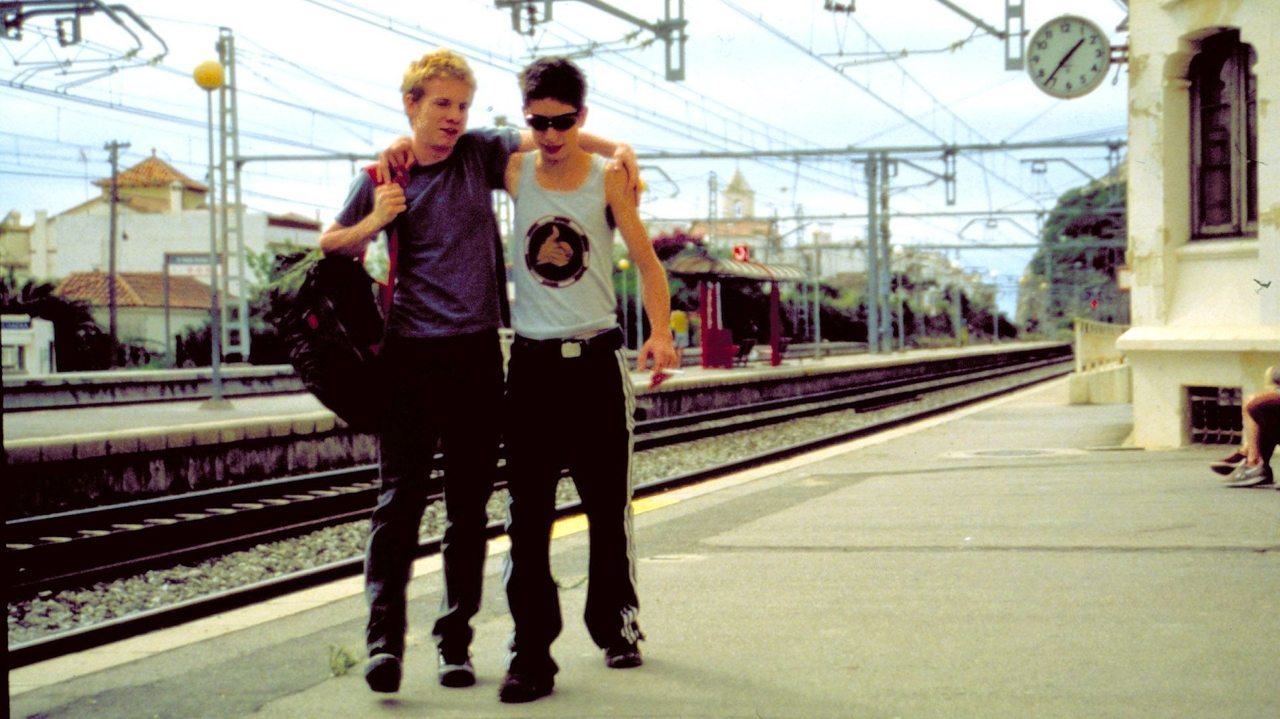
What truly elevates Nico and Dani beyond a standard coming-of-age tale are the central performances. Fernando Ramallo, who some might remember from La buena vida (1996), embodies Nico's dawning awareness and quiet confusion with remarkable subtlety. He’s the observer, the one processing the subtle shifts in their dynamic. Opposite him, Jordi Vilches as Dani is perhaps more outwardly adolescent – boisterous, focused on girls (or pretending to be), yet radiating an underlying vulnerability. Their chemistry feels utterly authentic; you believe completely in their shared history, their inside jokes, their easy intimacy that slowly becomes complicated. It’s a testament to both actors and Gay’s direction that their interactions never feel forced or overly scripted. We also see Marieta Orozco as Elena, one of the girls who enters their orbit, adding another layer to their summer of tentative explorations. There's a distinct lack of melodrama here; the film trusts its audience to understand the weight of small gestures and unspoken anxieties.
A Gentle Exploration
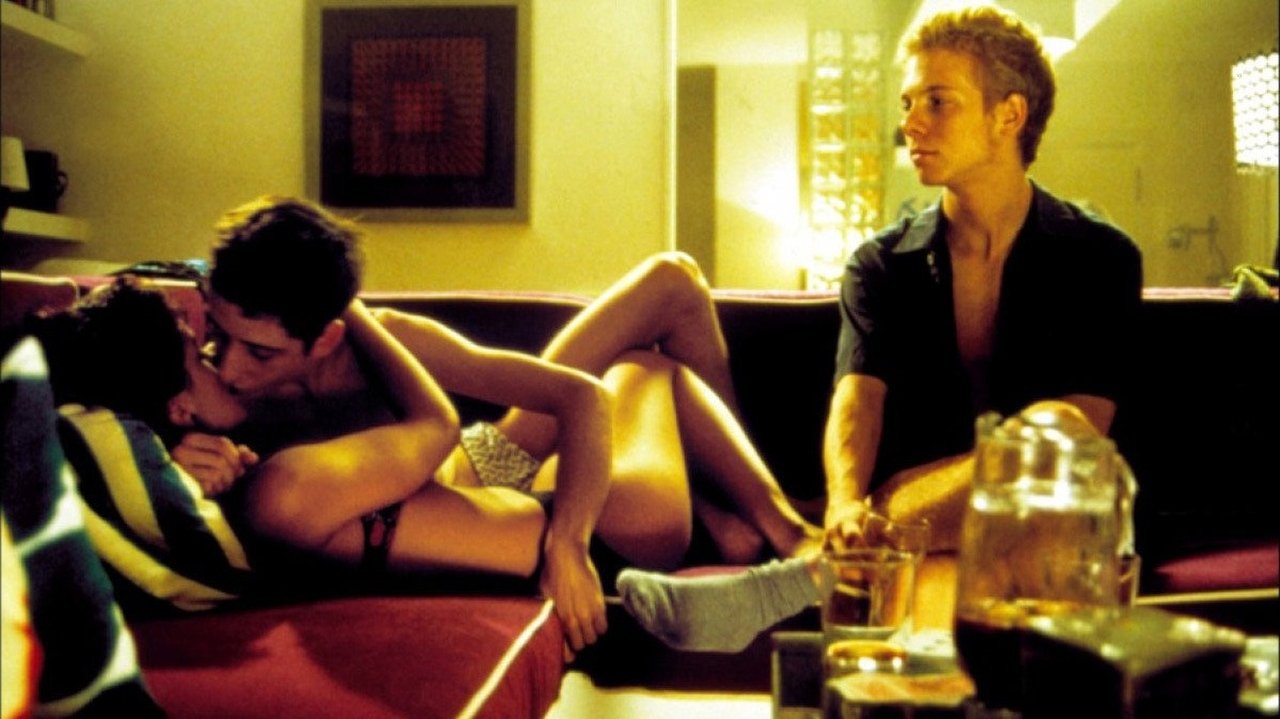
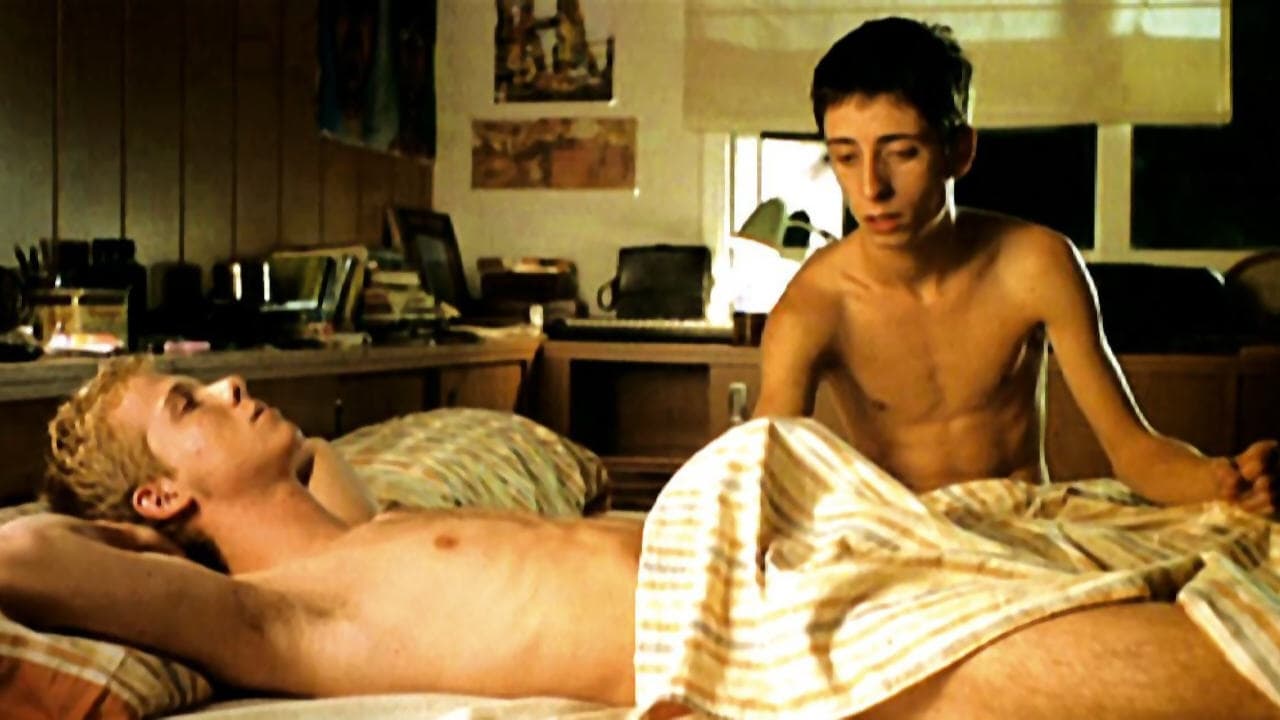
At its heart, Nico and Dani is about that delicate, often confusing period where deep friendship brushes against the first stirrings of sexual curiosity and the daunting task of figuring out who you are. The film handles Nico's burgeoning feelings for Dani with incredible sensitivity and realism, avoiding clichés and easy answers. It’s not presented as a grand tragedy or a scandalous secret, but as a natural, albeit confusing, part of growing up for these specific characters. It’s interesting to note the original Spanish title, Krámpack. Reportedly derived from Catalan slang for inseparable friends (perhaps linked to a popular backpack brand of the era), it perfectly encapsulates that intense, almost suffocating closeness of teenage best friendships, the very closeness the film explores as it begins to fracture and reform. This nuanced approach likely stems from its origins as a play by Jordi Sànchez (an actor now hugely famous in Spain for comedy roles, showing his dramatic writing chops here), allowing the character dynamics and dialogue to feel lived-in and authentic.
From Stage to Screen, Cannes to Cable
Adapting a play can be tricky, sometimes feeling stage-bound, but Cesc Gay, co-writing with Tomàs Aragay, opens it up beautifully, letting the coastal setting breathe and using the visual language of film to convey what dialogue cannot. The naturalistic style, possibly aided by what was likely a modest budget, feels perfectly suited to the intimate story. It’s the kind of filmmaking that doesn’t shout for attention but draws you in quietly. Its quality was recognized early on, premiering in the prestigious Directors' Fortnight section at the 2000 Cannes Film Festival and picking up awards elsewhere. It signaled Cesc Gay as a director with a keen eye for human relationships and understated emotion, a promise he certainly fulfilled in his subsequent career. Was this a massive hit? No, but its quiet arrival marked it as a thoughtful entry in Spanish cinema at the turn of the millennium.
Finding a Spot on the Shelf
So, how does a Spanish arthouse film from 2000 fit into "VHS Heaven"? While maybe not a quintessential 80s blockbuster or 90s cult classic found on every rental shelf, it represents that fascinating transition period. VHS was still king, especially outside major cities or for non-mainstream titles. Nico and Dani feels like the kind of film you might have stumbled upon, perhaps recommended by a clued-in video store clerk, or recorded off a late-night channel. It carries the DNA of thoughtful 90s indie filmmaking into the new decade. It’s a reminder that even as the formats changed, compelling stories about universal experiences – like the bittersweet ache of growing up – continued to find their way to our screens. It captures a moment, both in filmmaking and in the shared experience of adolescence, that feels timeless, even viewed through a nostalgic lens.
Rating: 8/10
This score reflects the film's exceptional sensitivity, the authentic and deeply felt performances from its young leads, and Cesc Gay's assured, understated direction. It tackles complex themes with a rare gentleness and honesty, creating a palpable atmosphere of adolescent summer haze and quiet heartbreak. It avoids easy answers, trusting the viewer to sit with the characters' ambiguities. While perhaps too low-key for some, its emotional resonance is undeniable and earns it a strong recommendation.
It leaves you reflecting not just on the characters, but perhaps on your own fleeting summers of youth – those moments of intense connection, confusing change, and the bittersweet knowledge that nothing, not even the closest krámpack, stays the same forever.
You Might Also Enjoy
Edge of Seventeen
1998
Show Me Love
1998
Molly
1999
Love & Basketball
2000
St. Elmo's Fire
1985
Kimagure Orange Road: I Want to Return to That Day
1988
Moonlight and Valentino
1995
Beautiful Girls
1996
Jerry Maguire
1996
The Evening Star
1996
The Mirror Has Two Faces
1996
As Good as It Gets
1997
Fever Pitch
1997
Love Jones
1997