No More School
Okay, settle in and rewind with me for a moment. While the shelves of "VHS Heaven" are usually stocked with the comforting hum of tapes strictly from the 80s and 90s, sometimes a film arrives right on the cusp, capturing the exact feeling of an era ending, both on screen and in our own lives. Marco Petry's Schule (released internationally, often with the slightly less evocative title No More School) landed in 2000, technically kicking off a new millennium, but spiritually? It feels deeply connected to that late-90s wave of teen introspection, carrying the torch just as the credits rolled on one decade and began on another. I remember catching this one, maybe not on a worn-out VHS, but certainly during that transitional period where DVD was nudging tapes aside, yet the vibe felt familiar. It captures something potent about that specific precipice: the end of secondary school.

The Bittersweet Symphony of Finals
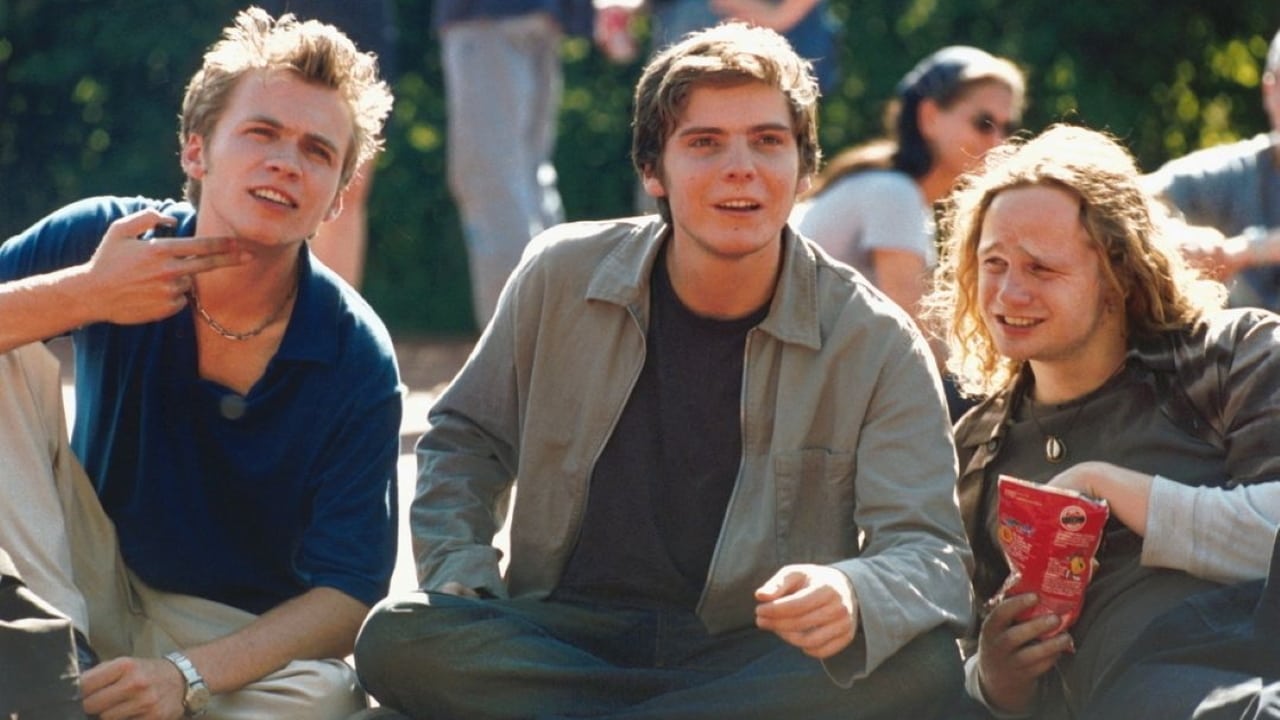
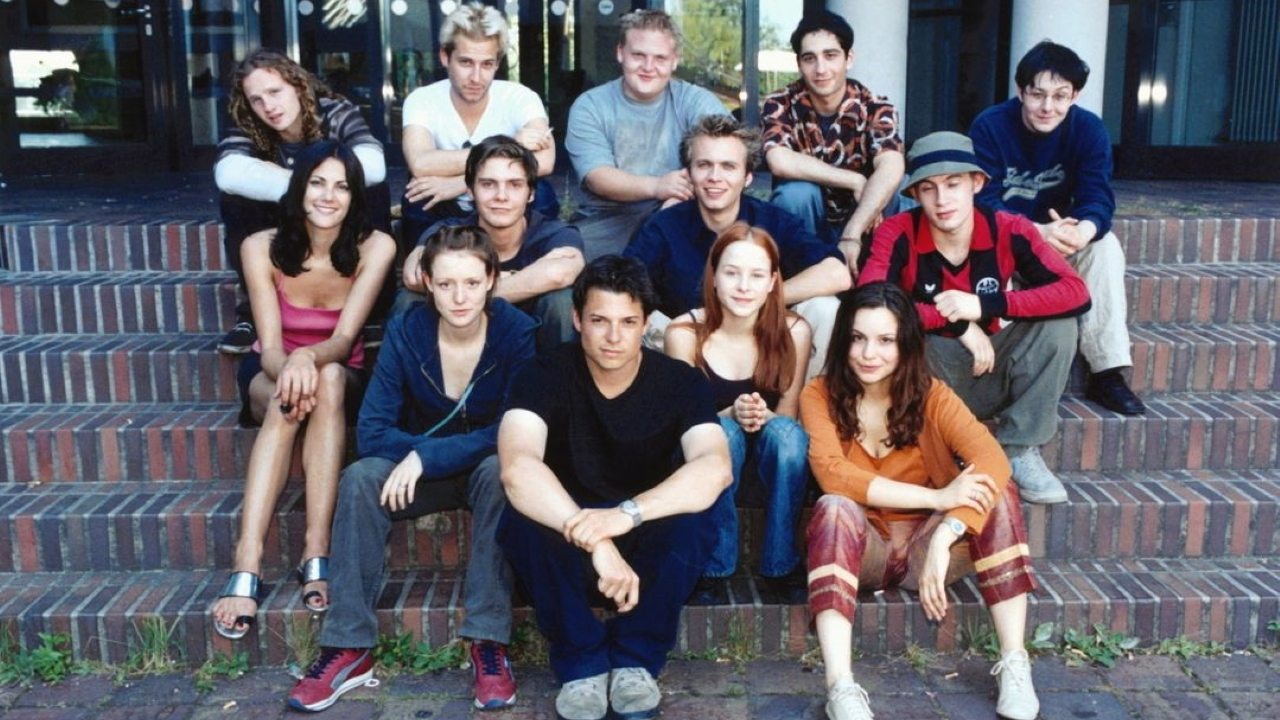
Remember that feeling? The weird cocktail of liberation and sheer panic that washes over you during those last few weeks of school? No More School distills that sensation with surprising honesty. Set against the backdrop of the looming Abitur – Germany's rigorous university entrance exams – the film follows a circle of friends navigating final assignments, burgeoning romances, anxieties about the future, and the desperate urge to make these last shared moments count. There's Markus (Daniel Brühl), smart but adrift; his best mate Stone (Niels-Bruno Schmidt), embracing a chemically-enhanced detachment; the conflicted Sandra (Jasmin Schwiers), caught between Markus and popular jock Dirk; and a constellation of other familiar high-school archetypes, all rendered with a distinctly European nuance. The plot isn't revolutionary – parties, hookups, heartbreaks, confrontations – but it’s the atmosphere Petry cultivates that resonates. It’s less about grand dramatic arcs and more about the subtle shifts in friendships, the unspoken fears, and the often-absurd quest for meaning when everything feels like it's about to change forever.
Before He Was Baron Zemo
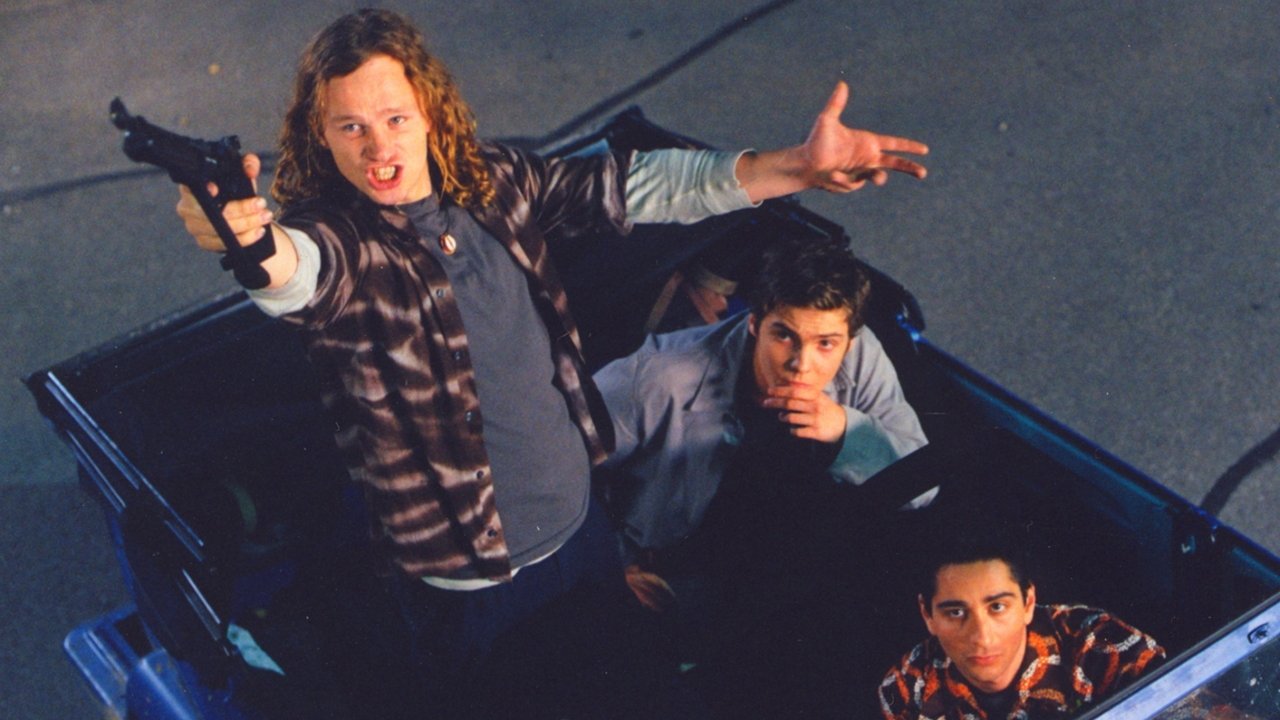
One of the undeniable joys of revisiting No More School now is seeing a very young Daniel Brühl command the screen. Even here, years before his international breakthroughs in films like Good Bye Lenin! (2003) or Rush (2013), or joining the Marvel universe, his talent is palpable. He embodies Markus's intelligent confusion and vulnerability with a naturalism that anchors the film. You completely buy his internal struggle, his yearning for connection, and his frustration with the prescribed path. It's fascinating to see the seeds of the charismatic, intense actor he would become. Alongside him, Jasmin Schwiers provides a thoughtful counterpoint, portraying Sandra’s dilemmas with sensitivity, while Niels-Bruno Schmidt delivers a memorable turn as the hedonistic Stone, whose carefree facade masks a deeper uncertainty. The ensemble feels authentic; their interactions, their banter, their arguments – they ring true to the often messy reality of teenage friendships.
Capturing the Turn-of-the-Millennium Mood
While American counterparts like American Pie (1999) or Can't Hardly Wait (1998) were often mining similar territory with broader comedic strokes, No More School strikes a slightly different chord. There's humor, yes, often stemming from awkward situations or Stone's outlandish behavior, but it's interwoven with a persistent thread of melancholy and existential searching. The film doesn't shy away from portraying drug use or the less savory aspects of teenage life, treating them not just as plot devices but as elements of the characters' attempts to cope or escape. This grounded approach gives it a different flavor, perhaps a bit more reflective than raucous. Interestingly, this resonated strongly in its home country; Schule was a significant box office success in Germany, reportedly grossing over €7 million against a modest budget of around €2.5 million, tapping into a specific generational zeitgeist. It truly felt like their graduation movie for a slice of German youth.
That Familiar Feeling
The direction by Marco Petry, who also co-wrote the script, effectively captures the restless energy of its protagonists. The camera often feels close, intimate, mirroring the claustrophobia and intensity of their emotional states. The soundtrack, leaning into the alternative rock and electronic sounds popular at the time, further anchors it in its specific moment. Watching it now, certain elements inevitably feel dated – the fashion, the technology (or lack thereof) – but these details often add to the nostalgic charm rather than detracting from the core emotional experience. It’s a time capsule, certainly, but one whose contents remain remarkably relatable. Didn't we all grapple with similar questions, regardless of the decade? That fear of the unknown future, the ache of potentially leaving friends behind, the burning desire to make one last, indelible memory before scattering to the winds?
Rating: 7/10
No More School might technically be a millennial baby, but its heart beats with a rhythm familiar to anyone who navigated the end of their secondary school years in the late VHS era. The performances, especially Brühl's early standout turn, lend genuine weight to the universal anxieties and joys of graduation. It avoids easy answers, capturing the confusion and bittersweet nature of that transition with honesty and a touch of European sensibility. While perhaps not a revolutionary piece of cinema, its authentic portrayal of friendship and uncertainty, combined with its specific turn-of-the-millennium German context (it definitely saw a life on VHS/DVD shelves there), makes it a worthwhile rediscovery.
It leaves you pondering not just the characters' futures, but perhaps reflecting on your own departure from those formative years – what felt earth-shattering then, and what truly endured?