Picking Up the Pieces
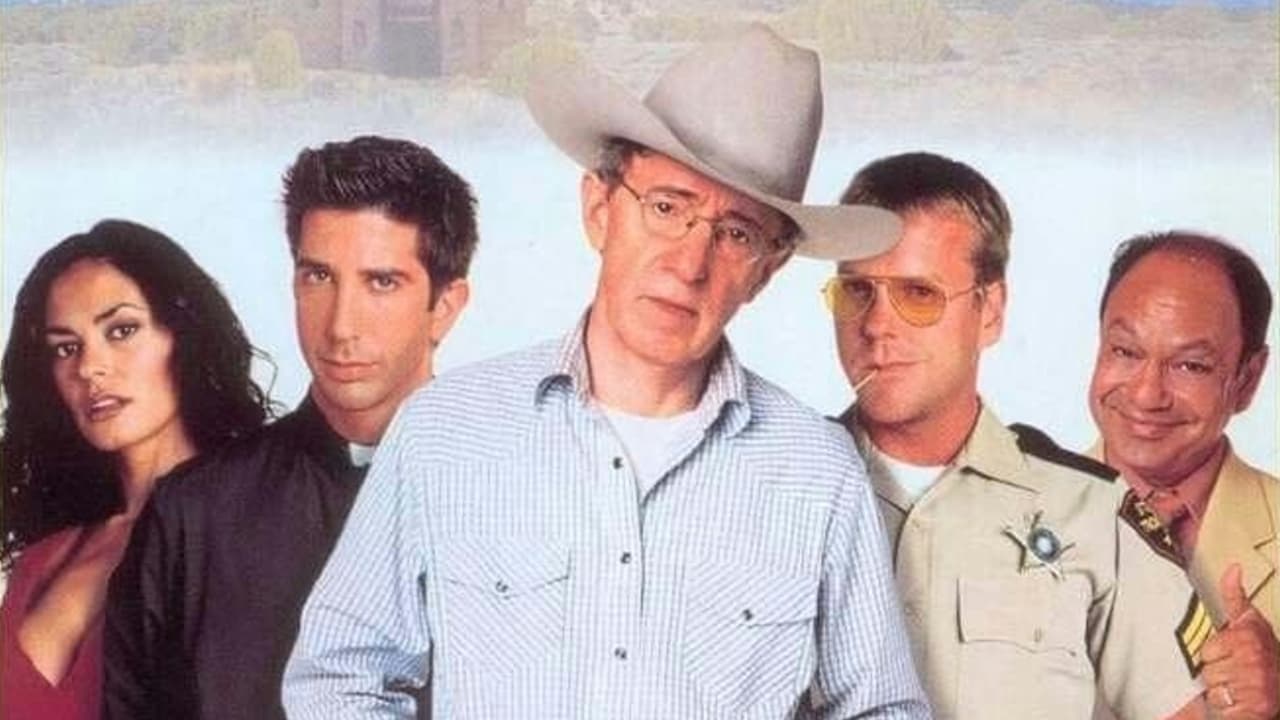
Okay, fellow tapeheads, gather ‘round. Sometimes, rummaging through the dusty back shelves of memory (or maybe the actual back shelves of a closing video store) unearths something truly… unique. Something that makes you blink, check the faded box art again, and wonder, "Did this really happen?" Friends, let's talk about Alfonso Arau's utterly baffling, strangely star-studded, and almost mythical 2000 black comedy, Picking Up the Pieces. This wasn't exactly lighting up the multiplexes, landing more like a whispered rumour or a fuzzy late-night cable discovery, perfectly fitting the twilight years of our beloved VHS format.
A Miraculous Misfire?
The premise alone feels like a fever dream cooked up after too much tequila and a Coen Brothers marathon. Woody Allen plays Tex Cowley, a kosher butcher in New York (stay with me) who discovers his wife Candy (Sharon Stone, yes, that Sharon Stone) is having an affair. In a fit of rage that feels wildly out of character even for the neurotic personas Allen usually inhabits, Tex chops Candy up, buries the pieces in the New Mexico desert... but accidentally leaves behind her hand. This discarded hand, found by a blind woman, starts performing miracles in a small town, becoming a holy relic. Tex, meanwhile, has to drive back to retrieve the incriminating evidence before the clueless local priest (Cheech Marin, bringing his usual charm) turns the town into the next Lourdes.
If your jaw is slightly agape, congratulations, you're having the correct reaction. Directed by Alfonso Arau, the very same director who gave us the sensuous and critically acclaimed Like Water for Chocolate (1992), Picking Up the Pieces feels like it belongs to a different cinematic universe entirely. It's a clash of tones so jarring – slapstick gore, religious satire, romantic subplots, Woody Allen’s trademark stammering anxieties – it achieves a kind of bewildering anti-harmony.
That Cast List Isn't a Typo
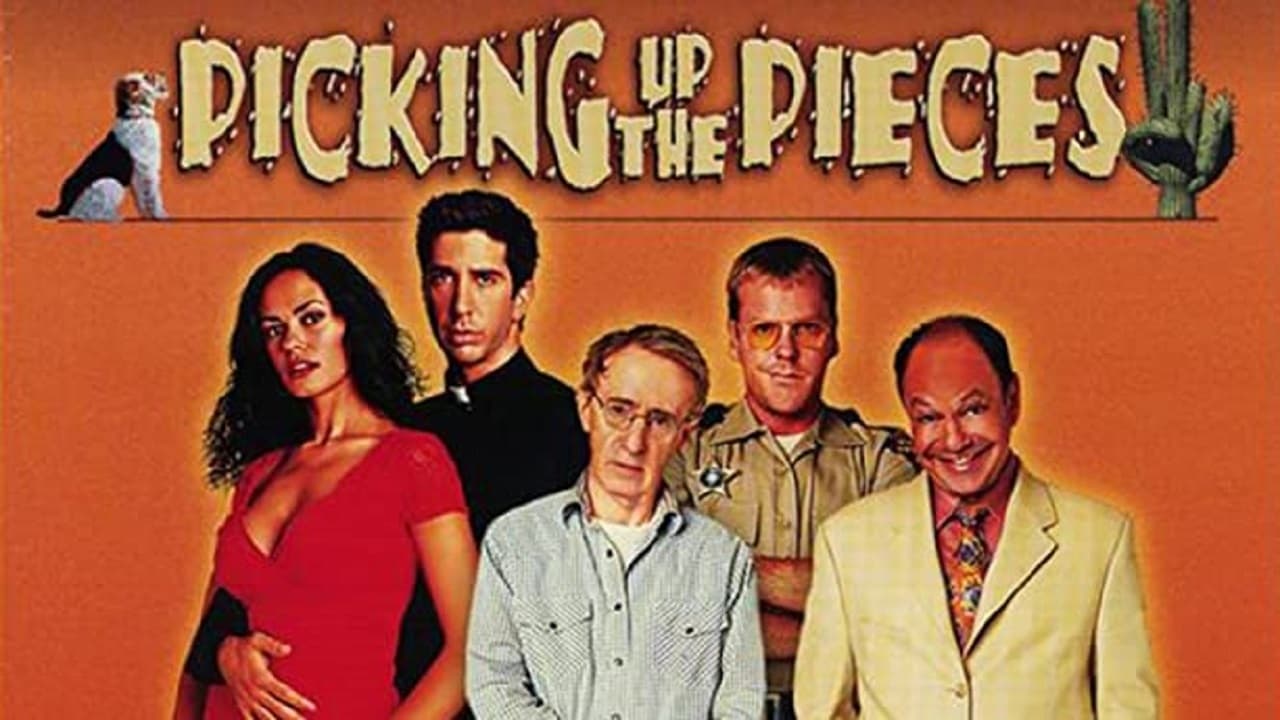
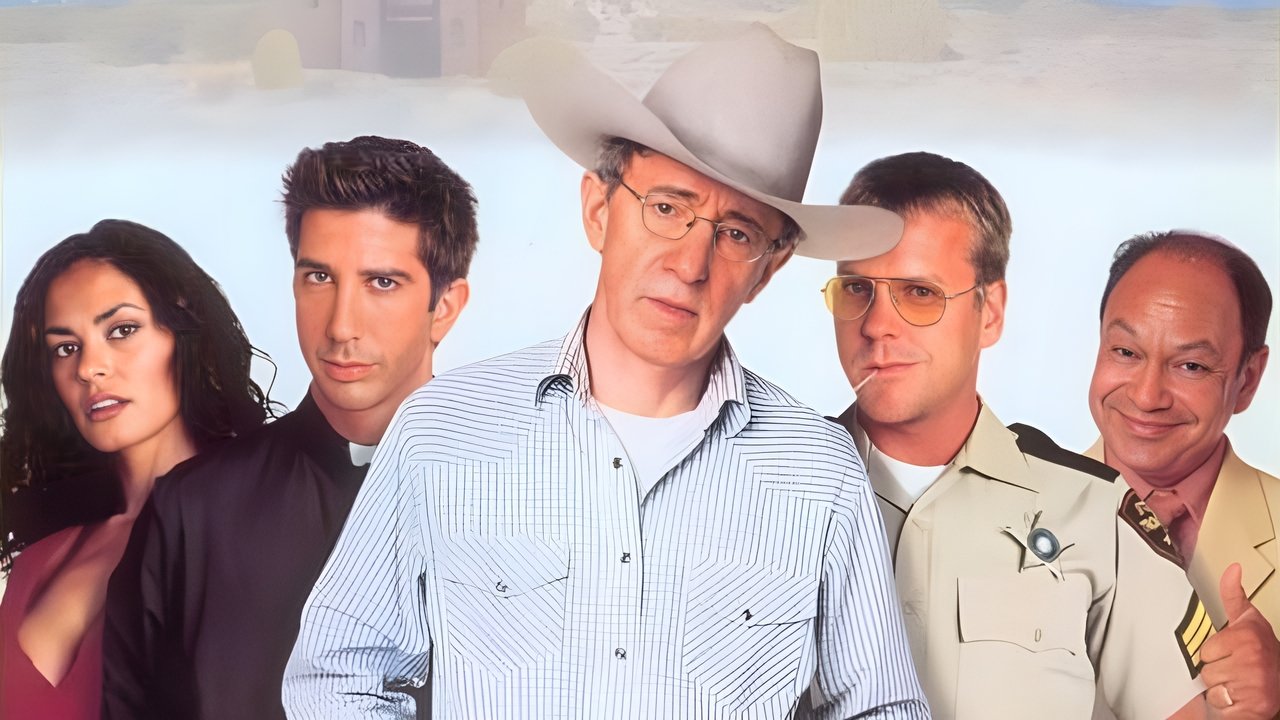
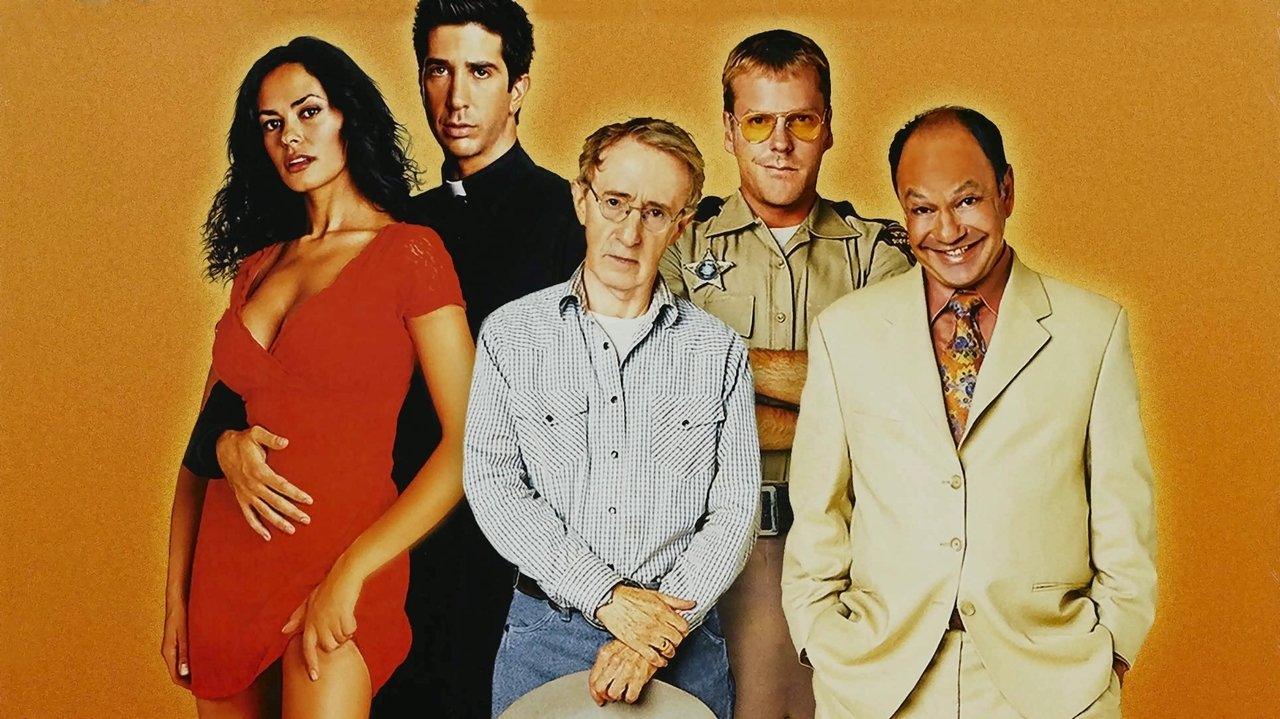
Let's be honest, the main reason anyone might remember or seek out this film today is its absolutely bonkers cast. Seeing Woody Allen in the lead of this kind of Southwestern absurdist comedy is cognitive dissonance personified. He does his usual schtick, which feels both completely wrong and strangely compelling within the bizarre narrative. Sharon Stone, largely appearing in flashbacks or as the dismembered (but still miraculously active) hand, leans into the absurdity with a vampy gusto that suggests she understood the assignment, even if no one else did.
And then there's Cheech Marin as Father Leo, grounding the film slightly with a warmth that’s genuinely welcome amidst the chaos. Add in appearances from Kiefer Sutherland as a suspicious cop, Elliott Gould as a priest, Fran Drescher, and even Lou Diamond Phillips, and you have a roster that screams "How did this collection of actors end up in this movie?" Apparently, Arau's clout from Like Water for Chocolate helped attract the names, but the script by Bill Wilson (whose other credits are... sparse) must have read like pure, unadulterated madness. It’s a retro fun fact in itself that this ensemble was even assembled.
Where Did It All Go Wrong (or Right?)
The film famously bypassed a wide theatrical release in the US, shuffling straight to cable (specifically Cinemax, leading some to dub it a "Skinemax" movie, though the content doesn't quite fit that label despite Stone's presence). It was reportedly plagued by post-production tinkering and studio nervousness about its potentially offensive blend of religion and dismemberment comedy. Watching it now, you can feel that uncertainty. The jokes land with wildly varying degrees of success, oscillating between genuinely funny observations about faith and exploitation, and moments that just feel… off.
There are no CGI spectacle here, folks. The effects are decidedly practical, mostly revolving around the increasingly famous hand. It doesn't aim for gritty realism like the action flicks we often celebrate here, but the sheer weirdness feels tangible in a way that slicker, modern productions might smooth over. It's messy, it's uneven, but it's undeniably something. Remember the days when studios occasionally threw money at truly strange ideas, hoping something might stick? This feels like a prime example.
So, Is This Piece Worth Picking Up?
Picking Up the Pieces is undeniably a flawed film. It’s tonally schizophrenic, the central performance from Allen feels transplanted from another movie, and its satirical aims often get lost in the general oddity. It bombed, critics mostly savaged it (currently sitting at a grim 29% on Rotten Tomatoes based on contemporary reviews), and it vanished quickly.
Yet… there's a perverse charm to its utter commitment to its bizarre premise. It’s the kind of film you discover late at night, maybe on a worn-out tape or a forgotten corner of a streaming service, and you just have to see it through. It’s a conversation starter, a "Can you believe they made this?" kind of movie. It doesn't reach the cult heights of genuine "so bad it's good" cinema, nor is it a misunderstood masterpiece. It simply is: a weird, star-studded anomaly from the turn of the millennium. I distinctly remember seeing the box in Blockbuster back in the day, doing a double-take at the cast list, and thinking "maybe next time." It took years before curiosity finally won.
VHS Heaven Rating: 4/10
Justification: The score reflects the film's undeniable technical and narrative flaws, its critical and commercial failure, and its often uncomfortable tonal mix. However, it avoids a lower score due to the sheer audacity of the premise, the fascinatingly bizarre cast, moments of genuinely effective satire, and its status as a unique cinematic curio perfect for connoisseurs of the strange – exactly the kind of oddity you'd unearth in the back aisles.
Final Thought: Forget slick action; this is the cinematic equivalent of finding a perfectly preserved, utterly baffling novelty item at a garage sale – you're not sure why it exists, but you kinda have to admire the fact that it does. A relic, indeed, but maybe not quite a holy one.
You Might Also Enjoy
Tromeo & Juliet
1996
A Chinese Odyssey Part Two: Cinderella
1995
Sex and Zen
1991
The People Under the Stairs
1991
The Tit & the Moon
1994
The Day of the Beast
1995
Shocker
1989
Conspirators of Pleasure
1996
Insignificance
1985
Vampire's Kiss
1989
Delicatessen
1991
Drop Dead Fred
1991
Motorama
1991
Nothing but Trouble
1991