RKO 281
It's a story almost as mythic as the film it chronicles: a brash young genius, granted unprecedented freedom by Hollywood, decides to poke the biggest bear in the American media landscape. The resulting explosion, the battle for Citizen Kane, is the territory explored by RKO 281, a film that arrived just as the millennium turned, feeling both like a throwback to grand studio pictures and a distinctly modern piece of historical drama. Watching it again now, perhaps on a format far removed from its original HBO premiere but closer in spirit to the video store days, it resonates with a particular kind of reverence for the sheer audacity of cinematic creation.
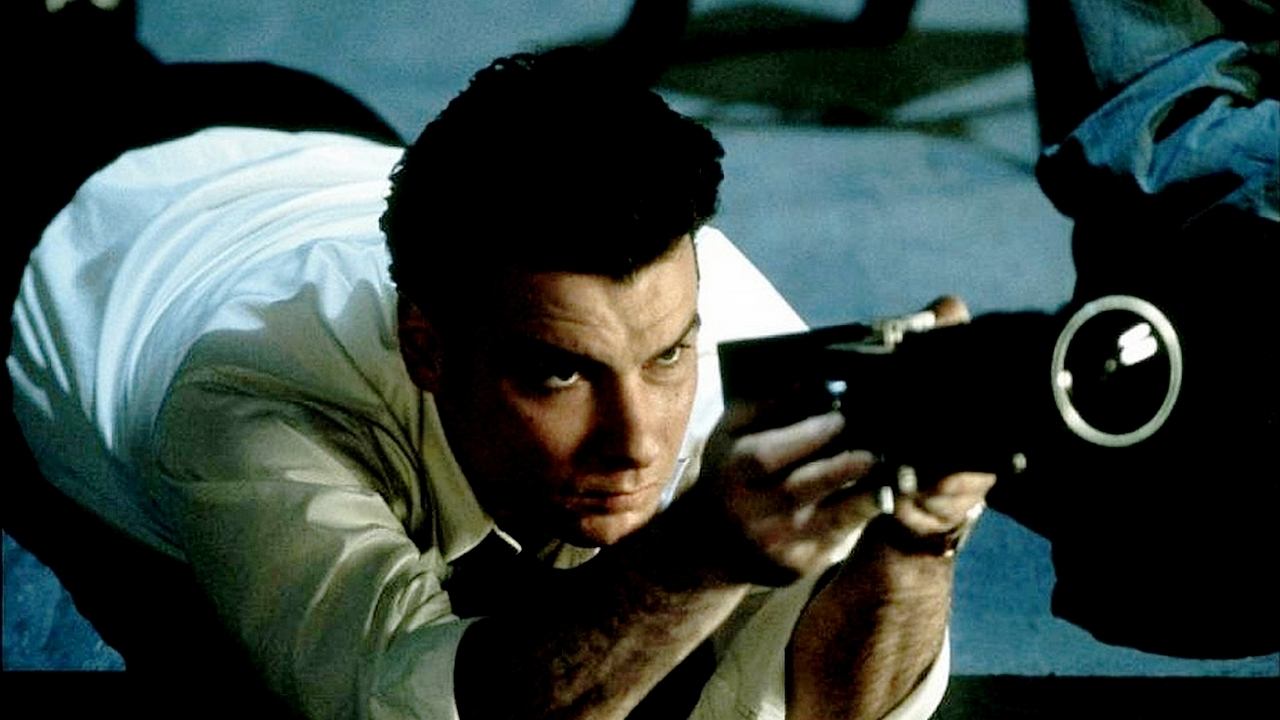
The Shadow of Xanadu
RKO 281 (the title itself a nod to the original production number assigned to Citizen Kane at RKO Pictures) plunges us directly into the whirlwind that was Orson Welles's arrival in Hollywood. Fresh off his infamous War of the Worlds broadcast, the "boy wonder" is portrayed with uncanny energy and volatile charisma by Liev Schreiber. Schreiber doesn't just mimic Welles; he captures the intoxicating blend of insecurity and arrogance, the visionary artist grappling with the studio system and his own burgeoning legend. It's a performance humming with restless intelligence, making you believe this 24-year-old could indeed conceive of a film that would dissect the life of William Randolph Hearst, arguably the most powerful man in the country.
The film wisely anchors itself in the titanic clash between Welles and Hearst, embodied with chilling restraint by James Cromwell. Cromwell’s Hearst isn't a cartoon villain; he's a man of immense influence facing his own mortality and the unwelcome glare of Welles's cinematic mirror. His power isn't wielded through shouting, but through quiet phone calls, veiled threats, and the mobilization of his vast media empire. The tension between these two figures – the ambitious artist and the wounded titan – forms the dramatic core, a battle fought not with fists, but with film reels, newspaper columns, and backroom deals.
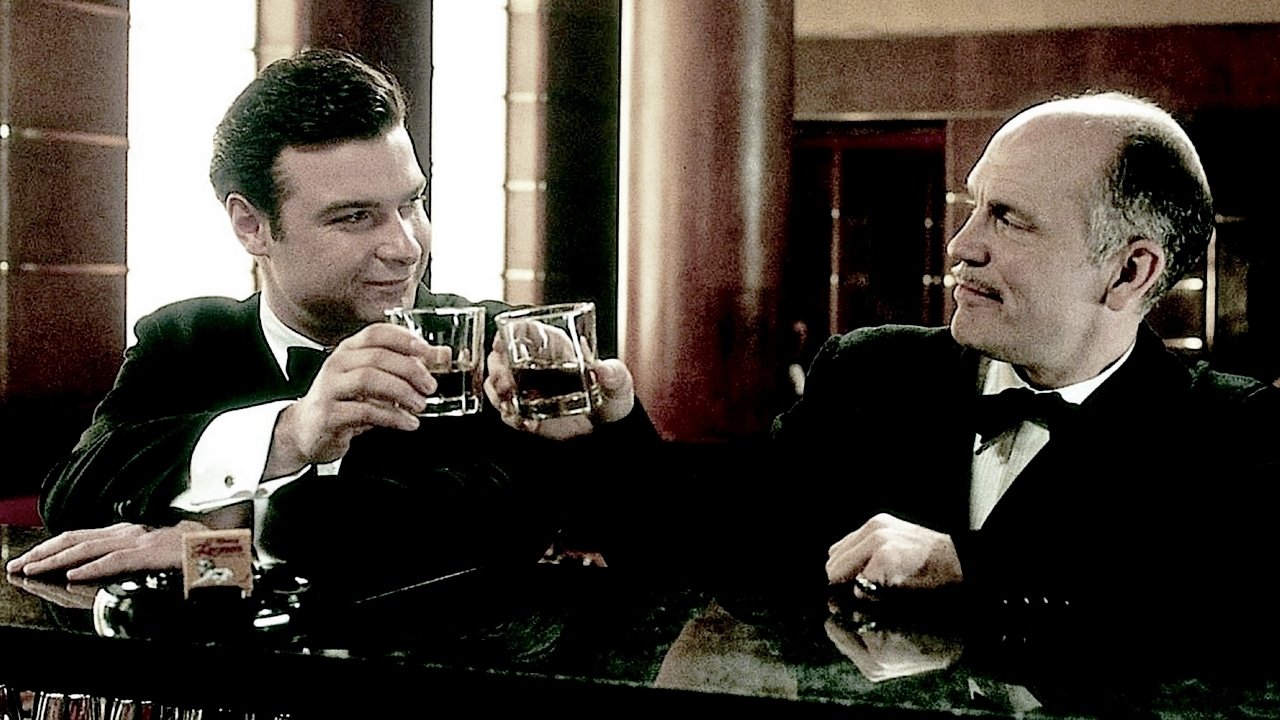
Whispers from the Dream Factory
What elevates RKO 281 beyond a simple historical retelling is its glimpse into the machinery of old Hollywood, weaving in details that feel authentic to the era. We see the initial bewilderment and then reluctant admiration of Welles's collaborators, like screenwriter Herman J. Mankiewicz (John Malkovich, bringing his signature wry intelligence) and cinematographer Gregg Toland (Liam Cunningham). The film hints at the revolutionary techniques Toland and Welles pioneered – the deep focus shots, the low angles – without getting bogged down in technical jargon. It’s more about capturing the spirit of innovation, the excitement of breaking rules.
Digging into the production history adds another layer. The screenplay, penned by John Logan (who would later write Gladiator and Skyfall), draws heavily from the acclaimed documentary The Battle Over Citizen Kane (1996). It’s fascinating to think about the real-world pressures: Hearst allegedly offering RKO chief George Schaefer (Roy Scheider, radiating weary integrity) a significant sum just to burn the negative of Kane. Or the whispers about Louis B. Mayer (David Suchet) rallying other studio heads to suppress the film, fearing it might set a precedent for unflattering portrayals of the powerful. RKO 281 captures this atmosphere of paranoia and high-stakes maneuvering effectively. Did you know the initial working title for Kane wasn't always Citizen Kane? Welles toyed with simply calling it American. Imagine the history books if that had stuck!
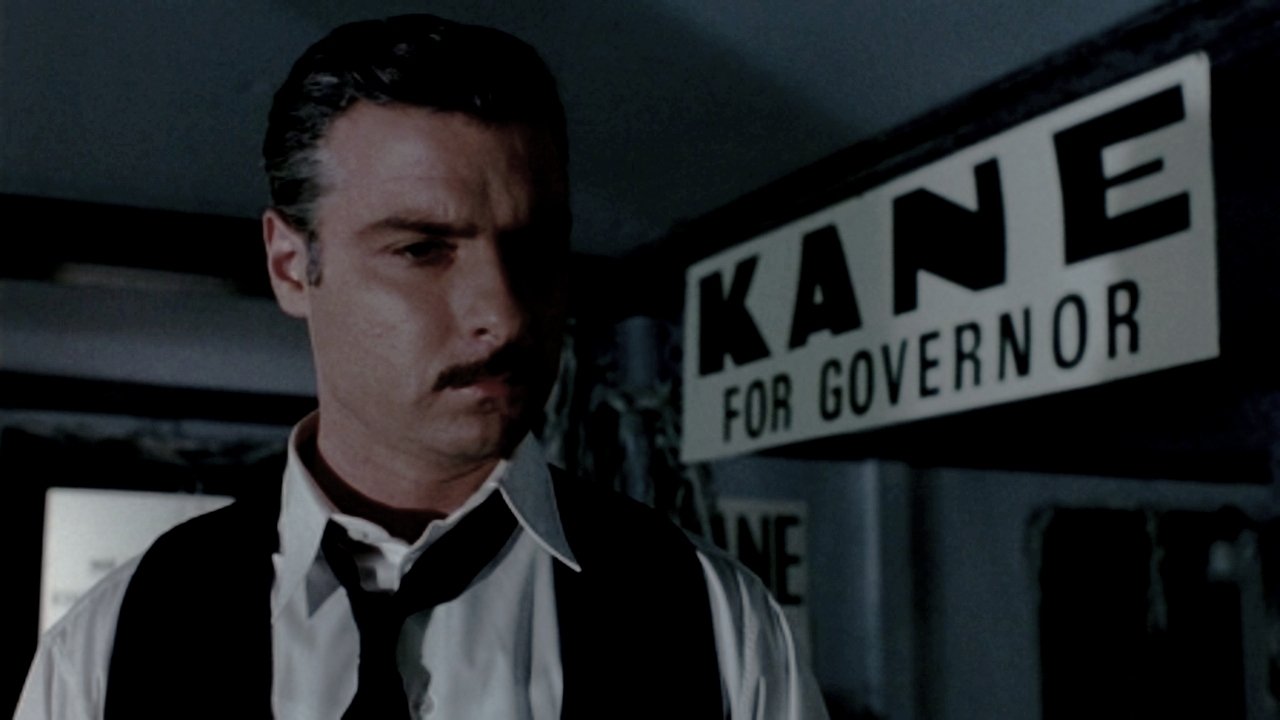
More Than Just Costumes and Cars
While the period detail is lovingly rendered – the costumes, the cars, the smoky backrooms – the film's true strength lies in its exploration of enduring themes. What is the responsibility of the artist? How far can power reach to control narrative and silence dissent? The film doesn't offer easy answers. Melanie Griffith's portrayal of Marion Davies, Hearst's long-time companion, adds a crucial layer of complexity. Often unfairly depicted as merely the untalented inspiration for Susan Alexander Kane, Griffith gives Davies pathos and intelligence, a woman caught between her affection for Hearst and her understanding of Welles's artistic vision. Her scenes provide some of the film's most quietly powerful moments, reminding us of the human cost amidst the larger-than-life conflict.
Director Benjamin Ross maintains a steady hand, balancing the personal drama with the larger historical context. The film looks handsome, capturing the gloss and shadow of the era effectively for its television origins (though it certainly received a deserved theatrical release in some territories). It avoids overt stylization, letting the performances and the inherent drama of the story take center stage. It makes you ponder, doesn't it? How many other potential masterpieces were stifled by unseen pressures or powerful figures lurking just off-screen throughout Hollywood history?
A Story Worth Telling, Then and Now
RKO 281 isn't Citizen Kane, nor does it try to be. It’s a compelling, intelligent drama about the creation of a masterpiece and the firestorm it ignited. Watching it feels like uncovering a fascinating chapter in film history, brought to life by a superb cast operating at the top of their game. Schreiber's Welles is magnetic, Cromwell's Hearst is formidable, and the supporting players add texture and depth. The film successfully conveys the revolutionary impact Kane had, not just technically but thematically, daring to hold a mirror up to American power in a way few had before. It reminds us why certain films endure, not just as entertainment, but as cultural touchstones that spark debate and reflection decades later. For anyone who ever rented Citizen Kane on a whim from Blockbuster, wondering about the story behind the legend, RKO 281 offers a rich, satisfying, and thought-provoking companion piece.
Rating: 8.5/10
This rating reflects the film's outstanding lead performances, its intelligent script, its successful evocation of a pivotal moment in film history, and its compelling exploration of timeless themes. It skillfully dramatizes the complex battle behind a cinematic landmark, making it essential viewing for classic film enthusiasts.
It leaves you pondering the delicate, often brutal dance between art, commerce, and power – a conflict as relevant in today's media landscape as it was in Hearst's empire.
You Might Also Enjoy
The Tuskegee Airmen
1995
Rasputin
1996
Britannic
2000
The Scarlet and the Black
1983
Against the Wall
1994
The Messenger: The Story of Joan of Arc
1999
Playing for Time
1980
Apollo 13
1995
Bandit Queen
1995
Braveheart
1995
Carrington
1995
Indictment: The McMartin Trial
1995
Joseph
1995
Land and Freedom
1995